
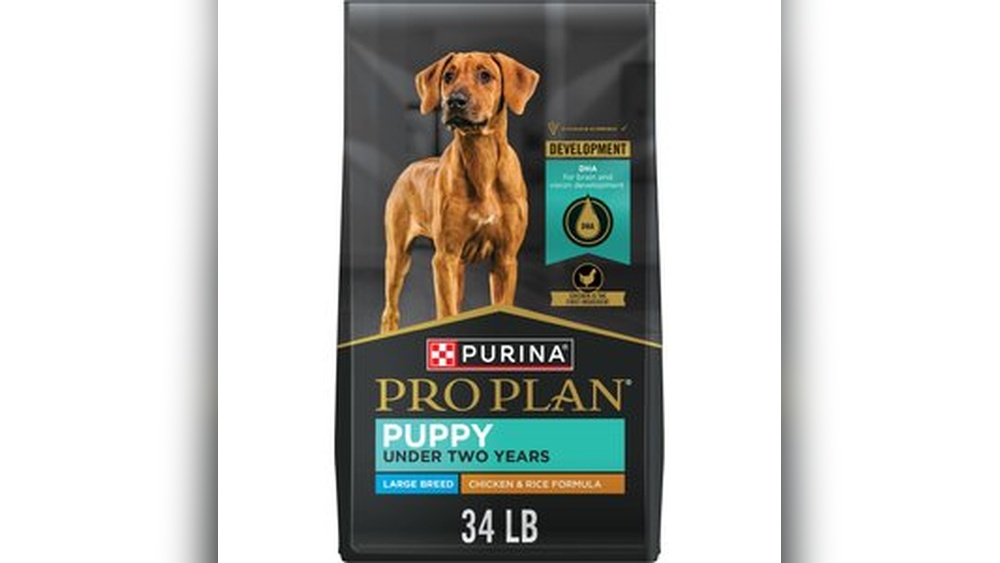
Choosing the best dog food for your Labrador isn’t just about filling their bowl—it’s about giving your loyal friend the nutrition they need to stay strong and happy. You want to see that wagging tail, boundless energy, and shiny coat every day.
But with so many options out there, how do you know which food truly supports your Lab’s health? Keep reading, and you’ll discover simple, clear answers that make feeding your dog easier and more rewarding than ever. Your Lab deserves the best, and you’re about to find out exactly what that looks like.

Credit: www.netkube.net
Nutritional Needs Of Labs
Labrador Retrievers need the right food to stay healthy and active. Their diet must support their energy and strong muscles. Labs grow fast and love to play hard. Nutrients help them live a long, happy life. Understanding their needs helps you pick the best dog food.
Protein Requirements
Labs need plenty of protein to build muscle and repair tissue. Good protein sources include chicken, beef, and fish. Protein keeps their coat shiny and skin healthy. Puppies need more protein than adult Labs for growth. Adult Labs need moderate protein to stay fit and strong.
Essential Fats
Fats provide energy and support brain health in Labs. Omega-3 and omega-6 fatty acids help keep their coat soft. These fats reduce inflammation and support joint health. Healthy fats also improve heart function. Avoid too much fat to prevent weight gain.
Vitamins And Minerals
Vitamins and minerals keep Labs’ bodies working well. Calcium and phosphorus build strong bones and teeth. Vitamins A, C, and E support the immune system. Zinc helps skin heal and stay healthy. Balanced minerals support overall growth and energy levels.
Calorie Needs
Labs need the right calories to maintain a healthy weight. Puppies require more calories for growth and activity. Adult Labs need fewer calories but still need energy for play. Overfeeding can cause obesity and joint problems. Measure food portions to keep Labs fit and active.
Credit: greensafaris.com
Types Of Dog Food
Choosing the right food for your Labrador is important. Different types of dog food offer various benefits. Each type meets different needs and preferences. Understanding these types helps you pick the best option for your Lab’s health and happiness.
Dry Kibble
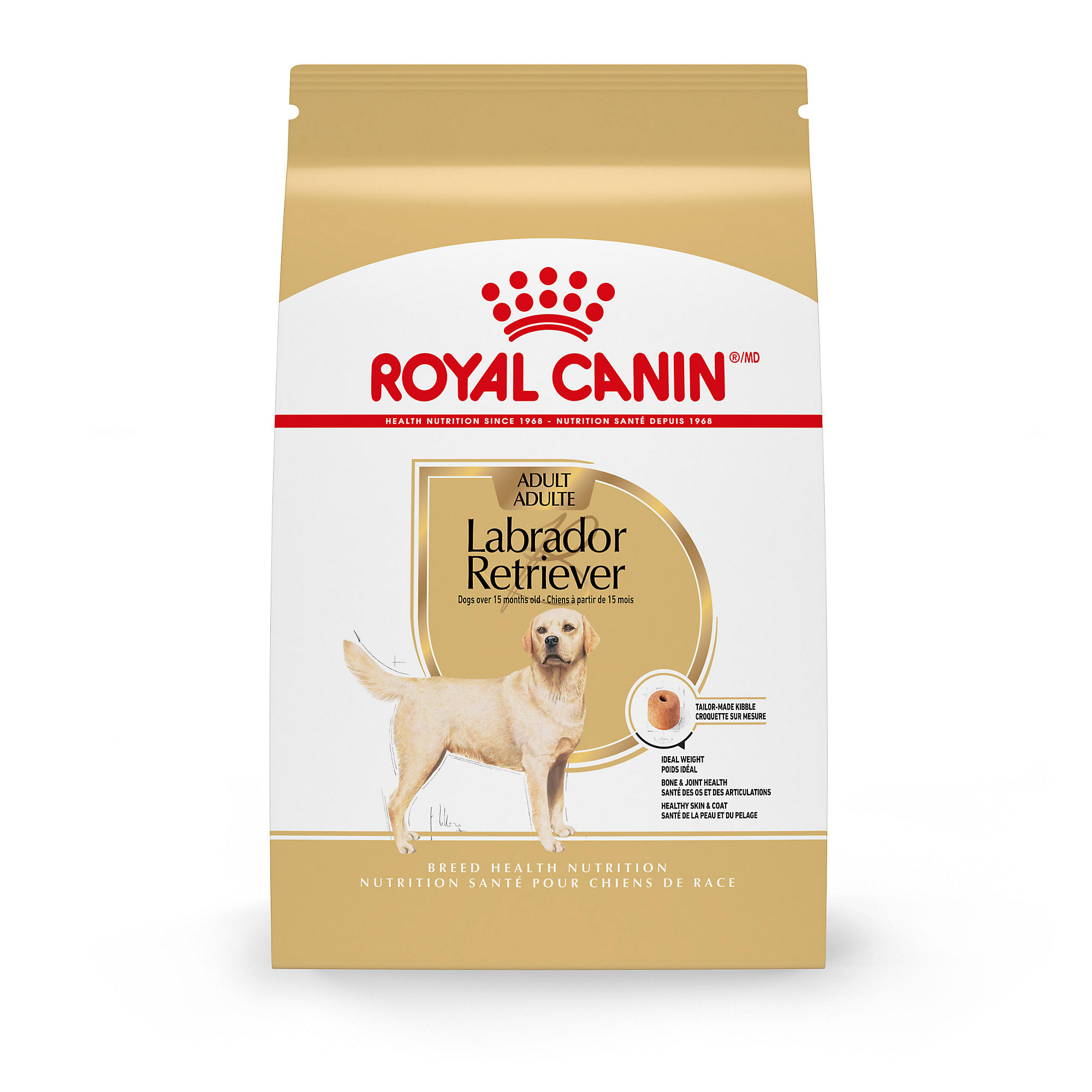
Dry kibble is the most common dog food. It is easy to store and serve. Kibble helps keep your Lab’s teeth clean. It comes in many formulas for different ages and sizes. This food type is usually affordable and lasts long.
Wet Food
Wet food has more moisture than dry kibble. It is soft and tasty for dogs that may refuse dry food. Wet food is good for Labs who need extra hydration. It often contains high protein and fat. This food is usually more expensive and spoils faster.
Raw Diets
Raw diets include uncooked meat, bones, and vegetables. Some owners believe it mimics natural eating habits. This diet can improve coat shine and energy. It requires careful handling to avoid bacteria. Consult a vet before choosing a raw diet.
Homemade Meals
Homemade meals give full control over ingredients. You can add fresh vegetables, meats, and grains. This option suits Labs with allergies or special needs. It needs balanced recipes to cover all nutrients. Cooking for your dog takes time and effort.
Top Dog Food Brands For Labs
Choosing the right dog food is important for Labrador Retrievers. Labs need food that supports their energy and health. The best brands offer balanced nutrition with quality ingredients. This section highlights top dog food brands that suit Labs well. It covers premium options, budget-friendly choices, grain-free formulas, and limited ingredient diets.
Premium Options
Premium dog foods provide high-quality ingredients. These brands use real meat and whole foods. They support muscle strength and a shiny coat. Examples include Blue Buffalo, Orijen, and Wellness. These foods often contain added vitamins and minerals. Labs can benefit from rich protein and omega fatty acids. Premium options help maintain Labs’ active lifestyle and health.
Budget-friendly Choices
Affordable dog foods still offer good nutrition. Brands like Pedigree and Purina have reliable formulas. They include essential nutrients without high costs. These foods can support Labs’ growth and energy. Many budget options have balanced protein and fat. They suit owners who want quality on a budget. Labs need steady nutrition, and these brands provide it.
Grain-free Formulas
Grain-free dog foods exclude wheat, corn, and soy. Some Labs may have grain sensitivities or allergies. Brands like Taste of the Wild and Natural Balance offer grain-free options. These foods focus on meat, vegetables, and fruits. Grain-free formulas can reduce digestive issues. Labs with sensitive stomachs may find relief here. Always check with a vet before switching diets.
Limited Ingredient Diets
Limited ingredient diets use fewer ingredients. This helps identify and avoid allergies. Brands such as Blue Buffalo Basics and Merrick offer these diets. They include one protein and a few carbs. These foods reduce the risk of allergic reactions. Labs with food sensitivities benefit from simple recipes. Limited ingredient diets support healthy digestion and skin.
Special Considerations For Labs
Labrador Retrievers have unique needs in their diet. Their size, activity, and health risks affect what food suits them best. Choosing the right food helps keep Labs happy and healthy. This section covers key points for feeding Labs well.
Weight Management
Labs love to eat and can gain weight fast. Obesity risks joint problems and other health issues. Choose dog food with balanced calories and nutrients. Foods high in fiber help Labs feel full without extra calories. Measure portions carefully to avoid overeating. Regular exercise supports healthy weight too.
Allergies And Sensitivities
Some Labs have food allergies or sensitive stomachs. Common triggers include wheat, corn, and soy. Look for limited ingredient diets or hypoallergenic foods. Protein sources like fish or lamb may reduce reactions. Watch for signs like itching, redness, or upset stomach. Consult a vet if allergies are suspected.
Puppy Vs Adult Formulas
Lab puppies need more protein and fat for growth. Puppy formulas support strong bones and muscles. Adult Labs require balanced nutrition to maintain health. Switching food at the right age helps avoid digestive issues. Follow feeding guidelines for your Lab’s life stage. Quality ingredients support energy and development.
Senior Lab Nutrition
Older Labs need fewer calories but more joint support. Senior dog food includes glucosamine and omega fatty acids. These nutrients help reduce arthritis and improve mobility. Protein remains important to keep muscle mass. Choose foods that are easy to digest and low in fat. Adjust feeding amounts as activity decreases.
Tips For Choosing Dog Food
Choosing the right food for your Labrador is important for its health and happiness. Not all dog foods are the same. Some meet your Lab’s specific needs better. Learning how to pick the best food keeps your dog strong and active.
Reading Labels
Check the ingredients list on the dog food package. Look for real meat or fish as the first ingredient. Avoid foods with too many fillers like corn or wheat. Look for added vitamins and minerals for balanced nutrition. Also, check for any artificial colors or preservatives. These may harm your dog’s health over time.
Consulting Your Vet
Your vet knows your Lab’s health history best. Ask for advice on the right food type and brand. They can suggest special diets if your dog has allergies or health issues. Regular vet visits help keep your dog’s diet on track. Follow their recommendations for portion size and feeding frequency.
Transitioning Foods
Switch your Lab’s food slowly over a week or more. Mix the new food with the old one in small amounts. Increase the new food daily while reducing the old food. This helps prevent stomach upset or diarrhea. Watch your dog’s reaction during the change. Stop if you notice any problems.
Monitoring Your Lab’s Health
Keep an eye on your Lab’s weight and energy levels. Notice any changes in coat shine or skin condition. Regularly check for digestive issues or unusual behavior. Healthy dogs show bright eyes and a happy mood. Adjust food choices if you see any negative signs.

Credit: www.thelabradorsite.com
Frequently Asked Questions
What Is The Best Dog Food For A Lab’s Health?
The best dog food for Labs is high in protein and balanced nutrients. Look for formulas with real meat, healthy fats, and essential vitamins. Avoid fillers and artificial additives to support their energy and joint health.
How Much Food Should I Feed My Lab Daily?
Feed your Lab 2 to 3 cups of high-quality dog food daily. Adjust portions based on age, weight, and activity level. Split meals into two servings to maintain healthy digestion and energy throughout the day.
Are Grain-free Diets Good For Labrador Retrievers?
Grain-free diets can be suitable if your Lab has allergies or sensitivities. Otherwise, whole grains provide important fiber and nutrients. Consult your vet before switching to grain-free options to ensure balanced nutrition.
Can Labs Eat Homemade Dog Food Safely?
Yes, Labs can eat homemade food if recipes are balanced and vet-approved. Include proteins, vegetables, and carbs in the right proportions. Avoid toxic foods like onions, chocolate, and grapes to keep your Lab safe.
Conclusion
Choosing the best dog food for your Lab keeps them healthy and happy. Labs need food with good protein and nutrients. Always check the ingredients to suit your dog’s age and energy. Feeding quality food supports strong muscles and a shiny coat.
Remember to watch portion sizes and avoid fillers. Healthy eating helps your Lab enjoy a long, active life. Careful choices make a big difference every day. Keep your dog’s needs in mind, and they will thrive. Simple steps lead to a healthier Lab.


