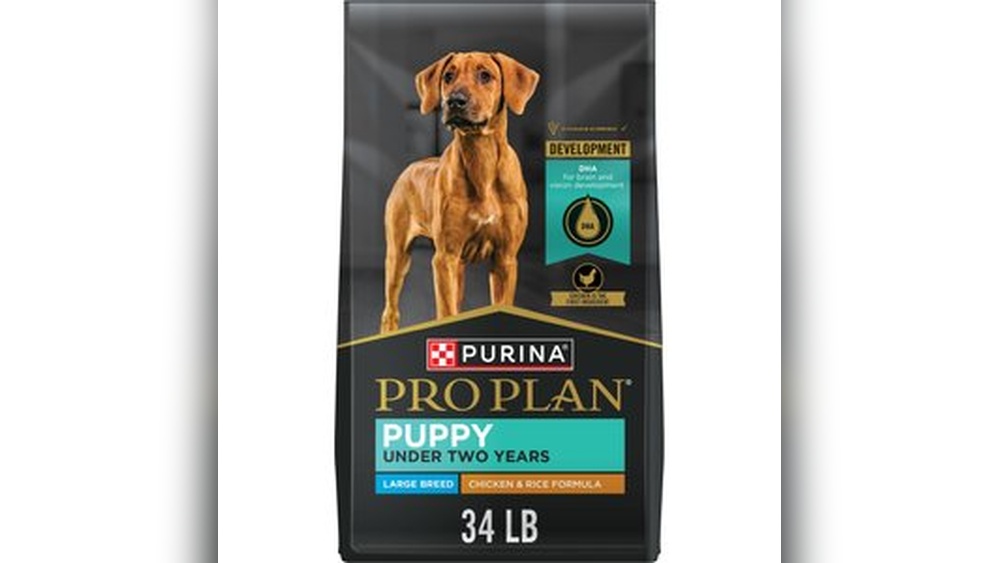
Choosing the best dog food for your Lab puppy is one of the most important decisions you’ll make as a pet owner. You want to give your furry friend the right nutrients to grow strong, stay healthy, and full of energy.
But with so many options out there, it can feel overwhelming and confusing. Don’t worry—this guide is made just for you. By the end, you’ll know exactly what to look for and which dog foods will help your Lab puppy thrive every step of the way.
Keep reading to discover the key to your puppy’s happy, healthy future.

Credit: www.netkube.net
Nutritional Needs Of Lab Puppies
Lab puppies grow fast and need good nutrition to stay healthy. Their food must support strong bones, muscles, and energy levels. Choosing the right diet helps avoid health problems later. Understanding their nutritional needs is key to feeding them well.
Key Nutrients For Growth
Lab puppies need balanced nutrients for proper growth. Protein builds muscles and repairs tissues. Healthy fats provide energy and keep their coat shiny. Carbohydrates fuel their active bodies. Fiber aids digestion and keeps their tummy healthy.
Protein And Fat Requirements
Protein is vital for muscle and tissue development. Lab puppies need high-quality protein from meat or fish. Fat gives energy and supports brain growth. A good puppy food has 22% to 32% protein and 8% to 20% fat. This balance keeps puppies strong and active.
Vitamins And Minerals
Vitamins and minerals support many body functions. Calcium and phosphorus build strong bones and teeth. Vitamin A helps vision and skin health. Vitamin D aids calcium absorption. Zinc and iron boost the immune system. A complete puppy food includes these essentials for overall health.

Credit: www.burgesspetcare.com
Types Of Dog Food For Lab Puppies
Choosing the right food for a Lab puppy is very important. Puppies need special nutrition to grow strong and healthy. Different types of dog food offer different benefits. Understanding these options helps you pick the best food for your Lab puppy’s needs.
Dry Kibble Benefits
Dry kibble is popular for many dog owners. It is easy to store and lasts long without spoiling. Kibble helps keep your puppy’s teeth clean by reducing plaque. It is also convenient for feeding and measuring portions. Many brands offer formulas with balanced nutrients for growing Labs.
Wet Food Options
Wet food is soft and tasty for puppies. It contains more moisture, which helps keep puppies hydrated. This type of food is easier to chew, especially for young puppies. Wet food often has strong flavors that appeal to picky eaters. It is a good choice to mix with dry kibble for variety.
Raw And Homemade Diets
Raw and homemade diets give full control over ingredients. You can choose fresh meats, vegetables, and grains. These diets can be very nutritious if made correctly. Preparation takes more time and care to ensure balance. Consult a vet before starting a raw or homemade diet to avoid health risks.
Top Ingredients To Look For
Choosing the best dog food for a Lab puppy means focusing on key ingredients. These ingredients support growth, energy, and health. Healthy ingredients help your puppy develop strong muscles and a shiny coat. They also keep your puppy active and happy.
High-quality Protein Sources
Protein builds muscles and repairs body tissues. Look for named meats like chicken, beef, or fish. These provide essential amino acids for your puppy’s growth. Avoid foods with vague terms like “meat meal” or “by-products.”
Healthy Fats And Oils
Fats provide energy and help absorb vitamins. Good fats come from fish oil, flaxseed, or chicken fat. These fats also support brain development and a healthy coat. Avoid foods with too many fillers or artificial fats.
Essential Carbohydrates
Carbs supply energy and fiber for digestion. Choose whole grains like brown rice or oats. Vegetables like sweet potatoes also make good carb sources. Avoid foods with too much corn or wheat, which may cause allergies.

Credit: www.youtube.com
Avoiding Harmful Ingredients
Choosing the right food for your Lab puppy is very important. Harmful ingredients can cause health problems and affect growth. Avoiding these ingredients ensures your puppy stays healthy and active. Here are some common harmful ingredients to watch out for in dog food.
Artificial Additives
Artificial colors and flavors do not help your puppy’s health. They can cause allergies and upset the stomach. Some artificial preservatives may also harm your puppy’s liver over time. Choose dog food without artificial additives to keep your Lab puppy safe.
Fillers And By-products
Fillers like corn, wheat, and soy add little nutrition. They can cause weight gain and digestive problems. By-products come from low-quality animal parts and offer less protein. Look for dog food with real meat and no fillers or by-products.
Common Allergens
Some puppies are allergic to ingredients like dairy, chicken, or beef. Allergens cause itching, swelling, and digestive issues. Watch for signs of allergies and choose hypoallergenic food if needed. Grain-free options can help reduce allergy risks for sensitive pups.
Recommended Dog Food Brands
Choosing the right food for your Lab puppy is important for healthy growth. The right brands offer balanced nutrition tailored for young Labs. Quality ingredients support energy, muscle, and brain development. Some brands focus on premium ingredients, while others provide budget-friendly options. Specialty formulas address specific needs like allergies or sensitive stomachs. Here are trusted dog food brands to consider for your Lab puppy.
Premium Brands For Lab Puppies
Premium brands use high-quality meat and natural ingredients. These foods have balanced proteins and fats for active Labs. Brands like Blue Buffalo, Orijen, and Wellness are popular choices. They avoid fillers and artificial additives. These foods support strong muscles and healthy skin. Premium options often include DHA for brain development.
Budget-friendly Choices
Budget-friendly dog foods still offer good nutrition for Lab puppies. Brands such as Diamond Naturals and Nutro provide affordable options. They use quality ingredients without extra cost. These brands focus on essential nutrients and balanced formulas. Great for pet owners who want value and nutrition. Feeding your puppy well doesn’t have to break the bank.
Specialty Formulas
Specialty dog foods target unique puppy needs. Some formulas help with food allergies or sensitive stomachs. Examples include Hill’s Science Diet and Royal Canin. These brands offer grain-free or limited ingredient options. They support digestion and reduce allergy symptoms. Specialty foods ensure your Lab puppy stays healthy and happy.
Feeding Tips For Optimal Growth
Feeding a Lab puppy the right way helps it grow strong and healthy. Puppies need good food and care. Feeding them properly supports their bones, muscles, and brain development.
Knowing how much and when to feed your puppy is very important. Watch your puppy’s health to make sure it is growing well. These tips will help you feed your Lab puppy for the best growth.
Portion Control
Give your Lab puppy the right portion size. Too much food can cause weight gain. Too little food can slow growth. Follow the puppy food package guidelines. Adjust portions as your puppy grows. Measure food with a cup to avoid guessing.
Feeding Frequency
Feed your Lab puppy three to four times daily. Small meals are easier to digest. Regular feeding keeps energy levels steady. After six months, reduce feedings to twice a day. Keep feeding times consistent every day.
Monitoring Weight And Health
Check your puppy’s weight weekly. Use a scale or visit a vet. Look for signs of healthy weight, like a visible waist. Watch for changes in coat, eyes, and energy. Report any problems to your vet quickly.
Transitioning To Adult Dog Food
Changing your Lab puppy’s food to adult dog food is an important step. This change supports their growth and keeps them healthy. The right timing and method help avoid stomach problems. It also makes sure your dog gets the right nutrition as they grow.
When To Switch
Most Lab puppies need adult food between 9 and 12 months. Large breeds like Labs grow longer, so wait closer to 12 months. Switching too early can cause health issues. Waiting too long may mean your dog misses important nutrients.
Gradual Transition Steps
Start by mixing 25% adult food with 75% puppy food. Change the mix every 3 to 4 days. By two weeks, your dog should eat only adult food. This slow change helps your puppy’s stomach adjust. It reduces the chance of diarrhea or upset stomach.
Signs Your Puppy Is Ready
Your Lab puppy grows more slowly after 9 months. Their energy might be less intense than before. Teeth are fully grown and stronger. If they eat puppy food easily without problems, it’s a good sign. A healthy weight and good coat also show readiness.
Frequently Asked Questions
What Is The Best Dog Food For A Lab Puppy?
The best dog food for a Lab puppy is rich in protein and DHA. It supports muscle growth and brain development. Choose high-quality, natural ingredients with balanced vitamins and minerals to keep your Lab healthy and active.
How Often Should I Feed My Lab Puppy Daily?
Feed your Lab puppy three to four times a day. Puppies need frequent meals to maintain energy and support growth. Gradually reduce feeding to twice daily by six months old, adjusting portions based on their activity and weight.
Can Lab Puppies Eat Grain-free Dog Food?
Yes, Lab puppies can eat grain-free dog food if they have allergies or sensitivities. However, consult your vet before switching. Ensure the food contains essential nutrients, as grains are a good energy source for healthy growth.
When Should I Switch From Puppy To Adult Dog Food?
Switch your Lab from puppy to adult food around 12 months old. This timing supports their changing nutritional needs and prevents excess weight gain. Transition gradually over a week to avoid digestive issues.
Conclusion
Choosing the right food helps your Lab puppy grow strong and healthy. Good nutrition supports energy, coat shine, and overall happiness. Always check ingredients for quality protein and essential nutrients. Feeding the right portions keeps your puppy at a healthy weight.
Trust your puppy’s needs and adjust as they grow. A happy Lab puppy means a happy family. Keep learning and caring for your puppy every day.