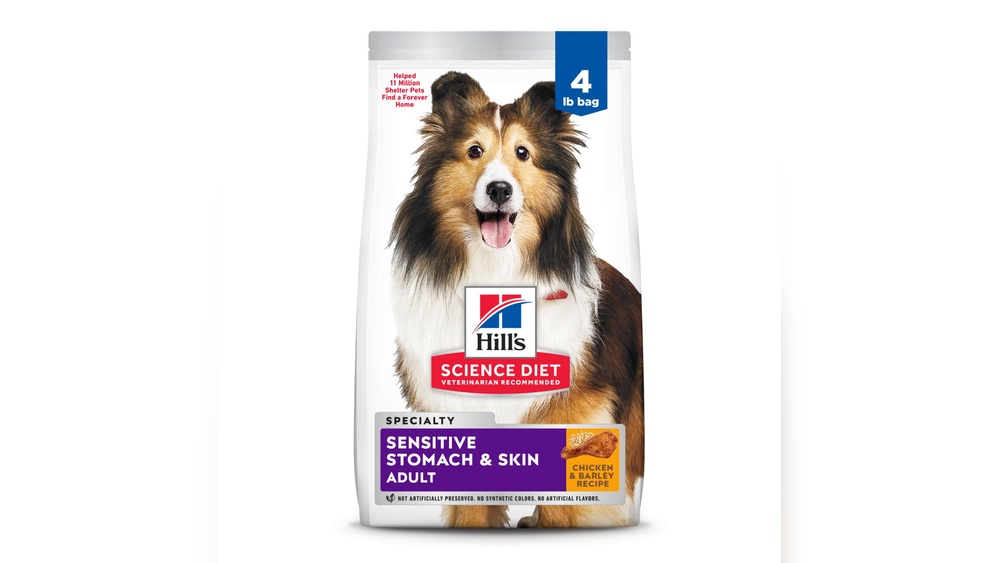
If your dog struggles with a sensitive stomach, you know how tough it can be to find the right food. Upset tummies, frequent vomiting, or diarrhea can make mealtime stressful for both you and your furry friend.
But what if there was a way to make feeding time calm and worry-free? Choosing the best dog food designed specifically for sensitive stomachs can bring relief and help your dog feel their best every day. You’ll discover the top options and smart tips to keep your dog happy and healthy from the inside out.
Keep reading to find the perfect meal for your special companion.
Causes Of Sensitive Stomach In Dogs
Many dogs suffer from sensitive stomachs. This condition can cause discomfort and affect their overall health. Understanding the causes helps in choosing the best dog food. Sensitive stomachs often result from various internal and external factors.
These causes can range from simple digestive troubles to complex reactions to certain foods or stress. Identifying the root cause is key to managing your dog’s diet effectively.
Common Digestive Issues
Digestive problems often lead to a sensitive stomach. Dogs may have trouble digesting certain ingredients. This can cause vomiting, diarrhea, or gas. Some dogs have weak digestive systems naturally. Others develop issues from infections or parasites. Poor digestion makes it hard for dogs to absorb nutrients. This causes discomfort and stomach upset.
Food Allergies And Intolerances
Food allergies are a common cause of stomach sensitivity. Dogs can react badly to proteins or additives in their food. Allergies cause itching, swelling, and digestive problems. Food intolerances are different but also affect digestion. They cause gas, diarrhea, or vomiting after eating. Identifying and avoiding these foods helps reduce stomach issues.
Stress And Environmental Factors
Stress can upset a dog’s stomach. Changes in environment or routine can cause anxiety. This anxiety affects digestion and bowel movements. Loud noises, new places, or separation from owners can trigger stress. Environmental toxins and poor water quality also harm digestion. Managing stress and environment improves stomach health.
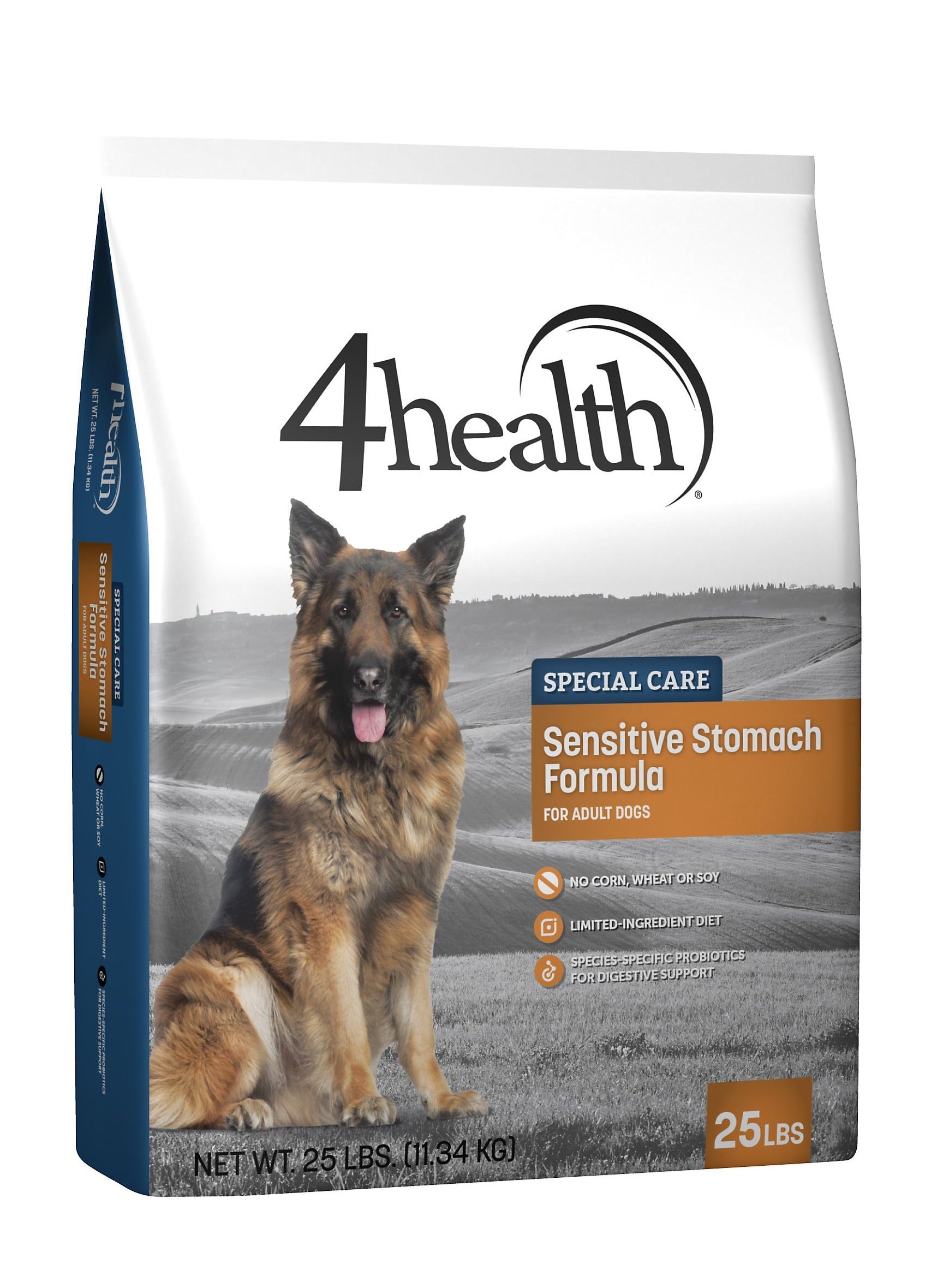
Credit: www.petsense.com
Key Ingredients For Sensitive Stomachs
Choosing the right ingredients is key for dogs with sensitive stomachs. These ingredients help ease digestion and reduce discomfort. Understanding what to look for can make a big difference in your dog’s health. Here are the main ingredients that support sensitive stomachs.
Easily Digestible Proteins
Proteins that break down quickly are gentle on the stomach. Examples include chicken, turkey, and fish. These proteins cause less strain on the digestive system. They help your dog absorb nutrients better. Avoid proteins that are hard to digest like beef or lamb.
Limited Ingredient Formulas
Fewer ingredients mean fewer chances for irritation. These formulas focus on simple, natural components. They reduce the risk of allergic reactions. Limited ingredients make it easier to spot the cause of upset stomachs. This clarity helps maintain your dog’s digestive health.
Probiotics And Prebiotics
Probiotics add good bacteria to the gut. They balance the digestive system and improve nutrient absorption. Prebiotics feed these good bacteria. Together, they support healthy digestion and reduce stomach issues. Including them in food helps your dog feel better faster.
Types Of Dog Food Suitable For Sensitive Stomachs
Choosing the right food is key for dogs with sensitive stomachs. Some types of dog food are easier to digest and cause less upset. Understanding these options helps keep your dog healthy and happy.
Different foods offer different benefits. Some focus on gentle ingredients. Others avoid common allergens. Finding what suits your dog can reduce tummy troubles.
Wet Vs. Dry Food
Wet food has more moisture. It is softer and easier to chew. Many dogs with sensitive stomachs find wet food gentle on digestion. It can help keep your dog hydrated. Dry food lasts longer and is easier to store. It also helps clean teeth by reducing plaque. Choose the option your dog digests best.
Grain-free Options
Grain-free dog food avoids wheat, corn, and soy. Some dogs have trouble digesting grains. Grain-free formulas use ingredients like potatoes or peas instead. These foods reduce the risk of allergies and stomach upset. They often contain fewer fillers. Grain-free can be a good choice for sensitive stomachs.
Novel Protein Sources
Novel proteins are new or rare meats in dog food. Examples include duck, venison, or rabbit. These proteins reduce the chance of allergic reactions. Dogs with sensitive stomachs may handle novel proteins better. They offer variety and balanced nutrition. Trying novel proteins can improve digestion and comfort.
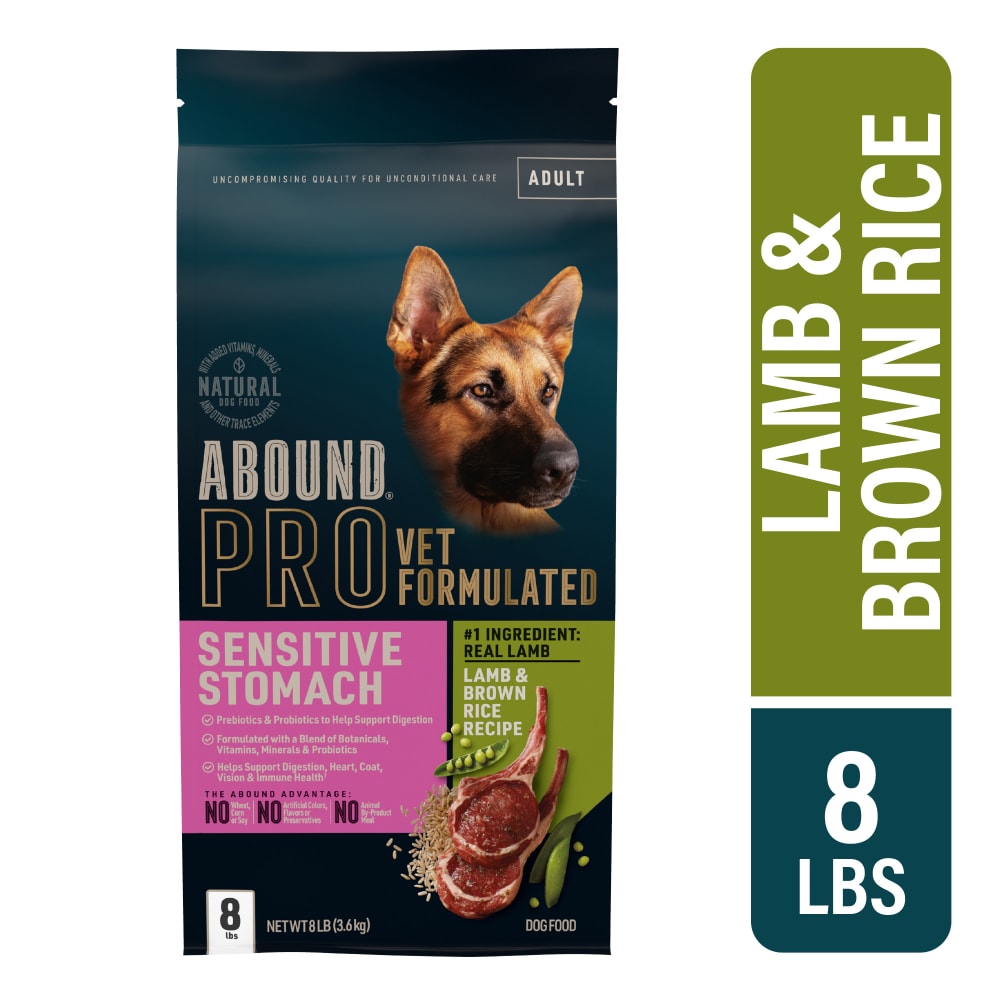
Credit: www.kroger.com
Top Dog Food Brands For Sensitive Stomachs
Choosing the right food helps dogs with sensitive stomachs feel better. Some dog food brands focus on gentle ingredients and easy digestion. These brands use natural ingredients and avoid common irritants. They also include probiotics to support gut health. Here are top dog food brands known for their gentle recipes and quality.
Brand A Highlights
Brand A uses limited ingredients to reduce stomach issues. Their recipes often feature single protein sources like turkey or lamb. They avoid grains, artificial colors, and flavors. Probiotics and fiber help dogs digest food smoothly. Many pet owners report fewer stomach problems with Brand A.
Brand B Highlights
Brand B offers recipes with novel proteins such as duck or venison. This helps dogs that react to common meats. Their formulas include easily digestible carbohydrates like sweet potatoes. Brand B includes omega fatty acids to support skin and coat health. It focuses on balanced nutrition and sensitive stomach care.
Brand C Highlights
Brand C creates formulas with gentle, natural ingredients. They use prebiotics and probiotics to boost digestion. Grain-free options reduce the chance of allergic reactions. Brand C also tests recipes for quality and safety. Many vets recommend Brand C for dogs with sensitive stomachs.
Homemade Diets For Sensitive Dogs
Homemade diets can be a gentle choice for dogs with sensitive stomachs. These diets allow control over every ingredient and help avoid irritants. Preparing meals at home lets you tailor food to your dog’s unique needs. It also helps identify specific foods that cause discomfort. Careful planning is key to keep the diet safe and balanced.
Safe Ingredients To Use
Choose simple, natural ingredients that are easy to digest. Boiled chicken, turkey, or lean beef work well. White rice or sweet potatoes provide gentle carbohydrates. Cooked carrots and green beans add fiber without upsetting the stomach. Avoid spices, onions, garlic, and dairy products. These can cause digestive issues or allergies.
Balancing Nutrition
Ensure the diet has the right mix of protein, fat, and carbs. Dogs need vitamins and minerals for energy and health. Add a small amount of fish oil for omega-3 fatty acids. Use supplements if recommended to cover any gaps. Keep portions moderate to avoid overfeeding or weight gain.
Consulting A Veterinarian
Talk to a vet before starting a homemade diet. They can help create a balanced meal plan. Regular check-ups will track your dog’s health and progress. Adjust the diet based on your dog’s reactions and needs. A vet’s guidance reduces risks and ensures proper nutrition.

Credit: www.walmart.com
Tips For Transitioning To New Dog Food
Changing your dog’s food needs care, especially for sensitive stomachs. Sudden switches can cause upset or diarrhea. Follow these tips to help your dog adjust smoothly.
Gradual Introduction
Start by mixing 25% new food with 75% old food. Keep this for three days. Then, mix half and half for the next three days. Finally, switch to 100% new food. This slow change helps your dog’s stomach adjust.
Monitoring Your Dog’s Response
Watch your dog closely during the transition. Look for changes in stool, appetite, or energy. Mild upset may occur but should not last more than a few days. If your dog shows severe signs, stop the new food immediately.
When To Seek Veterinary Advice
Contact your vet if your dog has vomiting or diarrhea over 48 hours. Also, seek help if your dog loses weight or seems lethargic. A vet can suggest the best diet and check for other health issues.
Frequently Asked Questions
What Ingredients Are Best For Sensitive Stomach Dog Food?
High-quality protein, easily digestible carbohydrates, and limited additives are best. Ingredients like rice, pumpkin, and salmon help soothe digestion and reduce irritation.
How To Choose Dog Food For A Sensitive Stomach?
Look for limited ingredient formulas, avoid fillers, and select foods with probiotics. Check labels for gentle, natural components to support your dog’s digestive health.
Can Sensitive Stomach Dog Food Prevent Diarrhea?
Yes, specially formulated dog foods can reduce diarrhea. They contain gentle ingredients and probiotics to promote healthy gut flora and improve digestion.
Is Grain-free Dog Food Good For Sensitive Stomachs?
Grain-free diets may help some dogs but aren’t always necessary. Consult your vet, as some dogs benefit more from easily digestible grains like rice or oats.
Conclusion
Choosing the right food helps your dog feel better fast. Sensitive stomachs need gentle, easy-to-digest ingredients. Watch for signs of discomfort after meals. Keep your dog’s diet simple and consistent. Always check labels for quality and nutrients. Regular vet visits ensure your dog stays healthy.
A happy dog means a happy home. Take time to find what suits your dog best. Care and patience make all the difference. Your dog deserves the best food for comfort.