
Choosing the best dog collar for your puppy is more important than you might think. It’s not just about style—your puppy’s safety, comfort, and training all depend on it.
If you pick the wrong collar, your furry friend could feel uncomfortable or even hurt. But don’t worry, you’re in the right place. This guide will help you find a collar that fits perfectly and keeps your puppy happy and safe.
Keep reading to discover the top collars that make every walk enjoyable for both you and your puppy.

Credit: www.oscarandhooch.com
Choosing The Right Collar
Choosing the right collar is important for your puppy’s comfort and safety. Puppies grow fast, so pick a collar that can adjust as they grow. A good collar should fit well, feel soft, and not irritate their skin. It also must be strong enough to last through puppy playtime. Pay attention to material, size, and adjustability to find the best fit.
Material Options
Collars come in different materials like nylon, leather, and neoprene. Nylon collars are light, durable, and water-resistant. Leather collars look nice and get softer with time. Neoprene collars are soft and good for sensitive skin. Choose a material that feels comfortable and suits your puppy’s activity level.
Size And Fit
Measure your puppy’s neck before buying a collar. A collar too tight can hurt or irritate the skin. Too loose, and it might slip off. Leave space to fit two fingers between the collar and neck. This ensures a snug but comfortable fit for your puppy.
Adjustability Features
Look for collars with adjustable straps or buckles. Adjustability helps the collar grow with your puppy. Some collars have quick-release buckles for easy on and off. Adjustable collars keep your puppy safe and comfortable during walks and play.
Comfort Factors
Puppies need collars that feel good on their skin. Comfort is key to keep your young dog happy and safe. A collar that fits well and feels soft will prevent irritation and help your puppy get used to wearing it.
Choosing a collar with the right comfort features helps your puppy enjoy walks and playtime. Let’s explore the main comfort factors to consider.
Softness And Padding
Soft collars protect your puppy’s delicate neck. Look for collars made from gentle materials like cotton or soft nylon. Padding adds extra comfort and stops the collar from rubbing harshly on the skin.
Padded collars are perfect for puppies with sensitive skin. They reduce the chance of chafing or sores. A soft collar helps your puppy stay calm and relaxed.
Breathability
Good breathability keeps your puppy cool and dry. Materials that allow air to pass prevent sweating under the collar. This lowers the risk of skin irritation and discomfort.
Mesh or woven fabrics work well for breathability. Avoid collars that trap heat or moisture. Breathable collars help puppies feel fresh during warm days or active play.
Weight Considerations
Lightweight collars suit small puppies best. Heavy collars can feel uncomfortable and hard to wear. Choose collars that are easy for your puppy to carry without strain.
A light collar allows free movement and less stress on the neck. Keep the weight in mind when picking the best collar for your growing puppy.
Safety Features
Choosing the best dog collar for puppies means focusing on safety features. Puppies are curious and active. Their collars must protect them at all times. Safety features prevent accidents and keep your puppy comfortable. These features include breakaway mechanisms, reflective elements, and non-toxic materials.
Breakaway Mechanisms
Breakaway mechanisms help avoid choking hazards. They allow the collar to open if the puppy gets caught. This feature prevents injury and keeps puppies safe during playtime. It is essential for curious puppies exploring new places.
Reflective Elements
Reflective elements increase visibility in low light. They help drivers and pedestrians see your puppy at night. This feature adds an extra layer of safety during evening walks. Bright colors combined with reflectors work best for visibility.
Non-toxic Materials
Non-toxic materials protect your puppy’s health. Puppies often chew on their collars. Safe materials prevent allergic reactions and skin irritations. Look for collars made from soft, natural fabrics or BPA-free plastic. This keeps your puppy healthy and comfortable.
Credit: www.whole-dog-journal.com
Popular Collar Types
Choosing the right collar for your puppy is important for safety and comfort. Puppies need collars that fit well and suit their activity. Many types of collars serve different purposes. Understanding popular collar types helps you pick the best one for your puppy.
Flat Collars
Flat collars are the most common type for puppies. They are simple and lightweight. These collars are easy to put on and take off. They come in many colors and designs. Flat collars hold ID tags and help control your puppy. They are best for everyday use and training.
Martingale Collars
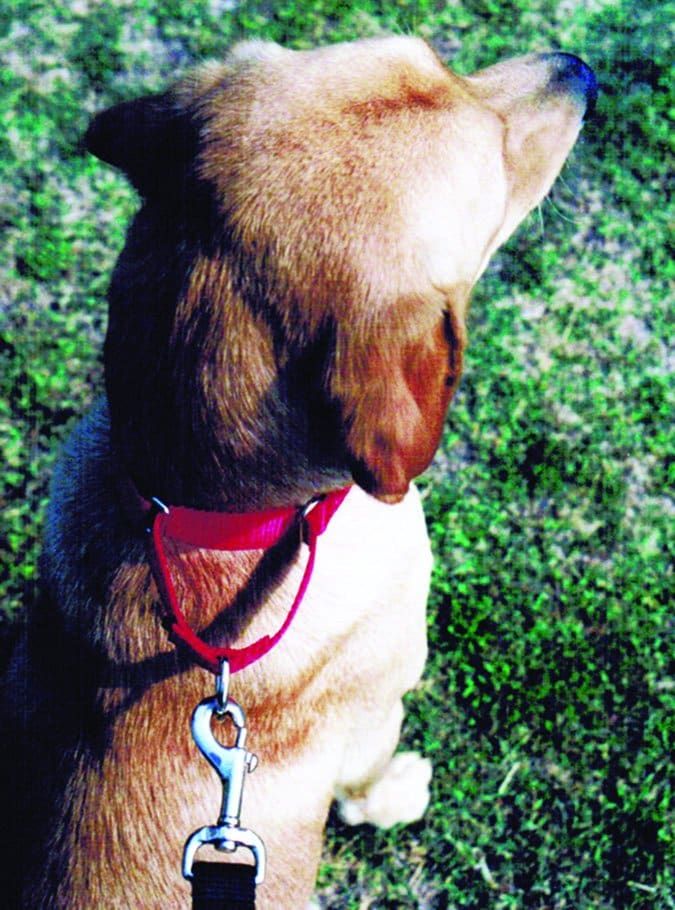
Martingale collars are good for puppies with narrow heads. These collars tighten slightly when your puppy pulls. This helps prevent slipping out of the collar. Martingales provide gentle control without choking. They are popular for training and walks. Many trainers recommend them for safe handling.
Harness Alternatives
Harnesses are a safe alternative to collars. They spread pressure across the puppy’s body. This avoids strain on the neck and throat. Harnesses come in different styles and sizes. They are great for puppies that pull a lot. Some harnesses include extra padding for comfort.
Top Collar Picks
Choosing the right collar for your puppy is important for safety and comfort. Puppies grow fast and need collars that fit well and feel soft. A good collar helps with training and makes walks easier.
Here are some top collar picks that suit different needs. Each one is tested for quality and puppy comfort.
Best Overall Collar
This collar fits puppies of all sizes and shapes. It is strong but light. Made from soft nylon, it does not irritate the skin. The buckle is easy to open and close. It has a ring for attaching ID tags and leashes. This collar stays secure during playtime and walks.
Best Budget Option
This collar offers great value at a low price. It is simple but durable. Made from sturdy polyester, it holds up well. The adjustable strap grows with your puppy. The plastic buckle is safe and quick to use. This collar works well for everyday use without breaking the bank.
Best For Sensitive Skin
Some puppies have delicate or allergic skin. This collar is made from soft, hypoallergenic materials. It reduces itching and redness. The fabric is breathable and gentle. The collar is lightweight and flexible. It keeps your puppy comfortable during long wear. Perfect for puppies with skin issues.

Credit: perfect-fit-dog-harness.com
Maintenance Tips
Proper care keeps your puppy’s collar safe and comfortable. Good maintenance helps the collar last longer and stay clean. It also protects your puppy’s skin from irritation and infections.
Cleaning Instructions
Remove the collar before cleaning. Use warm water and mild soap for washing. Scrub gently with a soft brush to remove dirt. Rinse well to remove all soap. Let the collar air dry completely before putting it back on.
When To Replace
Replace the collar if it becomes too tight or loose. Check if the collar has lost its shape or color. Change it if the buckle or clasp breaks. A worn-out collar can be unsafe for your puppy.
Checking For Wear
Look for frayed edges or torn fabric. Check metal parts for rust or damage. Make sure the collar fits snugly but not too tight. Regular checks prevent accidents and keep your puppy comfortable.
Frequently Asked Questions
What Size Collar Is Best For Puppies?
Choose a collar that fits snugly but allows two fingers between collar and neck. Adjustable collars grow with your puppy.
How To Choose A Safe Puppy Collar?
Look for lightweight, durable materials with secure buckles. Avoid collars with sharp edges or heavy tags to prevent injury.
When Should Puppies Start Wearing Collars?
Puppies can wear collars from 8 weeks old. Early introduction helps them get used to wearing it comfortably.
Can Puppy Collars Help With Training?
Yes, collars aid leash training and identification. Use positive reinforcement and choose collars designed for training purposes.
Conclusion
Choosing the best dog collar for puppies helps keep them safe and comfortable. A good collar fits well and does not hurt your puppy’s neck. Soft materials and adjustable straps work best for growing pups. Always check the collar for signs of wear or tightness.
A well-chosen collar makes training easier and walks more fun. Take your time picking the right one. Your puppy will thank you with happy wagging tails. Safe, snug, and simple—that’s the key to a great puppy collar.


