

If your dog struggles with allergies, finding the right chew can feel like a challenge. You want something safe, tasty, and soothing—without triggering those pesky reactions.
Choosing the best dog chew for allergies isn’t just about keeping your pet happy; it’s about protecting their health and comfort every day. Keep reading, and you’ll discover simple, effective options that can make a real difference for your furry friend.
Causes Of Dog Allergies
Dog allergies cause discomfort and health issues in pets. Understanding what triggers allergies helps in managing them well. Allergies happen when a dog’s immune system reacts to harmless substances. These substances are called allergens. Identifying allergens can improve your dog’s quality of life.
Common Allergens
Many things cause allergies in dogs. Pollen from trees, grass, and weeds often triggers allergies. Dust mites and mold in the home are common indoor allergens. Some dogs react to flea bites, which cause flea allergy dermatitis. Certain foods like beef, chicken, or dairy can also cause allergic reactions. Chemicals in cleaning products or shampoos may irritate sensitive dogs.
Symptoms To Watch For
Allergic dogs show clear signs. Itching and scratching are the most common symptoms. Red, inflamed skin appears in affected areas. Dogs may lick or chew their paws often. Ear infections and runny eyes also indicate allergies. Hair loss and hot spots can develop from constant scratching. Watch for sneezing or coughing too.

Credit: www.amazon.com
Choosing Safe Chews
Choosing safe chews for dogs with allergies is very important. Some chews can cause reactions and make your dog uncomfortable. Picking the right chew helps keep your dog happy and healthy.
Not all chews are safe for dogs with allergies. Knowing what to avoid and what materials work best helps you make better choices.
Ingredients To Avoid
Many dog chews contain common allergens. Wheat, soy, and corn often cause reactions. Artificial colors and flavors may trigger allergies too. Stay away from chews with these ingredients to protect your dog.
Some proteins cause problems. Beef, chicken, and dairy are common triggers. Choose chews with limited ingredients or novel proteins to reduce risk.
Hypoallergenic Materials
Hypoallergenic chews use safe materials that lower allergy chances. Ingredients like sweet potato, duck, or venison work well. These are less likely to cause reactions.
Look for chews made with natural and simple ingredients. Avoid chemicals and preservatives. These choices support your dog’s health and comfort.
Top Soothing Chew Types
Choosing the right chew for dogs with allergies is important. Soothing chews calm your dog’s mouth and reduce irritation. These chews avoid common allergens and support dental health. Here are the top soothing chew types that help sensitive pups stay happy.
Natural Rawhide Alternatives
Many dogs love rawhide, but it can cause allergies. Natural rawhide alternatives use safer ingredients. They are gentle on the stomach and free from harsh chemicals. These chews keep teeth clean without triggering reactions. Look for options made from yak milk or sweet potatoes.
Vegetable-based Chews
Vegetable-based chews are made from plants, not animal products. They are easy to digest and less likely to cause allergies. These chews often contain vitamins and minerals for added health benefits. They come in various shapes and flavors to keep dogs interested.
Freeze-dried Options
Freeze-dried chews keep natural nutrients intact. They are lightweight and have a crunchy texture dogs enjoy. These chews contain no artificial preservatives or fillers. Ideal for dogs with sensitive stomachs or food allergies. Common freeze-dried treats include liver, fish, and chicken.
Brand Recommendations
Choosing the right dog chew for allergies matters a lot for your pet’s health. Some brands focus on natural ingredients and avoid common allergens. These brands create safe and tasty options that help keep your dog happy and healthy. Below are trusted brand recommendations to guide your choice.
Veterinarian-approved Picks
These dog chews have been tested and recommended by vets. They use hypoallergenic ingredients like sweet potatoes, chicken, or limited proteins. Brands such as Zuke’s and Blue Buffalo offer products designed to reduce allergic reactions. Vets trust these chews for their safety and nutrition. They often avoid artificial colors, flavors, or preservatives.
Customer Favorites
Many pet owners praise brands like Greenies and Wellness for allergy-friendly chews. These products get high ratings for taste and effectiveness. Customers report fewer allergy symptoms after switching. They appreciate the natural ingredients and good texture. These brands balance quality and affordability, making them popular choices.
Tips For Introducing New Chews
Introducing new chews to a dog with allergies requires care and patience. Sudden changes may cause discomfort or trigger allergic reactions. A smooth introduction helps your dog adjust without stress. Follow clear steps to ensure safety and comfort.
Monitoring Allergic Reactions
Watch your dog closely after giving a new chew. Look for signs like itching, redness, or swelling. Check for vomiting or diarrhea as well. If any symptoms appear, stop the chew immediately. Contact your vet for advice. Early detection helps prevent serious problems.
Gradual Transition Methods
Start by mixing a small piece of the new chew with the old one. Increase the new chew amount slowly over several days. This helps your dog’s digestive system adjust. Observe your dog’s behavior and health during this time. A slow change reduces the risk of allergies.
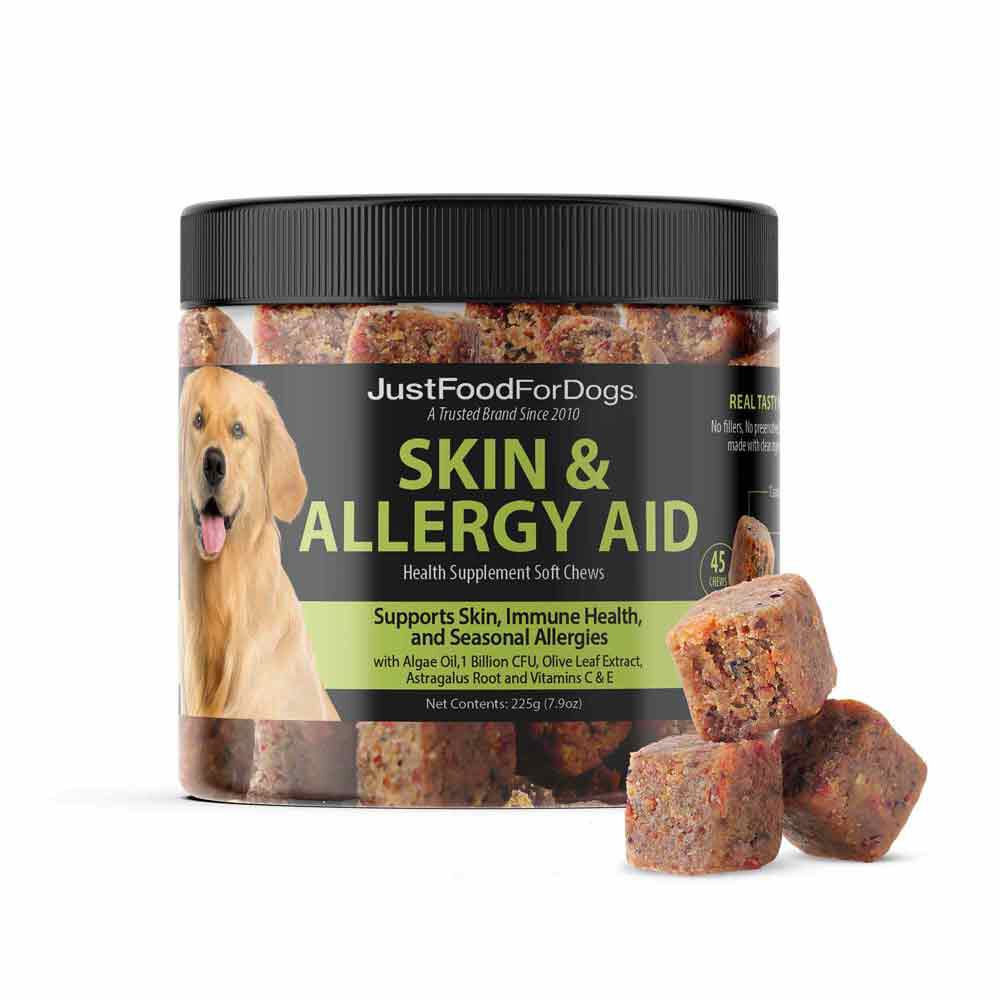
Credit: www.justfoodfordogs.com
Diy Soothing Chews
DIY soothing chews offer a gentle way to help dogs with allergies. These homemade treats can calm irritation and support skin health. Making chews at home lets you control ingredients and avoid allergens. This approach is simple, safe, and cost-effective.
Simple Homemade Recipes
Mix 1 cup of cooked sweet potato with 1/2 cup of oat flour. Add 1 tablespoon of coconut oil for moisture. Shape into small bites and bake at 300°F for 20 minutes. Let cool before giving to your dog.
Another recipe uses mashed banana and plain yogurt. Combine 1 ripe banana with 1/4 cup yogurt and 1/4 cup rice flour. Form into small balls and freeze. These chilled treats soothe itchy mouths and throats.
Safe Ingredients List
- Sweet potato: rich in vitamins and gentle on the stomach
- Oat flour: helps reduce inflammation and is grain-free
- Coconut oil: supports skin health and boosts immunity
- Banana: contains antioxidants and soothes irritation
- Plain yogurt: offers probiotics for gut health
- Rice flour: a mild, hypoallergenic binder
Always avoid artificial additives, wheat, corn, and soy. Check with your vet before introducing new foods. Homemade chews can ease allergy symptoms safely and naturally.
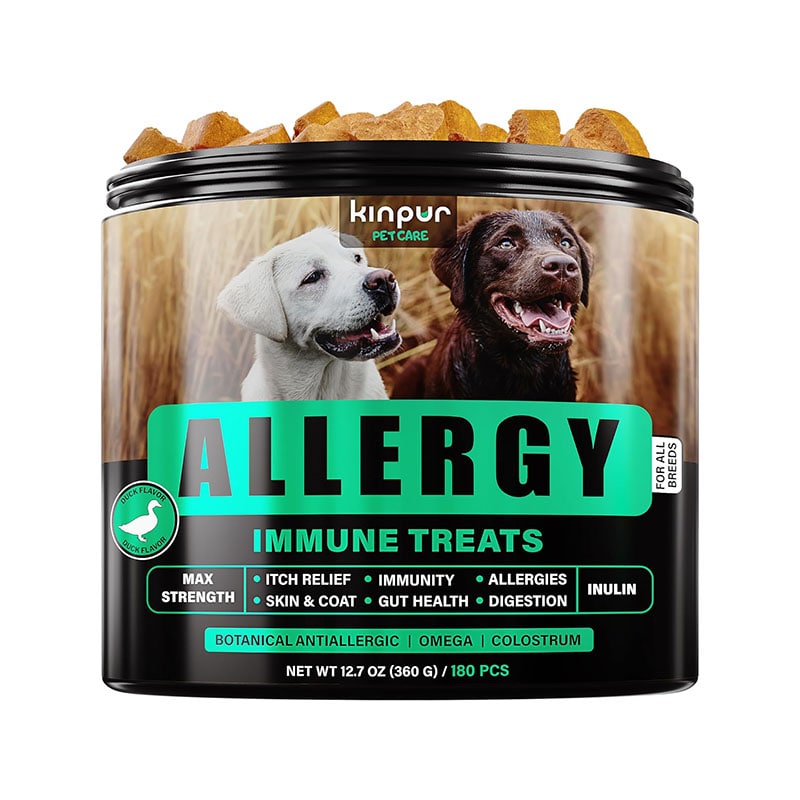
Credit: kinpurpetcare.com
Frequently Asked Questions
What Are The Best Dog Chews For Allergies?
Hypoallergenic dog chews made from limited ingredients reduce allergy risks. Look for grain-free, natural, and single-protein options to avoid common allergens. Always check ingredient labels carefully.
Can Dog Chews Worsen My Pet’s Allergies?
Yes, some chews contain allergens like wheat, soy, or artificial additives. These can trigger reactions. Choose chews made for sensitive dogs to prevent flare-ups.
Are Natural Dog Chews Better For Allergic Dogs?
Natural chews are often safer as they avoid synthetic chemicals and fillers. They reduce exposure to allergens and irritants, supporting sensitive skin and digestion.
How To Choose A Hypoallergenic Dog Chew?
Pick chews with limited, recognizable ingredients. Avoid common allergens such as beef, chicken, and grains. Consult your vet for personalized recommendations.
Conclusion
Choosing the right dog chew helps manage allergy symptoms well. Safe, natural ingredients reduce the chance of reactions. Regular chewing keeps your dog happy and healthy. Always check labels for allergens before buying any chew. Consult your vet if unsure about the best option.
Your dog deserves treats that support their health. Simple care can make a big difference in comfort. Healthy chews mean fewer allergy problems and more joy. Keep your dog’s needs in mind every time you shop. Small steps lead to a happier, itch-free pet.


