If you have a child with autism, you know how important it is to find support that truly makes a difference. A loving dog can be more than just a pet—they can become a friend, a comfort, and a source of joy for your child.
But not all dogs are the same. Choosing the right breed can help your child feel safe, calm, and happy. You’ll discover the best dog breeds for kids with autism, so you can find the perfect companion to brighten your family’s life.
Keep reading to learn which dogs offer the most comfort, patience, and love for your unique needs.

Credit: www.countryliving.com
Traits That Suit Kids With Autism
Choosing the right dog for a child with autism means focusing on special traits. These traits help create a safe and happy connection. Dogs with the right qualities can offer comfort, support, and friendship. Understanding these traits helps parents find the best match for their child’s needs.
Calm Temperament
A calm dog helps reduce stress and anxiety. Quiet and steady dogs do not startle children. They provide a peaceful presence during overwhelming moments. Calm dogs stay relaxed even in busy or loud places. This trait helps children feel safe and secure.
Affectionate Nature
Dogs that enjoy gentle touch and closeness build strong bonds. Affectionate dogs offer warmth and comfort without being too demanding. Their loving nature helps children feel accepted and cared for. This connection supports emotional growth and trust.
Easy Trainability
Dogs that learn commands quickly suit families better. Simple training helps children and parents communicate with the dog. Easy trainability means the dog can follow rules and routines. This makes daily life smoother and safer for everyone.
Low Sensory Sensitivity
Dogs with low sensory sensitivity do not react strongly to noise or touch. They remain calm around sudden sounds or movements. This trait prevents the dog from becoming scared or aggressive. It also helps children stay calm and focused.
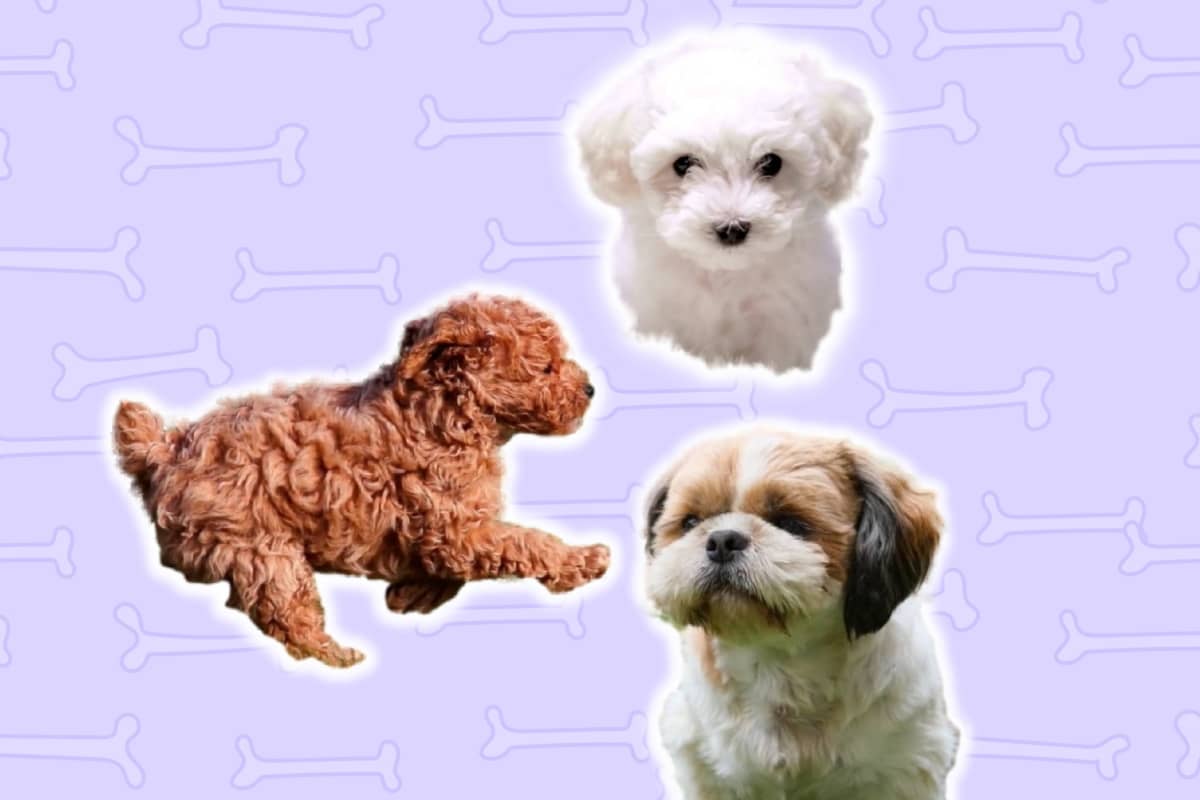
Credit: www.scala-santa.com
Top Dog Breeds For Autism Support
Choosing the right dog breed can make a big difference for children with autism. Certain breeds offer calmness, patience, and gentle behavior. These traits help kids feel safe and supported. The following breeds are known for their ability to connect well with children who have autism.
Labrador Retriever
Labradors are friendly and loyal dogs. They have a calm nature and enjoy being around children. Their gentle temperament helps reduce anxiety. Labradors are easy to train, making them great companions for kids with autism.
Golden Retriever
Golden Retrievers are loving and patient. They respond well to children’s emotions. Their soft fur and warm presence bring comfort. These dogs are reliable and enjoy helping their families.
Cavalier King Charles Spaniel
This small breed is gentle and affectionate. Cavaliers are good at sensing feelings. Their quiet and calm behavior suits kids who need a soothing friend. They enjoy close contact and cuddles.
Poodle
Poodles are smart and easy to train. They come in different sizes to fit any home. Their hypoallergenic coat helps children with allergies. Poodles are playful but also calm when needed.
Beagle
Beagles are friendly and curious dogs. They enjoy social interaction and playtime. Their small size and gentle nature make them good for families. Beagles can help children build social skills.
Border Collie
Border Collies are intelligent and attentive. They quickly learn commands and routines. These dogs enjoy activities that engage their minds. Their focus helps children stay calm and organized.
How Dogs Help Autism Therapy
Dogs play a special role in autism therapy. They offer comfort and support to children with autism. Their presence can make a big difference in daily life. Dogs help reduce stress and build new skills. Their calm and friendly nature creates a safe space for kids. Let’s explore how dogs help in autism therapy.
Reducing Anxiety
Many children with autism feel anxious and overwhelmed. Dogs provide a calming effect through touch and presence. Petting a dog lowers stress hormones in the body. This helps kids feel safer and more relaxed. A calm dog can soothe nerves during tough moments.
Enhancing Social Skills
Dogs encourage children to interact and connect with others. Playing with a dog can boost confidence in social settings. Dogs act as a bridge to start conversations and make friends. Kids learn to read emotions by watching their dog’s behavior. This practice helps improve social understanding.
Encouraging Routine
Dogs need regular care, which creates a daily routine for kids. Feeding, walking, and grooming provide structure and responsibility. Routines help children with autism feel secure and organized. Caring for a dog teaches planning and time management skills.
Improving Communication
Dogs respond to simple commands and gestures, encouraging speech. Children practice words and sounds to communicate with their dog. This interaction builds language skills and confidence. Dogs listen without judgment, making communication easier and fun.
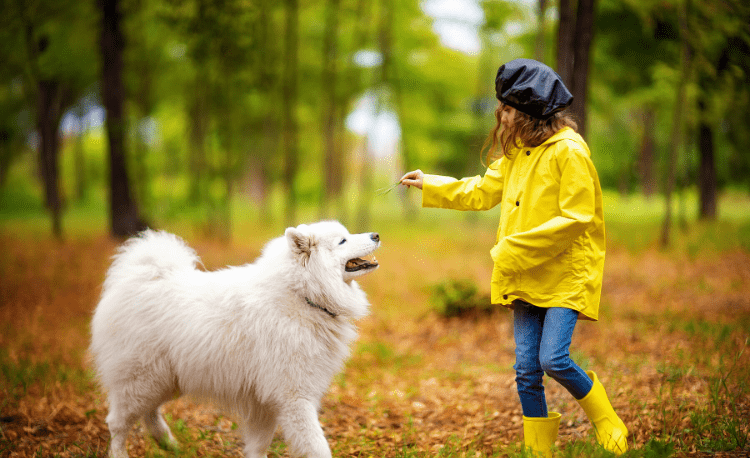
Credit: www.angelsense.com
Choosing The Right Dog For Your Family
Choosing the right dog for your family is an important step. The right dog can bring comfort, joy, and support to a child with autism. Not all dogs fit every family’s needs. Careful thought helps match the dog’s traits with your child’s needs and lifestyle.
Assessing Your Child’s Needs
Consider your child’s behavior, sensitivities, and comfort with animals. Some children prefer calm, gentle dogs. Others may enjoy playful and active pets. Note any allergies or fears your child has. Understanding these factors helps pick a dog that fits well with your child’s personality and needs.
Considering Dog Size And Energy
Small or medium dogs often suit children with autism. They are easier to handle and less intimidating. Energy level matters too. Low-energy dogs can be calming and less overwhelming. High-energy dogs need more exercise and playtime. Choose a dog whose energy matches your family’s daily routine.
Evaluating Grooming And Care
Some dogs need daily grooming. Others require minimal care. Long-haired dogs may shed more and need brushing. Short-haired dogs often need less grooming. Consider how much time your family can spend on care. A dog with simple grooming needs can be easier to manage.
Adoption Vs. Breeder Options
Adoption gives a chance to save a dog’s life. Shelters often have many dogs with calm temperaments. Breeders can offer specific breeds with known traits. Each choice has pros and cons. Visit shelters and breeders to meet dogs. Choose a dog with a good temperament for your family.
Training Tips For Autism-friendly Dogs
Training a dog to be autism-friendly takes special care. It helps the dog understand the needs of a child with autism. The right training creates a strong bond and a safe space. Training should be gentle, clear, and consistent. This makes the dog calm and reliable around the child.
Positive Reinforcement
Use treats and praise to reward good behavior. This teaches the dog what is right. Rewards help the dog feel happy and eager to learn. Avoid punishment. It can make the dog scared or confused. Keep training fun and positive for the best results.
Consistency And Patience
Repeat commands and routines every day. Dogs learn better with steady practice. Be patient as the dog learns new skills. Some dogs take longer to understand. Stay calm and keep training sessions short and regular. This builds trust and confidence in the dog.
Socialization Strategies
Expose the dog to different people and places slowly. This helps the dog stay calm in new situations. Introduce the dog to gentle children and safe environments. Watch the dog’s reactions and adjust training as needed. Socialization reduces fear and helps the dog behave well around others.
Involving The Child In Training
Let the child take part in simple training tasks. It can improve the child’s confidence and connection with the dog. Show the child how to give commands and rewards. Keep instructions easy and clear for the child. This teamwork supports both the child and the dog.
Maintaining A Healthy Bond
Maintaining a healthy bond between kids with autism and their dogs is essential. This bond builds trust and comfort. Both the child and dog benefit from strong, positive connections. Care, attention, and understanding are key.
Regular Exercise Together
Exercise helps both the dog and child stay active and happy. Walking or playing outside creates fun moments. These activities reduce stress and improve mood. Regular exercise also strengthens their relationship over time.
Routine Vet Care
Keeping the dog healthy is very important. Regular vet visits prevent illness and keep vaccinations up to date. A healthy dog behaves better and feels better. This supports a calm and safe environment for the child.
Safe And Calm Environment
A quiet, calm space helps the dog and child relax. Avoid loud noises or sudden movements that cause stress. A peaceful home encourages trust and comfort. Both feel safer and more connected in such an environment.
Recognizing Stress Signals
Both kids and dogs show signs of stress differently. Watch for changes in behavior like restlessness or avoidance. Recognizing these signs early helps prevent problems. Understanding each other’s signals improves their bond and wellbeing.
Frequently Asked Questions
What Dog Breeds Are Best For Kids With Autism?
Labradors, Golden Retrievers, and Poodles are great choices. They are gentle, patient, and highly trainable, making them ideal companions for children with autism.
How Do Dogs Help Children With Autism?
Dogs offer emotional support, reduce anxiety, and improve social skills. Their presence encourages communication and provides comfort to children with autism.
Are Hypoallergenic Dogs Suitable For Autistic Kids?
Yes, hypoallergenic breeds like Poodles can be suitable. They minimize allergic reactions while providing the therapeutic benefits dogs offer.
What Traits Should A Dog Have For Autistic Children?
Look for calm, patient, and friendly dogs. They should be easy to train and comfortable around children to ensure safety and companionship.
Conclusion
Choosing the right dog breed can bring joy and comfort to kids with autism. Gentle, patient dogs often help children feel calm and safe. Dogs also encourage social skills and daily routines. Each child is different, so consider their needs carefully.
Spending time with a dog builds trust and friendship. A loving dog can become a true companion. This bond supports growth and happiness every day.