If you have an autistic child, you know how important it is to find the right support and comfort at home. A specially chosen dog can become more than just a pet—it can be a loyal friend and a source of calm for your child.
But with so many dog breeds out there, how do you pick the best one? You’ll discover the top dog breeds that are known to connect deeply with autistic children, offering companionship, patience, and gentle care. Keep reading to find the perfect furry friend who can make a real difference in your family’s life.
Benefits Of Dogs For Autistic Children
Dogs offer many benefits to autistic children. They provide comfort and help reduce anxiety. Dogs create a sense of calm and safety. These pets encourage positive behavior and improve well-being. Caring for a dog can also help children learn new skills. The bond between a child and a dog supports emotional and social growth.
Understanding these benefits helps families choose the right dog breed. A well-matched dog supports the child’s unique needs. Let’s explore the main benefits of dogs for autistic children.
Emotional Support
Dogs give constant emotional support to autistic children. They sense feelings and provide comfort during stress. Their presence can reduce feelings of loneliness. A dog’s calm nature helps lower anxiety levels. Children often feel safer with a dog nearby. This support builds confidence and emotional strength.
Improving Social Skills
Dogs help children practice social interaction. Playing with a dog encourages eye contact and communication. Dogs can serve as conversation starters with others. Children learn to read social cues through their dog. This improves friendships and social understanding. Dogs offer a gentle way to connect with people.
Routine And Responsibility
Caring for a dog creates a daily routine for children. Feeding, walking, and grooming teach responsibility. These tasks give a sense of purpose and achievement. A routine helps reduce stress and improve focus. Dogs encourage healthy habits and discipline. Responsibility with a pet builds life skills and independence.

Credit: www.countryliving.com
Qualities To Look For In A Support Dog
Choosing the right support dog for an autistic child requires attention to specific qualities. These traits ensure the dog can provide comfort, safety, and companionship. A good support dog must fit well with the child’s needs and lifestyle. Understanding key qualities helps find the best match.
Temperament
A calm and gentle temperament is essential for support dogs. They must remain patient during stressful moments. Friendly and affectionate behavior builds trust with the child. Dogs that stay relaxed around noise and sudden movements work best. Avoid overly shy or aggressive breeds.
Size And Energy Levels
The dog’s size should suit the child’s environment. Smaller dogs are easier to manage indoors and during travel. Energy levels must match the child’s activity. Too much energy can overwhelm, while too little can be dull. Balanced energy helps keep the child engaged without stress.
Trainability
Support dogs need to learn commands and tasks quickly. High trainability means they respond well to guidance. Consistent training builds good habits and safety skills. Dogs with eagerness to please usually perform better. This quality ensures the dog supports the child effectively.
Top Dog Breeds For Autistic Children
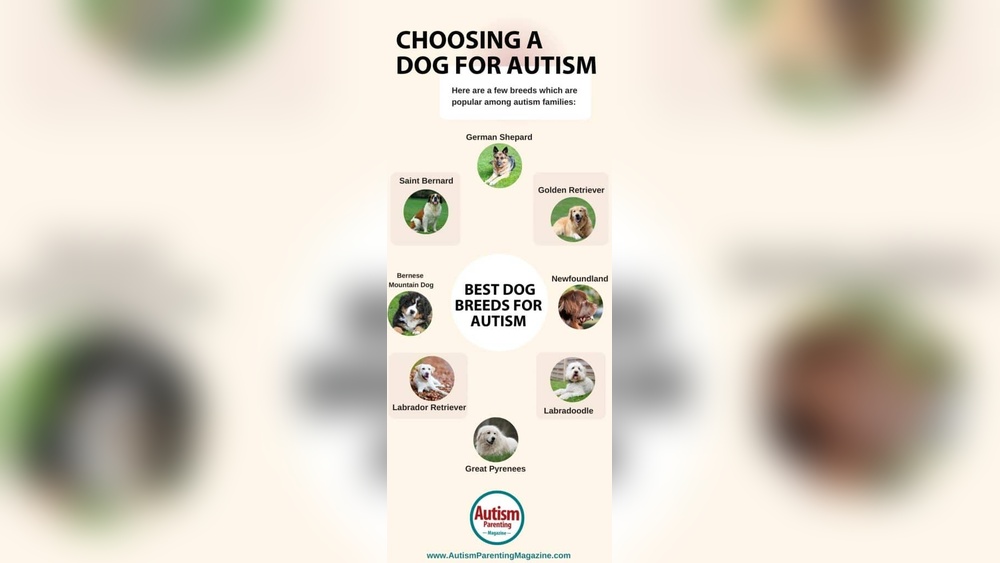
Choosing the right dog breed can make a big difference for autistic children. Dogs offer comfort, companionship, and support. Certain breeds have traits that help children feel calm and safe. These breeds are gentle, patient, and friendly. They enjoy being around kids and can adapt to different needs. Here are some of the best dog breeds for autistic children.
Golden Retriever
Golden Retrievers are calm and friendly dogs. They love to be around children and are very patient. Their gentle nature helps reduce stress and anxiety. These dogs are easy to train and respond well to commands. They provide steady companionship and emotional support.
Labrador Retriever
Labradors are playful and loyal dogs. They enjoy spending time with kids and are very gentle. Their friendly attitude helps children feel safe and happy. Labradors are smart and easy to teach new skills. They are great at sensing emotions and offering comfort.
Poodle
Poodles are smart and gentle dogs. They come in small, medium, and large sizes. Poodles are hypoallergenic, which means less chance of allergies. They are quick learners and love to please their owners. Their calm behavior helps create a peaceful environment.
Border Collie
Border Collies are very intelligent and energetic dogs. They enjoy activities and mental challenges. These dogs bond closely with their families. Their alertness helps them respond to children’s needs fast. They provide both companionship and mental stimulation.
Cavalier King Charles Spaniel
This breed is small and very affectionate. They love to cuddle and stay close to their owners. Cavaliers have a calm and gentle personality. They are great for children who need a quiet friend. Their loving nature brings comfort and joy.
Beagle
Beagles are friendly and curious dogs. They have a gentle temperament and enjoy playtime. Beagles are patient with children and easy to train. Their cheerful attitude helps lift spirits. They make loyal and loving companions.
Credit: www.angelsense.com
How To Choose The Right Dog
Choosing the right dog for an autistic child is an important step. The right dog can offer comfort, companionship, and support. It is important to think carefully about the family’s needs and the dog’s personality. This helps create a happy and safe environment for both the child and the dog.
Assessing Family Lifestyle
Consider how active your family is. Some dogs need lots of exercise and playtime. Others prefer quiet and calm spaces. Think about your daily routine and home size. A busy family might choose a dog that adapts well to noise and movement. A calm family may want a gentle dog that enjoys rest and soft interactions.
Meeting The Dog Before Adoption
Spend time with the dog before deciding. Watch how the dog reacts to the child. Notice if the dog stays calm or gets nervous. See if the dog enjoys being touched and played with. Meeting the dog helps you understand its true nature. This step reduces the chance of surprises after adoption.
Considering Professional Training
Many dogs benefit from training to support an autistic child. Professionals can teach the dog special skills and commands. Training helps the dog learn how to behave safely around the child. It also strengthens the bond between the dog and family. Well-trained dogs provide better support and comfort.
Tips For Integrating A Dog Into The Family
Bringing a dog into a family with an autistic child can be a joyful and supportive experience. The transition takes patience and care. Thoughtful steps ensure the dog fits well into daily life. These tips help create a smooth and positive integration.
Establishing Routines
Dogs thrive on consistent routines. Set regular times for feeding, walks, and play. This helps the dog feel secure and understand expectations. A steady schedule also benefits the child by providing predictable moments with the dog. Routine builds trust and comfort for both.
Supervised Interaction
Always watch interactions between the child and dog. Supervision keeps both safe and happy. It teaches gentle touch and respectful behavior. Careful guidance prevents misunderstandings or accidental harm. Supervised time allows the child to bond with the dog confidently.
Ongoing Training And Care
Regular training helps the dog learn commands and good manners. Keep sessions short and positive. Training reinforces the dog’s role in the family. Consistent care includes grooming, vet visits, and exercise. Healthy dogs provide better support and companionship.
Credit: www.scala-santa.com
Frequently Asked Questions
What Dog Breeds Are Best For Autistic Children?
Labradors, Golden Retrievers, and Poodles are ideal. They are gentle, patient, and highly trainable, which suits autistic children well. These breeds offer emotional support and help improve social skills through their friendly nature.
How Do Dogs Help Autistic Children Emotionally?
Dogs provide comfort and reduce anxiety. Their companionship encourages social interaction and emotional bonding. This support helps autistic children feel calmer and more secure, improving overall well-being and confidence.
Are Small Or Large Dogs Better For Autistic Kids?
Both sizes can work, but temperament matters more. Small dogs like Cavalier King Charles Spaniels are gentle and manageable. Large dogs like Labradors offer strong support and protection. Choose based on the child’s comfort and family lifestyle.
Can Therapy Dogs Improve Autistic Children’s Communication?
Yes, therapy dogs enhance communication skills. They motivate children to express feelings and practice social cues. Interaction with dogs often leads to improved speech and better understanding of emotions.
Conclusion
Choosing the right dog breed can bring joy and calm to an autistic child. Dogs offer comfort, friendship, and help build social skills. Gentle, patient breeds often work best for special needs. Each child is unique, so matching the dog’s personality matters.
A loving dog becomes a steady friend and support. Careful selection creates a happy bond for years. This connection helps children feel safe and understood. Dogs truly make a positive difference in many lives.