

Is your dog’s barking becoming a problem outside your home? You’re not alone.
Constant barking can disturb your peace and strain relationships with neighbors. But what if you could stop the noise without stress—for both you and your dog? Finding the best dog barking deterrent for outdoor use can be the key to a quieter, happier environment.
Keep reading, and you’ll discover simple, effective solutions that protect your yard and keep your dog calm. Your peaceful outdoor space is just a few steps away.
Common Causes Of Excessive Barking
Excessive barking can be frustrating for both dogs and owners. Understanding why dogs bark a lot helps find the right solution. Dogs use barking to communicate many things. Sometimes, the cause is clear. Other times, it needs careful observation.
Environmental Triggers
Many dogs bark due to sounds outside. Noises like sirens, cars, or people passing by can set off barking. Strange sights, such as other animals or strangers, also cause dogs to bark. Changes in weather, like thunderstorms or wind, may trigger barking. Some dogs bark to alert their owners about what they notice.
Behavioral Reasons
Dogs may bark because they feel bored or lonely. Lack of exercise or playtime leads to more barking. Some dogs bark to get attention or treats. Barking can also be a response to fear or anxiety. Training and socialization play a big role in controlling barking habits.
Health-related Issues
Pain or illness can cause a dog to bark more than usual. Hearing loss might confuse a dog, making it bark. Older dogs may bark due to cognitive decline. Sometimes, discomfort from injury or disease leads to vocalization. Regular vet check-ups help catch health problems early.
Types Of Outdoor Barking Deterrents
Outdoor dog barking deterrents come in different types. Each uses a unique way to reduce or stop barking. These tools help keep peace in your yard and neighborhood. Understanding these types helps choose the best fit for your needs.
Ultrasonic Devices
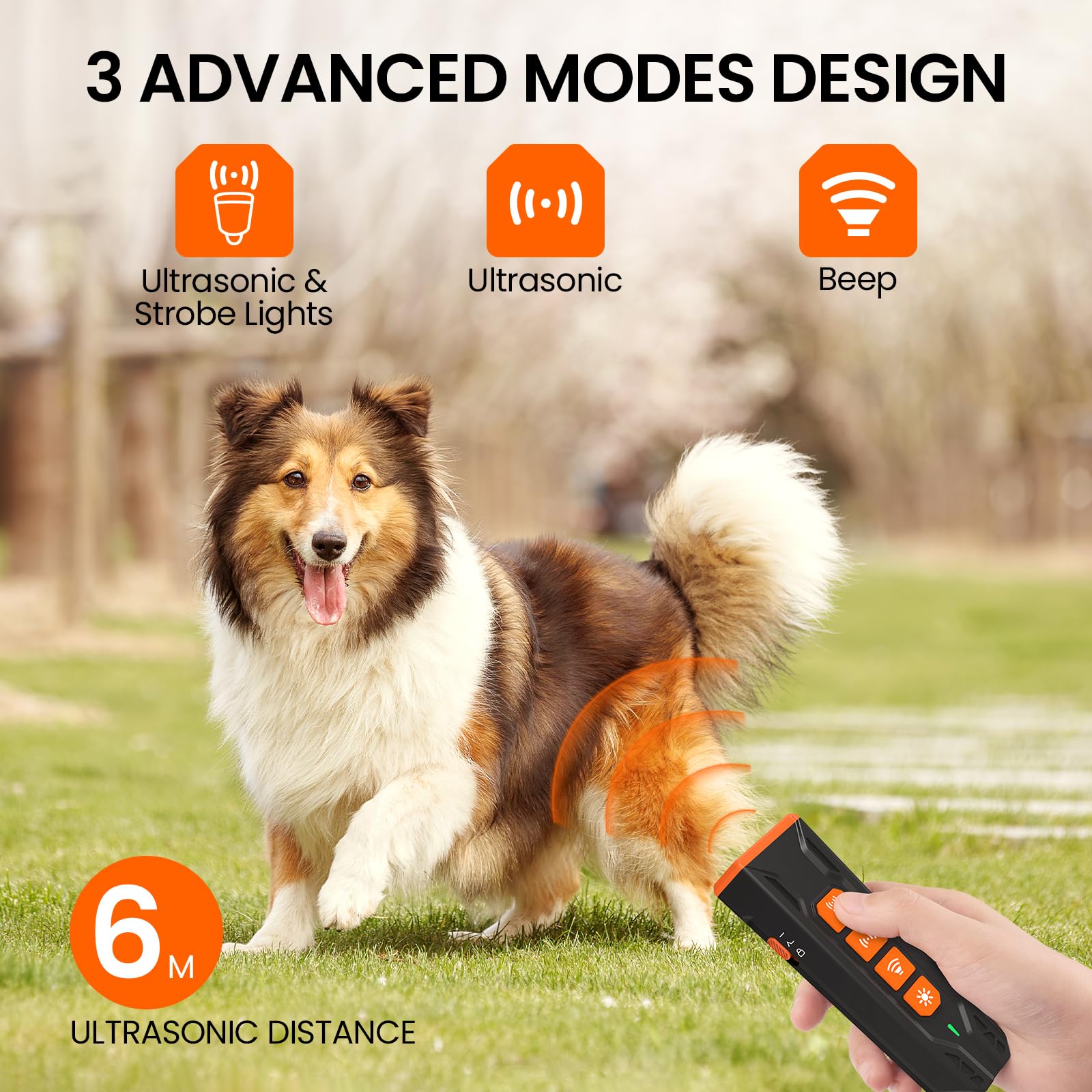
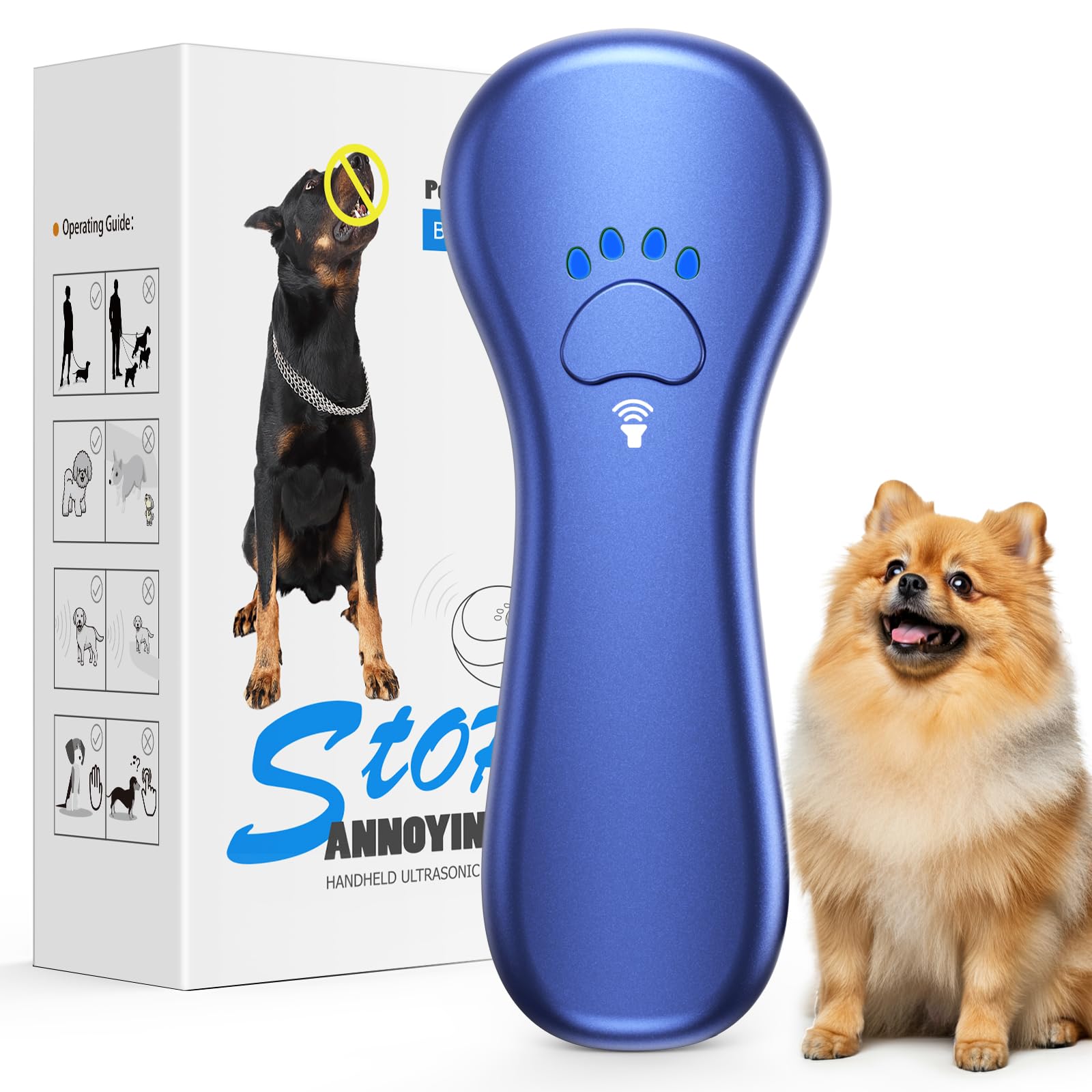
Ultrasonic devices send high-pitched sounds only dogs can hear. These sounds are unpleasant but safe. The noise stops dogs from barking without disturbing people. They work well for many dogs and are easy to use.
Spray-based Deterrents
Spray-based deterrents release a quick burst of water or scent. The spray surprises the dog and stops the barking. These tools often have sensors to detect barking automatically. They are gentle and do not harm the dog.
Sound-activated Tools
Sound-activated tools react directly to the dog’s bark. They play a noise or vibration that distracts the dog. These tools train dogs to reduce barking over time. They are useful for dogs that bark frequently.
Physical Barriers
Physical barriers limit the dog’s view or access to triggers. Fences, hedges, and walls can reduce barking by blocking sights. Barriers create a calm space for the dog outdoors. They work well combined with other deterrents.
Choosing The Right Deterrent
Choosing the right outdoor dog barking deterrent is important for success. Each dog reacts differently to sounds, sprays, or devices. The wrong choice may cause stress or no change in behavior. Consider your dog’s needs and your outdoor space before buying. This helps find a safe, effective solution.
Assessing Your Dog’s Behavior
Watch how your dog barks. Does barking happen with strangers, noises, or all the time? Some dogs bark out of fear, others from boredom. Knowing why your dog barks helps pick the right deterrent. Gentle methods suit nervous dogs. Active dogs might need more attention and exercise.
Considering Your Outdoor Environment
Think about your yard size and layout. Large yards may need devices with wide coverage. Small spaces could use simple deterrents like ultrasonic sounds. Consider neighbors too. Choose quiet options if noise could disturb them. Weather matters as well. Pick durable products that resist rain and sun.
Safety And Humane Considerations
Choose deterrents that do not harm your dog. Avoid harsh shocks or sprays that cause pain. Humane options teach without fear. Devices that use sound or vibration are safe and kind. Always follow instructions carefully. Your dog’s safety and comfort come first.
Credit: trexhouston.com
Top Effective Outdoor Deterrents
Stopping dogs from barking too much outside helps keep peace. Outdoor barking deterrents work by stopping the noise before it gets loud. These devices protect your yard and keep neighbors happy. Choose one that fits your dog’s size and behavior.
Ultrasonic Bark Control Devices
Ultrasonic devices send high-pitched sounds only dogs hear. The sound distracts dogs and stops their barking. These devices are safe and do not hurt pets. They activate when barking starts, making them effective and quiet for people. Easy to install in the yard.
Motion-activated Sprinklers
Motion sprinklers spray water when dogs come near. The sudden spray surprises dogs and stops barking. It also keeps pets away from restricted areas. This method uses no sound and is safe for animals. Good for yards with many plants or open spaces.
Anti-bark Collars For Outdoors
Anti-bark collars detect barking and give a small correction. Some use vibration or sound to stop the noise. Designed for outdoor use, they resist weather and dirt. Collars must fit well and be comfortable for the dog. Helps train dogs to bark less over time.
Sound Emitters With Adjustable Settings
Sound emitters play different noises to stop barking. Settings let you change volume and type of sound. This flexibility suits different dog breeds and sizes. Emitters cover large outdoor areas easily. They can be programmed to activate only when needed.
Diy Solutions For Barking Control
Controlling dog barking outdoors can be simple and cost-effective with DIY solutions. These methods focus on reducing noise without harsh tools. You can create a calm environment using natural ideas and training. These solutions work well for many dog owners.
Natural Repellents
Natural repellents help keep dogs quiet by using scents they dislike. Citrus peels, vinegar, or peppermint oil can be spread around the yard. These smells discourage dogs from barking loudly. They are safe and easy to apply. Change the spots often to keep the smell fresh and effective.
Training Techniques
Training teaches dogs when to bark and when to stay calm. Use simple commands like “quiet” or “stop” during barking episodes. Reward your dog with treats or praise when it obeys. Practice regularly for better results. Patience is key. Avoid yelling or punishment, which can make barking worse.
Creating Visual Barriers
Visual barriers block a dog’s view of passing people or animals. Use fences, bushes, or screens around the yard. This reduces triggers that cause barking. Barriers help dogs feel safer and calmer outside. Choose plants or materials that suit your space and budget. Keep the barriers well maintained for lasting effect.

Credit: ortopalma.com
Tips For Long-term Barking Reduction
Reducing dog barking over the long term requires patience and steady effort. Quick fixes rarely solve the problem. A thoughtful plan helps keep your dog calm and happy. This section shares key tips to lower barking outside your home.
Consistent Training Approaches
Use the same commands every time your dog barks too much. Consistency helps dogs learn faster. Praise good quiet behavior. Avoid yelling or punishing harshly. Training sessions should be short but daily. Repetition builds habits that last.
Regular Exercise And Mental Stimulation
Dogs with lots of energy bark more often. Daily walks or playtime reduce stress and boredom. Toys that challenge the mind also help. Puzzle feeders or simple games keep dogs busy. A tired dog barks less and stays calm.
Monitoring And Adjusting Deterrents
Watch how your dog reacts to barking deterrents outdoors. Some dogs respond well, others need changes. Adjust volume or type of deterrent if needed. Avoid overusing devices that may scare your dog. Balance is key to effective long-term results.
Credit: www.rickandanns.com
Frequently Asked Questions
What Is The Best Outdoor Dog Barking Deterrent?
The best deterrents are ultrasonic devices that emit high-frequency sounds. They are safe, effective, and non-invasive for dogs. These devices discourage barking without causing harm, making them ideal for outdoor use. Choose one with adjustable settings for the best results.
How Do Ultrasonic Dog Barking Deterrents Work?
Ultrasonic deterrents emit sounds only dogs can hear. These sounds interrupt barking, making dogs stop. The noise is harmless and non-painful. Over time, dogs learn to associate barking with the unpleasant sound and reduce their barking behavior.
Are Outdoor Barking Deterrents Safe For Dogs?
Yes, most outdoor barking deterrents are safe. Ultrasonic devices use sound frequencies dogs hear but humans don’t. They do not cause pain or injury. Proper use following the manufacturer’s guidelines ensures safety. Always supervise to avoid overstimulation or stress.
Can Outdoor Deterrents Stop Barking Immediately?
Some deterrents provide immediate results, especially ultrasonic ones. Dogs usually stop barking when they hear the sound. However, consistent use and patience help reinforce the behavior change. Immediate silence may not always mean long-term success.
Conclusion
Choosing the right outdoor dog barking deterrent helps keep peace at home. It stops loud noises and makes neighbors happy. Simple tools work best and are easy to use. Consistency is key to help dogs learn quickly. Try different options to find what suits your dog.
Quiet outdoor spaces make everyone feel more relaxed. A calm dog means a calm home environment. Keep your dog safe and your yard peaceful. Small changes can bring big improvements in noise control.


