
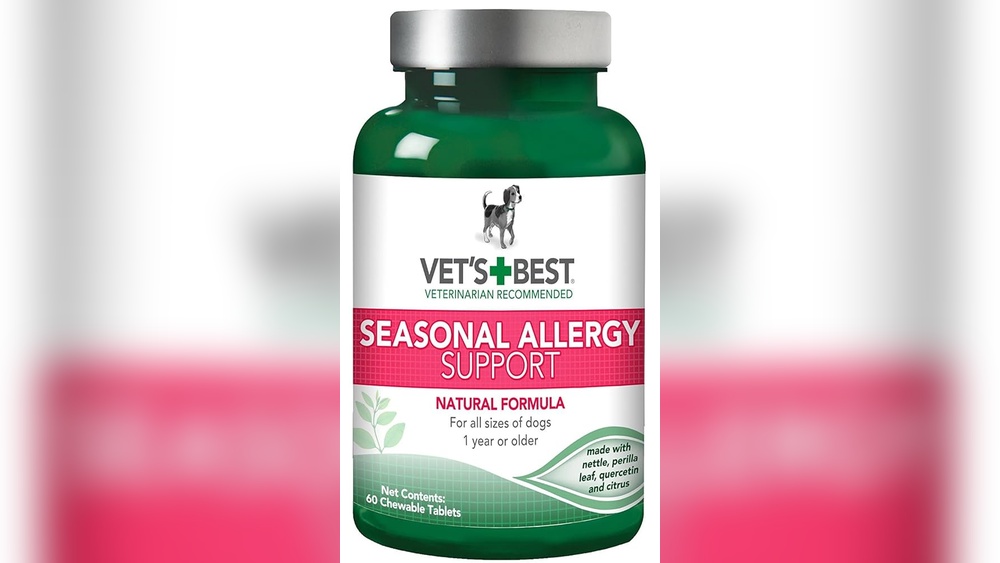
Is your dog constantly scratching, biting, or restless because of itchy skin? You want to help your furry friend feel comfortable again, but with so many options out there, it’s hard to know what really works.
Finding the best dog anti-itch supplement can make a huge difference in your pet’s happiness and health. You’ll discover effective solutions that can ease your dog’s discomfort quickly and safely. Keep reading to learn how to stop your dog’s itching for good and give them the relief they deserve.
Causes Of Dog Itching
Dogs often scratch or bite their skin due to many reasons. Understanding these causes helps in choosing the right anti-itch supplement. It also helps in knowing when to visit a vet for proper care.
Common Allergies
Allergies are a top cause of itching in dogs. Food allergies can make their skin red and itchy. Some dogs react to certain ingredients like chicken or beef. Skin allergies from pollen, dust, or mold are also common. These allergens cause inflammation and discomfort.
Parasites And Infections
Fleas, ticks, and mites are tiny parasites that bite dogs. Their bites cause intense itching and skin damage. Parasite infestations can lead to infections if left untreated. Bacterial or fungal infections also cause itchy patches. These infections may spread and worsen over time.
Environmental Triggers
Changes in weather can irritate a dog’s skin. Dry air in winter makes skin flaky and itchy. Hot weather can cause sweat and heat rash. Chemicals in cleaning products or lawn treatments irritate sensitive skin. Even some fabrics or shampoos can trigger itching.
Signs Your Dog Needs Relief
Dogs cannot tell us when they feel itchy or uncomfortable. Watching for signs helps catch problems early. Itchiness may affect their mood and health. Spotting signs early can bring relief fast.
Behavioral Changes
Your dog may scratch more than usual. Restlessness is common in itchy dogs. They might lick paws or bite skin often. Less play and more hiding can occur. These changes show discomfort and stress.
Skin And Coat Symptoms
Look for red, inflamed, or dry skin. Hair loss in patches is a warning sign. Scabs, sores, or bumps may appear on the skin. A dull or rough coat can mean irritation. These signs need attention and care.
When To Consult A Vet
If itching lasts more than a few days, see a vet. Open wounds or heavy hair loss require professional help. Sudden behavior changes with itching need a checkup. A vet can find causes and suggest treatment. Early care prevents more serious problems.
Top Ingredients In Anti-itch Supplements
Anti-itch supplements for dogs often contain specific ingredients known to help reduce skin irritation. These ingredients support skin health and calm itching. Understanding these key components can help pet owners choose the right product.
Omega Fatty Acids
Omega fatty acids, especially omega-3 and omega-6, are crucial for healthy skin. They help reduce inflammation and support the skin’s natural barrier. Fish oil and flaxseed oil are common sources of these fats in supplements. Regular intake can improve coat shine and lower itchiness.
Natural Herbs And Botanicals
Many supplements include natural herbs like chamomile, calendula, and licorice root. These plants have calming and anti-inflammatory properties. They soothe irritated skin and help reduce redness. Herbal ingredients provide gentle relief without harsh chemicals.
Vitamins And Minerals
Vitamins such as A, E, and B-complex play a vital role in skin repair. Minerals like zinc help boost the immune system and skin healing. These nutrients work together to keep the skin strong and less prone to itching. Balanced vitamins and minerals support overall dog health.
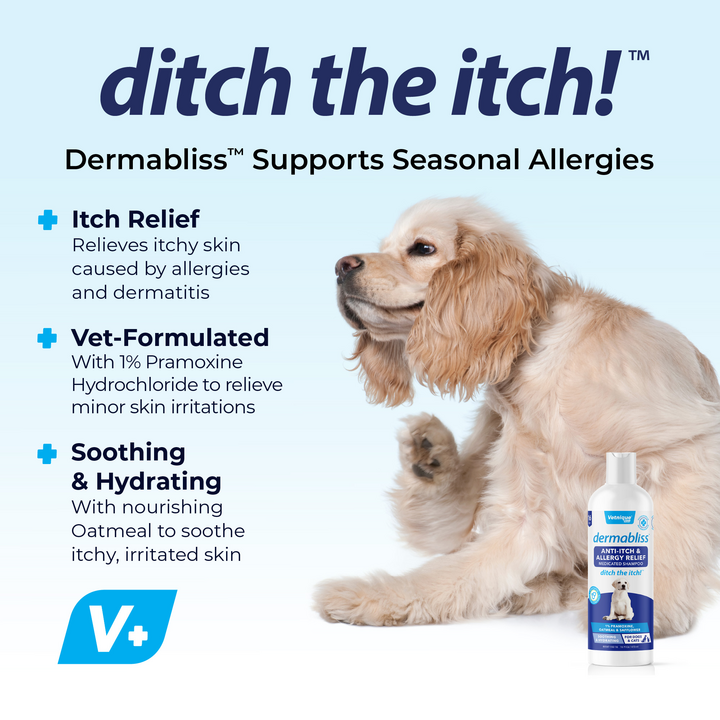
Credit: vetnique.com
Best Dog Anti-itch Supplements
Dogs can suffer from itchy skin for many reasons. Allergies, dry skin, or parasites often cause discomfort. The best dog anti-itch supplements help ease this problem. They support skin health and reduce itching. Choosing the right product can make your dog feel better fast.
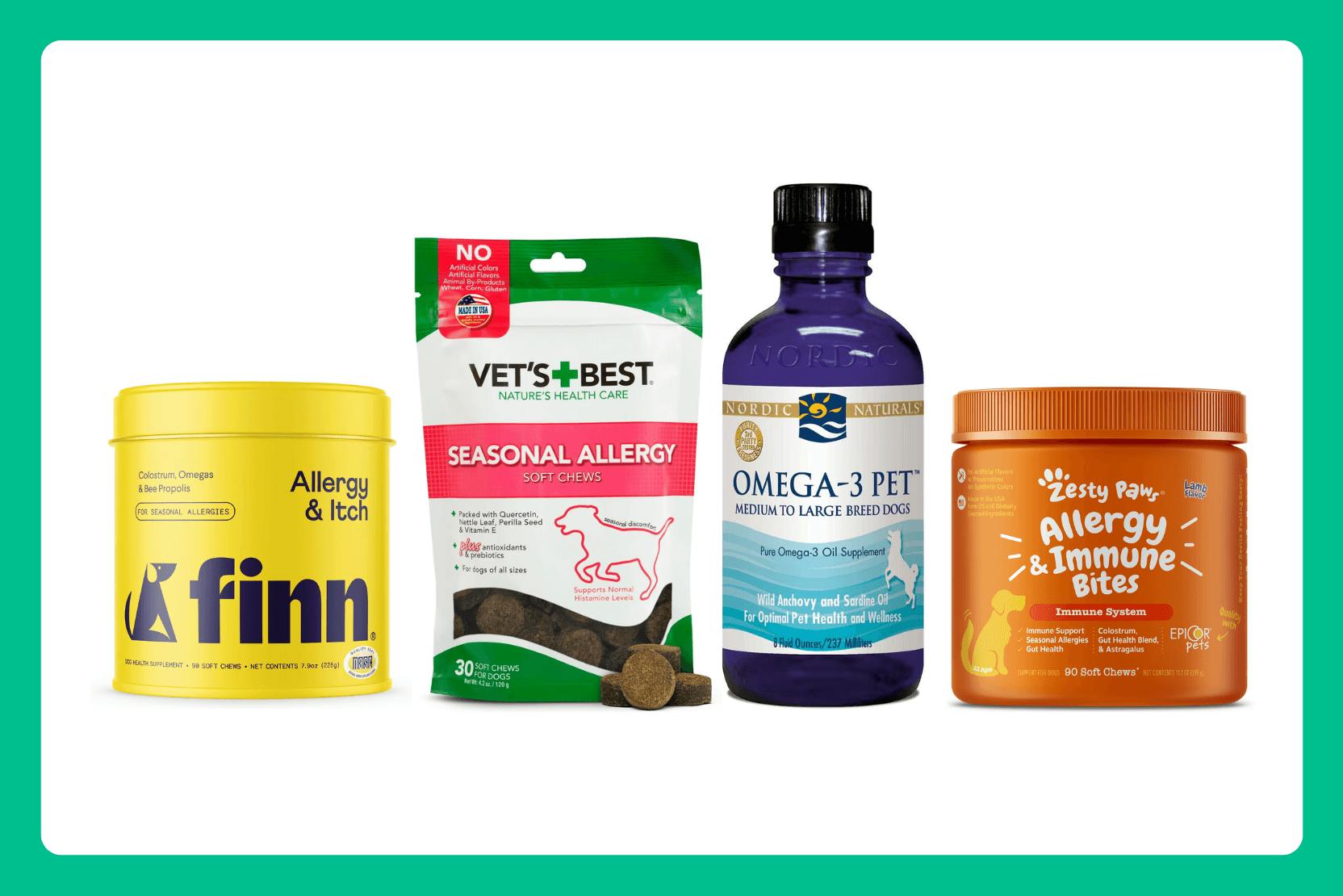
Highly Rated Products
Several anti-itch supplements stand out for their quality and results. Products with omega-3 fatty acids, like fish oil, are popular. These help reduce inflammation and improve skin moisture. Others include vitamins and herbs that calm irritation. Look for supplements with good reviews and clear ingredient lists.
Natural Vs. Medicinal Options
Natural supplements use ingredients from plants and fish oils. They often have fewer side effects and support overall health. Medicinal supplements may include antihistamines or steroids. These work faster but can cause side effects. Choose natural options for long-term care and medicinal ones for quick relief.
Choosing The Right Supplement
Consider your dog’s age, size, and health conditions. Check with your vet before starting any supplement. Look for products made for dogs, not humans. Read labels carefully to avoid allergens. Start with a small dose and watch your dog’s reaction. Consistent use brings the best results over time.
How To Administer Supplements
Administering anti-itch supplements to your dog is simple with the right steps. Proper use ensures your dog gets the full benefit. Follow clear instructions to keep your pet safe and comfortable. Always observe your dog’s reaction after giving supplements. This helps you understand how well the supplement works.
Dosage Guidelines
Always start with the recommended dose on the package. Dosage often depends on your dog’s weight and age. Use a measuring spoon or dropper for accuracy. Avoid giving more than suggested. Overdosing can cause side effects. Consult your vet for exact dosage advice.
Mixing With Food
Most dogs accept supplements mixed in their food. Choose a small amount of tasty food to hide the supplement. Wet food works better than dry food. Mix the supplement thoroughly so your dog gets the full dose. Watch your dog eat to make sure they finish it.
Monitoring Effects
Observe your dog daily for changes in itching or skin condition. Note any side effects like vomiting or diarrhea. Keep a journal of your dog’s behavior and symptoms. If symptoms worsen or new issues appear, contact your vet. Regular monitoring helps track the supplement’s success.
Additional Remedies For Instant Relief
Itching can make dogs very uncomfortable. Along with the best dog anti-itch supplement, other remedies help ease the discomfort fast. These additional steps work on the skin and environment to calm your pet.
Using topical treatments, proper bathing, and changing surroundings can give quick relief. These methods support the supplement’s effect and help your dog feel better soon.
Topical Treatments
Topical treatments provide direct relief to itchy spots. Creams and sprays with soothing ingredients reduce redness and irritation. Aloe vera and oatmeal-based products calm inflamed skin. Apply gently to avoid hurting your dog’s skin. Always check the label for safe ingredients.
Bathing And Grooming Tips
Regular baths keep your dog clean and reduce allergens. Use a mild shampoo made for sensitive skin. Avoid hot water as it can dry the skin more. Brushing removes loose fur and dirt that cause itching. Grooming also spreads natural oils that protect skin health.
Environmental Adjustments
Changing your dog’s environment can stop itch triggers. Keep bedding clean and wash it often. Use a vacuum regularly to remove dust and pet dander. Avoid places with pollen or harsh chemicals. A calm and clean space supports skin healing.
Preventing Future Itching
Preventing future itching in dogs helps them stay happy and healthy. It reduces discomfort and avoids skin problems. Taking steps to stop itching before it starts is important. Some simple changes can make a big difference. Focus on diet, vet care, and lifestyle to keep your dog itch-free.
Diet And Nutrition
A good diet supports healthy skin and coat. Feeding your dog high-quality food can reduce allergies. Omega-3 fatty acids help soothe irritated skin. Avoid foods that cause allergic reactions. Fresh water and balanced nutrients keep your dog strong. Supplements with vitamins and minerals can boost skin health.
Regular Vet Checkups
Visit the vet often to catch problems early. Vets can spot allergies or infections causing itching. They can recommend treatments to prevent flare-ups. Regular checkups help track your dog’s overall health. Early care means less itching and fewer skin issues.
Lifestyle Changes
Keep your dog’s environment clean and safe. Bathing with gentle shampoos removes irritants from fur. Avoid areas with many allergens like pollen or dust. Regular exercise keeps your dog healthy and reduces stress. Stress can cause itching, so calm activities help. Protect your dog from fleas and ticks with proper care.
Credit: wagwalking.com

Credit: www.amazon.com
Frequently Asked Questions
What Are The Top Ingredients In Dog Anti-itch Supplements?
The best dog anti-itch supplements often contain omega-3 fatty acids, probiotics, vitamins, and natural herbs. These ingredients help reduce inflammation and soothe irritated skin effectively.
How Long Do Anti-itch Supplements Take To Work?
Most dog anti-itch supplements show results within 2 to 4 weeks. Consistent daily use is essential for noticeable relief from itching and skin discomfort.
Are Dog Anti-itch Supplements Safe For All Breeds?
Yes, most anti-itch supplements are safe for all breeds when used as directed. However, consulting your vet before starting any supplement is recommended.
Can Supplements Replace Vet-prescribed Itch Treatments?
Supplements can support skin health but shouldn’t replace vet-prescribed treatments. Use them alongside professional advice for best results in managing itching.
Conclusion
Choosing the best dog anti-itch supplement helps your pet feel better fast. These supplements support skin health and reduce discomfort. Always check ingredients for safety and effectiveness. Consult your vet before starting any new supplement. Healthy skin means a happier, more active dog.
Regular care and the right product make a big difference. Your dog deserves comfort and relief from itching. Take action today to improve your dog’s quality of life. Simple steps lead to happier pets.


