Are you tired of dogs and cats digging up your garden or leaving unwanted messes in your yard? Finding the best dog and cat repellent for your yard can save you time, frustration, and protect your outdoor space.
Imagine enjoying your yard without worrying about pets disturbing your plants or lawn. You’ll discover effective, safe, and easy-to-use repellents that work. Keep reading to find the perfect solution to keep your yard pet-free and looking its best.
Types Of Repellents
Choosing the right dog and cat repellent for your yard depends on the type of repellent. Various options suit different needs and preferences. Some work by scent, others by sound or physical barriers. Understanding these types helps you pick the best one for your space.
Natural Repellents
Natural repellents use scents and plants that animals dislike. Common examples include citrus peels, vinegar, and coffee grounds. These are safe for pets and the environment. They need frequent reapplication, especially after rain. Many gardeners prefer natural options to avoid chemicals.
Chemical Repellents
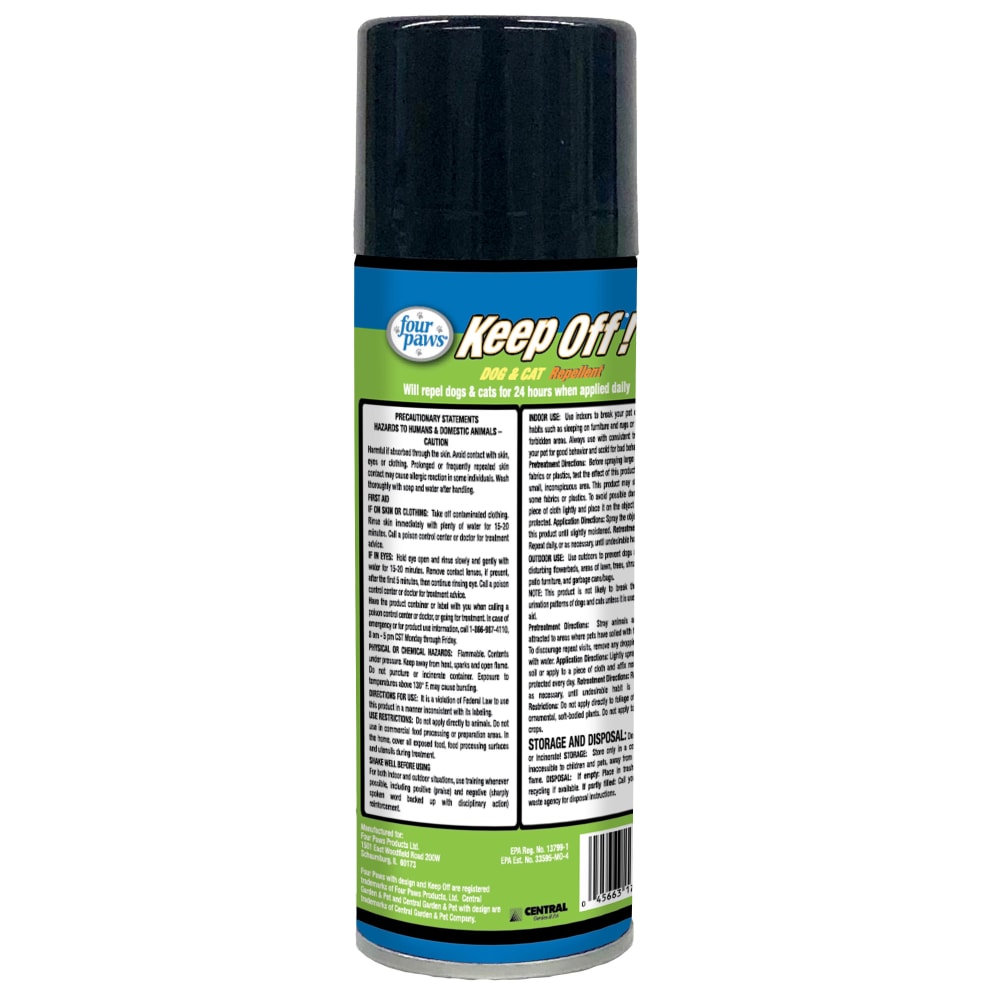
Chemical repellents contain substances that animals find unpleasant. They come in sprays, granules, or powders. These products often last longer than natural ones. Use them carefully to avoid harming pets or plants. Always read the label before applying in your yard.
Ultrasonic Devices
Ultrasonic devices emit high-frequency sounds that animals hear but humans do not. These sounds deter dogs and cats from entering your yard. Most devices activate only when motion is detected. They are safe and do not use chemicals. Some animals may get used to the sound over time.
Physical Barriers
Physical barriers block animals from entering or damaging your yard. Fences, netting, and spikes are popular choices. Barriers provide a clear boundary that animals cannot cross. They require installation but need little maintenance afterward. Physical barriers work well with other repellents for better results.
Credit: www.fourpaws.com
Choosing The Right Repellent
Choosing the right dog and cat repellent for your yard is important. It keeps your garden safe and clean. The right repellent stops pets without hurting them or the environment. Consider three key points to make a good choice.
Safety For Pets And Humans
Pick repellents that do not harm animals or people. Avoid harsh chemicals that can cause sickness. Natural ingredients often work well and are gentle. Check product labels for safety information before use. Keep children and pets away from treated areas until dry.
Effectiveness Against Dogs And Cats
Choose repellents designed specifically for both dogs and cats. Some products work better on one animal than the other. Look for repellents with proven results through reviews or tests. Spray, granules, and ultrasonic devices all have different effects. Test a small area first to see if it works.
Environmental Impact
Pick eco-friendly repellents that break down quickly in soil. Avoid chemicals that harm plants, insects, or water sources. Biodegradable options help protect your yard’s health. Using natural methods like certain plants can also repel pets. Protect the environment while keeping your yard pet-free.
Application Tips
Applying dog and cat repellents correctly helps protect your yard effectively. Small steps in placement and use can improve results. Follow simple tips to keep pets away without harm.
Proper Placement
Place repellents near areas pets visit often. Focus on garden beds, fences, and entry points. Avoid placing repellents where rain or sprinklers wash them away. Keep repellents away from edible plants. This helps maintain safety and effectiveness.
Frequency Of Use
Use repellents regularly for best results. Many products need reapplication after rain or watering. Check product instructions for timing details. Consistent use trains pets to avoid your yard. Do not overuse; follow recommended amounts carefully.
Combining Methods
Combine repellents with physical barriers like fences or netting. Use sound or motion devices for extra protection. Mix different repellent types to confuse pets. This approach increases success in keeping animals out. Variety prevents pets from getting used to one method.

Credit: www.amazon.com
Common Mistakes To Avoid
Keeping your yard safe from dogs and cats requires smart choices. Avoiding common mistakes can save time and effort. These errors can reduce how well repellents work. They may also harm pets, wildlife, or plants.
Overusing Chemicals
Using too many chemical repellents can cause problems. It may hurt pets and children playing outside. Chemicals can damage grass and plants. Follow instructions carefully and use the right amount. Natural options often work well and are safer.
Ignoring Local Wildlife
Some repellents may affect birds, squirrels, or other animals nearby. Protecting your yard should not harm wildlife. Choose products that target only dogs and cats. Learn about the animals in your area. This helps pick the best repellent for your yard.
Neglecting Maintenance
Repellents lose power over time without upkeep. Rain and sun can wash away sprays or powders. Check your yard often and reapply repellents as needed. Clean the area from pet waste and debris. Regular care keeps your yard protected longer.
Additional Yard Protection Strategies
Protecting your yard from unwanted dogs and cats takes more than just repellents. Combining different methods improves your chances of keeping your garden safe and clean. Simple changes and community efforts make a big difference.
Landscaping Choices
Choose plants that animals dislike. Thorny bushes or prickly plants create natural barriers. Gravel or mulch can deter digging. Avoid soft soil or sandy areas where pets like to dig or rest. Raised garden beds also keep plants out of reach.
Training And Behavior Modification
Teach pets to stay out of certain areas. Use clear commands and rewards for good behavior. Consistent training helps dogs learn boundaries. For cats, create alternative outdoor spaces with toys and scratching posts. Patience is key for lasting results.
Community Involvement
Talk to neighbors about yard protection. Share tips and agree on common rules. A neighborhood watch can reduce stray animals. Local animal control can help with persistent problems. Working together keeps the whole area cleaner and safer.
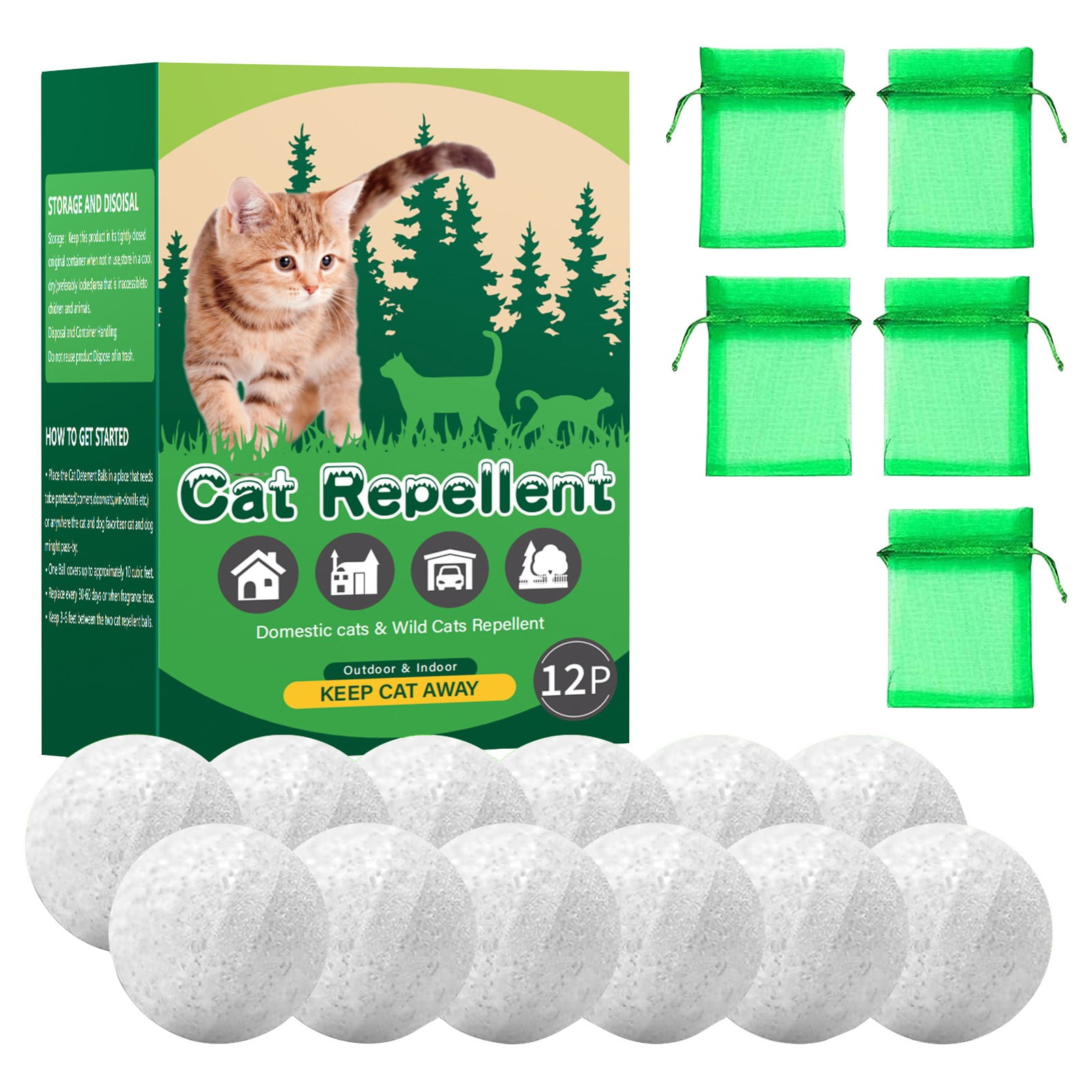
Credit: www.walmart.com
Frequently Asked Questions
What Is The Best Dog And Cat Repellent For Yards?
The best repellent is safe, effective, and non-toxic. Options include ultrasonic devices, natural sprays, and motion-activated sprinklers. Choose one that suits your yard size and pet sensitivity for lasting results.
How Do Natural Yard Repellents Work On Pets?
Natural repellents use scents like citrus, vinegar, or essential oils. These smells irritate dogs and cats, keeping them away without harm. They are eco-friendly and safe for children and other animals.
Are Ultrasonic Repellents Safe For Pets And Humans?
Yes, ultrasonic repellents emit high-frequency sounds only pets hear. They deter animals without physical harm or chemicals. These devices are safe for humans and non-target wildlife when used correctly.
Can I Use Homemade Repellents To Keep Pets Out?
Yes, homemade repellents using vinegar, citrus peels, or coffee grounds are effective. They repel pets by smell but may need frequent reapplication, especially after rain.
Conclusion
Choosing the right dog and cat repellent keeps your yard safe and clean. These products help protect plants and stop unwanted pets. Use them as directed for best results. Remember, patience is key; results may take time. A well-protected yard means more peace and comfort.
Keep your outdoor space enjoyable for everyone. Simple steps can make a big difference.