If your dog has pancreatitis, you know how worrying it can be to find the right diet. What you feed your furry friend plays a huge role in their recovery and overall health.
Choosing the best diet isn’t just about nutrition—it’s about making your dog feel better, avoiding painful flare-ups, and helping them live a happy life. You’ll discover simple, effective food choices that support your dog’s pancreas and keep them comfortable. Keep reading to learn how you can make a real difference in your dog’s health starting today.
Causes And Symptoms Of Canine Pancreatitis
Canine pancreatitis is a condition that affects a dog’s pancreas. The pancreas helps with digestion and controls blood sugar. When it becomes inflamed, it can cause serious health problems. Understanding the causes and symptoms helps in early detection and care.
Common Triggers
High-fat meals often trigger pancreatitis in dogs. Fatty foods strain the pancreas and cause inflammation. Some dogs may have allergies or sensitivities to certain foods. Obesity also increases the risk of pancreatitis. Certain medications can harm the pancreas. Infections and trauma might trigger this condition too. Older dogs and some breeds are more prone to pancreatitis.
Signs To Watch For
Loss of appetite is a common sign of pancreatitis. Dogs may vomit often and seem weak. Belly pain makes dogs restless or withdrawn. Diarrhea can also be a symptom. Some dogs show fever and dehydration. Breathing may become fast or shallow. Early recognition of these signs can save your dog’s life.

Credit: ketonaturalpetfoods.com
Nutritional Needs During Pancreatitis
Dogs with pancreatitis need special care in their diet. The pancreas helps with digestion. It makes enzymes that break down food. When the pancreas is inflamed, it cannot work well. This makes digestion hard and painful for dogs. Proper nutrition supports healing and reduces stress on the pancreas.
Choosing the right food helps your dog feel better. It also prevents flare-ups and other health problems. Understanding what nutrients to include or avoid is key for managing pancreatitis.
Essential Nutrients
Protein is important but must be low in fat. Lean meats like chicken or turkey are good choices. Carbohydrates provide energy and should come from easy-to-digest sources. Rice and sweet potatoes are gentle on the stomach. Fiber helps keep digestion smooth and regular. It also supports healthy gut bacteria.
Water is vital. It keeps your dog hydrated and helps flush toxins. Small, frequent meals reduce the workload on the pancreas. This feeding style helps prevent pain and discomfort.
Avoiding Harmful Ingredients
Fat is the biggest enemy for dogs with pancreatitis. High-fat foods cause the pancreas to work too hard. Avoid fatty meats, dairy products, and fried foods. Artificial additives and preservatives can irritate the digestive system. Stay away from foods with many chemicals or fillers.
Spices and seasonings also stress the pancreas. Plain, simple foods are best. Avoid giving your dog table scraps or human snacks. They often contain harmful fats and ingredients.
Top Diet Choices For Dogs With Pancreatitis
Choosing the right diet is very important for dogs with pancreatitis. This condition affects the pancreas and makes it hard to digest fat properly. Feeding your dog the right food helps reduce symptoms and supports recovery.
Here are some top diet choices that can help keep your dog healthy and comfortable.
Low-fat Commercial Dog Foods
Low-fat commercial dog foods are made to be gentle on the pancreas. They have less fat than regular dog food. This helps reduce inflammation and pain. These foods also have the right balance of nutrients your dog needs. They are easy to find in pet stores and online. Always check the label for fat content. Look for foods with less than 10% fat on a dry matter basis.
Homemade Meal Options
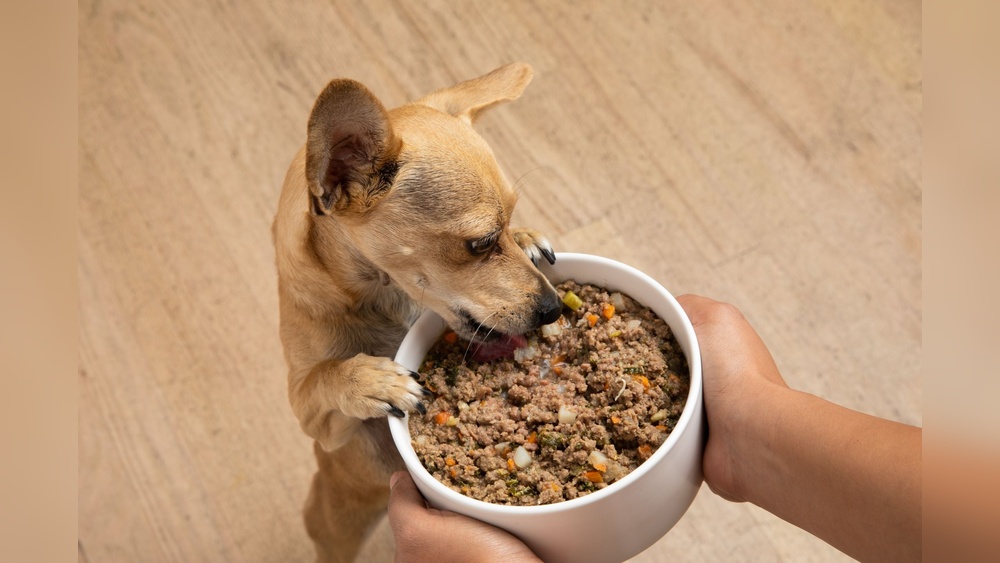
Homemade meals give you full control over ingredients. Use lean meats like chicken or turkey without skin. Add cooked rice or potatoes for energy. Avoid fatty foods like pork or beef. Vegetables like carrots and green beans are good choices. Cook all ingredients well to make digestion easier. Consult your vet to ensure meals meet your dog’s needs.
Prescription Diets
Prescription diets are special foods made by vets. They are designed to support dogs with pancreatitis. These diets have low fat and high digestibility. They also contain vitamins and minerals to help healing. Your vet can recommend the best prescription diet for your dog. These foods often need a vet’s approval to buy.

Credit: thecaninehealthnut.com
Feeding Tips To Support Recovery
Feeding a dog with pancreatitis needs care and attention. The right feeding habits help the pancreas heal. Small changes in how and when you feed can make a big difference. These tips focus on gentle, steady nutrition to support recovery. Keep your dog comfortable and avoid stress on the pancreas.
Meal Frequency And Portion Control
Feed your dog small meals often during the day. This reduces the load on the pancreas. Large meals force the pancreas to work harder. Split daily food into four to six small portions. Serve these at regular times to keep digestion smooth. Avoid free feeding or large meals at once. Control portion sizes carefully based on your vet’s advice. This helps prevent flare-ups and supports steady healing.
Hydration Importance
Water is vital for dogs with pancreatitis. It helps flush toxins and supports digestion. Always provide fresh, clean water throughout the day. Dehydration can worsen pancreatitis symptoms quickly. Encourage your dog to drink by refreshing water often. Wet food can add extra moisture to their diet. Avoid sugary drinks or milk, which can upset digestion. Proper hydration supports recovery and keeps your dog feeling better.
Foods And Ingredients To Avoid
Choosing the right food is key for dogs with pancreatitis. Some foods can cause pain or make the condition worse. Avoiding harmful ingredients helps your dog heal faster and stay healthy.
High-fat Foods
Fat is hard for dogs with pancreatitis to digest. It can trigger flare-ups and cause stomach pain. Avoid fatty meats like bacon, sausage, and fried foods. Also skip full-fat dairy products such as cheese and cream. Instead, offer low-fat proteins and simple carbohydrates. This supports gentle digestion and reduces stress on the pancreas.
Toxic Additives And Spices
Many spices and additives harm dogs with sensitive stomachs. Garlic, onions, and chives can cause serious illness. Avoid salty snacks and foods with artificial preservatives or flavors. These ingredients can inflame the pancreas or cause other health problems. Stick to plain, natural dog foods without added spices or chemicals.
Supplements And Extras For Pancreatitis
Supplements can support dogs with pancreatitis by easing digestion and reducing inflammation. These extras work alongside a special diet to help your dog feel better and heal faster. Choosing the right supplements is key for your dog’s health.
Probiotics And Digestive Enzymes
Probiotics add good bacteria to your dog’s gut. They help balance the digestive system and improve nutrient absorption. Digestive enzymes assist the pancreas by breaking down food more easily. Together, they reduce stress on the pancreas and support digestion. Always follow your vet’s advice on the best types and doses.
Omega-3 Fatty Acids
Omega-3 fatty acids reduce inflammation in the pancreas. They come from fish oil or flaxseed oil. These fats also support the immune system and promote a healthy coat. Adding omega-3s to your dog’s diet can ease pancreatitis symptoms and improve overall health. Use quality sources and keep the amount moderate to avoid side effects.
When To Consult Your Veterinarian
Knowing when to consult your veterinarian is key for dogs with pancreatitis. Pancreatitis is a serious condition that needs careful management. Diet plays a big role in recovery and health. Watching your dog closely helps spot any problems early. Timely advice from your vet can prevent complications. Regular check-ins ensure your dog stays on the right track.
Monitoring Progress
Track your dog’s eating habits and energy levels daily. Note any vomiting, diarrhea, or loss of appetite. Keep an eye on their weight and behavior changes. Record all observations to share with your vet. Sudden changes may signal the need for medical attention. Regular blood tests can help monitor pancreas function too.
Adjusting Diet Plans
Diet needs may change as your dog recovers or worsens. Your vet can recommend new foods or supplements. Avoid making diet changes without professional advice. Some dogs need low-fat, easily digestible meals. Others may require special nutrients or smaller portions. Follow your vet’s guidance to keep your dog healthy and comfortable.

Credit: itie.rivilgroup.com
Frequently Asked Questions
What Foods Should I Avoid For Dogs With Pancreatitis?
Avoid fatty, fried, and rich foods. Steer clear of high-fat treats and table scraps. These can worsen inflammation and cause flare-ups in dogs with pancreatitis.
How Often Should I Feed A Dog With Pancreatitis?
Feed small, frequent meals throughout the day. This reduces strain on the pancreas and aids digestion. Typically, 3 to 4 small meals daily work best.
Can I Give My Dog Protein With Pancreatitis?
Yes, but choose lean protein sources like chicken, turkey, or fish. Avoid fatty meats and rich dairy products to prevent pancreatic irritation.
Is A Low-fat Diet Necessary For Pancreatitis Dogs?
Yes, a low-fat diet is essential. It helps reduce pancreatic workload and inflammation. Keep fat content below 10% of daily calories for best results.
Conclusion
A dog with pancreatitis needs a careful diet to stay healthy. Choose foods low in fat and easy to digest. Fresh, simple ingredients help reduce stress on the pancreas. Small, frequent meals work best for your dog’s comfort. Always ask your vet before changing your dog’s diet.
Proper care and feeding can improve your dog’s quality of life. Keep an eye on your dog’s condition and adjust as needed. Good nutrition supports healing and helps prevent future problems. Caring for your dog’s diet is a key step to recovery.