
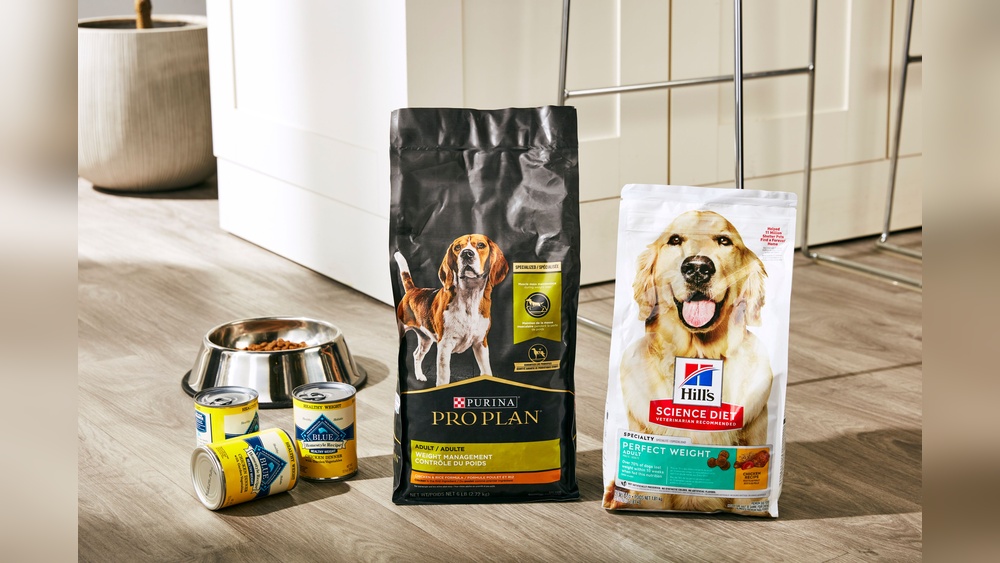
Is your furry friend struggling to shed those extra pounds? Finding the best diet dog food for weight loss can be the key to helping your pet get healthier and feel more energetic.
You want to give your dog the right nutrition without sacrificing taste or satisfaction. You’ll discover simple, effective options that support weight loss and keep your dog happy. Keep reading to learn how you can make mealtime both delicious and beneficial for your beloved companion.
Credit: amerivet.com
Why Weight Management Matters
Weight management matters for dogs because it affects their overall health and happiness. Carrying extra weight puts stress on their bodies. It can reduce their energy and shorten their lifespan. Keeping a dog at a healthy weight helps them live a longer and better life.
Health Risks Of Overweight Dogs
Overweight dogs face many health problems. They are more likely to get diabetes, heart disease, and joint pain. Excess weight strains their bones and muscles. It makes moving and playing harder. Breathing can become difficult, leading to serious issues. These risks lower a dog’s quality of life.
Benefits Of A Healthy Weight
A healthy weight boosts a dog’s energy and mood. It helps their heart and lungs work well. Dogs with proper weight have fewer joint problems. They heal faster from injuries and surgeries. Good weight management supports a strong immune system. It leads to a happier, more active dog.
:strip_icc()/Spruce-best-weight-loss-dog-foods-5324875-511bfca3fb7b4542bd74701ed676e6dc.jpg)
Credit: parkavenuetavern.com
Key Ingredients For Weight Loss
Choosing the right ingredients in diet dog food helps your pet lose weight safely. These ingredients support energy, fullness, and muscle strength. They keep your dog active and healthy during weight loss. Understanding key ingredients guides you to better food choices.
High Protein Sources
Protein builds and maintains muscles during weight loss. It keeps your dog strong and active. Good protein sources include chicken, turkey, fish, and eggs. These provide essential amino acids and support metabolism. High protein also helps your dog feel full longer.
Low Fat Content
Fat provides energy but too much adds calories. Diet dog food should have low fat to reduce calorie intake. Look for foods with healthy fats like fish oil or flaxseed. These fats support skin, coat, and brain health. Lower fat content helps your dog lose weight safely.
Fiber For Satiety
Fiber slows digestion and keeps your dog full longer. It helps reduce overeating and controls hunger. Good fiber sources include pumpkin, sweet potatoes, and peas. Fiber also supports healthy digestion and bowel movements. Adding fiber to diet food helps your dog stay satisfied.
Types Of Diet Dog Food
Choosing the right diet dog food is key to helping your pet lose weight safely. Different types of diet food suit different dogs and lifestyles. Understanding these types helps you pick the best option for your dog’s needs.
Each type offers unique benefits and fits various feeding routines. Some are convenient, while others focus on natural ingredients. Explore these types to find the best fit for your furry friend.
Dry Kibble Options
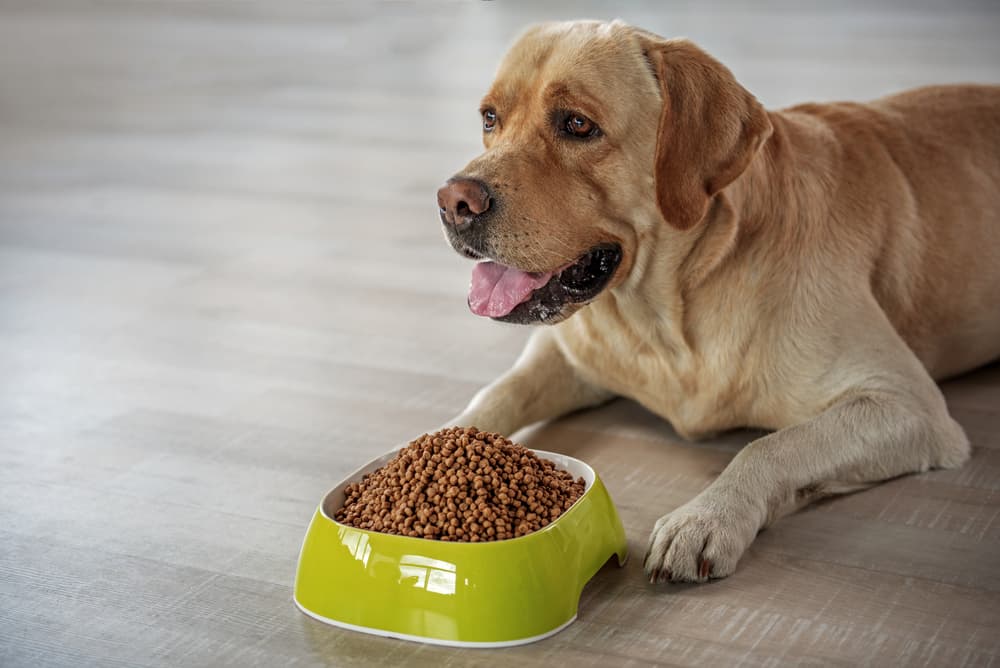
Dry kibble is the most common diet dog food. It is easy to store and serve. Special weight loss formulas have fewer calories and more fiber. These help your dog feel full longer. Kibble also supports dental health by reducing plaque build-up. Always check for quality ingredients and balanced nutrition.
Wet Food Choices
Wet food is softer and often more palatable. It contains more moisture, which can help keep your dog hydrated. Weight loss wet foods tend to have fewer fats and calories. They are great for picky eaters or dogs with dental issues. Look for products with real meat and no fillers.
Raw And Homemade Alternatives
Raw and homemade diets offer fresh, natural ingredients. You control what goes into your dog’s food. These diets can be lower in calories and free from additives. Preparing meals at home allows for tailored nutrition. Consult a vet to ensure the diet is balanced and safe.
Top Dog Food Brands For Weight Loss
Choosing the right dog food is key for healthy weight loss. Many brands offer formulas made to reduce calories but still provide full nutrition. These foods help dogs feel full while losing weight safely. Quality dog food supports energy and overall health during weight loss.
Here are some top dog food brands that focus on weight management. They offer various options to suit different budgets and needs. These foods are trusted by pet owners and recommended by vets for weight control.
Premium Brand Picks
Premium brands use high-quality ingredients and balanced nutrition. They often include lean proteins and fiber to help dogs stay full. Brands like Hill’s Science Diet and Royal Canin offer specialized weight loss formulas. These foods support muscle maintenance and fat reduction. They are ideal for dogs with specific dietary needs or health concerns.
Budget-friendly Options
Affordable dog foods can also support weight loss. Brands such as Blue Buffalo and Nutro provide effective formulas without high costs. These foods focus on lower calories and added fiber. They help control hunger and support steady weight loss. Good choices exist for pet owners on a tight budget.
Vet-recommended Foods
Veterinarians often suggest foods designed for weight management. Prescription diets like Hill’s Prescription Diet Metabolic and Purina Pro Plan Veterinary Diets are common. These foods are clinically tested to aid weight loss safely. They include nutrients to improve metabolism and maintain health. Vet-recommended diets are best for dogs with medical conditions.
How To Choose The Right Food
Choosing the right diet dog food for weight loss is important for your pet’s health. The right food helps your dog lose weight safely. It also keeps your dog happy and energetic. Several factors affect the best choice. Understanding these can guide you to the right food.
Focus on your dog’s breed, age, and health needs. Learn to read labels properly. Always check with your veterinarian before changing food. These steps make the process easier and safer.
Considering Your Dog’s Breed And Age
Different breeds have different energy needs. Small breeds burn calories faster than large breeds. Age also affects metabolism. Puppies need more calories than older dogs. Senior dogs may need fewer calories and more fiber. Choose food that matches your dog’s breed size and life stage.
Reading Labels Effectively
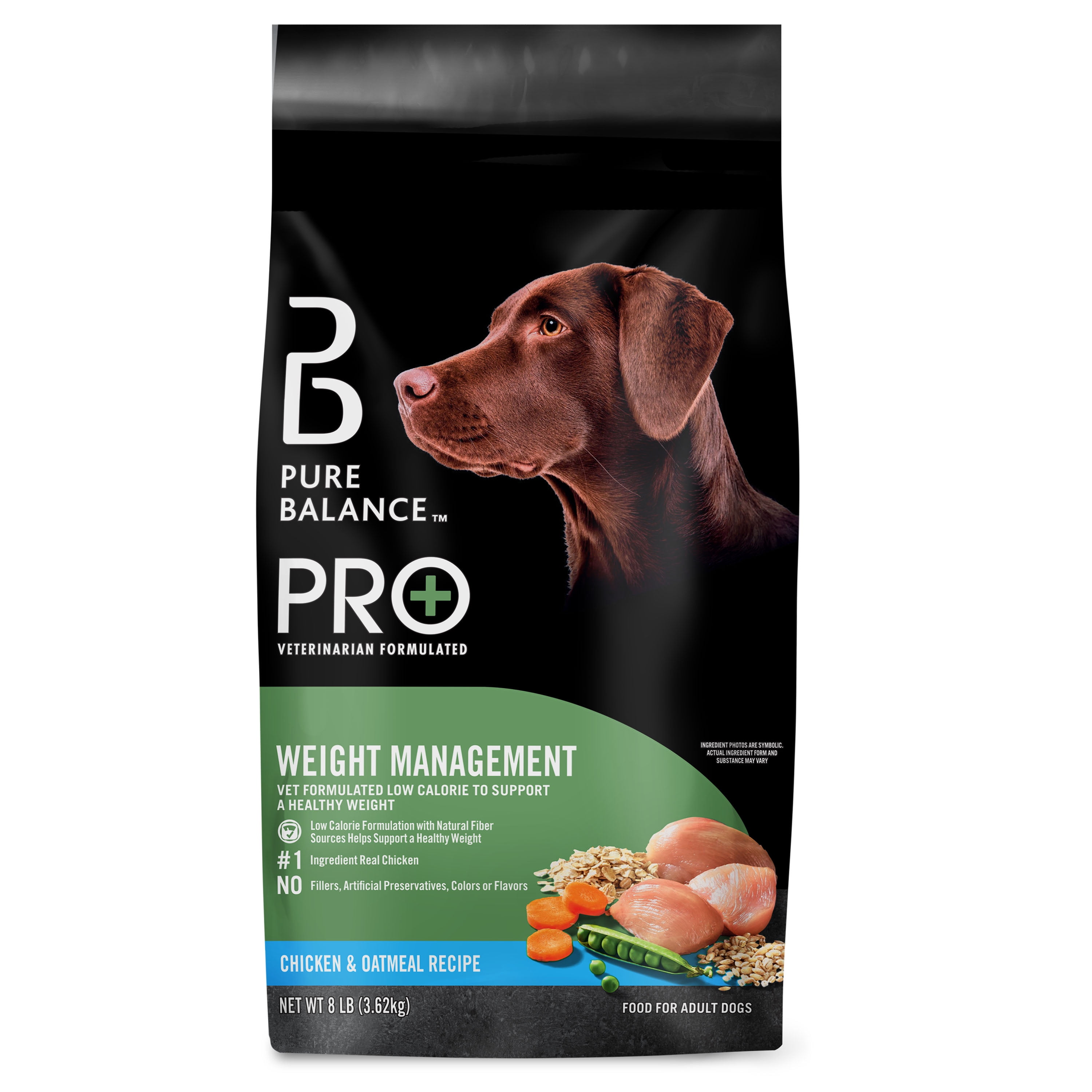
Look for foods low in fat and calories. High protein helps keep muscles strong. Fiber helps your dog feel full longer. Avoid foods with added sugars or fillers. Check for natural ingredients and avoid artificial additives. Serving size and calorie count matter for weight control.
Consulting Your Veterinarian
Your vet knows your dog’s health history. They can recommend the best diet plan. Share your dog’s weight goals and current diet. Ask about any health risks from weight loss. A vet-approved diet reduces risks and improves results.
Feeding Tips For Effective Weight Loss
Helping your dog lose weight needs smart feeding habits. Small changes can lead to big results. Feeding the right amount at the right time supports healthy weight loss. Pairing feeding with exercise boosts the effect. Focus on clear, simple strategies to keep your dog fit and happy.
Portion Control Strategies
Measure your dog’s food with a cup or scale. Avoid free feeding, which leads to overeating. Follow the feeding guidelines on the dog food label. Adjust portions based on your dog’s age, breed, and activity level. Keep treats to a minimum and include them in daily calorie count. Use smaller bowls to help control portion size.
Meal Frequency And Timing
Feed your dog two to three meals per day. Set regular meal times to build a routine. Avoid feeding right before or after intense exercise. Consistent timing helps regulate metabolism and digestion. Keep meals spaced evenly to prevent hunger or overeating. Stick to the schedule even on weekends or holidays.
Incorporating Exercise
Exercise supports weight loss by burning calories. Take your dog for daily walks suited to their fitness level. Play fetch or other active games to increase movement. Start slow and increase exercise time gradually. Exercise improves mood and helps maintain muscle mass. Combine exercise with diet for the best results.
Monitoring Progress And Adjustments
Monitoring your dog’s weight loss progress is key to success. It helps ensure the diet works well and keeps your dog healthy. Regular checks show if your dog loses weight at a safe pace. Adjustments can be made to improve results and avoid health risks.
Tracking Weight Changes
Weigh your dog once a week. Use the same scale each time for accuracy. Write down the numbers to compare over time. Look for steady weight loss, about 1-2% of body weight per week. Sudden changes need attention. Small pets may need more frequent checks.
Adjusting Diet As Needed
Change the food amount based on weight progress. If weight loss is slow, reduce calories slightly. If weight drops too fast, increase food to avoid health problems. Talk to your vet before making big changes. Balance treats and exercise with diet for best results.
Credit: iwaki-hasedera.or.jp
Frequently Asked Questions
What Ingredients Make Dog Food Good For Weight Loss?
High protein, low fat, and fiber-rich ingredients promote weight loss. These help maintain muscle while reducing calories. Avoid fillers like corn or soy for better results.
How Much Dog Food Should I Feed For Weight Loss?
Feed controlled portions based on your dog’s ideal weight and activity level. Consult your vet for a precise daily calorie goal to ensure safe weight loss.
Can All Dog Breeds Benefit From Weight Loss Dog Food?
Yes, most breeds can benefit from weight loss formulas. However, breed-specific needs and health conditions should be considered. Always check with your vet before changing diets.
How Long Does It Take For Weight Loss Dog Food To Work?
Visible results usually appear within 4 to 8 weeks. Consistent feeding and regular exercise speed up healthy weight loss. Monitor your dog’s progress closely during this time.
Conclusion
Choosing the best diet dog food helps your pet stay healthy and fit. Good nutrition supports weight loss and improves energy. Always pick foods with balanced ingredients and low calories. Watch your dog’s weight and adjust food as needed. Regular exercise works well with a proper diet.
Small changes make a big difference over time. Help your dog enjoy a happier, healthier life. Keep learning and caring for your furry friend daily.


