

If you want your dog to have a healthy smile and fresh breath, choosing the best dental chews is a smart move. You might wonder which chews actually work and are safe for your furry friend.
This guide will help you find the perfect dental chews that clean teeth, reduce tartar, and keep your dog happy. Keep reading to discover how you can protect your dog’s oral health with chews they’ll love.
:strip_icc()/Best-Dental-Chews-for-Dogs-of-2023-c651532ec337450aab496355278dd7ff.jpg)
Credit: tuboplastperu.com
Benefits Of Dental Chews
Dental chews offer many benefits for dogs’ oral health. They help keep teeth clean and gums strong. Regular use of dental chews supports overall mouth care in a simple way.
Reducing Plaque And Tartar
Dental chews help remove plaque from the teeth. The chewing action scrapes off soft plaque before it hardens. This lowers the risk of tartar buildup. Less tartar means fewer dental problems later.
Promoting Fresh Breath
Bad breath in dogs often comes from bacteria in the mouth. Dental chews reduce these bacteria by cleaning the teeth and gums. Chewing also increases saliva flow, which helps wash away food bits. Fresh breath lasts longer with regular dental chews.
Supporting Gum Health
Chewing dental treats massages the gums gently. This boosts blood flow and keeps gums healthy. Healthy gums reduce the chance of infections and bleeding. Strong gums support teeth better and prevent tooth loss.
Key Features To Look For
Choosing the best dental chews for dogs needs careful thought. The right chew can keep your dog’s teeth clean and healthy. It also supports overall dental care. Some chews work better than others. Knowing what to check helps pick the best one.
Ingredients And Safety
Check the ingredient list closely. Natural ingredients are safer for dogs. Avoid artificial colors, flavors, or preservatives. These can upset your dog’s stomach. Look for chews with added vitamins or minerals. These support dental health and overall wellness. Always pick chews that are non-toxic and safe to swallow.
Size And Texture
Size matters for your dog’s comfort and safety. The chew should match your dog’s size and breed. Too small can cause choking. Too large can be hard to chew. Texture also plays a key role. A firm but not too hard chew cleans teeth well. Soft chews may not remove plaque effectively.
Veterinarian Approval
Choose dental chews recommended by vets. They know what works best for dogs. Look for products with veterinary seals or endorsements. Vet-approved chews often meet safety and health standards. This ensures your dog gets quality dental care. Trust products backed by professional advice.
Top Dental Chews For Small Dogs
Dental chews help keep small dogs’ teeth clean and healthy. They reduce plaque and freshen breath. Choosing the right chew is key for small dogs. Size and texture matter for comfort and safety. Here are top dental chews ideal for small dogs.
Best For Toy Breeds
Toy breeds need smaller chews. Big chews can be hard to chew or dangerous. Look for chews made for tiny mouths. Soft but firm textures work best. They clean teeth without hurting gums. Brands often design special sizes for toy breeds. These chews help reduce tartar and keep breath fresh.
Gentle Options For Sensitive Teeth
Some small dogs have sensitive teeth or gums. Hard chews can cause pain or damage. Choose gentle dental chews with softer textures. Chews with natural ingredients reduce irritation. They clean teeth without causing discomfort. Gentle chews help keep dental care stress-free. Always watch your dog when giving new chews.
Best Dental Chews For Medium And Large Dogs
Dental health is important for medium and large dogs. Chewing helps clean teeth and reduce plaque. The right dental chews support strong teeth and fresh breath. Choosing chews made for bigger dogs ensures safety and effectiveness.
These chews come in different types. Some are tough for strong chewers. Others taste good to encourage regular use. Finding the best dental chews can keep your dog’s mouth healthy and happy.
Durable Chews For Aggressive Chewers
Medium and large dogs often chew hard. Durable chews resist breaking and last longer. They help clean teeth better by lasting through tough chewing. Look for chews made from strong materials like nylon or tough natural fibers.
These chews prevent swallowing small pieces that can harm dogs. They also reduce tartar by scrubbing teeth as the dog chews. Durable chews give dogs a safe and fun way to care for their teeth.
Flavored Chews To Encourage Use
Some dogs need extra motivation to chew dental treats. Flavored chews make the experience enjoyable. Popular flavors include chicken, peanut butter, and beef. These tastes attract dogs to chew regularly.
Flavored chews help keep dogs interested in dental care. They make oral health a fun routine. Regular chewing of tasty treats supports cleaner teeth and fresher breath.
Natural And Organic Dental Chews
Natural and organic dental chews offer a safe way to care for your dog’s teeth. These chews use ingredients from nature, avoiding harsh chemicals. They help reduce plaque, freshen breath, and support overall oral health. Many dog owners prefer them for their gentle, effective cleaning power.
Benefits Of Natural Ingredients
Natural ingredients are gentle on dogs’ stomachs. They reduce the risk of allergies and sensitivities. Many contain antioxidants that boost the immune system. Natural fibers in the chews help clean teeth by scraping away tartar. These chews also contain vitamins that promote gum health. Dogs enjoy the taste, which encourages regular chewing. This regular chewing supports stronger teeth and fresher breath.
Popular Organic Brands
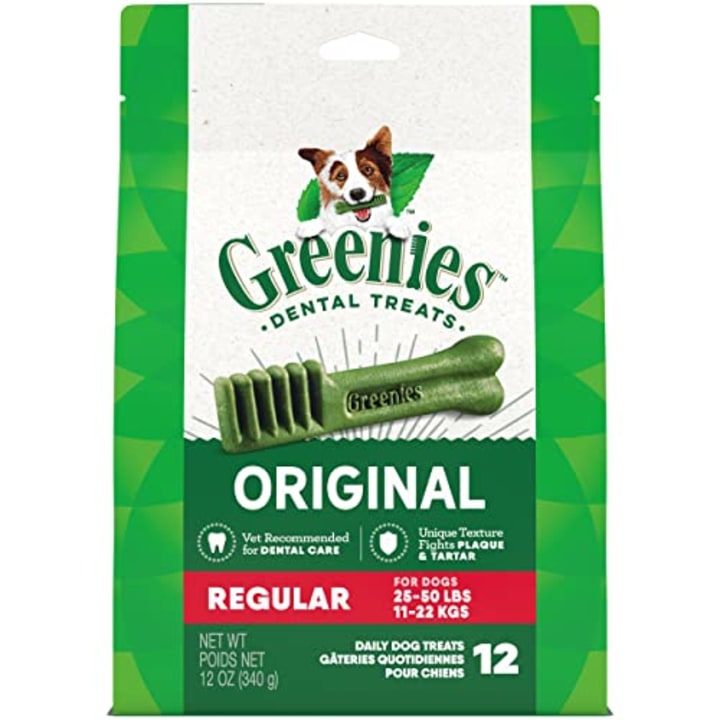
Several brands focus on organic dental chews for dogs. They use certified organic ingredients with no fillers or additives. These brands often include herbs and natural oils for extra benefits. Some popular names include Greenies Organic, Honest Kitchen, and Whimzees. These products meet strict safety and quality standards. They offer effective cleaning with a natural, wholesome approach.
Credit: www.nbcnews.com
How To Introduce Dental Chews
Introducing dental chews to your dog can improve their oral health and freshen breath. Start slow and watch your dog’s comfort level. Not all dogs accept new treats right away. Patience helps make the experience positive and stress-free.
Tips For First-time Use
Choose a chew size suitable for your dog’s breed and age. Offer the dental chew during a calm moment. Let your dog sniff and explore it first. Break the chew into smaller pieces if needed. Praise your dog for trying the new treat. Avoid forcing the chew, as it may cause fear or rejection.
Monitoring Your Dog’s Reaction
Observe your dog while chewing for any signs of discomfort. Look for choking, gagging, or unusual behavior. Check their mouth after chewing for cuts or irritation. Remove the chew if your dog seems stressed. Contact your vet if any problems persist. Positive reactions mean the chew suits your dog well.
Common Mistakes To Avoid
Giving dental chews to dogs helps keep their teeth clean and healthy. Many dog owners make mistakes that reduce the benefits of these treats. Avoiding common errors ensures your dog enjoys the full advantages of dental chews.
Overfeeding Dental Chews
Too many dental chews can cause stomach upset in dogs. They also add extra calories, leading to weight gain. Follow the recommended amount on the package. Treats should not replace a balanced diet. Moderation keeps your dog safe and healthy.
Ignoring Size Recommendations
Choosing the wrong size chew can be dangerous. Small chews may cause choking in large dogs. Large chews can be hard to chew for small dogs. Always pick the size that fits your dog’s breed and age. Proper size prevents accidents and helps clean teeth effectively.
Complementary Dental Care Tips
Dental chews are a great way to help clean your dog’s teeth. They reduce plaque and freshen breath. But chews alone are not enough for full dental care.
Combining dental chews with other care methods keeps your dog’s mouth healthy. These tips improve the benefits of chews and prevent dental problems.
Brushing Techniques
Brushing your dog’s teeth removes plaque that chews might miss. Use a soft-bristled brush made for dogs. Apply dog-friendly toothpaste, never human toothpaste. Brush gently in small circles along the gum line. Focus on the front and back teeth. Start slowly to help your dog get used to brushing. Aim to brush at least two times each week. Regular brushing keeps gums strong and teeth clean.
Regular Vet Checkups
Vet visits check your dog’s dental health in detail. The vet can spot early signs of dental disease. Professional cleanings remove hard tartar safely. Vets advise on the best dental products for your dog. Schedule dental checkups once or twice a year. Early care prevents pain and costly treatments later. Keep your dog’s teeth healthy with vet support.

Credit: shop.smucker.com
Frequently Asked Questions
What Are The Best Dental Chews For Dogs?
The best dental chews effectively reduce plaque and tartar. Look for vet-approved, natural ingredients and sizes suitable for your dog. Popular brands include Greenies, Virbac, and Pedigree Dentastix.
How Do Dental Chews Benefit My Dog’s Oral Health?
Dental chews help clean teeth by reducing plaque buildup. They also freshen breath and promote healthier gums. Regular chewing stimulates saliva, which fights bacteria in your dog’s mouth.
Are Dental Chews Safe For All Dog Breeds?
Most dental chews are safe for all breeds, but size matters. Choose chews appropriate for your dog’s size and chewing habits. Always supervise to prevent choking or digestive issues.
How Often Should Dogs Have Dental Chews?
Daily dental chews are ideal for maintaining oral health. Follow product guidelines for serving size and frequency. Consistency helps prevent dental diseases and keeps your dog’s teeth clean.
Conclusion
Choosing the right dental chews helps keep your dog’s teeth clean. Chews reduce plaque and freshen breath naturally. Regular use supports healthy gums and strong teeth. Pick chews that fit your dog’s size and taste. Watch your pet enjoy a treat that also cares for their mouth.
Healthy teeth mean a happier, healthier dog overall. Start a good dental routine today and see the difference. Simple steps bring big benefits for your furry friend.


