
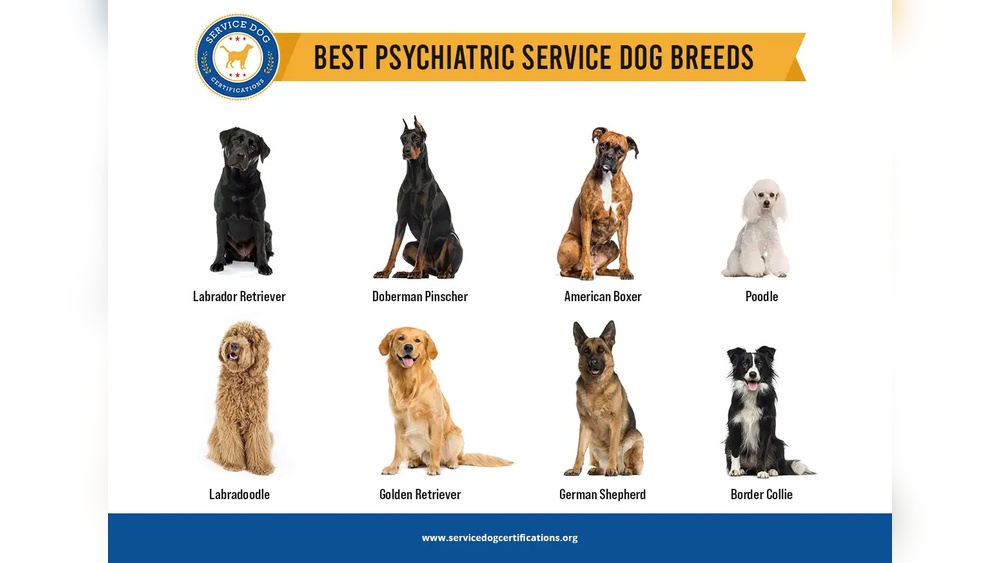
Choosing the best breed for a psychiatric service dog can change your life. You want a dog that understands your needs, stays calm in tough situations, and offers real comfort when you need it most.
But with so many breeds out there, how do you find the perfect match for your unique challenges? This guide will help you discover the top breeds that are not just smart and loyal, but also naturally suited to provide the support you deserve.
Keep reading to find the dog that could become your most trusted partner.
Traits Of Ideal Psychiatric Service Dogs
Choosing the best breed for a psychiatric service dog starts with understanding the key traits. These dogs must have qualities that help them support people with mental health challenges. The right traits make training easier and improve the dog’s ability to assist effectively. Below are the main traits that define an ideal psychiatric service dog.
Temperament And Behavior
Psychiatric service dogs need calm and steady temperaments. They must stay relaxed in busy or noisy places. These dogs should be gentle and patient with their handlers. They must not show aggression or fear in new situations. A friendly and social nature helps them connect well with people. The best dogs remain focused and do not get easily distracted.
Trainability And Intelligence
High intelligence is crucial for psychiatric service dogs. They must learn commands quickly and remember them well. Good dogs respond to training with eagerness and consistency. They should understand complex tasks related to their handler’s needs. Problem-solving skills help them adapt to different situations. Dogs that enjoy learning make better service partners.
Size And Physical Attributes
Size matters for comfort and mobility. Medium-sized dogs often work best; they are easy to carry and control. Strong and healthy dogs can handle long hours of work. Their physical build should allow them to perform tasks like deep pressure therapy. Short coats can be easier to maintain and clean. Overall, a dog’s size should fit the handler’s lifestyle and needs.
Credit: www.petguide.com
Top Breeds For Psychiatric Support
Psychiatric service dogs provide comfort and support to people with mental health challenges. Choosing the right breed is important for effective support. Some breeds naturally have the traits needed for this role. They are calm, intelligent, and eager to help.
These dogs learn commands quickly and stay focused on their tasks. They sense changes in mood and behavior. They offer companionship and reduce anxiety. Here are some top breeds known for psychiatric support work.
Labrador Retriever
Labradors are friendly and highly trainable. They have a gentle nature and strong focus. Their calm demeanor helps ease stress and anxiety. Labradors love to please, making training easier. They adapt well to different environments and routines.
Golden Retriever
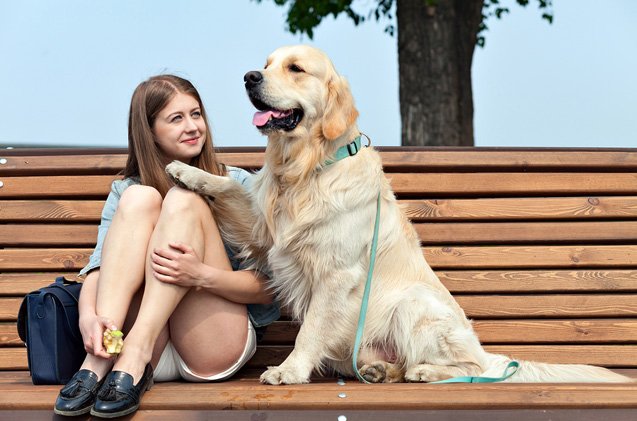
Golden Retrievers are patient and kind dogs. They provide steady emotional support with ease. Their affectionate nature comforts those in distress. They respond well to commands and signals. Goldens work well in busy or quiet settings.
Standard Poodle
Standard Poodles are smart and alert. They learn new tasks very quickly. Their hypoallergenic coat suits people with allergies. Poodles stay calm under pressure and stay focused. They bond deeply with their handlers.
German Shepherd
German Shepherds are loyal and protective. They have strong instincts to support their handler. These dogs are highly intelligent and trainable. German Shepherds remain calm in stressful situations. They provide both emotional and physical safety.
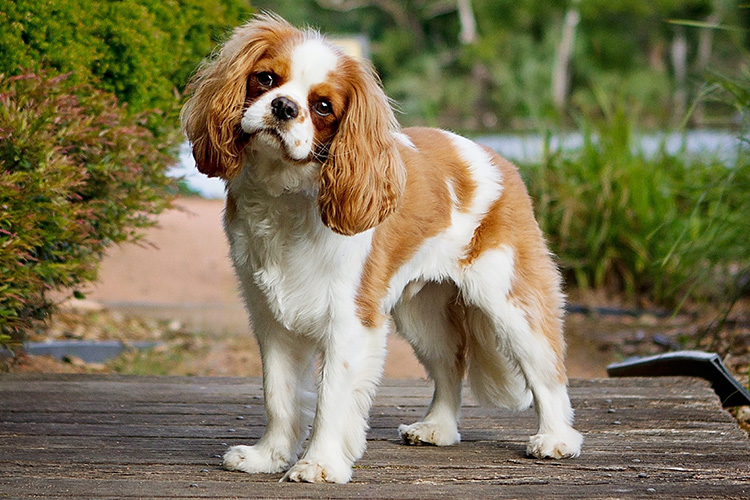
Cavalier King Charles Spaniel
This small breed is gentle and affectionate. They offer comfort through close companionship. Cavaliers are sensitive to emotional changes. Their size makes them easy to carry and manage. They bring warmth and calm to daily life.
Breed-specific Advantages
Different dog breeds bring unique strengths to psychiatric service work. Choosing the right breed can improve the dog’s effectiveness. Breed-specific traits influence how well a dog performs key tasks. These traits affect the dog’s behavior, training ease, and ability to support emotional needs.
Calming Presence
Some breeds naturally have a calm and gentle demeanor. This helps reduce stress and anxiety in their handlers. Breeds like Labradors and Golden Retrievers often exude a soothing energy. Their calm presence creates comfort during emotional distress. A steady, relaxed dog helps stabilize mood quickly.
Alertness To Emotional Cues
Certain breeds are highly sensitive to changes in human emotions. They notice subtle signals like breathing or facial expressions. German Shepherds and Border Collies are known for this sharp awareness. This alertness allows them to respond immediately to anxiety or panic. They can nudge, lick, or stay close to provide support.
Adaptability To Different Environments
Psychiatric service dogs must work in many places. Some breeds adjust easily to new surroundings and noises. Poodles and Boxers often thrive in busy, loud settings. Adaptable breeds stay focused even in crowded or noisy areas. This trait ensures reliable help wherever the handler needs it.
Credit: www.servicedogcertifications.org
Training Requirements For Psychiatric Dogs
Training psychiatric service dogs requires careful and consistent effort. These dogs must learn skills that help people manage mental health challenges. Their training focuses on obedience, specific tasks, and social behavior. Each area builds a strong foundation for the dog’s role.
Basic Obedience
Psychiatric dogs start with basic obedience training. They learn commands like sit, stay, come, and heel. These commands ensure the dog listens and stays calm. Good obedience keeps the dog safe in all situations. It also prepares them for more complex tasks later.
Task-specific Skills
These dogs must perform special tasks to support their owners. Tasks include reminding to take medication or interrupting harmful behaviors. They may also provide deep pressure therapy during anxiety attacks. Training focuses on recognizing signs and responding correctly. Each skill helps improve the owner’s daily life.
Socialization Techniques
Psychiatric service dogs must be comfortable around people and other animals. Socialization teaches them to stay calm in crowds and public places. Exposure to different sounds, sights, and environments is key. Proper social behavior reduces stress for both dog and owner. This training helps the dog work well anywhere.
Health Considerations By Breed
Choosing the right breed for a psychiatric service dog involves thinking about health. Different breeds have different health needs. Knowing these can help you care better for your service dog. Healthy dogs perform their tasks well and live longer.
Common Health Issues
Each dog breed has common health problems. For example, large breeds may have hip dysplasia. Small breeds often face dental issues. Some breeds are prone to allergies or skin problems. Understanding these helps in early care and treatment.
Lifespan Expectations
Dog breeds differ in how long they live. Smaller breeds usually live longer than bigger ones. Service dogs with longer lifespans serve better over time. Knowing lifespan helps plan for future care and support.
Maintenance And Care
Maintenance needs vary by breed. Some dogs need daily grooming, others less often. Exercise needs also differ between breeds. Regular vet visits are essential for all service dogs. Proper care keeps your dog healthy and ready to help.
Credit: esacare.com
Matching The Dog To The Handler’s Needs
Choosing the best breed for a psychiatric service dog depends on matching the dog to the handler’s specific needs. Every handler has different routines, emotional support requirements, and home settings. Finding the right fit helps the dog perform well and keeps both safe and happy.
Lifestyle Compatibility
Consider daily activities before choosing a dog breed. Active handlers benefit from energetic breeds that enjoy exercise. Less active handlers need calm, low-energy dogs. A breed that matches energy levels avoids stress for both.
Time for training matters too. Some breeds learn commands quickly. Others need more patience and practice. Choose a breed that fits your training schedule.
Emotional Support Needs
Psychiatric service dogs provide emotional comfort and stability. Some breeds are naturally gentle and affectionate. These dogs easily sense emotions and respond well. Others may need extra socialization to build trust.
Handlers with anxiety may prefer breeds known for calmness. Those with PTSD often benefit from dogs alert to changes in mood. Matching breed traits to emotional needs improves support quality.
Living Environment Factors
Space at home affects breed choice. Large breeds need room to move freely. Small living spaces suit smaller or medium-sized breeds. Noise sensitivity also matters; some breeds handle busy environments better.
Consider other pets and family members. Some breeds get along well with children and other animals. Others prefer quiet settings. The right breed keeps peace in the household.
Frequently Asked Questions
What Breeds Are Best For Psychiatric Service Dogs?
Labrador Retrievers, Golden Retrievers, and German Shepherds are top choices. They are intelligent, calm, and easy to train. These breeds excel in providing emotional support and assistance for psychiatric conditions.
How Do Psychiatric Service Dogs Help Their Owners?
They detect anxiety, depression, and PTSD symptoms early. These dogs provide comfort, interrupt negative behaviors, and create a calming presence. Their support improves emotional stability and daily functioning.
Can Small Breeds Be Psychiatric Service Dogs?
Yes, small breeds like Poodles and Cavalier King Charles Spaniels can be trained. They offer emotional support and are suitable for owners needing less physical assistance. Size depends on individual needs and tasks.
What Traits Make A Dog Suitable For Psychiatric Service Work?
Ideal dogs are calm, attentive, and social. They must handle stress well and learn commands quickly. A strong bond with the handler is crucial for effective support.
Conclusion
Choosing the right breed for a psychiatric service dog matters a lot. Some dogs have traits that suit this important work best. Calmness, intelligence, and loyalty help dogs support their owners well. Each breed offers unique strengths to meet different needs.
Think about your lifestyle and what qualities you need. Training and care also shape a dog’s success. A good match improves comfort, safety, and confidence every day. The right dog can make a big difference in life. Trust your heart and choose wisely.


