

If you’re a dog owner, you want the best for your furry friend—especially when it comes to their toys. Nylon toys are popular because they seem tough and long-lasting, but you might be wondering: are nylon toys really safe for your dog?
Choosing the wrong toy could lead to broken teeth or even choking hazards. You’ll discover what makes nylon toys a good or bad choice, what to watch out for, and how to keep your dog happy and safe while they play.
Keep reading to protect your dog and make smart toy choices every time.
Nylon Toys And Dog Safety
Nylon toys are popular choices for dog owners. Their durability and texture attract many dogs. Safety remains a top concern with any dog toy. Understanding nylon’s features helps decide if these toys suit your dog. This section breaks down nylon toys and dog safety.
Material Properties Of Nylon
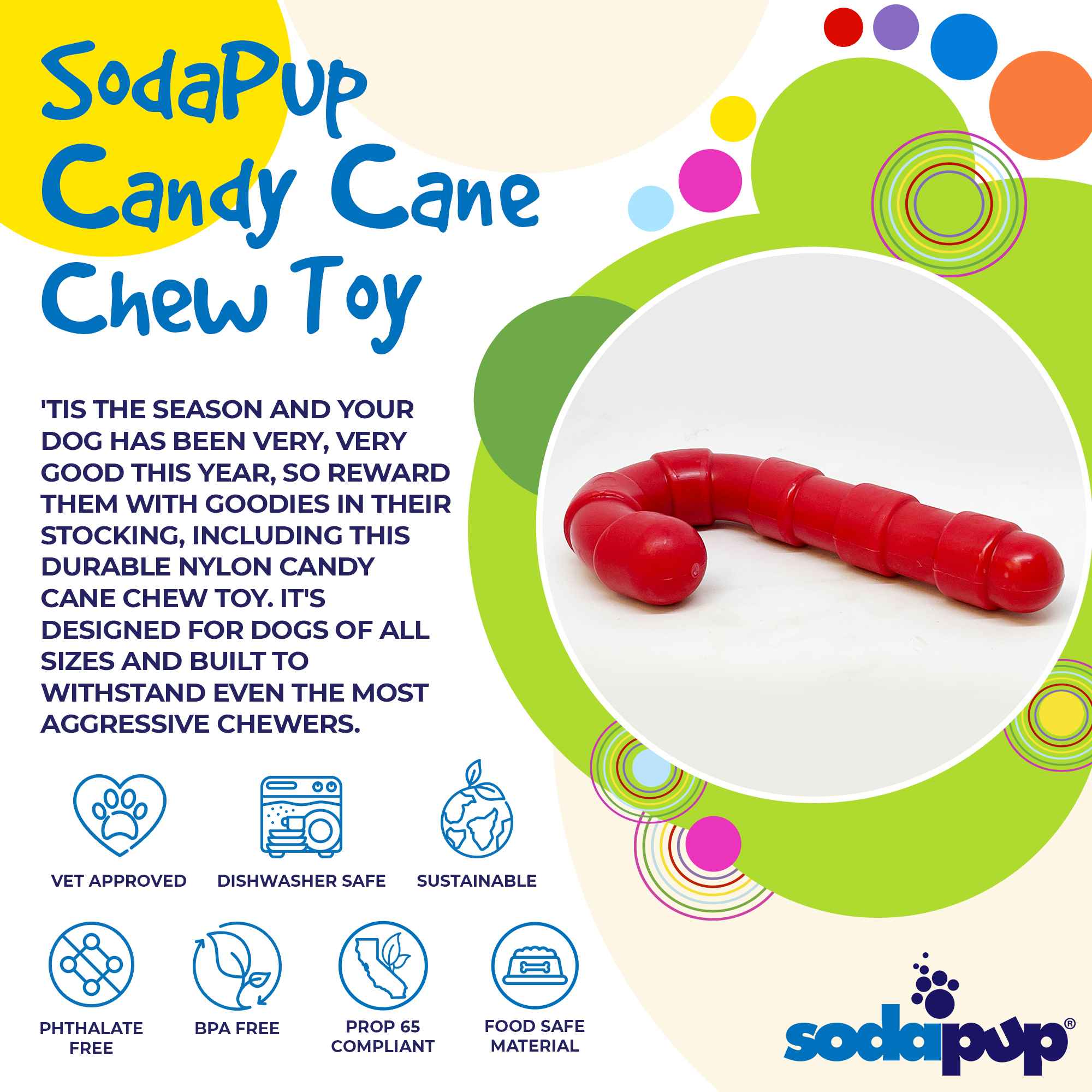
Nylon is a synthetic polymer made from strong fibers. It is tough and resists wear from chewing. The material is lightweight and flexible, making it easy for dogs to carry. Nylon does not absorb water, reducing bacteria build-up. It is non-toxic and used in many pet products. This material holds up well against aggressive chewers.
Benefits Of Nylon Toys For Dogs
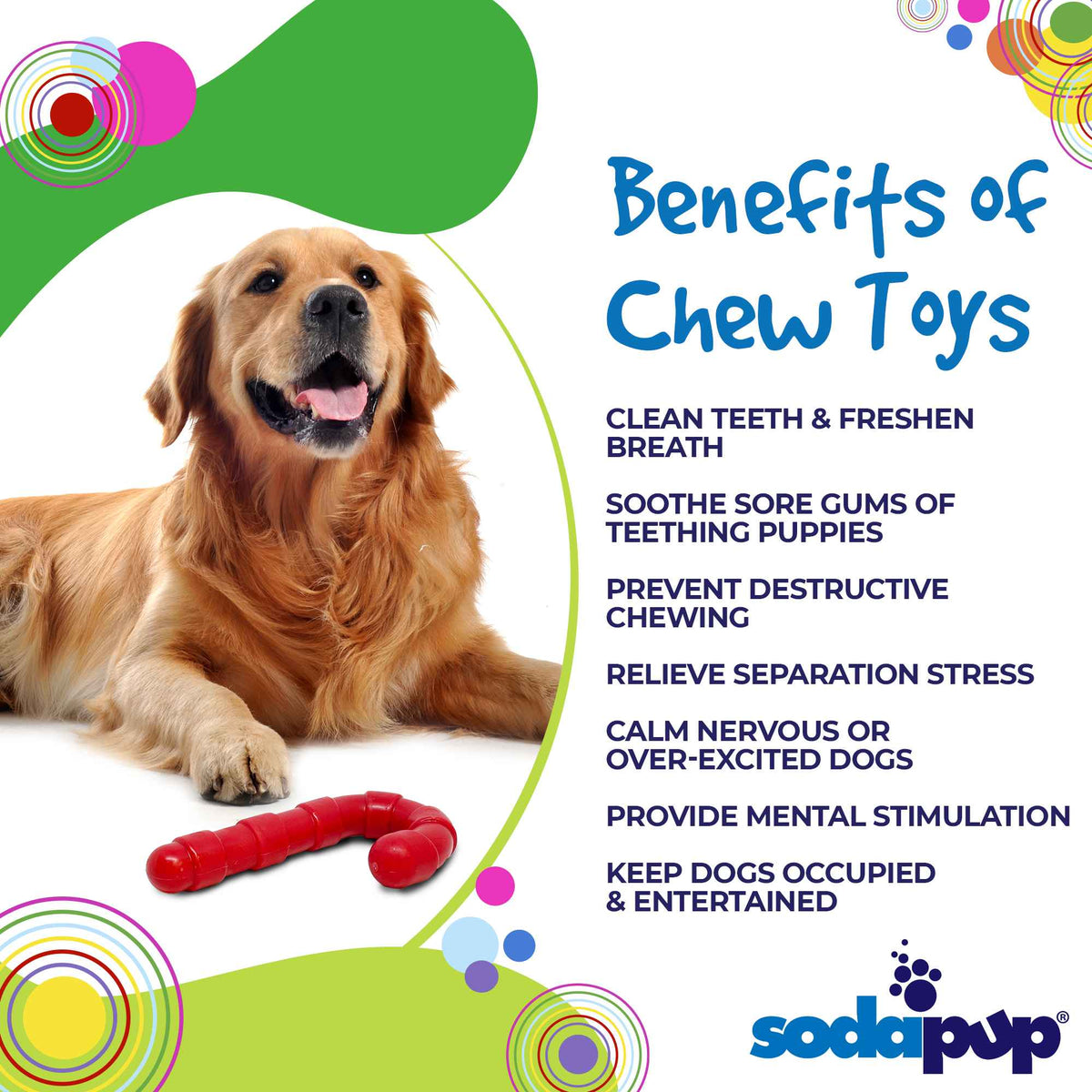
Nylon toys last longer than many other materials. They help keep dogs’ teeth clean by scraping away plaque. These toys offer a satisfying chew experience without splintering. Nylon can be made in various shapes and sizes to suit different breeds. It encourages healthy chewing habits and mental stimulation. Many dogs find nylon toys enjoyable and engaging.
Common Concerns With Nylon Toys
Some dogs may chew too hard and break pieces off. Small nylon fragments can pose choking hazards if swallowed. Certain low-quality nylon toys may contain unsafe chemicals. Dogs with very strong jaws might damage the toy quickly. Supervision is important when dogs play with nylon toys. Choosing reputable brands reduces risk and ensures better safety.
Credit: sodapup.com
Risks Linked To Nylon Toys
Nylon toys are popular for dogs because they last long and seem safe. Yet, these toys come with some risks owners should know. Understanding these risks helps keep dogs safe and happy.
Choking Hazards
Small pieces of nylon can break off during play. Dogs may swallow these pieces by mistake. This can block their throat or stomach. Choking is a serious danger for dogs with nylon toys.
Always watch your dog while playing with nylon toys. Remove toys that show damage or small broken parts.
Toxicity Issues
Some nylon toys contain chemicals that may harm dogs. These chemicals can cause allergies or stomach problems. Chewing on these toys can release harmful substances inside a dog’s mouth.
Choose nylon toys labeled non-toxic and safe for pets. Avoid cheap or unknown brands that may use harmful materials.
Wear And Tear Problems
Nylon toys wear down over time and get rough edges. These edges can hurt your dog’s gums and mouth. Sharp pieces can cause cuts or infections.
Check nylon toys regularly for cracks and sharp parts. Replace toys that look worn out or damaged to protect your dog’s health.
Choosing Safe Nylon Toys
Choosing safe nylon toys is important for your dog’s health and happiness. Nylon toys can be strong and long-lasting. But not all nylon toys are safe. Some may break easily or have harmful chemicals. Picking the right toy means thinking about size, quality, and brand trust.
Safe nylon toys help prevent choking and injuries. They also keep your dog busy and active. Let’s explore how to choose the best nylon toys.
Size And Durability Considerations
Pick a toy that fits your dog’s size. Small toys can be swallowed or stuck in the throat. Large dogs need bigger, tougher toys. Check the toy’s hardness. It should last but not hurt your dog’s teeth. Soft nylon toys may break faster. Harder ones are better for strong chewers. Watch your dog play to spot damage early.
Certifications And Quality Marks
Look for toys with safety certifications. These show the toy passed safety tests. Check for non-toxic labels. Avoid toys with harmful chemicals or dyes. Quality marks mean the toy meets standards. These marks help you trust the product. Choose toys made in countries with strict rules. This lowers risk of unsafe materials.
Recommended Brands And Products
Choose well-known brands with good reviews. Brands that focus on pet safety often use better materials. Some brands offer nylon toys designed for strong chewers. Look for toys made of BPA-free nylon. Read product descriptions carefully. Avoid very cheap toys as they may use poor materials. Trusted brands help keep your dog safe and happy.

Credit: talis-us.com
Monitoring Your Dog During Play
Monitoring your dog during play is essential for their safety. Nylon toys are durable, but dogs can still damage them. Watch your dog closely to catch any problems early. This helps prevent choking or swallowing small pieces. Playtime should stay fun and safe.
Signs Of Toy Damage
Check toys often for cracks, holes, or missing parts. Look for sharp edges that can hurt your dog. Pieces that come off easily are dangerous. A damaged toy might break apart more during play. Stop using toys that show these signs.
Behavioral Changes To Watch For
Notice if your dog chews more aggressively or oddly. Sudden changes might mean the toy causes discomfort. Watch for coughing, gagging, or pawing at the mouth. These signs may show your dog swallowed a piece. Act fast to keep your dog safe.
When To Replace Nylon Toys
Replace nylon toys as soon as damage appears. Do not wait for the toy to break completely. A worn toy can harm your dog’s teeth or digestive system. Keep extra toys ready to swap in at any time. Regular replacement keeps playtime safe and fun.
Alternatives To Nylon Toys
Choosing safe toys for dogs is very important. Nylon toys might not suit every dog. Some dogs chew too hard and break these toys. This can cause small pieces to come off. These pieces might be swallowed and cause harm.
Many pet owners prefer alternatives. These options can be safer and more natural. They also offer variety and fun for your dog.
Natural Material Toys
Toys made from natural materials are gentle on dogs’ teeth. Wood and cotton are popular choices. They do not contain harmful chemicals. These toys often last longer with soft chewers. They feel more natural in your dog’s mouth. Always check for splinters or loose parts.
Rubber And Silicone Options
Rubber and silicone toys are strong and flexible. These materials can handle rough chewing. They are non-toxic and easy to clean. Many dogs enjoy the texture and bounce. These toys also help clean teeth and gums. Look for BPA-free and food-grade labels.
Diy Dog Toys
Making your own dog toys can be fun and safe. Old t-shirts can become braided tug toys. Tennis balls with holes make good treat dispensers. Avoid small parts that dogs can swallow. DIY toys let you control the materials used. Always supervise your dog with new toys.
Credit: sodapup.com
Maintenance And Cleaning Tips
Keeping your dog’s nylon toys clean and well-maintained is very important. Clean toys help stop germs and keep your dog healthy. Dirty toys can cause infections or make your dog sick. Follow simple steps to clean and store these toys properly.
Safe Cleaning Methods
Wash nylon toys with warm water and mild soap. Use a soft brush to scrub away dirt. Avoid harsh chemicals that can harm your dog. Rinse the toy well to remove all soap. Let the toy air dry completely before giving it back to your dog.
Frequency Of Cleaning
Clean your dog’s nylon toys at least once a week. If your dog chews them a lot, clean more often. After outdoor play, wash the toys to remove mud and germs. Regular cleaning stops bacteria from building up on the toys.
Storage Recommendations
Store nylon toys in a clean, dry place. Keep them away from dirt and moisture. Use a basket or box to keep toys organized. Avoid leaving toys outside where they can get dirty or damaged. Proper storage helps toys last longer and stay safe for your dog.
Frequently Asked Questions
Are Nylon Toys Non-toxic For Dogs?
Nylon toys are generally non-toxic and safe for dogs. Always check for quality and avoid toys with harmful chemicals or small parts.
Can Nylon Toys Cause Choking Hazards?
Yes, if dogs chew aggressively, small broken pieces may cause choking. Supervise playtime and replace damaged toys promptly.
How Durable Are Nylon Dog Toys?
Nylon toys are highly durable and withstand strong chewing. They last longer than rubber or plush toys for most dogs.
Are Nylon Toys Better Than Rubber Toys?
Nylon toys are harder and more durable, while rubber toys offer more flexibility. Choice depends on your dog’s chewing style.
Conclusion
Nylon toys can be safe for dogs if chosen carefully. Pick toys that match your dog’s size and chewing strength. Watch your pet while playing to avoid accidents. Replace toys if they start to break or splinter. Clean the toys regularly to keep germs away.
Safe play helps keep dogs happy and healthy. Always choose quality nylon toys from trusted brands. Your dog will enjoy hours of fun without risk. Simple steps make a big difference in pet safety. Nylon toys can be a smart choice for many dogs.


