

Have you ever wondered how to keep your dog looking and feeling their best? Learning to groom dogs is easier than you think, and it can save you time and money while strengthening the bond with your furry friend.
Whether your dog has long, fluffy fur or a short, sleek coat, mastering simple grooming skills will make a huge difference in their health and happiness. You’ll discover practical tips and easy steps that anyone can follow to become confident at dog grooming.
Ready to make your dog shine? Let’s get started!

Credit: www.youtube.com
Basic Grooming Tools
Basic grooming tools are the foundation for caring for your dog’s coat and skin. Having the right tools makes grooming easier and safer. It helps keep your dog healthy and comfortable. Knowing which tools to use is the first step in learning to groom dogs.
Essential Brushes And Combs
Brushes and combs remove dirt, loose hair, and tangles. Different coats need different brushes. A slicker brush works well for dogs with curly or thick hair. A bristle brush suits short-haired breeds. A metal comb helps find small mats and debris. Regular brushing prevents matting and skin problems.
Clippers And Scissors
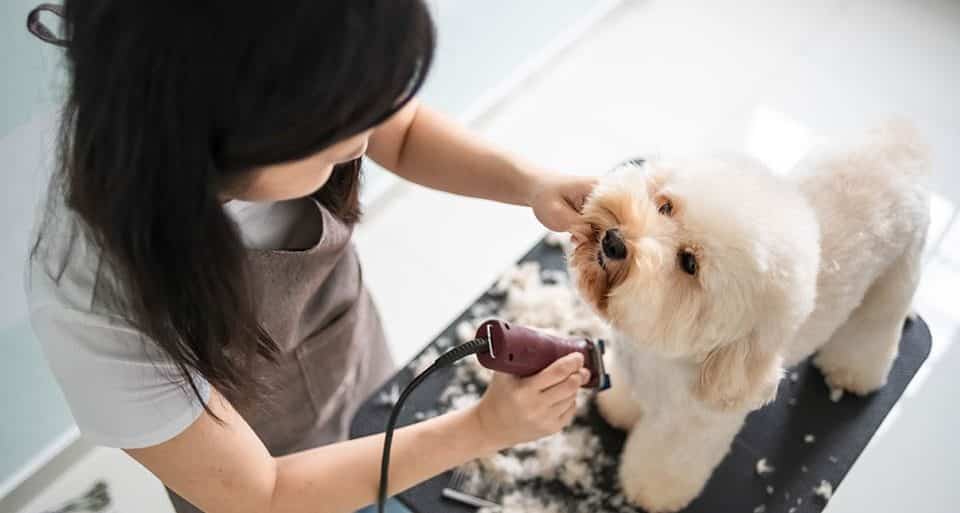
Clippers trim long or thick fur quickly. Choose clippers with quiet motors to avoid scaring dogs. Use different blade sizes for various coat lengths. Scissors help with detailed trimming around ears, paws, and face. Rounded-tip scissors keep grooming safe and prevent cuts. Sharp tools make clean cuts and reduce pulling.
Shampoos And Conditioners
Shampoos clean your dog’s coat and skin gently. Select shampoos made for dogs, as human ones can irritate skin. Conditioners soften the coat and reduce tangles. Some conditioners also add shine and moisture. Use products that suit your dog’s skin type and coat condition. Clean skin supports a healthy, shiny coat.
Preparing Your Dog
Preparing your dog for grooming is an important first step. It helps your dog feel safe and relaxed during the process. Taking time to prepare can make grooming easier and more pleasant for both of you.
Creating A Calm Environment
Choose a quiet, comfortable space for grooming. Keep noise and distractions to a minimum. Soft lighting helps your dog stay calm. Use gentle, steady movements to avoid startling your dog. A calm setting reduces stress and builds trust.
Getting Your Dog Comfortable
Let your dog explore grooming tools before starting. Offer treats and praise to create positive feelings. Touch your dog gently on paws and ears to get them used to handling. Short, calm sessions help your dog relax. Patience is key to building comfort.
Establishing A Routine
Set a regular grooming schedule. Consistency helps your dog know what to expect. Start with short sessions and slowly increase time. Routine builds confidence and reduces anxiety. Grooming becomes a normal part of your dog’s life.
Brushing Techniques
Brushing is a key part of dog grooming. It keeps the coat healthy and clean. Good brushing removes dirt and loose hair. It also helps prevent skin problems. Different dogs need different brushing methods. Learning the right way makes grooming easier and safer.
Detangling And Removing Mats
Start by checking the coat for tangles and mats. Use a wide-tooth comb to gently work through knots. Hold the hair close to the skin to avoid pulling. Mats can hurt the dog if pulled too hard. For tough mats, use a mat splitter or scissors carefully. Always be gentle and patient during this process.
Brushing Different Coat Types
Short hair dogs need a soft bristle brush. It removes loose hair and dirt without hurting the skin. For long hair dogs, use a slicker brush. It reaches the undercoat and removes tangles. Curly or wiry coats require a comb to reach deep fur. Choose the right tool for your dog’s coat type.
Frequency And Timing
Brush your dog regularly. Daily brushing suits long or thick coats. Short-haired dogs benefit from brushing once or twice a week. Brush after baths to keep the coat smooth. Avoid brushing when the coat is wet to prevent damage. Regular brushing improves coat shine and health.

Credit: www.ipgicmg.com
Bathing Tips
Bathing is a key part of dog grooming. It keeps dogs clean and healthy. A good bath removes dirt, loose hair, and odors. Bathing also helps spot skin problems early. Knowing the right steps makes the process easier for you and your dog.
Choosing The Right Shampoo
Select a shampoo made for dogs only. Human shampoos can irritate their skin. Pick one that suits your dog’s coat type. For example, use moisturizing shampoo for dry skin. Hypoallergenic options are best for sensitive skin. Avoid shampoos with strong perfumes or chemicals.
Proper Bathing Steps
Brush your dog before the bath to remove tangles. Use lukewarm water; not too hot or cold. Wet your dog’s coat fully and apply shampoo. Work the shampoo into a rich lather gently. Clean the face with a damp cloth, no soap. Rinse thoroughly to remove all shampoo. Leftover soap can cause itching or rashes.
Drying Methods
Use a towel to blot your dog dry. Avoid rubbing too hard to prevent tangles. For long-haired dogs, use a blow dryer on low heat. Keep the dryer moving and at a safe distance. Let your dog air dry in a warm room if possible. Make sure your dog is fully dry to avoid skin issues.
Trimming And Clipping
Trimming and clipping are key parts of dog grooming. They keep your dog clean and comfortable. Regular trimming stops mats and tangles. It also helps your dog look neat. Clippers and scissors are tools for cutting fur. Using them right makes grooming safe and easy.
Safe Use Of Clippers
Choose clippers that fit your dog’s coat type. Use sharp blades for smooth cuts. Always check the clipper temperature. Warm clippers can burn your dog’s skin. Move slowly and gently while clipping. Avoid pressing too hard on the skin. Stop if your dog shows signs of stress.
Trimming Around Sensitive Areas
Focus carefully near eyes, ears, and paws. Use small scissors or a clipper guard here. Trim small amounts at a time. Keep your dog calm with soft words. Watch for sudden movements. Protect these areas to avoid cuts and discomfort.
Nail Care Basics
Check nails every two weeks. Use dog nail clippers or grinders. Cut only the sharp tip to avoid pain. Look for the quick, the pink part inside the nail. Avoid cutting the quick to stop bleeding. Praise your dog after each nail trim for calm behavior.
Ear And Teeth Care
Ear and teeth care are key parts of dog grooming. Clean ears help prevent infections and keep dogs comfortable. Healthy teeth stop bad breath and painful problems. Both need gentle, regular attention for the best results.
Cleaning Ears Safely
Check your dog’s ears for dirt or smell. Use a vet-approved ear cleaner and cotton balls. Never insert anything deep into the ear canal. Gently wipe the visible part of the ear.
Look for redness, swelling, or bad odor. These signs mean you should visit a vet. Clean ears once every one or two weeks. This keeps infections from starting and reduces wax buildup.
Maintaining Oral Hygiene
Brush your dog’s teeth with a soft toothbrush. Use toothpaste made for dogs, never human toothpaste. Start slowly to help your dog get used to it.
Brush at least two to three times a week. Healthy teeth prevent gum disease and tooth loss. Give dental chews to help clean teeth naturally.
Common Mistakes To Avoid
Learning to groom dogs takes practice and care. Avoiding common mistakes helps keep dogs safe and happy. Mistakes can cause stress for both groomer and dog. Know what to watch for to improve your skills.
Over-grooming Risks
Grooming too often can harm a dog’s skin. It may cause dryness, irritation, or even wounds. Cutting hair too short can expose skin to sunburn. Avoid using strong shampoos that strip natural oils. Give the coat time to recover between sessions.
Handling Uncooperative Dogs
Some dogs resist grooming because of fear or pain. Forcing them can lead to biting or injury. Stay calm and patient to build trust. Use gentle movements and breaks during grooming. Try treats or toys to help dogs relax.
Ignoring Health Signs
Grooming is a good time to check a dog’s health. Look for lumps, bumps, or skin changes. Notice if the dog limps or has red eyes. Ignoring these signs delays important care. Report any unusual findings to a vet quickly.
When To Seek Professional Help
Knowing when to seek professional help is important for dog grooming. Some grooming tasks need special skills and tools. Trying these at home can hurt your dog or cause stress. Understanding your dog’s grooming needs helps keep them healthy and happy.
Recognizing Complex Grooming Needs
Some dogs have thick, long, or curly fur that mats easily. Mats can pull on the skin and cause pain. Dogs with skin problems or infections need gentle care. Special cuts or styles may need a trained groomer. Older dogs or those with health issues need careful handling. Professionals know how to manage these challenges safely.
Finding A Reliable Groomer
Choose a groomer with good reviews and experience. Ask about their training and pet handling skills. Visit the salon to check cleanliness and equipment. A good groomer listens to your concerns about your dog. Trust builds with gentle care and clear communication. Reliable groomers keep your dog calm and comfortable.
Credit: www.rover.com
Frequently Asked Questions
What Tools Do I Need To Start Dog Grooming?
Basic tools include brushes, combs, clippers, scissors, and nail trimmers. Quality tools ensure safe and effective grooming for dogs of all sizes and coats.
How Often Should I Groom My Dog?
Grooming frequency depends on breed and coat type. Generally, dogs need grooming every 4 to 8 weeks to maintain coat health and prevent matting.
Can I Groom My Dog At Home Safely?
Yes, with proper tools and techniques, home grooming is safe. Start slowly, keep your dog calm, and follow breed-specific grooming steps carefully.
What Skills Are Essential For Learning Dog Grooming?
Key skills include understanding dog behavior, mastering brushing, clipping, bathing, and nail trimming. Patience and consistency improve grooming efficiency and dog comfort.
Conclusion
Learning to groom dogs takes time and patience. Start with basic tools and simple steps. Practice regularly to build confidence and skill. Always be gentle and calm with your dog. Keep learning from videos, books, or experts. Grooming helps your dog stay healthy and happy.
Enjoy the bonding time while you groom. Small efforts make a big difference. Stay consistent, and you will improve fast. Remember, every dog is unique and needs care. Keep your dog’s comfort as your top priority.


