

If you’re thinking about getting a dog from a breeder, you’ve probably seen contracts that promise certain things about your new pet. But have you ever wondered if these contracts really hold up in court?
Understanding this can save you a lot of trouble and protect your rights as a dog owner. You’ll learn what breeder contracts usually cover, when they are legally binding, and what to watch out for before you sign. Keep reading to make sure you’re fully prepared and avoid surprises down the road.
Purpose Of Dog Breeder Contracts
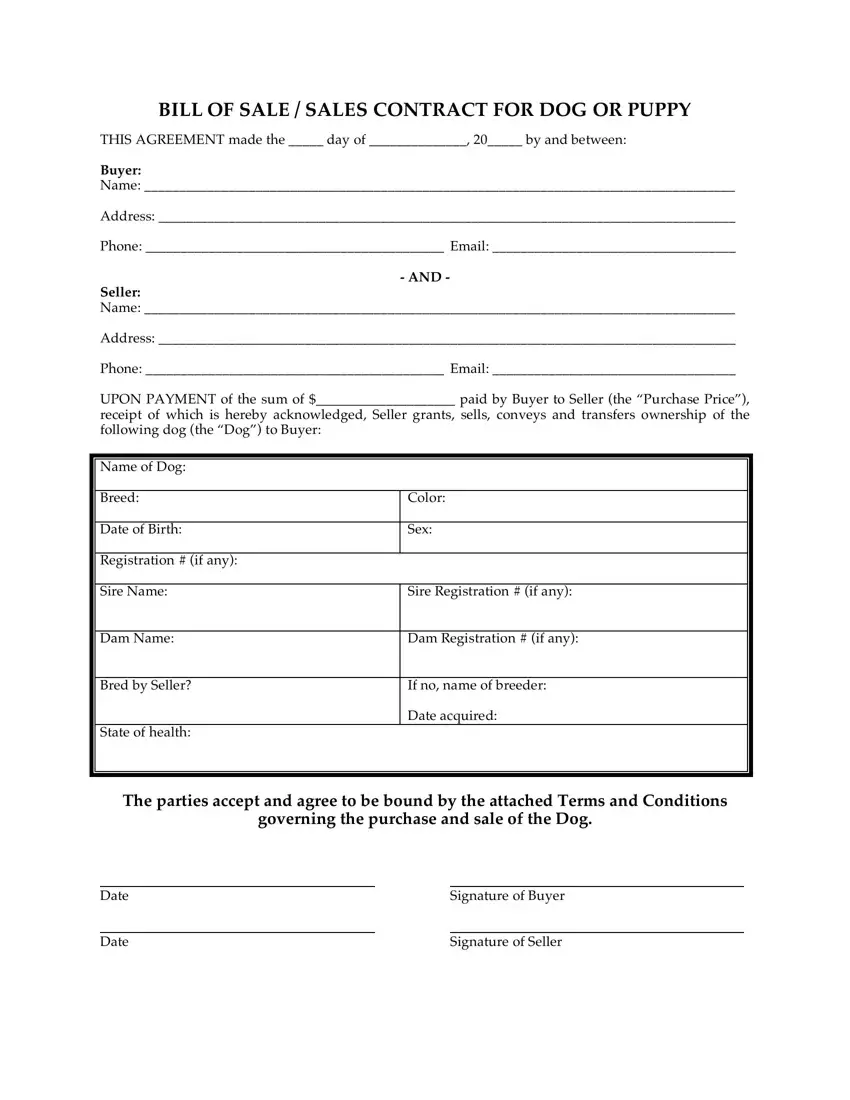
Dog breeder contracts serve an important role in pet sales. They clearly set the rules both buyers and breeders must follow. These agreements help avoid confusion or disputes later. Buyers understand their responsibilities, and breeders protect their rights. The contract acts as a written promise about the puppy’s care, health, and future. It also outlines what happens if problems arise. This clarity builds trust between both parties and ensures a smooth process.
Common Terms And Conditions
Most dog breeder contracts include basic rules. They cover the puppy’s health guarantees and vaccinations. The contract states if the dog can be used for breeding. It may list return policies if the buyer cannot keep the pet. Buyers often agree to provide proper care and vet visits. The contract can limit selling or giving the dog to others. Some include spay/neuter agreements and restrictions on breeding. These terms help keep puppies safe and healthy.
Protecting Breeders And Buyers
Contracts protect breeders from buyers who break rules. They stop puppies from ending up in bad homes. Breeders can ask for the dog back if conditions are not met. Buyers gain protection too. They get health warranties and support if problems occur. Clear contracts reduce legal risks and misunderstandings. Both sides know their rights and duties. This balance helps create a fair, respectful relationship.
Credit: formspal.com
Legal Status Of Breeder Contracts
Breeder contracts are legal agreements between dog breeders and buyers. These contracts set terms for the sale, care, and sometimes return of the dog. Their legal status depends on many factors, including local laws and contract details. Understanding how courts view these contracts helps both breeders and buyers protect their rights.
Enforceability In Different Jurisdictions
Breeder contracts may not hold the same power everywhere. Each state or country has its own laws about animal sales and contracts. Some places treat breeder contracts like regular sales agreements. Others see them as special and apply unique rules.
Court decisions vary widely. Some courts enforce all parts of the contract strictly. Others may ignore sections that seem unfair or unclear. Knowing local laws helps to write a contract that a court will respect.
Key Legal Principles Involved
Contract law basics apply to breeder contracts. Both sides must agree freely and understand the terms. The contract must have clear details about payment, health guarantees, and return policies.
Courts look for fairness. If a contract is one-sided or deceptive, it may not be enforced. Health warranties usually need proof and clear limits. Terms about returning a dog often require specific conditions to be valid.
Clear language and honest terms improve a contract’s chance in court. Breeders and buyers benefit from simple, fair agreements that protect all parties.
Typical Disputes And Challenges
Dog breeder contracts often lead to disputes and challenges. These issues arise from unclear terms or unmet expectations. Understanding common problems helps buyers and breeders avoid conflicts. Legal courts review these disputes to decide if contracts hold up. The following sections explain typical issues found in breeder contracts.
Breach Of Contract Issues
Breach of contract happens when one party fails to follow the agreement. Buyers may claim breeders did not deliver the promised dog or papers. Breeders might argue buyers broke payment terms or care rules. Courts check the contract details and evidence. Clear, written agreements reduce breach risks and protect both sides.
Health Guarantees And Refunds
Health guarantees promise the puppy is free from certain diseases at sale. Buyers expect refunds or replacements if health problems appear soon after purchase. Disputes occur over proof of illness or timing. Some contracts limit refunds to specific conditions or timeframes. Courts often require medical records and expert opinions in these cases.
Return And Rehoming Clauses
Return clauses say buyers must return the dog if they cannot keep it. Rehoming rules may restrict selling or giving the dog to others. Conflicts arise when buyers ignore these clauses or breeders refuse returns. Courts look at fairness and contract clarity. Clear return policies help prevent misunderstandings and legal fights.
Court Cases Involving Breeder Contracts
Dog breeder contracts often cause disputes. Courts have reviewed these agreements to decide if they hold legal weight. Several cases show how judges handle contract terms and buyer-seller disagreements. Understanding these cases helps both breeders and buyers know their rights.
Contract clarity and fairness often affect court decisions. Judges look closely at wording, promises made, and actions by both parties. The results guide future contract writing and dispute resolution.
Notable Legal Precedents
Some court cases set important rules for breeder contracts. One case involved a buyer who claimed the dog had health problems not disclosed. The court checked if the contract mentioned health guarantees. It ruled that clear contract terms must be followed strictly.
Another case focused on return policies. The buyer wanted to return the dog, but the breeder refused. The court examined the contract’s return clause. It showed that vague or missing terms weaken a party’s position in court.
Outcomes And Lessons Learned
Courts often enforce breeder contracts if they are clear and fair. Contracts with detailed health, return, and behavior terms work best. Buyers and breeders benefit from precise language to avoid misunderstandings.
Many cases teach the value of honesty and full disclosure. Breeders must share all known dog information. Buyers should read contracts carefully before signing. Clear contracts can prevent costly legal battles.
Factors Influencing Court Decisions
Court decisions on dog breeder contracts depend on many factors. Judges review the contract details carefully. They check how clear the terms are. They also consider the buyer’s understanding. Proof of communication plays a key role. These factors guide judges in their rulings.
Clarity And Specificity Of Terms
Clear contracts hold more weight in court. Specific terms reduce confusion and disputes. Vague language can weaken a contract’s power. Details about health guarantees, returns, and responsibilities matter. Precise wording helps judges enforce the agreement.
Buyer Awareness And Consent
Buyers must know what they agree to. Courts check if buyers read and accepted terms. Signed contracts show consent but courts want proof of understanding. If buyers were misled, contracts may be invalid. Transparency about terms is crucial.
Documentation And Communication
Written records support contract enforcement. Emails, messages, or receipts prove discussions. Good communication shows good faith from both sides. Courts favor parties who keep clear records. Lack of documentation can hurt a case.

Credit: www.dochub.com
Tips For Buyers When Signing Contracts
Signing a contract with a dog breeder is an important step for any buyer. These contracts protect both the buyer and the breeder. They clarify expectations and responsibilities. Buyers should pay close attention before signing. Understanding the contract helps avoid future problems. Here are some tips for buyers to keep in mind when signing breeder contracts.
What To Look For
Check the contract for clear information about the dog. Look for details on the breed, health guarantees, and return policies. Make sure the contract states the breeder’s responsibilities. Notice if there are any fees or penalties. Watch out for vague or confusing terms. Contracts should be easy to understand and fair. Avoid signing if anything seems unfair or unclear.
Negotiating Terms
Buyers can ask to change contract terms. Discuss points that seem unfair or too strict. Some breeders may agree to remove or adjust certain clauses. Negotiation helps protect your rights as a buyer. Don’t be afraid to speak up or ask questions. A good breeder will listen and explain the terms clearly. Remember, a contract should work for both sides.
Seeking Legal Advice
Consider asking a lawyer to review the contract. A legal expert can spot problems you might miss. They explain legal terms in simple language. This helps you understand your rights and duties. Legal advice is especially important for expensive or rare breeds. It can save you from costly mistakes later. Taking this step shows you take the purchase seriously.
Advice For Breeders Drafting Contracts
Drafting a dog breeder contract needs care and attention. A well-written contract protects breeders and buyers. It sets clear rules about the sale and care of puppies. Contracts that are fair and clear often hold up in court. Breeders benefit from simple yet thorough contracts.
Good contracts reduce conflicts and build trust. They explain expectations and responsibilities clearly. Breeders should think about legal rules and buyer relations. This helps make contracts strong and respected.
Ensuring Legal Compliance
Breeders must follow state and local laws. Check regulations about animal sales and health standards. Use legal terms that courts recognize easily. Avoid vague language that can confuse or cause disputes. Consult a lawyer to review your contract. This step helps avoid future legal problems.
Clear And Fair Provisions
Write each rule simply and directly. Describe puppy health guarantees and buyer obligations clearly. Include terms on returns, refunds, and care instructions. Fair rules protect both parties and reduce misunderstandings. Avoid harsh penalties that buyers may reject. Transparency creates respect and trust.
Maintaining Good Buyer Relations
Keep communication open and honest with buyers. Explain contract terms before signing to prevent surprises. Show willingness to help with puppy care questions. Positive buyer relations encourage good reviews and repeat business. Contracts should support friendly and professional connections.

Credit: www.akc.org
Frequently Asked Questions
Do Dog Breeder Contracts Have Legal Enforceability?
Dog breeder contracts are generally enforceable if they are clear and fair. Courts review contract terms and ensure both parties agree willingly. However, vague or unreasonable clauses may be invalidated. Properly drafted contracts protect breeders and buyers and hold up in court.
What Key Terms Are Included In Breeder Contracts?
Typical breeder contracts include health guarantees, spay/neuter agreements, return policies, and payment terms. These clauses set clear expectations and responsibilities for both parties. Including detailed terms helps avoid disputes and strengthens the contract’s legal standing.
Can Breeder Contracts Prevent Puppy Resale?
Yes, many breeder contracts include clauses restricting resale or transfer of puppies. These clauses aim to protect the dog’s welfare and breeder’s reputation. Courts may enforce such restrictions if they are reasonable and clearly stated in the contract.
How To Handle Contract Disputes With Breeders?
In case of disputes, try resolving issues through communication or mediation first. If unresolved, legal action may be necessary, and courts will review contract validity. Keeping a signed, detailed contract helps significantly in dispute resolution and court outcomes.
Conclusion
Dog breeder contracts can hold up in court if written clearly. Courts look for fair, specific terms that both sides agree on. Vague or unfair clauses may not be enforced. Always read contracts carefully before signing. Clear communication helps avoid disputes later.
Knowing your rights protects you and your pet. Contracts are tools, not guarantees. They work best when both parties act honestly. Stay informed and ask questions to understand every part. This way, contracts serve their purpose well in protecting all involved.


