

Getting your new puppy housebroken can feel like a big challenge, but it doesn’t have to be frustrating. If you want to enjoy a clean home and a happy pup, the right training tips can make all the difference.
You’ll learn simple, effective steps that help your puppy understand where to go and when. Imagine fewer accidents and more wagging tails—this guide will show you how to get there quickly. Ready to make housebreaking easier and stress-free for both you and your furry friend?
Keep reading to discover the best puppy training tips that really work.
Credit: www.triconbuildwell.com
Preparing For Housebreaking
Preparing for housebreaking is the first step to help your puppy learn good habits. It takes patience and clear planning. You need to set up a routine and the right space. This helps your puppy feel safe and understand what is expected.
Choosing The Right Supplies
Select supplies that make training easier. Puppy pads or newspapers help during the early days. A leash and collar keep your puppy close during outdoor trips. Clean-up bags and gentle cleaners keep your home fresh. Having the right tools ready speeds up the training process.
Setting A Consistent Schedule
Puppies learn best with a steady routine. Take your puppy out at the same times each day. Regular feeding times help predict bathroom needs. Schedule trips after meals, play, and naps. Consistency reduces accidents and helps your puppy learn faster.
Creating A Safe Space
Give your puppy a small, cozy area to stay. Use a crate or a gated corner. This space should be comfy and quiet. It helps your puppy feel secure and calm. Puppies avoid soiling where they sleep, making housebreaking easier.
Effective Potty Training Techniques
Potty training is a key step in raising a happy puppy. Effective techniques make this process easier for both you and your pet. Clear methods help your puppy learn where to go. Consistency and patience are essential. Here are some proven potty training techniques to try.
Using Crate Training
Crate training helps puppies learn to hold their bladder. Dogs naturally avoid soiling their sleeping area. Choose a crate that fits your puppy comfortably. Keep the crate clean and cozy. Use the crate for short periods, increasing time gradually. Take your puppy outside immediately after letting them out. This builds a strong habit of going outdoors.
Positive Reinforcement Methods
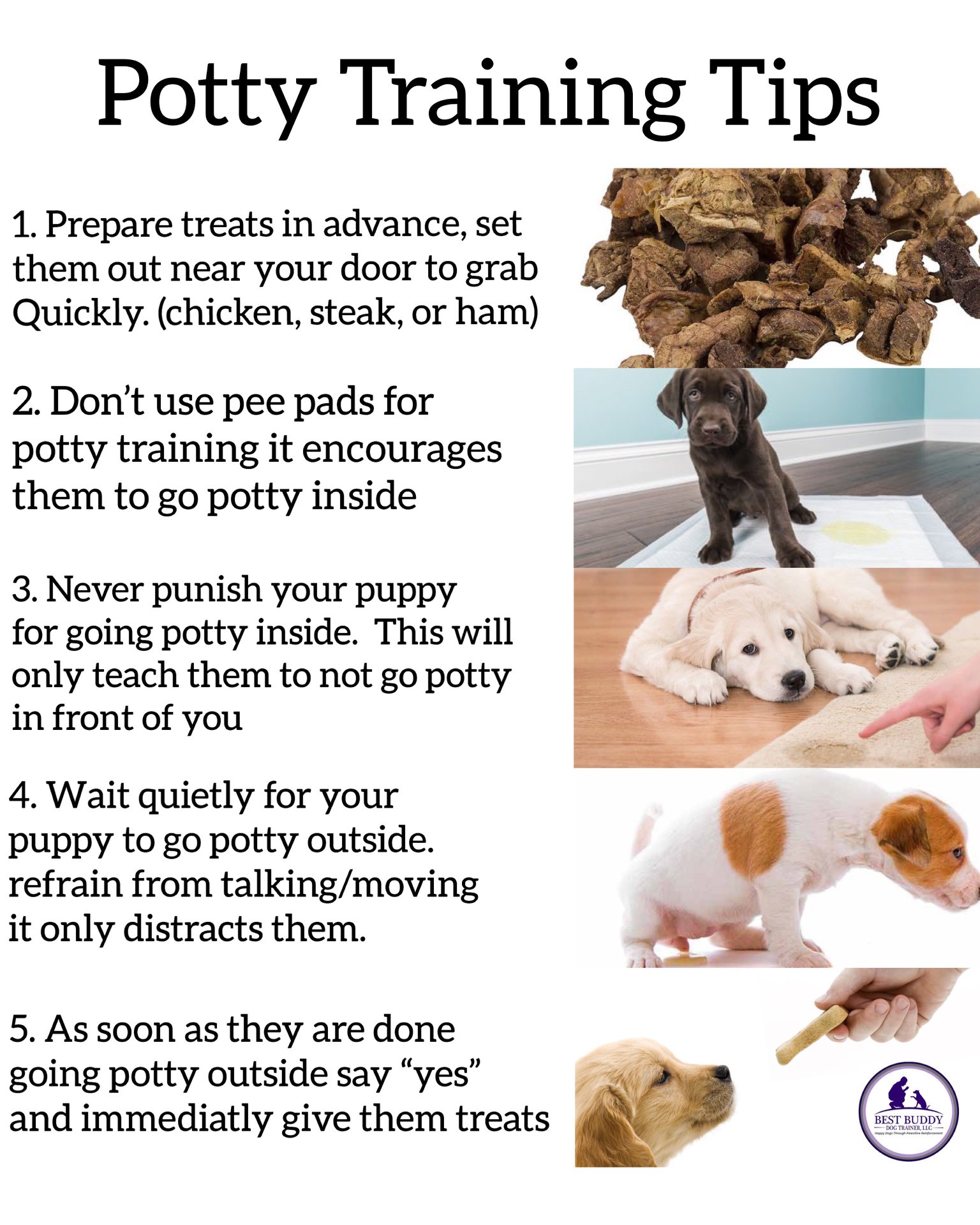
Reward your puppy for going potty outside. Use treats, praise, or petting as rewards. Consistent rewards encourage good behavior. Avoid punishment for accidents inside. Punishment can cause fear and confusion. Instead, calmly clean up messes and redirect your puppy to the right spot. Positive reinforcement builds trust and confidence.
Recognizing Signs Your Puppy Needs To Go
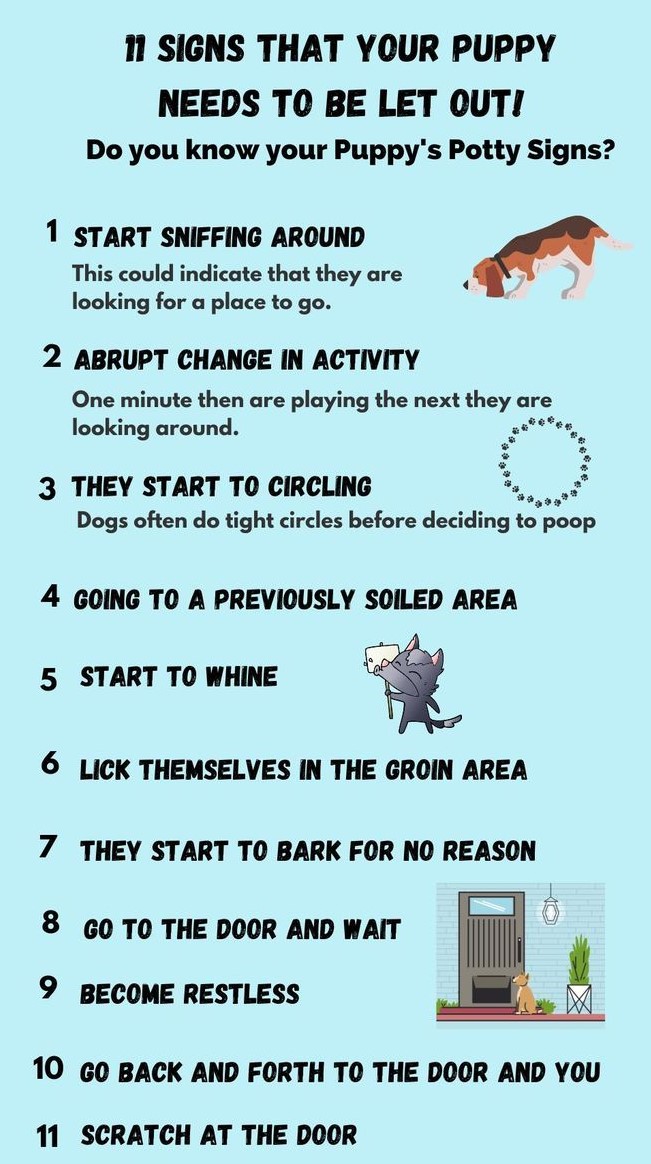
Watch your puppy’s behavior closely. Whining, sniffing, circling, or pacing often mean they need to go. Acting restless is another sign. Take your puppy outside quickly when you see these signs. Prompt action prevents accidents indoors. Over time, you’ll learn your puppy’s unique signals.
Dealing With Accidents
Accidents happen during puppy housebreaking. They are part of the learning process. Handling accidents well helps your puppy learn faster. Staying calm and consistent is key. It builds trust and good habits.
Cleaning Methods To Remove Odors
Use an enzymatic cleaner to remove urine smells. Regular cleaners may not break down odor fully. Odor left behind can make puppies go again in the same spot. Clean the area thoroughly and dry it well. This stops your puppy from repeating the accident.
Handling Mistakes Calmly
Stay calm when you find an accident. Do not yell or punish your puppy. They will not understand and may become scared. Gently take your puppy outside to the potty spot. Praise them if they finish there. Calm actions teach your puppy what you want.
Preventing Future Accidents
Watch your puppy closely for signs of needing to go. Take them outside often, especially after eating or sleeping. Use a consistent potty spot and routine. Praise and reward your puppy for going outside. This helps them learn where to go and when.
Credit: www.pressmatik.com.br
Outdoor Training Strategies
Outdoor training is a key part of housebreaking your puppy. Teaching your dog to go outside helps keep your home clean. It also builds good habits early on. Using clear outdoor strategies makes the process smooth and stress-free.
Choosing The Right Spot
Pick a quiet area outside for your puppy’s bathroom spot. This place should be easy to reach. Use the same spot each time. The familiar smell helps your puppy understand where to go. Avoid busy or noisy places that might scare your dog.
Encouraging Outdoor Elimination
Take your puppy out often, especially after meals and naps. Use a gentle, happy voice to praise your dog. Give treats right after your puppy finishes outside. This shows that outdoor elimination is good. Stay patient and consistent with your routine.
Managing Weather Challenges
Bad weather can make outdoor training hard. Use a covered area or a small tent if it rains. Dress your puppy in a light coat during cold days. Shorten outdoor trips but keep them regular. Comfort helps your puppy stay willing to go outside.
Troubleshooting Common Issues
Training a puppy to be housebroken can have ups and downs. Sometimes, problems pop up that can slow progress. Knowing how to handle these common issues helps keep training on track. Troubleshooting problems early saves time and stress.
Addressing Regression
Regression means your puppy starts having accidents after being trained. This can happen due to stress or changes at home. Stay calm and keep routines steady. Take your puppy outside more often. Praise good behavior immediately. Avoid punishment to prevent fear or confusion.
Managing Stubborn Behavior
Some puppies resist learning or ignore commands. Be patient and consistent with your training. Use clear, simple words and gentle tones. Reward your puppy with treats or playtime for following rules. Short training sessions work better than long ones. Stubbornness fades with steady practice.
When To Seek Professional Help
Some problems need expert advice. If accidents continue despite your efforts, talk to a trainer or vet. A professional can find hidden issues like health problems. They offer tailored advice for your puppy’s needs. Don’t wait too long to get help.

Credit: golive.ph
Maintaining Long-term Success
Maintaining long-term success in puppy housebreaking takes patience and consistency. Training does not end once your puppy learns the basics. It requires ongoing effort to keep good habits strong and prevent accidents. Your puppy grows and changes, so training should adapt too. This keeps your home clean and your puppy happy.
Gradual Freedom Inside The House
Give your puppy more freedom step by step. Start with small areas and watch carefully. Let your puppy explore new spaces only after they prove reliable. This helps prevent accidents in the house. It builds trust between you and your dog. Slow progress means fewer mistakes and more success.
Reinforcing Good Habits
Always praise your puppy for going outside. Use treats or kind words to show approval. Praise helps your puppy remember what to do. Clean up accidents calmly without scolding. Consistent rewards make good habits stronger. Keep training sessions short and positive to hold your puppy’s attention.
Adjusting Training As Puppy Grows
Your puppy’s needs change as they grow older. Adjust bathroom breaks to fit their age and size. Older puppies can hold longer and explore more. Watch for new challenges like distractions or stress. Change your training routine to address these issues. Staying flexible helps maintain your puppy’s success.
Frequently Asked Questions
How Long Does Puppy Housebreaking Usually Take?
Housebreaking a puppy typically takes 4 to 6 months. Consistency and patience are crucial for success. Frequent bathroom breaks and positive reinforcement speed up training.
What Is The Best Method For Puppy Housebreaking?
Positive reinforcement and a consistent schedule work best. Use praise and treats when your puppy eliminates outside. Avoid punishment to maintain trust and encourage learning.
How Often Should I Take My Puppy Outside?
Take your puppy outside every 1-2 hours initially. Also, after eating, drinking, playing, or waking up. Regular trips reduce accidents and help build a reliable routine.
What Supplies Help With Puppy Housebreaking?
Use a crate, puppy pads, and cleaning supplies. A crate helps with confinement and routine. Pads assist during early training. Clean accidents promptly with enzymatic cleaners to remove odors.
Conclusion
Training your puppy takes patience and consistency. Small steps lead to big progress. Praise good behavior often. Avoid punishment to keep trust strong. Remember, accidents happen—stay calm and try again. A happy puppy learns best in a loving home. Keep routines simple and clear.
Soon, your puppy will understand house rules well. Enjoy this special time together. Training builds a strong bond that lasts forever.


