
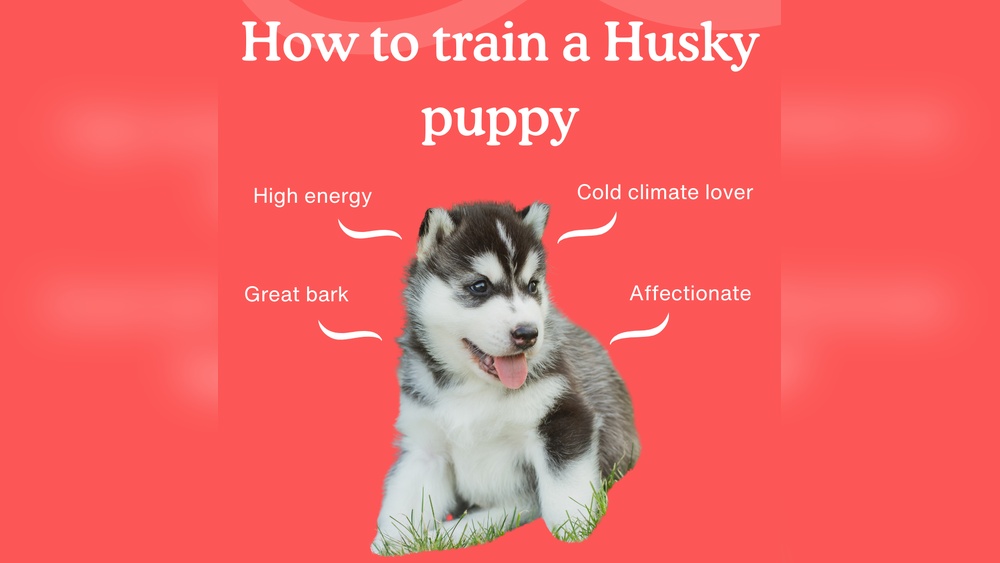
Bringing a husky puppy into your life is exciting, but it can also feel overwhelming. You want to give your new furry friend the best start possible, but where do you begin?
Understanding your husky’s unique needs will make training and caring for them easier—and more enjoyable. You’ll discover simple yet powerful tips that will help you build a strong bond, keep your puppy happy, and avoid common mistakes. Ready to unlock the secrets to raising a happy, healthy husky puppy?
Keep reading—your puppy will thank you!

Credit: www.youtube.com
Choosing The Right Husky Puppy
Choosing the right Husky puppy is a big step. Huskies are active and smart dogs. Picking the right puppy ensures a happy life together. Understanding what to check helps a lot. Focus on health, temperament, and breeder reputation. Each factor shapes your puppy’s future.
Selecting A Reputable Breeder
A good breeder cares for their dogs. They provide clean and safe homes. Ask about the puppy’s parents and health history. A responsible breeder shares vaccination and vet records. Avoid places that keep many dogs in poor conditions. Trust only those who answer questions clearly.
Assessing Puppy Health
Look for bright eyes and clean ears. The puppy should be active and curious. Check for a shiny coat without patches. Healthy puppies have firm bodies, not too thin or fat. Watch for any coughing or sneezing. A quick vet visit can confirm health before buying.
Temperament And Personality Traits
Huskies have different personalities. Some are calm, others very energetic. Spend time with the puppy to see how it reacts. Friendly and playful puppies adapt well to families. Avoid overly shy or aggressive ones. Choose a puppy that fits your lifestyle and home.
Preparing Your Home
Preparing your home for a Husky puppy is very important. A safe and comfortable space helps your puppy feel secure. It also makes training easier. This guide covers key steps to get your home ready for your new furry friend.
Creating A Safe Space
Choose a quiet area where your puppy can rest and relax. Use a cozy crate or a small pen. This helps your puppy learn boundaries. Make sure the space is free from hazards. Soft bedding and toys make the area inviting. Your puppy will feel calm and safe here.
Essential Supplies
Gather all necessary items before your puppy arrives. Food and water bowls are a must. Pick durable ones that are easy to clean. Stock up on puppy food suited for Huskies. Chew toys and teething rings help with biting. A collar and leash are important for walks. Don’t forget grooming tools like brushes and nail clippers.
Puppy-proofing Tips
Remove or secure anything that your puppy can chew. Hide electrical cords and keep small objects out of reach. Block off stairs and areas that are unsafe. Store cleaning products and medicines in cabinets. Check plants, some can be poisonous to dogs. Use baby gates to limit your puppy’s access. A safe home prevents accidents and keeps your puppy healthy.
Feeding And Nutrition
Feeding and nutrition play a big role in a husky puppy’s health. Good food helps them grow strong and stay active. Huskies have unique needs compared to other dogs. Understanding these needs ensures your puppy gets the right nutrients every day.
Balanced Diet For Huskies
Husky puppies need a balanced diet with protein, fats, and carbohydrates. Protein builds muscles and keeps energy high. Fats support brain development and coat health. Carbohydrates provide the energy for play and learning. Include quality meat, fish, and grains in their meals. Avoid fillers like corn or soy that offer little nutrition.
Feeding Schedule
Set a regular feeding schedule to keep your puppy healthy. Feed your husky puppy three to four times daily. Use measured portions to avoid overeating. Puppies have small stomachs and need frequent meals. Stick to the same times each day for better digestion and routine.
Avoiding Common Dietary Mistakes
Don’t feed your husky puppy human food or scraps. Avoid giving too many treats, which can cause weight gain. Avoid sudden changes in diet to prevent upset stomachs. Never feed bones that can splinter and harm your puppy. Fresh water must be available at all times.
Training Basics
Training a Husky puppy lays the foundation for good behavior. Start early to build trust and understanding. Consistency is key for successful training sessions.
Keep training short and fun to hold your puppy’s attention. Use positive rewards like treats and praise. Avoid punishment, as Huskies respond better to kindness.
Housebreaking Techniques
Begin housebreaking by setting a regular schedule for bathroom breaks. Take your puppy outside frequently, especially after meals and naps. Choose a specific spot for bathroom use and praise your puppy there. Watch for signs like sniffing or circling to act quickly. Clean accidents with enzyme cleaner to remove smells.
Obedience Commands
Teach basic commands like “sit,” “stay,” and “come” early. Use clear, simple words and gentle hand signals. Reward your puppy immediately after correct behavior. Practice commands daily in short sessions. Patience helps your Husky learn faster and stay focused.
Socialization Strategies
Expose your puppy to different people, animals, and places early on. Gentle introductions build confidence and reduce fear. Use calm voices and treats to create positive experiences. Avoid overwhelming situations. Socialization helps Huskies become well-adjusted and friendly adults.
Exercise Needs
Husky puppies need lots of exercise to stay healthy and happy. Their energy is very high, so regular activity helps them avoid boredom and bad behavior. Exercise also builds strong muscles and keeps their minds sharp. Understanding their exercise needs is key to raising a well-behaved husky puppy.
Daily Activity Requirements
Husky puppies require at least 1 to 2 hours of exercise every day. Break it into short sessions to match their young energy levels. Walks, playtime, and light running are good options. Avoid too much strenuous exercise to protect their growing joints. Consistency helps build good habits and keeps your puppy fit.
Safe Playtime Ideas
Choose safe places for your husky puppy to play. Fenced yards or dog parks work well. Use toys that are soft and non-toxic to prevent injuries. Games like fetch, tug-of-war, and hide-and-seek keep them active and entertained. Always watch your puppy closely during play to avoid accidents.
Managing High Energy Levels
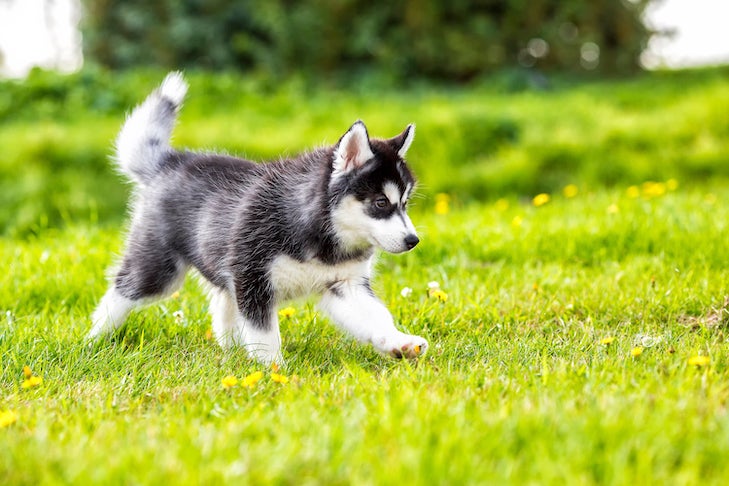
Husky puppies have lots of energy that needs an outlet. Mental challenges like puzzle toys can tire them out. Training sessions also use their brain power and improve behavior. Avoid long periods of inactivity to reduce restlessness. Keeping a regular schedule helps control their energy and keeps them calm.
Credit: www.akc.org
Grooming Essentials
Grooming is important for every husky puppy. It helps keep their coat clean and healthy. A well-groomed husky looks great and feels comfortable. Regular grooming also helps you notice any skin problems early. This section covers brushing, bathing, nail trimming, and ear cleaning. Each step is easy to follow and good for your puppy’s health.
Brushing And Coat Care
Husky puppies have thick fur that sheds a lot. Brush your puppy at least twice a week. Use a slicker brush to remove loose hair and dirt. Brushing stops mats and tangles from forming. It also spreads natural oils for a shiny coat. In spring and fall, increase brushing to daily. This helps manage heavy shedding during these seasons.
Bathing Guidelines
Bath your husky puppy every 2 to 3 months. Use a mild dog shampoo made for sensitive skin. Avoid bathing too often because it can dry out the coat. Rinse thoroughly to remove all soap. Dry your puppy well with a towel or low heat dryer. Keep baths calm and quick to avoid stress.
Nail Trimming And Ear Cleaning
Trim your puppy’s nails every 3 to 4 weeks. Use a nail clipper designed for dogs. Cut small bits at a time to avoid hurting the quick. Check ears weekly for dirt and wax. Clean ears with a damp cotton ball or ear cleaner. Never insert anything deep into the ear canal. Clean ears help prevent infections and discomfort.
Health And Wellness
Keeping your Husky puppy healthy is key to a long, happy life. Good health means regular care and attention. Focus on wellness to catch problems early. This helps your puppy grow strong and active.
Regular Vet Visits
Take your Husky puppy to the vet often. Early visits help spot health issues fast. The vet checks weight, teeth, and overall health. Schedule visits every few months at first. This keeps vaccinations and treatments up to date.
Vaccinations And Preventatives
Vaccines protect your puppy from serious diseases. Ask the vet about shots your Husky needs. Use flea and tick preventatives to avoid pests. Worm treatments keep your puppy free from parasites. Follow the vet’s schedule strictly for best results.
Common Husky Health Issues
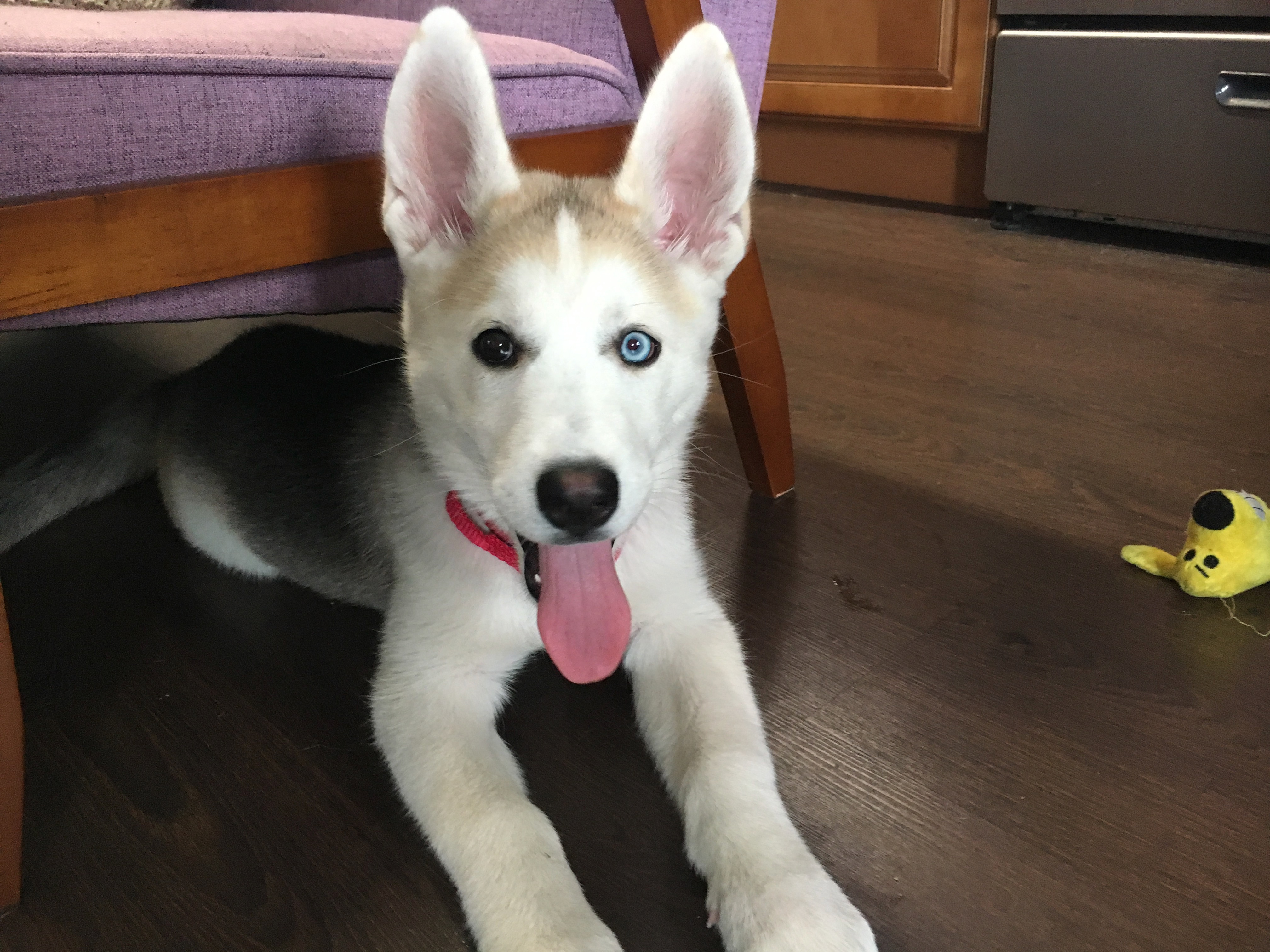
Huskies can face certain health problems. Watch for signs of hip dysplasia, a joint issue. Eye problems like cataracts may appear early. Skin allergies can cause itching and discomfort. Knowing these helps you act fast and seek help.
Credit: www.doggoneproblems.com
Behavioral Challenges
Husky puppies are full of energy and curiosity. This can lead to some common behavior problems. Understanding these challenges helps you create a happy home for your puppy.
Behavior issues often stem from their natural instincts and high energy levels. Early training and patience are key to managing these behaviors.
Addressing Separation Anxiety
Husky puppies may feel stressed when left alone. They want to stay close to their owner. To help, start with short alone times. Gradually increase the time you are away. Provide toys and treats to distract them. Avoid making a big fuss when leaving or returning. This helps the puppy stay calm and learn independence.
Preventing Destructive Chewing
Chewing is normal for puppies but can cause damage. Huskies have strong jaws and like to chew a lot. Give your puppy plenty of safe chew toys. Keep shoes and other items out of reach. Redirect chewing to toys if they start biting wrong objects. Regular exercise reduces boredom, which lowers destructive chewing.
Handling Vocalization
Huskies are known for their loud howls and barks. They use sounds to express feelings or get attention. Teach your puppy quiet commands early. Reward silence with treats and praise. Avoid yelling back; it may encourage more noise. Exercise and mental games can reduce excess vocalization. A calm puppy makes a calm home.
Frequently Asked Questions
How Do I Train My Husky Puppy Effectively?
Start training early using positive reinforcement and consistency. Huskies respond well to rewards like treats and praise. Keep sessions short and engaging. Socialize your puppy with people and other dogs for better behavior. Patience and routine are key to successful husky training.
What Is The Best Diet For A Husky Puppy?
Feed a balanced diet rich in protein, healthy fats, and essential nutrients. Use high-quality puppy food formulated for active breeds. Avoid fillers and artificial additives. Fresh water should always be available. Consult a vet to adjust portions based on growth and activity levels.
How Much Exercise Does A Husky Puppy Need Daily?
Husky puppies require at least 30 to 60 minutes of exercise daily. Activities like walking, playtime, and mental stimulation are essential. Avoid over-exercising young puppies to protect their developing joints. Regular exercise helps manage energy and prevent destructive behavior.
When Should I Start Socializing My Husky Puppy?
Begin socialization as early as 7 to 8 weeks old. Introduce your puppy to different people, animals, and environments gradually. Positive experiences build confidence and reduce fearfulness. Early socialization is crucial for a well-adjusted adult husky.
Conclusion
Caring for a husky puppy takes patience and love. Training and socializing help build a strong bond. Healthy food and regular exercise keep them happy. Always watch their behavior and health closely. Enjoy the playful moments and growing together. Your husky puppy will bring joy and fun.
Remember, consistency makes a big difference daily. Keep learning and adapting as your puppy grows. This journey will be rewarding for both of you. Trust yourself and enjoy every step along the way.


