

If you’ve just brought a puppy home, you know how exciting—and sometimes overwhelming—it can be to get them used to walking on a lead. Without the right training, walks can turn into a tug-of-war, leaving both you and your puppy frustrated.
But don’t worry, you’re not alone, and the good news is that with a few simple tips, you can turn lead training into a fun and stress-free experience. Keep reading to discover easy, effective ways to help your puppy walk calmly by your side, making every walk something you both look forward to.
Choosing The Right Lead
Choosing the right lead is the first step in successful puppy training. The lead helps control your puppy safely during walks. It also teaches your puppy to follow your commands. Picking a lead that fits your puppy’s size and personality makes training easier and more fun.
Types Of Leads
There are many types of leads for puppies. The most common is the standard leash. It gives good control and is easy to use. Retractable leads let your puppy explore more space. They allow more freedom but can be harder to manage. Slip leads are simple and quick to put on. They work well for short training sessions. Each type suits different training needs and puppy behaviors.
Material And Length Considerations
Leads come in different materials like nylon, leather, and chain. Nylon leads are light and strong. Leather leads feel soft and last long. Chain leads are heavy and best for strong dogs. The lead length matters too. Short leads give more control in crowded places. Longer leads let your puppy roam a bit more. Choose a length that matches your training goals and your puppy’s age.
Preparing Your Puppy
Preparing your puppy for lead training sets the stage for success. Early steps help your puppy feel safe and curious about the lead. This phase builds trust and makes the training process smooth. Small, calm sessions work best to keep your puppy happy and eager.
Start by introducing the lead in a quiet, familiar place. Let your puppy explore it without pressure. Patience and gentle encouragement create a positive experience. This foundation helps your puppy accept the lead as part of daily life.
Introducing The Lead Indoors
Begin lead training indoors where your puppy feels secure. Show the lead and let your puppy sniff it. Hold it loosely so it does not feel tight. Allow your puppy to walk around with it on. Praise and treats make the puppy enjoy the new object. Keep sessions short to avoid stress. Repeat often to build familiarity and trust.
Building Comfort And Confidence
Comfort is key to confident lead walking. Use soft tones and gentle touch while handling the lead. Encourage your puppy with calm words and rewards. Let the puppy drag the lead while supervised to get used to its weight. Practice indoors before moving outside. Gradually increase the time your puppy wears the lead. A calm puppy learns faster and feels safe exploring the world.
Basic Lead Training Techniques
Basic lead training techniques form the foundation of good walking habits for your puppy. These steps help your dog understand how to stay close and walk calmly beside you. Early training makes walks more enjoyable and safe. Simple methods work best for young puppies. Consistency and patience are key to success.
Teaching Heel Position
Start by choosing a side for your puppy to walk on. The left side is most common. Use a short leash to keep your puppy near your leg. Walk slowly and encourage your puppy to stay by your side. Reward your dog with treats or praise when they stay close. Stop walking if the puppy moves ahead. Wait until they return to your side.
Using Positive Reinforcement
Give treats or praise when your puppy walks nicely on the lead. This helps your dog learn good behavior quickly. Use small, tasty treats that your puppy loves. Praise can be a happy voice or gentle petting. Avoid punishment or harsh words. Positive reinforcement builds trust and encourages your puppy to listen.
Handling Pulling Behavior
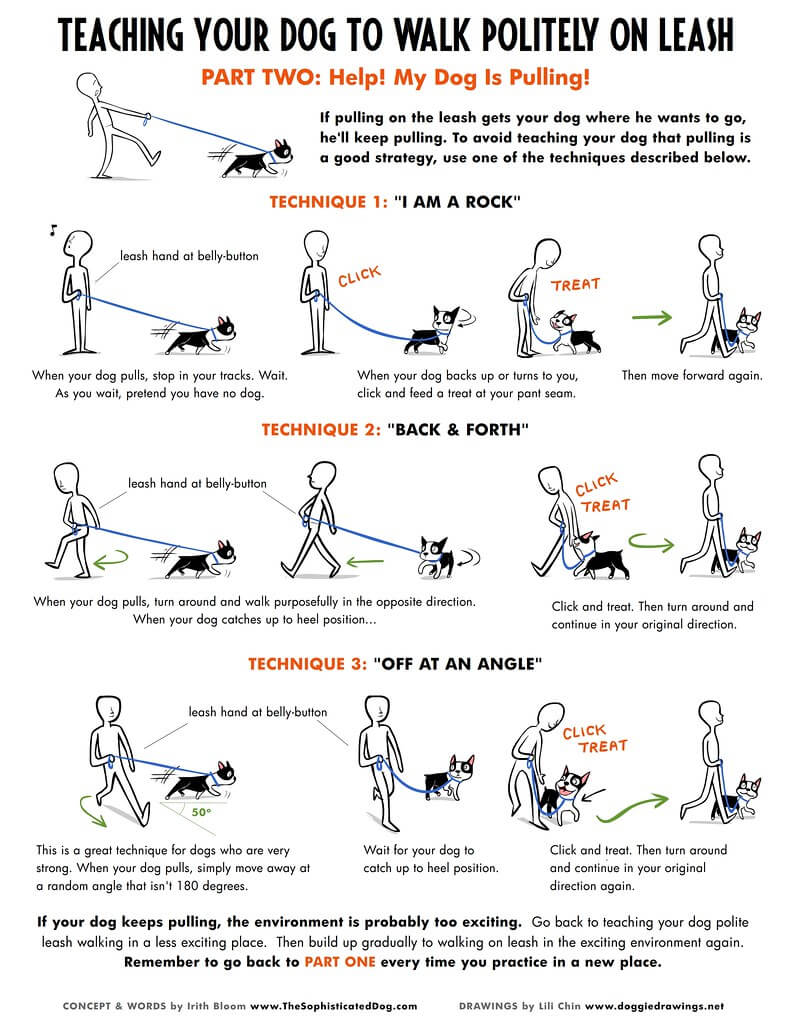
Pulling is common in puppies and needs gentle correction. Stop walking as soon as your puppy pulls hard. Wait calmly until the leash is loose again. Turn and walk in the opposite direction to get your puppy’s attention. Reward your puppy when they walk without pulling. Practice often in short sessions to reduce pulling over time.
Credit: iahidroclic.com
Advanced Lead Training Tips
Advanced lead training helps your puppy walk calmly and respond well. This training builds on basic skills. It makes walks more enjoyable and safer for both of you.
Focus on clear signals and consistent practice. Small steps lead to big progress. Pay attention to your puppy’s reactions and adjust your approach.
Loose Lead Walking
Loose lead walking means your puppy walks beside you without pulling. Keep the leash slack, not tight. Stop walking if the leash gets tight. Wait for your puppy to relax and then move forward. Praise your puppy when the lead is loose. Practice in quiet places before trying busy areas.
Managing Distractions
Distractions can make puppies excited or scared. Use treats and calm words to keep your puppy focused. Start training in a low-distraction place. Slowly add more distractions as your puppy improves. Stay calm and patient. Reward good behavior immediately to help your puppy learn.
Changing Pace And Direction
Change your walking speed and direction often. This keeps your puppy alert and attentive. Use a clear command before changing pace or turn. Practice quick turns and stops. This teaches your puppy to watch you closely. It also helps prevent pulling and wandering.
Common Challenges And Fixes
Training a puppy to walk nicely on a lead can be tough. Many dog owners face common problems during walks. These issues can make walks stressful for both you and your puppy. Understanding these challenges helps you fix them quickly. Here are some common problems and easy ways to solve them.
Barking And Lunging
Puppies often bark and lunge at other dogs or people. This behavior shows excitement or fear. Stop this by staying calm and steady. Use treats to distract your puppy. Reward quiet and calm behavior. Practice short, controlled walks near distractions. Over time, your puppy will learn to stay calm.
Fear And Anxiety On Walks
Some puppies feel scared on walks. Strange sounds, sights, or places can cause anxiety. Help your puppy feel safe by moving slowly. Use a calm voice and gentle touch. Bring favorite treats or toys on walks. Let your puppy explore at its own pace. Be patient and keep walks short at first.
Stopping Mid-walk Refusals
Puppies sometimes stop and refuse to move. This can happen due to tiredness or distraction. Avoid pulling the lead hard. Instead, kneel down and call your puppy softly. Use treats to encourage moving forward. Change direction to make walks fun. Keep a positive tone and praise often.
Credit: cruceroclick.com
Tools To Enhance Training
Using the right tools can make puppy lead training easier and safer. Tools help guide your puppy and keep control during walks. They also teach your puppy good behavior with less stress.
Choosing the correct equipment is important for your puppy’s comfort and learning speed. Some tools work better for certain dogs and training styles. Knowing the options helps you pick what fits best.
Harnesses Vs Collars
Harnesses wrap around the puppy’s body and spread pressure evenly. They prevent choking and reduce pulling. Good for puppies that pull or have sensitive necks.
Collars sit around the neck. They are simple and easy to use. Best for dogs that walk calmly without pulling. Can cause neck strain if puppy pulls too hard.
Choosing depends on your puppy’s size and behavior. Harnesses offer more control without hurting your puppy. Collars are lighter and good for short walks.
Training Aids And Accessories
Training aids help teach your puppy commands and good walking habits. Clickers make clear sounds to mark good behavior. Treat pouches keep rewards handy during walks.
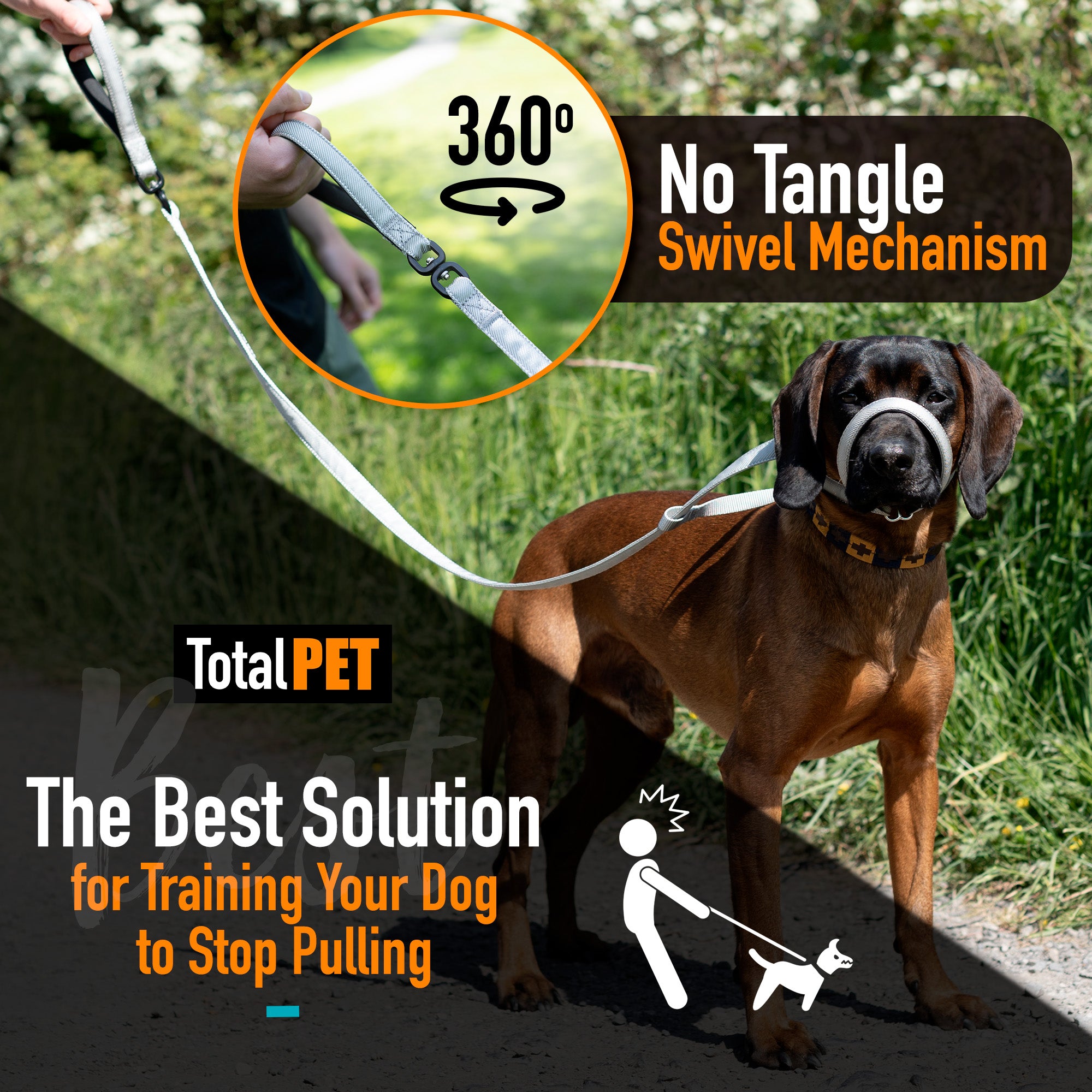
Leash extensions give extra space for exploration. Retractable leads offer freedom but need careful use. Gentle leaders guide the head to prevent pulling.
Use training aids to reward and guide your puppy consistently. They speed up learning and make walks more enjoyable. Choose simple tools that suit your puppy’s needs.
Maintaining Consistency
Maintaining consistency is key in puppy lead training. Puppies learn best when training happens regularly. Consistent practice helps your puppy understand what you expect. It builds good habits and reduces confusion. Without consistency, training can take longer and cause frustration.
Setting A Routine
Create a daily schedule for lead training. Short sessions work best, about 5 to 10 minutes each. Practice at the same times every day. This helps your puppy know when training will happen. Use the same commands and signals. A clear routine makes learning easier and faster.
Involving Family Members
All family members should join the training. Everyone must use the same words and gestures. Mixed signals confuse the puppy and slow progress. Teach each person how to handle the lead gently. Consistent actions from everyone build trust and good behavior. Teamwork makes training smoother and more effective.

Credit: www.reddit.com
Frequently Asked Questions
How Do I Start Lead Training With My Puppy?
Begin in a quiet area with minimal distractions. Use a lightweight lead and reward your puppy with treats and praise. Keep sessions short and positive to build good habits gradually.
What Is The Best Lead Type For Puppy Training?
A lightweight, adjustable lead is ideal for puppy training. Avoid retractable leads as they offer less control. Choose a comfortable, durable lead that suits your puppy’s size and strength.
How Often Should I Train My Puppy On A Lead?
Train your puppy daily in short sessions of 5-10 minutes. Consistent practice helps reinforce good behavior and builds your puppy’s confidence on the lead.
How Can I Stop My Puppy From Pulling On The Lead?
Use gentle guidance and stop walking when your puppy pulls. Reward your puppy when they walk beside you calmly. Consistency and patience are key to reducing pulling.
Conclusion
Training your puppy to walk nicely on a lead takes time and patience. Keep sessions short and positive to hold their attention. Reward good behavior with treats or praise. Avoid pulling or dragging the lead to prevent fear. Practice often in quiet places before busy streets.
Remember, every puppy learns at their own pace. Stay calm and consistent to build trust. Enjoy each small success along the way. Soon, your puppy will walk happily by your side.


