
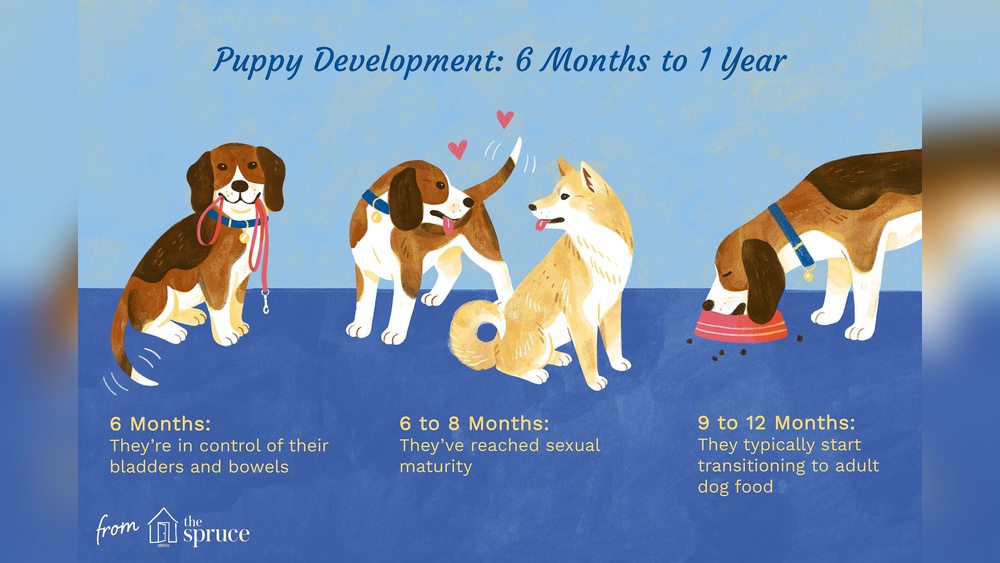
If you have an 8-month-old dog, you might be wondering what to expect next. This stage is full of changes, surprises, and new behaviors that can leave you both excited and sometimes confused.
Understanding your dog’s behavior now is key to building a strong bond and making training easier. You’ll discover what’s normal, what to watch for, and how to guide your furry friend through this important time. Keep reading to unlock the secrets of your 8-month-old dog’s behavior and make the most of these crucial months together.
:strip_icc()/puppy-development-from-8-to-12-weeks-4586406-a1020bbba77248b48a177f86481c5e42.jpg)
Credit: www.thesprucepets.com
Typical Behaviors At 8 Months
At 8 months old, a dog shows many changes in behavior and growth. This age is a mix of puppy energy and growing maturity. Understanding typical behaviors helps in training and care. It also strengthens the bond between owner and dog.
Physical Growth Milestones
By 8 months, most dogs grow close to their adult size. Their body starts looking less like a puppy’s and more like an adult’s. Teeth are usually fully developed with some adult teeth replacing baby teeth. Muscle strength improves, making dogs more active and agile. Growth slows down but bones and joints continue to develop. This stage requires proper nutrition for healthy development.
Social Interaction Patterns
Social skills become clearer at this age. Dogs begin to understand how to play nicely with other dogs. They may show signs of independence but still seek attention from people. Some dogs test boundaries with other pets and family members. Socialization remains crucial to avoid fear or aggression later. Positive experiences with new dogs and people build confidence.
Energy Levels And Playfulness
Energy is high and playfulness peaks at 8 months. Dogs need plenty of exercise to stay happy and healthy. They enjoy games that challenge their mind and body. Bored dogs may show unwanted behaviors like chewing or barking. Regular playtime helps release energy and improves behavior. Training sessions can be fun and mentally stimulating too.

Credit: www.reddit.com
Common Behavioral Challenges
At eight months old, dogs go through many changes. These changes can cause common behavior problems. Understanding these helps owners manage their dogs better. Early attention to these issues improves your dog’s growth.
Many behaviors are normal but need guidance. Some behaviors can be frustrating without the right approach. Knowing what to expect helps keep your dog happy and healthy.
Teething And Chewing Habits
At eight months, dogs often chew a lot. Their adult teeth are growing in. Chewing helps relieve pain and pressure in their gums. Dogs may chew furniture, shoes, or other items. This behavior is normal but needs control. Provide safe chew toys to protect your belongings. Regularly replace old toys to keep your dog interested.
Separation Anxiety Signs
Separation anxiety is common in young dogs. Your dog may bark or whine when left alone. Some dogs scratch doors or try to escape. They may also drool or pace nervously. These signs show your dog feels stressed. Gradually increase the time your dog spends alone. Create a safe, comfortable space for your dog. Offer toys and treats to keep them busy.
Excessive Barking Causes
Eight-month-old dogs may bark more often. Barking can be a way to get attention. Dogs may bark out of boredom or fear. Sometimes, they bark to warn of strangers or noises. Understanding the cause helps you manage barking. Teach your dog a quiet command and reward silence. Provide enough exercise and mental stimulation daily.
Training Tips For This Age
Training an 8-month-old dog requires patience and clear methods. This age is perfect for building good habits. Dogs understand more and can learn faster now. Consistent training helps shape their behavior positively.
Focus on basic commands, housebreaking, and leash manners. These areas form the foundation for a well-behaved dog. Training sessions should be short but frequent. Use rewards and praise to encourage learning.
Effective Commands To Teach
Start with simple commands like “sit,” “stay,” and “come.” These commands keep your dog safe and under control. Use a calm voice and clear hand signals. Repeat commands gently but firmly. Reward your dog with treats or petting after success. Practice these commands daily for best results.
Housebreaking Strategies
Keep a regular schedule for bathroom breaks. Take your dog outside after meals and naps. Praise them immediately after they go outside. Clean indoor accidents with enzyme cleaners to remove smells. Avoid punishment; it confuses your dog. Patience is key to housebreaking success.
Leash Training Techniques
Choose a comfortable, well-fitting collar or harness. Let your dog get used to wearing it indoors first. Use a short leash for better control. Walk slowly and stop if your dog pulls. Reward walking by your side with treats. Practice in quiet areas before busy places. This builds good leash behavior step by step.
Socialization Strategies
Socialization is key to raising a happy, confident 8-month-old dog. At this age, dogs learn a lot from new experiences. Socialization helps them behave well and feel safe in different situations. It reduces fear and prevents behavior problems later. Use calm and positive methods. Let your dog explore gently and meet new friends.
Introducing To Other Dogs
Introduce your dog to other dogs slowly. Start with calm, friendly dogs. Keep the first meetings short and positive. Use a leash to control the situation. Watch your dog’s body language for stress. Allow sniffing and playing only if both dogs seem happy. Stop the meeting if there is growling or stiff body posture.
Handling New Environments
Take your dog to new places often. Start with quiet, safe spots like a park. Let your dog explore smells, sounds, and sights. Praise calm and curious behavior. Avoid crowded or noisy places at first. Gradually increase the difficulty of new environments. This helps your dog feel comfortable anywhere.
Meeting Strangers Safely
Teach your dog to meet new people calmly. Ask strangers to offer a hand to sniff. Avoid forcing your dog to greet. Let your dog decide the distance. Reward calm behavior with treats or praise. Teach your dog to stay polite and not jump. Safe meetings build trust and good manners.
Health And Nutrition Insights
At eight months old, your dog is growing fast and needs the right care. Health and nutrition play a big role in their development. Proper diet, exercise, and vet visits keep your pup strong and happy. Understanding these needs helps you support your dog’s growth well.
Let’s explore key points about health and nutrition for an eight-month-old dog.
Diet Adjustments For Growth
Your dog’s diet must change as they grow. Puppies need food with more protein and fat than adults. High-quality puppy food supports muscles and brain development. Feed smaller, frequent meals to aid digestion. Avoid giving table scraps or unhealthy treats. Fresh water should always be available to keep them hydrated.
Exercise Needs At 8 Months
Exercise helps build strong bones and muscles. At eight months, dogs have lots of energy to burn. Daily walks and playtime keep them active and happy. Avoid long, intense exercise to protect growing joints. Short sessions of running, fetching, and gentle play work best. Mental games also help your dog stay sharp.
Regular Vet Checkups
Regular vet visits ensure your dog stays healthy. Vaccinations and parasite control are crucial at this age. The vet checks weight, teeth, and overall growth. Early detection of issues prevents bigger problems later. Discuss diet, exercise, and behavior with your vet. Keep a health record to track progress over time.
Expert Tips For Positive Behavior
Raising an 8-month-old dog requires patience and smart strategies. At this age, your dog is curious and full of energy. Positive behavior helps your dog grow into a well-mannered adult. Experts suggest simple methods that work well. These tips focus on building trust and good habits.
Reward-based Training
Reward-based training uses treats and praise to encourage good behavior. Dogs respond better when they know what earns rewards. Start with small treats and clear commands. Reward your dog immediately after they follow instructions. This helps your dog connect actions with rewards. Avoid punishment. It can create fear and confusion. Keep training sessions short and fun.
Consistency In Routines
Dogs thrive on routines. Feeding, walking, and playtimes should happen at the same times daily. Consistency makes your dog feel safe and less anxious. Use the same commands and rules every day. This avoids confusing your dog. Everyone in the family must follow the routine. Consistent routines support better behavior and easier training.
Recognizing Stress Signals
Dogs show stress in many ways. Yawning, licking lips, or avoiding eye contact are signs. Watch for trembling or hiding too. Recognizing these signals helps you act quickly. Give your dog space or a break from training. Too much stress can harm your dog’s learning. Calm environments improve your dog’s mood and behavior.

Credit: www.reddit.com
Frequently Asked Questions
What Behaviors Are Common In An 8 Month Old Dog?
At 8 months, dogs show increased energy and curiosity. They may test boundaries, chew more, and display playful aggression. Socialization and consistent training are crucial during this growth phase to shape good behavior and ensure healthy development.
How To Manage An 8 Month Old Dog’s Chewing Habits?
Provide plenty of chew toys to redirect their chewing urges. Avoid leaving valuables within reach. Regular exercise helps reduce destructive chewing caused by boredom or teething discomfort. Consistent training and positive reinforcement are key to managing this behavior effectively.
Why Is My 8 Month Old Dog More Energetic?
An 8 month old dog experiences adolescent energy spikes. This phase involves physical growth and mental stimulation needs. Regular exercise, mental challenges, and structured routines help channel energy positively and prevent behavioral problems like hyperactivity or restlessness.
How To Handle Separation Anxiety In An 8 Month Old Dog?
Gradually increase alone time to build confidence. Create a safe, comfortable space with toys and familiar scents. Avoid dramatic departures or arrivals. Consistent routines and positive reinforcement reduce anxiety and promote independence in your dog.
Conclusion
An 8-month-old dog shows many changes in behavior. They grow more curious and active every day. Training and patience help guide them well. Consistent rules make learning easier for your dog. Play and exercise keep their energy balanced. Watch for signs of stress or fear.
This age shapes your dog’s future habits. Enjoy this lively and fun stage together. Keep learning about your dog’s needs. Your bond will grow stronger with time.

