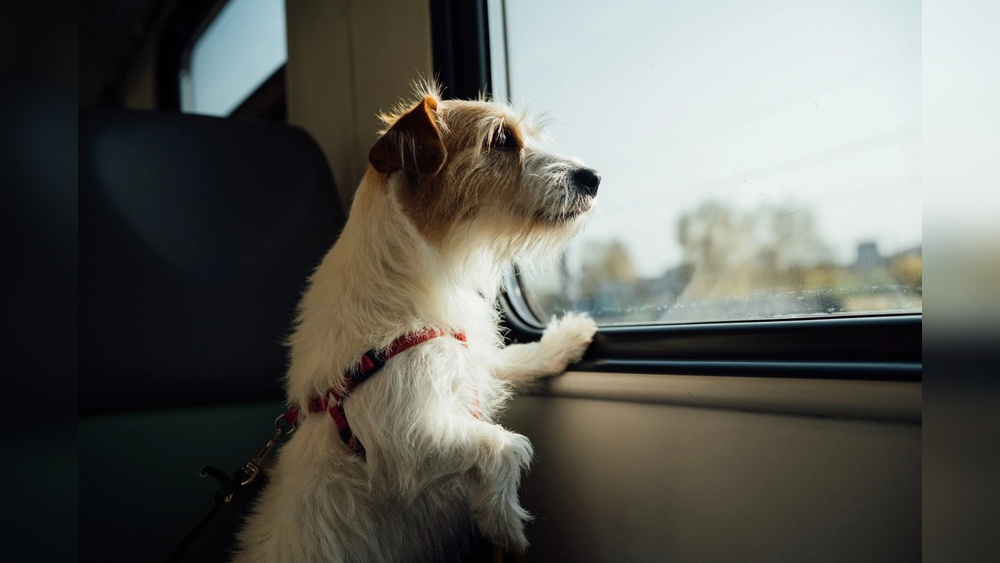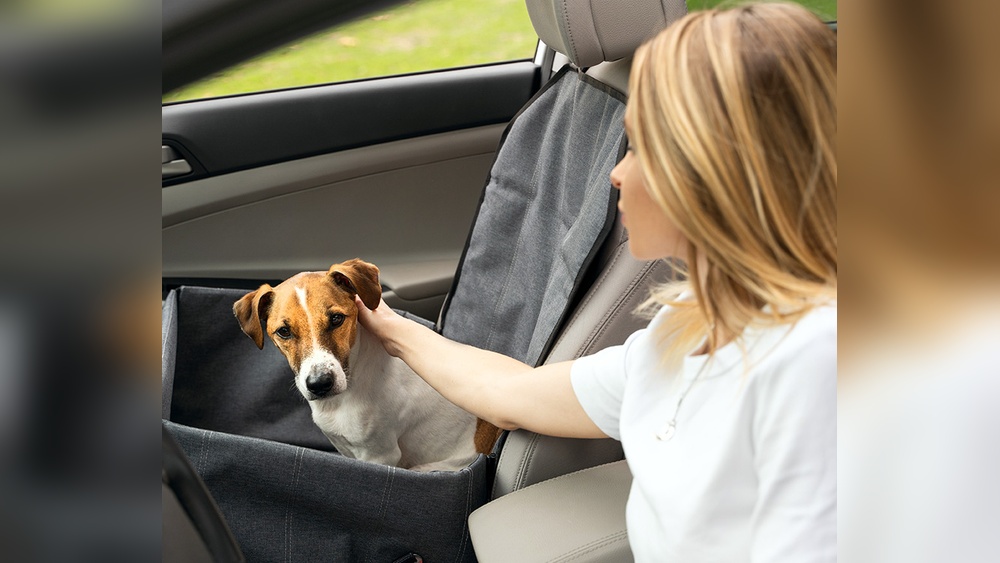
Planning to travel with your dog on a plane? It can feel overwhelming at first.
You want to make sure your furry friend stays safe and comfortable throughout the trip. But where do you start? What should you prepare before boarding? This guide will walk you through everything you need to know. By the end, you’ll feel confident and ready to take off with your best companion by your side.
Keep reading to discover simple tips that make flying with your dog easier than you ever imagined.
Credit: airadvisor.com
Preparing Your Dog For Air Travel
Preparing your dog for air travel helps ensure a smooth trip for both of you. It takes time and effort to get your dog ready for the flight. Start early to reduce stress and avoid last-minute problems. Focus on comfort, safety, and health for your dog before flying.
Choosing The Right Carrier
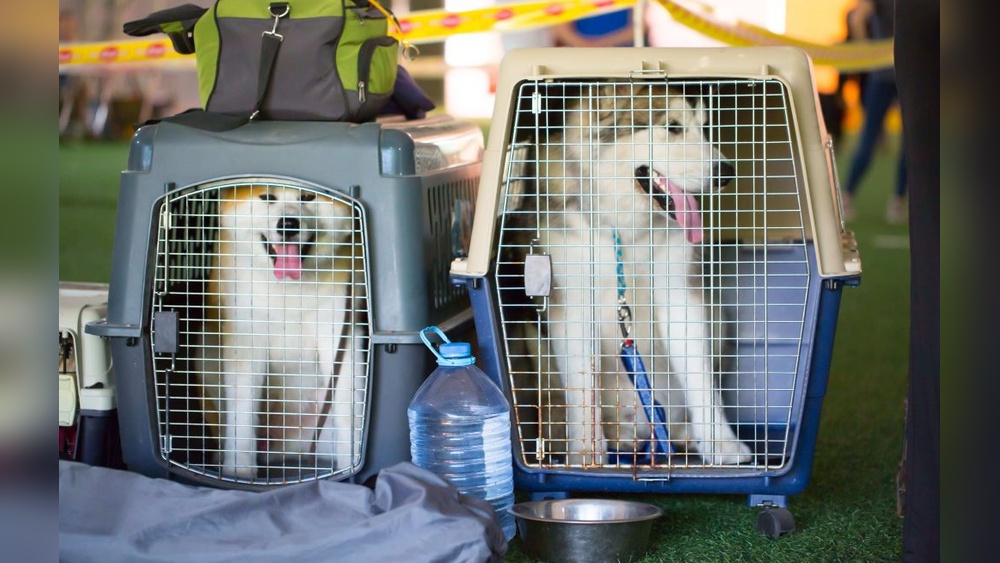
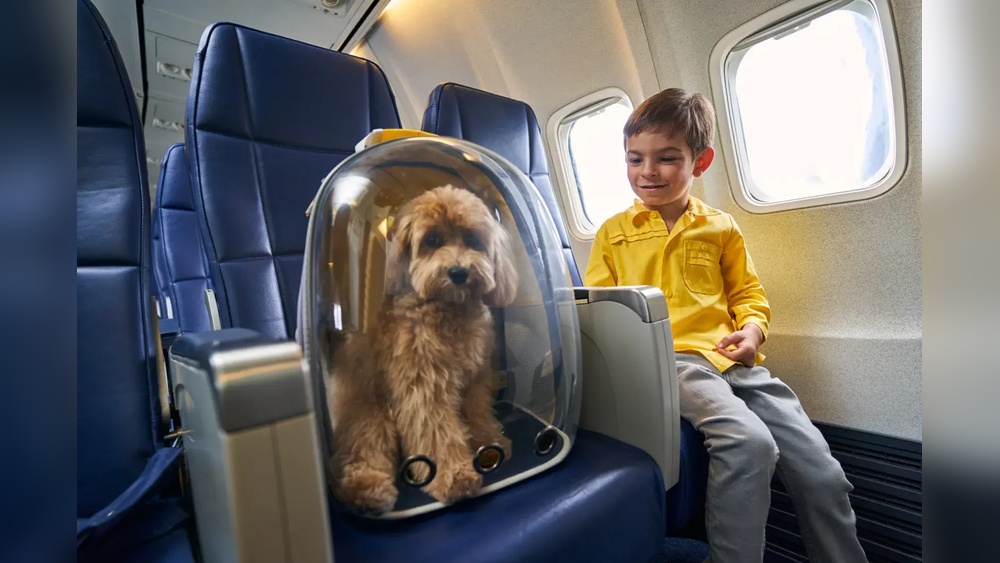
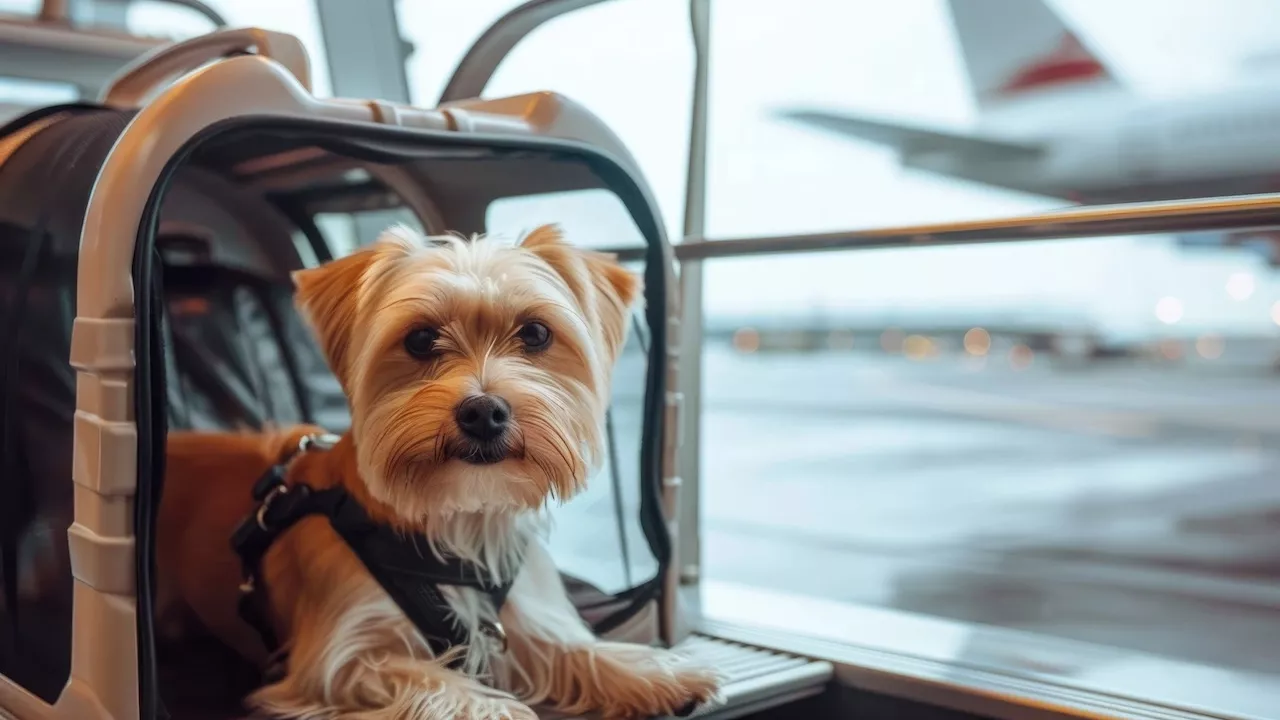
Select a carrier that fits your dog’s size and weight. It should be well-ventilated and sturdy. Look for soft sides if allowed by the airline. Your dog must stand, turn, and lie down inside comfortably. Check airline rules for carrier dimensions and materials.
Familiarizing Your Dog With The Carrier
Health Checks And Vaccinations
Visit the vet for a full check-up before flying. Make sure vaccinations are up to date. Ask about any medications your dog might need. Some airlines require a health certificate issued close to the travel date. Keep your dog’s medical records handy for the trip.
Booking Pet-friendly Flights
Choose airlines known for good pet policies. Book flights during less busy times to reduce stress. Inform the airline in advance about your dog’s travel. Confirm if your dog can fly in the cabin or must go in cargo. Check for any extra fees or rules for pets.
Credit: www.newsweek.com
Packing Essentials For Your Dog
Packing for your dog is a key step before flying. The right items make travel safe and calm. Prepare well to meet your dog’s needs during the trip. Focus on food, comfort, health, and cleanliness.
Food And Water Supplies
Bring enough food for the entire trip. Use sealed containers to keep food fresh. Pack a portable water bowl for easy drinking. Carry bottled water to avoid stomach issues. Feeding times should stay close to your dog’s routine.
Comfort Items And Toys
Include your dog’s favorite blanket or bed. Familiar smells reduce stress and anxiety. Bring a few small toys to keep your dog busy. Soft toys or chew toys work best. Comfort items help your dog feel safe in new places.
Medication And Documents
Pack any medicine your dog needs. Carry a copy of vaccination records and health certificates. Some airlines require proof of vaccinations. Include a recent photo of your dog. Keep all documents in a waterproof folder.
Cleaning Supplies
Carry waste bags for easy cleanup. Bring pet-safe wipes for quick cleaning. Pack paper towels or small towels for spills. Include an extra leash in case of loss. Cleanliness helps keep your dog and surroundings healthy.
Airport Procedures With Your Dog
Traveling with your dog by plane needs extra care at the airport. You must follow certain steps to keep your pet safe and comfortable. Knowing the airport procedures helps reduce stress for both you and your dog.
Each airport may have different rules. Being prepared makes the process smoother. From check-in to security, you will face specific challenges. Planning ahead is key to a calm journey.
Check-in Tips
Arrive early to allow extra time for your dog. Inform the airline about your pet during booking. Have all documents ready, like health certificates and vaccination records. Use a sturdy, well-ventilated carrier that meets airline rules. Label your dog’s carrier with your contact details. Follow the airline’s specific check-in procedures for pets.
Security Screening Process
At security, you will carry your dog through the metal detector. The dog’s carrier goes through the X-ray machine. You may need to remove your dog from the carrier. Keep your dog calm with a soft voice or gentle petting. Avoid using leashes with metal parts during screening. Security staff may ask you to show paperwork for your dog.
Navigating Layovers
Check the airport’s pet relief areas for bathroom breaks. Keep your dog in the carrier while moving through terminals. Watch for signs of stress or overheating in your dog. Offer water during longer layovers to keep your dog hydrated. Plan extra time to reach your connecting gate. Avoid busy or crowded places where your dog may feel anxious.
In-flight Tips For Your Dog
Flying with your dog can be stressful for both of you. Keeping your dog comfortable and calm helps make the trip smoother. These tips focus on making the flight easier for your furry friend.
Keeping Your Dog Calm
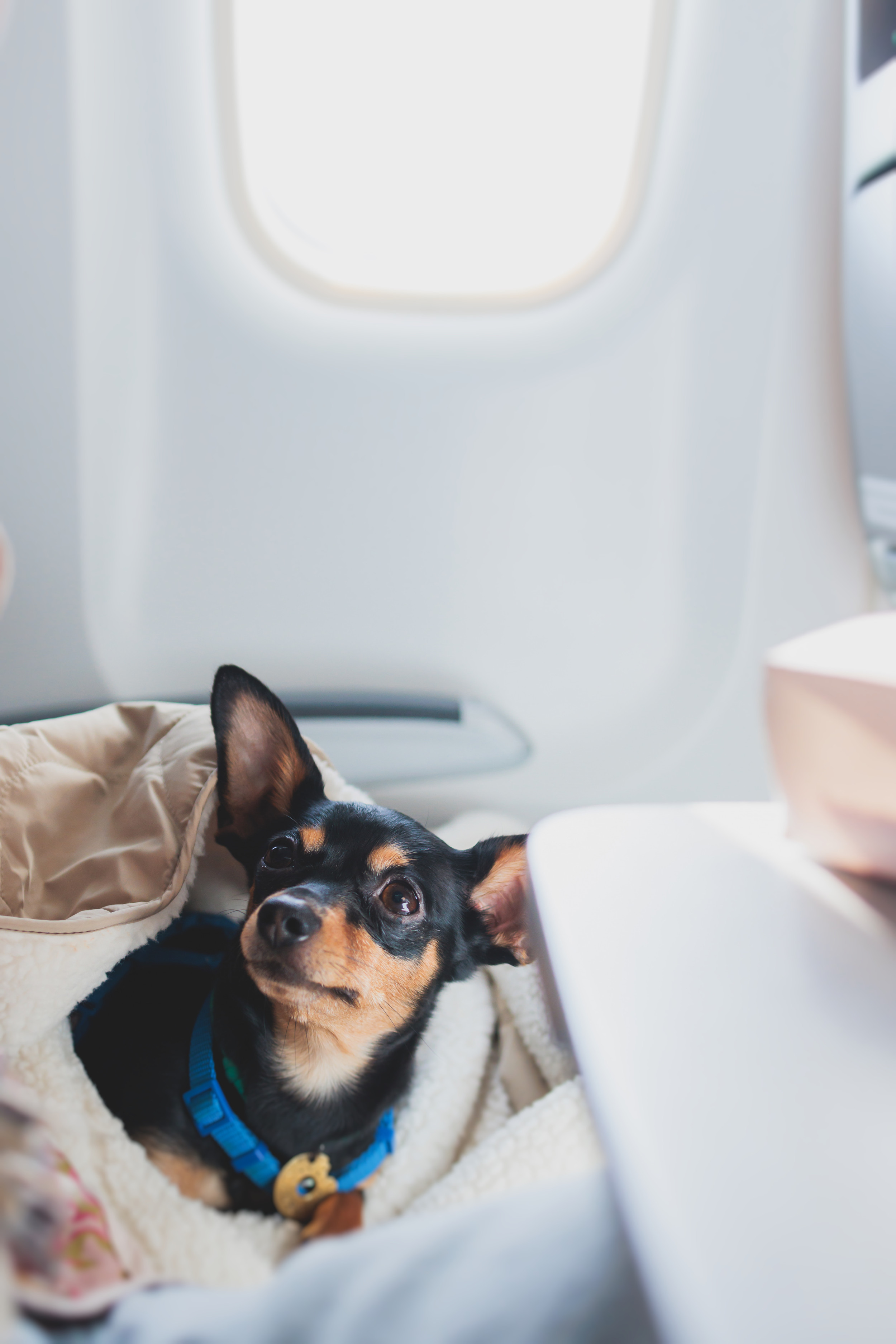
Start by choosing a quiet spot for your dog’s carrier. Bring a favorite toy or blanket to give comfort. Speak softly to reassure your dog during the flight. Avoid loud noises and sudden movements. If your dog gets anxious, gentle petting helps soothe them.
Feeding And Hydration
Feed your dog a small meal a few hours before the flight. Avoid heavy food right before boarding to prevent stomach upset. Offer water regularly to keep your dog hydrated. Use a spill-proof bowl to avoid messes. Do not force your dog to eat or drink during the flight.
Managing Bathroom Breaks
Take your dog for a bathroom break before boarding. Use airport pet relief areas if available. Bring puppy pads or absorbent liners inside the carrier. Keep clean-up bags handy for accidents. Plan flight times that match your dog’s bathroom schedule.
Post-flight Care
After a plane journey, your dog needs care and attention. Post-flight care helps your dog adjust back to normal life. It also supports their health and comfort after travel. This section covers key steps to help your dog after flying.
Reacclimating Your Dog
Let your dog rest in a quiet, calm space. Avoid loud noises and busy areas for a while. Offer fresh water and a small meal once settled. Allow your dog to stretch and move slowly. Keep familiar toys or blankets nearby. Give extra love and patience during this time.
Health Monitoring
Check your dog’s eyes, nose, and mouth for dryness or irritation. Watch for coughing, sneezing, or unusual behavior. Monitor breathing and energy levels closely. If your dog shows signs of sickness, contact a vet quickly. Keep a first aid kit ready for minor issues. Regular checks help catch problems early.
Handling Travel Stress
Flying can cause anxiety and tiredness in dogs. Use gentle words and slow movements around your pet. Offer treats and praise to calm your dog. Avoid forcing your dog to move or play too soon. Create a peaceful environment with soft lighting and quiet sounds. This helps your dog relax and recover faster.

Credit: worldcarepet.com
Frequently Asked Questions
Can I Bring My Dog In The Airplane Cabin?
Yes, most airlines allow small dogs in the cabin. Your dog must fit in a carrier under the seat. Check airline policies before booking to ensure compliance and avoid surprises at the airport.
What Documents Are Needed For Flying With A Dog?
You usually need a health certificate and vaccination records. Some destinations require additional permits or microchip details. Always verify airline and destination rules well before travel.
How Should I Prepare My Dog For A Flight?
Get your dog used to the travel carrier before the trip. Avoid feeding right before flying to reduce nausea. Bring familiar toys or blankets to comfort your dog during the flight.
Are There Size Restrictions For Dogs On Planes?
Yes, airlines have size and weight limits for dogs in the cabin. Larger dogs may need to travel as checked baggage or cargo. Always confirm size rules with your airline beforehand.
Conclusion
Traveling with your dog on a plane can be smooth and safe. Plan ahead and know the airline’s pet rules well. Bring your dog’s favorite items to keep them calm. Keep your pet comfortable during the flight. Remember to stay calm and patient yourself.
Every trip with your dog becomes easier with practice. Enjoy your journey and make great memories together. Safe travels!