

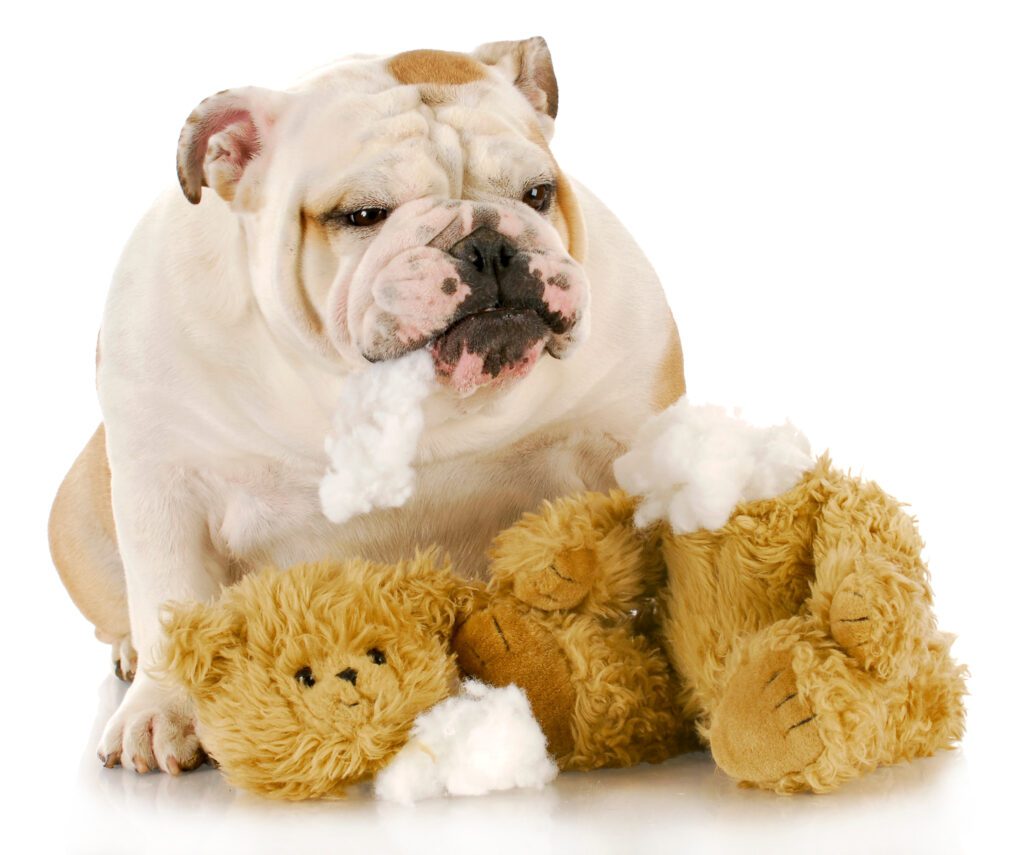
If your dog just ate stuffing from a toy, you’re probably feeling worried and unsure about what to do next. You want to keep your furry friend safe, but it’s hard to know when to act fast or when to stay calm.
This guide will walk you through the exact steps you need to take to protect your dog’s health. By the end, you’ll feel confident knowing how to handle this situation and keep your pet out of danger. Keep reading—you don’t want to miss these important tips.

Credit: www.reddit.com
Signs Of Stuffing Ingestion
Noticing signs of stuffing ingestion is crucial after a dog chews on a toy. Stuffing can cause blockages or other health problems. Watch your dog closely for any unusual behaviors or symptoms. Early detection helps prevent serious complications.
Behavioral Changes
Your dog may act restless or uncomfortable. Look for repeated licking or pawing at the mouth or belly. Sudden loss of interest in food or play is common. Some dogs become unusually quiet or withdrawn. These changes often signal discomfort or pain.
Physical Symptoms
Vomiting or gagging can indicate stuffing ingestion. Diarrhea or constipation may also occur. Swelling or bloating in the abdomen is a warning sign. Difficulty breathing or coughing can happen if stuffing lodges in the throat. These symptoms need prompt attention from a vet.
Immediate Actions To Take
Finding out your dog has eaten stuffing from a toy can be scary. Acting fast helps prevent serious problems. Knowing the right steps gives you control over the situation. This section guides you through the immediate actions to take.
Assess The Situation
Look at your dog carefully. Check for choking signs like coughing or gagging. Notice if your dog seems distressed or uncomfortable. Watch for vomiting or trouble breathing. Try to estimate how much stuffing your dog ate. This helps the vet understand the risk.
Remove Access To More Stuffing
Take away the toy or any other items with stuffing. Keep your dog away from areas with similar toys. Stop your dog from chewing more stuffing or other harmful materials. This reduces the chance of more health issues. Clean up the area to avoid future incidents.
When To Contact A Veterinarian
Knowing when to contact a veterinarian is important if your dog eats stuffing from a toy. Some signs need quick medical help to keep your dog safe. Acting fast can prevent serious problems.
Watch your dog closely after swallowing stuffing. Some symptoms need urgent care. Others might be less urgent but still need a vet’s advice. Always trust your instincts about your pet’s health.
Emergency Symptoms
Call a vet right away if your dog shows any of these signs:
- Severe vomiting or repeated vomiting
- Difficulty breathing or choking sounds
- Bloody stools or diarrhea
- Extreme weakness or collapse
- Swelling in the belly or signs of pain
- Refusing to eat or drink for many hours
These symptoms could mean a blockage or poisoning. Immediate care is crucial.
Preparing For The Vet Visit
Before going to the vet, gather important information. Note how much stuffing your dog ate and when. Check your dog’s behavior and symptoms carefully.
Bring the toy or its parts to the vet. This helps the vet understand the risk. Keep calm to help your dog feel safe.
Follow your vet’s instructions exactly. This will ensure the best care for your dog.
Credit: westloopvet.com
At-home Care And Monitoring
When your dog eats stuffing from a toy, careful home care is very important. Watching your dog closely helps catch any problems early. Many dogs pass small pieces without trouble, but some may need extra help.
Keep a calm and steady routine to help your pet feel safe. Small changes in diet and close attention to behavior can support recovery. Here is how you can care for your dog at home and what to watch for.
Hydration And Diet Adjustments
Make sure your dog drinks plenty of water. Hydration helps move the stuffing through the digestive system. Offer fresh water often, especially after eating.
Feed your dog a light diet for a few days. Soft foods like boiled chicken and rice are easy to digest. Avoid treats, bones, and hard kibble until your dog feels better.
Small, frequent meals are better than one large meal. This helps avoid upsetting the stomach. Keep meals simple and bland.
Tracking Changes In Behavior
Watch your dog closely for any unusual signs. Look for vomiting, diarrhea, or lack of appetite. These could mean the stuffing is causing a blockage.
Notice changes in activity levels. If your dog becomes very tired or restless, call your vet. Pain or discomfort may show as whining or hiding.
Check your dog’s bathroom habits. Difficulty or straining to poop needs quick action. Keep notes on any changes to share with your vet if needed.
Preventing Future Incidents
Preventing future incidents of your dog eating stuffing from toys is very important. This helps keep your pet safe and your home clean. Taking a few simple steps can reduce risks and protect your dog from swallowing harmful materials. Focus on choosing the right toys and watching your dog closely during play.
Choosing Safe Toys
Select toys made from durable materials. Avoid toys with stuffing or small parts that can be chewed off easily. Look for toys labeled as non-toxic and safe for dogs. Hard rubber or nylon toys are better options. Replace toys that show signs of damage or wear. Safe toys reduce the chance of your dog swallowing dangerous items.
Supervision Tips
Always watch your dog while playing with toys. Supervision helps stop chewing before it causes harm. Take toys away if your dog starts to tear them apart. Encourage gentle play and praise good behavior. Supervised playtime keeps your dog safe and prevents accidents with stuffing or small pieces.

Credit: www.reddit.com
Potential Health Risks
Dogs love to chew toys, but stuffing inside can cause health problems. This stuffing is not food and may harm your pet. Knowing the risks helps you act fast. Watch your dog closely after swallowing stuffing. Some dangers are more serious than others.
Blockages And Choking
Stuffing can block the throat or stomach. It may cause choking, which is very dangerous. Watch for coughing, gagging, or trouble breathing. Blockages in the stomach can stop food from moving. Your dog may vomit or have no appetite. A vet visit is needed if these signs show.
Toxicity Concerns
Some toy stuffing contains harmful chemicals or dyes. These can poison your dog if swallowed. Symptoms include drooling, vomiting, or diarrhea. Your dog might seem tired or weak. Toxicity can cause serious illness. Call your vet quickly if poisoning is suspected.
Frequently Asked Questions
What Are The Signs My Dog Ate Toy Stuffing?
Watch for vomiting, diarrhea, lethargy, or loss of appetite. These signs may indicate a blockage or irritation. Immediate vet consultation is advised if symptoms appear.
Is Toy Stuffing Toxic To Dogs?
Toy stuffing is not usually toxic but can cause choking or intestinal blockage. Monitor your dog closely and seek veterinary care if problems arise.
How Can I Prevent My Dog From Eating Stuffing?
Provide durable chew toys and supervise playtime. Regularly inspect toys for damage and replace them to prevent access to stuffing.
When Should I Call A Vet After Stuffing Ingestion?
Call a vet immediately if your dog shows vomiting, abdominal pain, or difficulty defecating. Early intervention can prevent serious complications.
Conclusion
Act quickly if your dog eats toy stuffing. Watch for signs like vomiting or choking. Contact your vet right away for advice. Keep small toys away from curious pets. Choose safe, durable toys to prevent accidents. Stay calm and act fast to keep your dog safe.
Prevention is the best way to avoid problems. Always know your dog’s habits and health. Taking care now helps avoid bigger issues later.


