

Have you ever bought a toy for your dog, only to watch them ignore it completely? It can be confusing and even a little frustrating when your furry friend doesn’t seem interested in playing.
You might wonder, “Why does my dog not like toys? ” Understanding this can help you connect better with your pet and make playtime more enjoyable for both of you. Keep reading, and you’ll discover the surprising reasons behind your dog’s toy aversion—and what you can do about it.
Common Reasons Dogs Reject Toys
Dogs sometimes avoid toys for different reasons. Understanding these reasons helps improve their playtime. Some dogs simply do not find toys interesting. Others may have had bad experiences with toys before. Some dogs prefer being with people more than playing with objects. This section explains common reasons dogs reject toys.
Lack Of Interest In Objects
Some dogs do not see toys as fun or useful. They may prefer exploring outside or resting. Toys might not attract their attention or curiosity. Each dog has a unique personality and tastes. Not all dogs feel the urge to chew or chase toys.
Previous Negative Experiences
A dog can avoid toys if they associate them with bad events. A toy could have caused pain or fear once. Loud noises or rough play linked to toys may scare a dog. Past trauma can make a dog wary of toys. Trust needs time to rebuild after negative memories.
Preference For Human Interaction
Many dogs enjoy spending time with their owners more than toys. They seek attention, petting, or simple company. Playing with people feels safer and more rewarding than toys. Dogs often look for social bonds rather than objects. This preference can explain why toys get ignored.
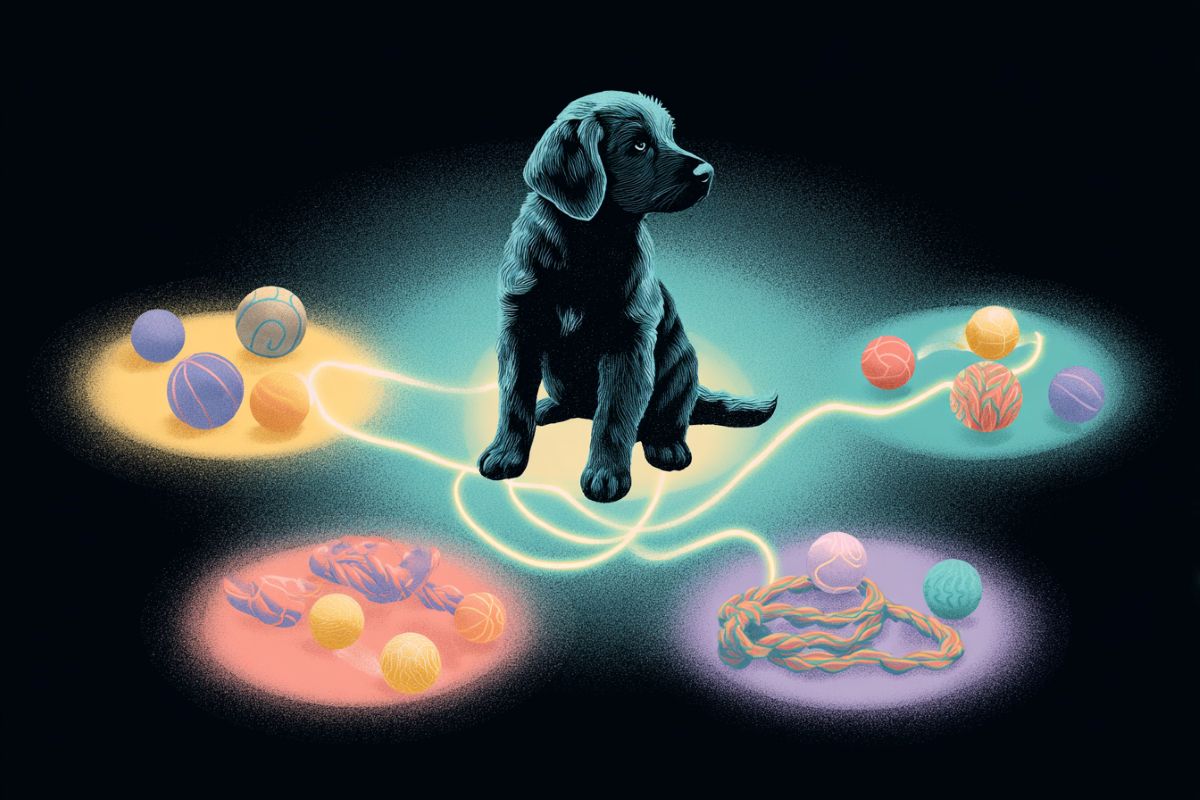
Credit: neurosciencenews.com
Impact Of Breed And Personality
Dogs show different interest in toys due to their breed and personality. These two factors shape how dogs play and what they enjoy. Understanding these differences helps explain why some dogs avoid toys. Each dog is unique, with own likes and dislikes.
Breed-specific Play Styles
Different dog breeds have unique play styles. Herding breeds like Border Collies enjoy chasing and fetching. Hunting breeds like Beagles prefer tracking scents over toys. Toy preferences often match breed instincts and natural behaviors. Some breeds may ignore toys that don’t match their play style. Recognizing breed traits helps choose toys that suit your dog.
Individual Temperament Differences
Dogs have different personalities, even in same breed. Some dogs are energetic and love to chew toys. Others are calm and prefer quiet rest over play. Shy or nervous dogs may avoid toys due to fear or stress. Personality affects how dogs react to new objects, including toys. Observing your dog’s temperament guides toy choices and playtime.
Health And Physical Factors
Health and physical factors play a big role in how dogs feel about toys. Sometimes, a dog avoids toys not because of behavior, but due to body discomfort or pain. Understanding these factors helps owners support their pets better. Let’s explore some common health reasons that affect a dog’s interest in toys.
Dental Issues Affecting Chewing
Dogs with dental problems may avoid toys. Pain from broken teeth or gum disease makes chewing hard. Hard toys can hurt sensitive mouths and cause more pain. Soft toys might be better for dogs with dental issues. Regular dental checks can prevent problems and keep dogs comfortable. Healthy teeth lead to happier playtime.
Sensory Sensitivities
Some dogs have strong sensory reactions. Loud squeaks or rough textures can scare or annoy them. Dogs with sensitive noses might dislike certain smells from toys. Texture matters too; some dogs avoid toys that feel strange in their mouths. Choosing toys that suit a dog’s senses can make play more fun. Understanding these sensitivities helps owners pick the right toys.
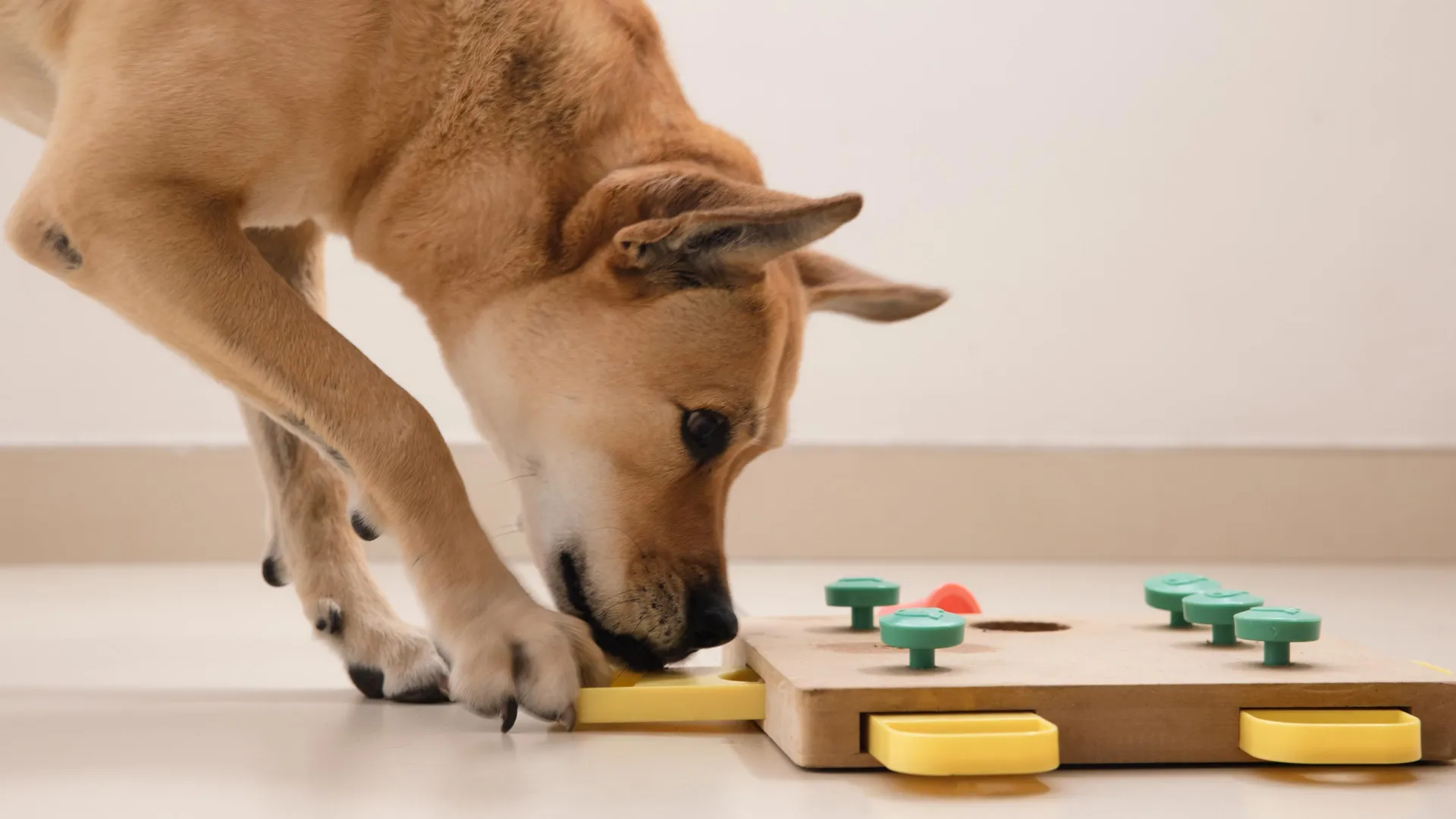
Credit: www.sciencedaily.com
Environmental Influences
Environmental influences play a big role in how dogs react to toys. The place where your dog spends time and the way toys are introduced affects their interest. Dogs need the right setting to feel safe and curious about toys. Noise, people, and other pets can distract them from focusing on a toy. Understanding these factors helps explain why some dogs ignore toys.
Lack Of Proper Toy Introduction
Dogs may not like toys if they do not meet them the right way. Tossing a toy near your dog without excitement can make it boring. Showing joy and playing with the toy first can help. Let your dog smell and touch the toy gently. Repeat this often to build interest. Slowly, your dog may start to enjoy the toy.
Distractions In The Surroundings
Many things can distract a dog from playing with toys. Loud noises like traffic or TV can make them nervous. Other pets or people moving around can steal their attention. A busy or noisy room is not good for playtime. Choose a quiet spot with few distractions for toy time. Your dog will focus better and may start to like toys more.
Choosing The Right Toys
Choosing the right toys for your dog is important. Dogs have different tastes and needs. Picking toys that match your dog’s preferences can make playtime fun. It can also keep your dog safe and happy. Here are some key points to think about when selecting toys.
Material And Texture Preferences
Dogs feel different textures with their mouths. Some like soft toys, while others prefer hard ones. Chewers may enjoy rubber or nylon toys. Gentle dogs might like plush or fabric toys. Try different materials to see what your dog likes best. A toy your dog enjoys will keep them interested longer.
Size And Safety Considerations
Choose toys that fit your dog’s size. Small toys can be a choking hazard for big dogs. Large toys may be hard for small dogs to carry. Always check if the toy is safe and strong. Avoid toys that break easily or have small parts. Safety keeps your dog happy and prevents accidents during play.
Encouraging Play And Engagement
Encouraging play and engagement helps your dog enjoy toys more. Dogs may ignore toys because they feel unsure or bored. You can help by making playtime fun and rewarding. This builds a positive connection with toys. Small steps and patience work best.
Try different ways to interact and keep your dog interested. Use simple games and rewards to motivate your dog. This makes toys more exciting and enjoyable.
Interactive Play Techniques
Use toys during active play to catch your dog’s attention. Move toys slowly at first, then increase speed. Play chase or tug games with safe toys. Change toys often to keep interest high. Join your dog on the floor to show how to play. Use sounds or treats to excite your dog. Interactive play strengthens your bond and helps your dog feel happy and safe.
Positive Reinforcement Strategies
Praise your dog when it shows interest in toys. Use treats to reward small steps toward playing. Give calm, happy words like “good” or “yes” during play. Avoid forcing your dog to play. Let your dog explore toys at its own pace. Repeat rewards to build a good habit. Positive reinforcement makes toys more fun and less scary.

Credit: www.reddit.com
Frequently Asked Questions
Why Does My Dog Ignore Toys Completely?
Some dogs may ignore toys due to lack of interest or past negative experiences. They might prefer other activities, like exploring or cuddling. Understanding your dog’s personality helps choose suitable toys and encourages engagement through play.
Can Health Issues Affect My Dog’s Toy Interest?
Yes, health problems like dental pain or arthritis can reduce toy interest. If your dog avoids toys suddenly, consult a vet to rule out medical issues. Treating health concerns can restore their playfulness and enjoyment.
How Can I Make Toys More Appealing To My Dog?
Introduce toys gradually and use positive reinforcement. Choose toys with different textures, sounds, or scents. Play together to encourage interaction and keep toys fresh by rotating them regularly to maintain your dog’s interest.
Is Breed A Factor In Toy Preference?
Breed traits influence play style and toy preferences. Some breeds enjoy chewing, while others prefer fetching or tugging. Knowing your breed’s natural tendencies helps select toys that match their instincts and keeps them engaged.
Conclusion
Not all dogs enjoy toys the same way. Some prefer other activities like walks or cuddles. Understanding your dog’s likes helps you bond better. Try different toys and watch how your dog reacts. Patience and attention reveal what truly interests your pet.
Giving your dog time to explore helps build trust. Enjoy the moments you share beyond just playtime. Every dog is unique, and that’s perfectly okay.


