
If your dog has an open wound, you might feel worried and unsure about what to do next. Taking care of your furry friend’s injury quickly and correctly is key to preventing infection and helping them heal faster.
You want to make sure you handle the situation calmly and confidently, so your dog stays comfortable and safe. In this guide, you’ll learn simple, clear steps to clean, protect, and care for your dog’s open wound. Keep reading to discover exactly what you need to do to help your pet recover smoothly and avoid common mistakes that could cause more harm.
Assessing The Wound
Assessing your dog’s open wound is the first step to proper care. This helps you understand the injury and decide the next actions. A clear look at the wound can prevent complications and speed healing.
Identifying Wound Types
Check the wound’s size and depth. Small cuts or scrapes often heal fast. Deeper wounds need more care. Look for punctures, tears, or burns too. Each type needs different treatment. Clean wounds with mild soap and water. Avoid harsh chemicals that hurt your dog’s skin.
When To Seek Veterinary Care
Seek help if the wound is large or deep. Heavy bleeding or swelling means urgent care. Watch for signs of infection like redness or pus. If your dog is in pain or stops eating, call a vet. Prompt care stops problems and helps your dog heal well.
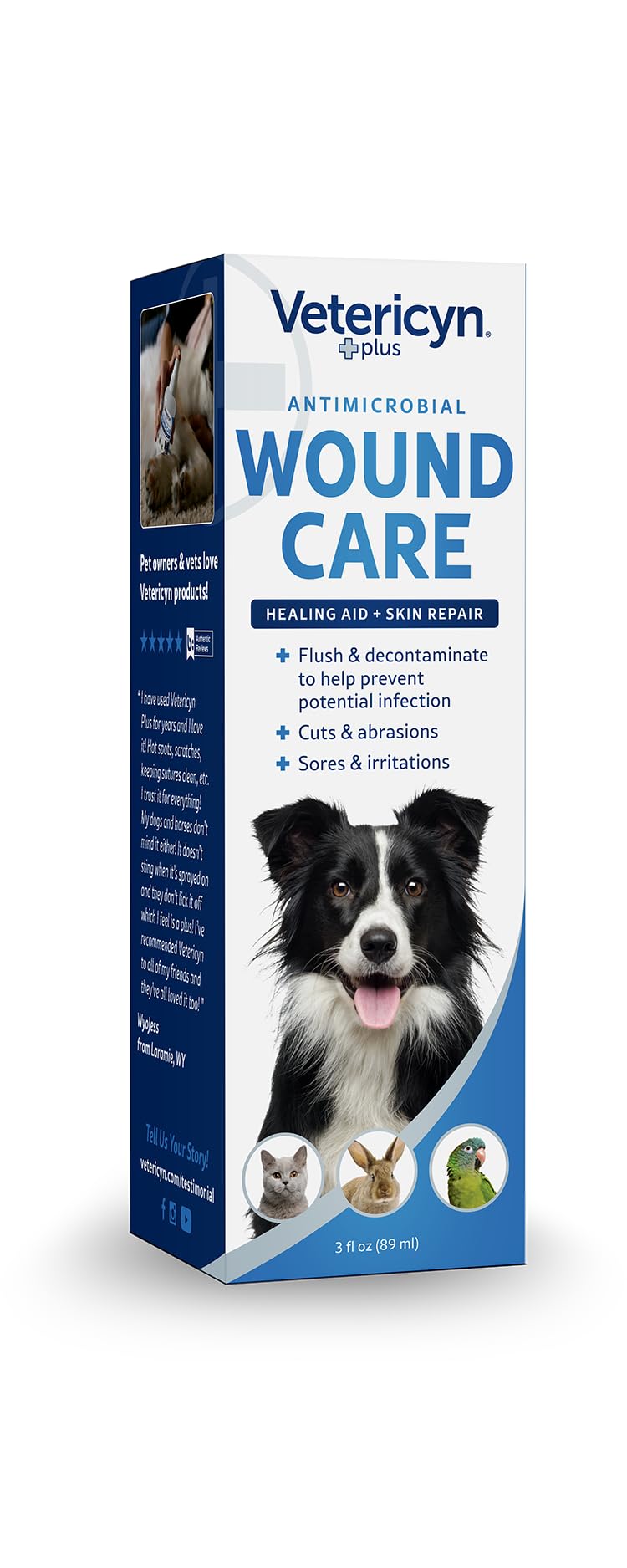
Credit: www.amazon.com
Cleaning The Wound
Cleaning an open wound on your dog is important. It helps stop infection and speeds healing. You must be gentle and careful during cleaning. Proper cleaning keeps the wound safe and healthy. Follow simple steps to clean the wound correctly.
Preparing Cleaning Supplies
Gather all supplies before starting. You need clean water or saline solution. Use sterile gauze or soft cloth. Have mild soap if recommended by a vet. Keep disposable gloves nearby to avoid germs. Prepare a clean towel to dry the wound. Keep everything within reach to avoid rushing.
Safe Cleaning Techniques
Wash your hands before touching the wound. Wear gloves to protect yourself and your dog. Rinse the wound gently with water or saline. Do not use hydrogen peroxide or alcohol; they hurt tissue. Dab the wound softly with gauze to remove dirt. Avoid scrubbing, which can cause pain and damage. Let the wound air dry or use a clean towel. Check for signs of infection like redness or swelling.
Protecting The Wound
Protecting an open wound on your dog is key to helping it heal well. Proper care stops dirt and germs from causing infection. Covering the wound keeps it safe and comfortable for your dog.
It also prevents your dog from licking or scratching the area. This reduces pain and speeds up healing. Choosing the right way to cover the wound matters a lot.
Choosing The Right Dressing
Pick a dressing that fits your dog’s wound size and type. Use sterile gauze pads to keep the wound clean. Non-stick dressings work best to avoid pulling skin when removed. Soft bandages hold the dressing in place without tight pressure.
Change the dressing daily or if it gets wet or dirty. Keep the area dry and clean at all times. Check the wound for signs of healing or problems during each change.
Preventing Infection And Irritation
Clean the wound gently before applying a new dressing. Use mild antiseptic solutions safe for dogs. Avoid harsh chemicals that can hurt the skin. Watch for redness, swelling, or bad smell around the wound.
These signs mean infection may be present. Stop your dog from licking by using a cone or protective clothing. Keep your dog calm and prevent rough play to avoid injury.

Credit: www.dogwheelchairsindia.com
Managing Pain And Discomfort
Managing pain and discomfort is a key part of caring for your dog’s open wound. Pain can slow healing and make your dog restless or scared. Knowing how to spot pain and ease it safely helps your dog recover faster. Comfort is just as important as cleaning the wound.
Recognizing Signs Of Pain
Dogs cannot tell us when they hurt. Watch for changes in behavior. Whining, growling, or whimpering may show pain. Your dog may lick or bite the wound often. Limping or favoring one side can also mean discomfort. Look for changes in appetite or sleep. Sudden aggression or hiding are other signs.
Safe Pain Relief Options
Never give human medicine to dogs. Some drugs can harm or kill them. Talk to your vet about pain medicine made for dogs. They can prescribe safe tablets or creams. Cold packs can reduce swelling and numb pain. Use a soft cloth between the pack and skin. Keep your dog calm and limit movement to ease pain.
Promoting Healing
Helping your dog’s wound heal well needs care and attention. Healing depends on several factors. Good nutrition, hydration, and rest play key roles. These elements support the body to repair itself fast. Understanding how to promote healing improves your dog’s recovery.
Nutrition And Hydration Tips
Feed your dog a balanced diet rich in vitamins and minerals. Protein helps build new tissue and fight infection. Fresh water keeps cells hydrated and flushes out toxins. Avoid feeding your dog junk food or treats high in sugar. Small, frequent meals can keep energy levels steady. Consult your vet about supplements that support skin repair.
Encouraging Rest And Limited Activity
Rest is vital for healing wounds. Limit your dog’s running and jumping to prevent reopening the wound. Create a calm, comfortable space for your dog to relax. Use barriers or leashes to control movement if needed. Avoid stressful situations or loud noises that may cause excitement. Monitor your dog closely to keep activity at a safe level.
Monitoring Recovery
Monitoring your dog’s wound recovery is very important. It helps you see if the wound is healing well or if there are problems. Careful watching lets you act fast. This can prevent infections or other issues. Check the wound every day. Note any changes in size, color, or discharge. Keep your dog calm and prevent licking or biting the wound.
Signs Of Healing Progress
Healing wounds usually get smaller and less red. The area might feel warm but not hot. New skin forms over the wound. Scabs can appear and stay until the skin heals. Your dog may lick less and seem more comfortable. Swelling should go down. No bad smell should come from the wound. These signs show the wound is getting better.
Warning Signs Of Complications
Watch for redness that spreads or gets worse. Swelling that grows or feels hot is a problem. Pus or thick discharge means infection. Foul smells are a bad sign. Your dog may lick or bite the wound more. Limping or pain near the wound can mean trouble. If the wound reopens or bleeds, act quickly. These signs need a vet’s attention right away.
Preventing Future Wounds
Preventing future wounds on your dog helps keep them safe and healthy. Small injuries can turn into bigger problems. Taking simple steps lowers the risk of cuts and scrapes. A safe home and regular care protect your furry friend from harm.
Safe Environment Tips
Remove sharp objects and broken items from your dog’s reach. Check your yard for nails, glass, or thorny plants. Keep fences secure to stop your dog from escaping. Use pet-safe cleaning products to avoid skin irritation. Create a clear space for play to prevent accidents.
Regular Grooming And Inspection
Brush your dog often to spot any skin issues early. Trim nails to prevent scratches on their body. Check ears, paws, and underbelly for cuts or redness. Clean any dirt or debris that can cause infections. Early detection helps treat wounds before they get worse.

Credit: www.reddit.com
Frequently Asked Questions
How Do I Clean An Open Wound On My Dog?
Gently rinse the wound with warm water to remove dirt. Use a mild antiseptic recommended by your vet. Avoid hydrogen peroxide as it may damage tissue. Pat the area dry with a clean cloth. Keep the wound clean to prevent infection.
When Should I See A Vet For My Dog’s Wound?
Seek veterinary care if the wound is deep, bleeding heavily, or won’t stop bleeding. Also, visit a vet if there is swelling, foul odor, or pus. Immediate attention is crucial for severe wounds or if your dog shows signs of pain or lethargy.
Can I Use Human Ointments On My Dog’s Wound?
Avoid using human ointments unless your vet approves. Some ingredients can be toxic to dogs or cause allergic reactions. Always use products specifically formulated for pets. Consult your veterinarian before applying any medication to ensure safety and effectiveness.
How Do I Prevent My Dog From Licking The Wound?
Use an Elizabethan collar (cone) to prevent licking. You can also try bitter sprays recommended by your vet. Keep your dog distracted with toys or treats. Preventing licking helps the wound heal faster and reduces infection risk.
Conclusion
Caring for your dog’s open wound takes time and patience. Clean the wound gently and keep it dry. Watch for signs of infection like redness or swelling. Change dressings regularly to help healing. Avoid letting your dog lick or scratch the wound.
Visit the vet if the wound worsens or does not heal. Small steps make a big difference in your dog’s recovery. Stay calm and consistent. Your care helps your dog feel better and heal faster.


