
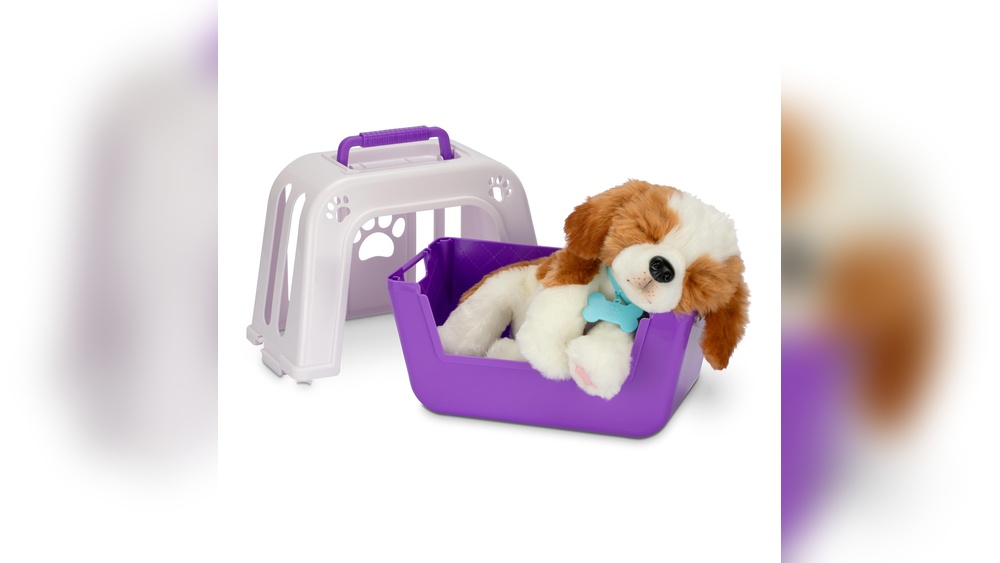
Have you ever wondered what makes a toy dog so special? If you’re thinking about adding a small, charming companion to your life, understanding what a toy dog really is can help you make the best choice.
These tiny dogs aren’t just cute—they bring joy, comfort, and energy to your home. Keep reading to discover what sets toy dogs apart and why they might be the perfect pet for you.

Credit: en.wikipedia.org
Toy Dog Characteristics
Toy dogs are small dogs bred mainly for companionship. Their size and personality make them ideal for people living in apartments or small homes. These dogs are lively and often have a strong bond with their owners.
Understanding their key traits helps you decide if a toy dog fits your lifestyle. Their size, temperament, and common breeds define what to expect from these charming pets.
Size And Weight
Toy dogs are very small. They usually weigh between 4 and 12 pounds. Their height often stays under 10 inches. This tiny size makes them easy to carry and manage. Despite being small, they are sturdy and active.
Temperament Traits
Toy dogs are friendly and alert. They love attention and enjoy being close to people. These dogs are often brave and curious. Some can be a bit stubborn but are usually very loyal. They tend to get along well with families and other pets.
Common Breeds
Popular toy dog breeds include the Chihuahua, Pomeranian, and Yorkshire Terrier. Each breed has unique looks and personality. The Maltese and Toy Poodle are also common choices. These breeds share the small size and friendly nature typical of toy dogs.
Popular Toy Dog Breeds
Toy dogs are small, lively pets that fit perfectly in small homes. They bring joy and companionship without needing much space. Many toy dog breeds have unique looks and charming personalities. Each breed offers something special for dog lovers.
Chihuahua
The Chihuahua is one of the smallest dog breeds. It has big eyes and large ears. This breed is very loyal and brave. Chihuahuas love to be close to their owners. They need little exercise but enjoy short walks.
Pomeranian
Pomeranians have fluffy, thick coats. They look like little foxes with bright eyes. These dogs are playful and full of energy. Pomeranians enjoy attention and can be very friendly. Grooming is important to keep their fur soft.
Yorkshire Terrier
Yorkshire Terriers, or Yorkies, have silky, shiny hair. They are small but have big personalities. Yorkies are smart and curious. They do well in apartments and like to play. Regular grooming keeps their coat healthy.
Maltese
The Maltese breed has a long, white coat. They are gentle and sweet with children. Maltese dogs love to cuddle and stay close to people. These dogs need daily brushing to prevent tangles. They enjoy calm walks and quiet time.
Living With A Toy Dog
Living with a toy dog brings joy and companionship into your home. These small dogs fit well into many lifestyles. Their size makes them easy to care for in apartments or houses. Understanding their needs helps keep them happy and healthy.
Space And Environment
Toy dogs need a safe and cozy space. They do well in small homes or apartments. A quiet area with a soft bed works best. Keep harmful objects out of their reach. They enjoy exploring but need protection from hazards.
Exercise Needs
Though small, toy dogs need regular exercise. Short walks and playtime help burn energy. Toys that encourage movement keep them active. Exercise also helps prevent behavior problems. A few minutes a day is enough for most.
Social Interaction
Toy dogs thrive on social time with people. They enjoy cuddling and gentle play. Meeting new people can help them stay friendly. Avoid rough handling as they are fragile. Regular interaction builds trust and love between you.
Health And Care Tips
Toy dogs are small but need careful health and care routines. Their tiny size makes some things more important. Proper care helps them live happy and long lives.
Knowing how to feed, groom, and watch for health problems is key. This guide covers simple tips to keep your toy dog strong and healthy.
Nutrition Guidelines
Toy dogs need food made for small breeds. Their meals should be rich in proteins and fats. Small, frequent meals help with their fast metabolism. Avoid giving too many treats or table scraps. Fresh water must always be available. Balanced nutrition keeps their energy up and weight steady.
Grooming Essentials
Regular grooming keeps toy dogs clean and comfortable. Brush their fur daily to stop mats and tangles. Bath them every few weeks using gentle dog shampoo. Check ears weekly for dirt or infection signs. Trim nails carefully to avoid pain. Clean teeth often to prevent bad breath and decay.
Common Health Issues
Toy dogs face some common health problems. Dental disease is frequent due to small mouths. Watch for coughing or breathing problems. Their bones are fragile; avoid rough play. Eye issues like dryness or irritation happen often. Regular vet visits help catch problems early.
Training Your Toy Dog
Training your toy dog is important for a happy home. These small dogs learn quickly but need gentle guidance. Consistent training builds trust and good habits. Start early and keep sessions short and fun.
Basic Commands
Teach simple commands like sit, stay, and come. Use clear words and show the action. Reward your toy dog with treats or praise. Repeat daily to help them remember. Short training sessions work best for their small attention span.
Housebreaking
Housebreaking is key for toy dogs. Take your dog outside often, especially after meals. Choose a spot and use a word like “go” to signal. Praise your dog when they go outside. Clean accidents inside quickly to remove smells. Patience is important during this process.
Behavior Management
Manage biting, barking, and jumping early. Redirect unwanted behavior with calm commands. Give toys to chew instead of hands. Ignore barking for attention to reduce it. Reward quiet and calm behavior. Consistent rules help your dog understand limits.

Credit: www.amazon.com
Choosing The Right Toy Dog
Choosing the right toy dog is an important step. This choice affects your daily life and happiness. Toy dogs are small, but they need care and attention. Picking the best breed fits your lifestyle and budget. Understand your needs before making a decision.
Assessing Lifestyle Fit
Think about your daily routine and home space. Toy dogs need playtime and walks. Some breeds need more exercise than others. Small apartments suit some toy dogs better. Consider your activity level and time for care.
Adoption Vs. Breeder
Adopting a toy dog saves a life and costs less. Shelters have many small dogs waiting for homes. Breeders offer specific breeds and puppies. Choose a responsible breeder who cares about dog health. Both options need careful research and visits.
Cost Considerations
Toy dogs cost money for food, vet visits, and toys. Some breeds have higher health care costs. Plan for regular expenses and emergencies. Budgeting helps avoid stress and keeps your dog healthy. Think long-term before deciding.
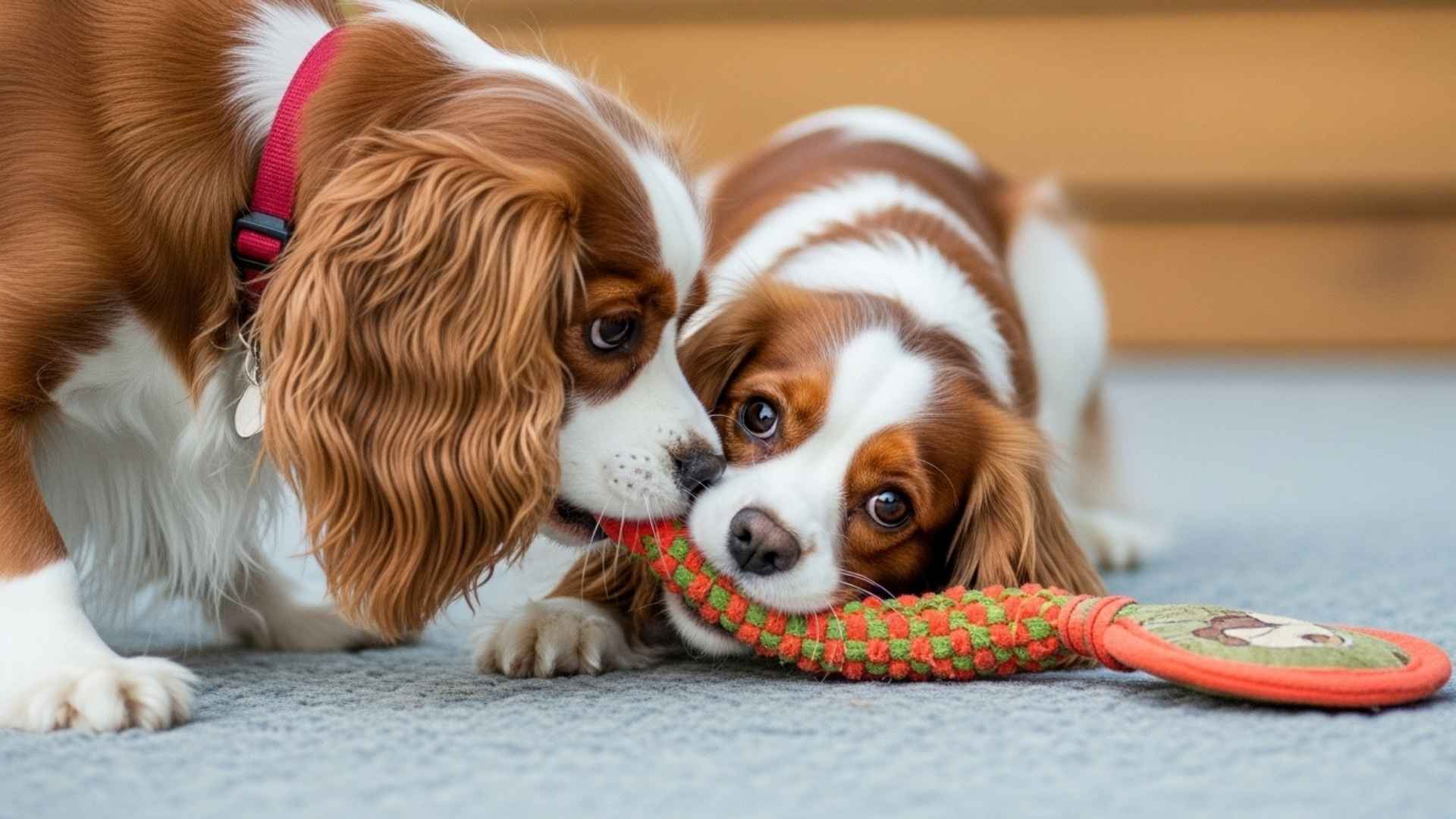
Credit: worldanimalfoundation.org
Frequently Asked Questions
What Is A Toy Dog Breed?
A toy dog breed is a small, companion dog bred primarily for companionship. These dogs usually weigh under 12 pounds and are known for their friendly and affectionate nature.
How Big Do Toy Dogs Typically Get?
Toy dogs typically weigh between 4 to 12 pounds and stand about 6 to 10 inches tall. Their small size makes them ideal for apartment living and easy handling.
Are Toy Dogs Good For Families?
Yes, toy dogs are generally good for families. They are affectionate, playful, and adapt well to indoor environments, making them great pets for children and adults alike.
What Are Common Toy Dog Breeds?
Common toy dog breeds include the Chihuahua, Pomeranian, Toy Poodle, and Yorkshire Terrier. These breeds are popular for their small size and charming personalities.
Conclusion
Toy dogs are small, lively pets full of charm. They fit well in apartments and small homes. Their size makes them easy to carry anywhere. These dogs need love, care, and regular exercise. They often form strong bonds with their owners.
Choosing a toy dog means bringing joy and companionship. Each breed has unique traits to explore. Caring for one requires patience and kindness. A toy dog can brighten your daily life. Simple happiness in a tiny, furry friend.


