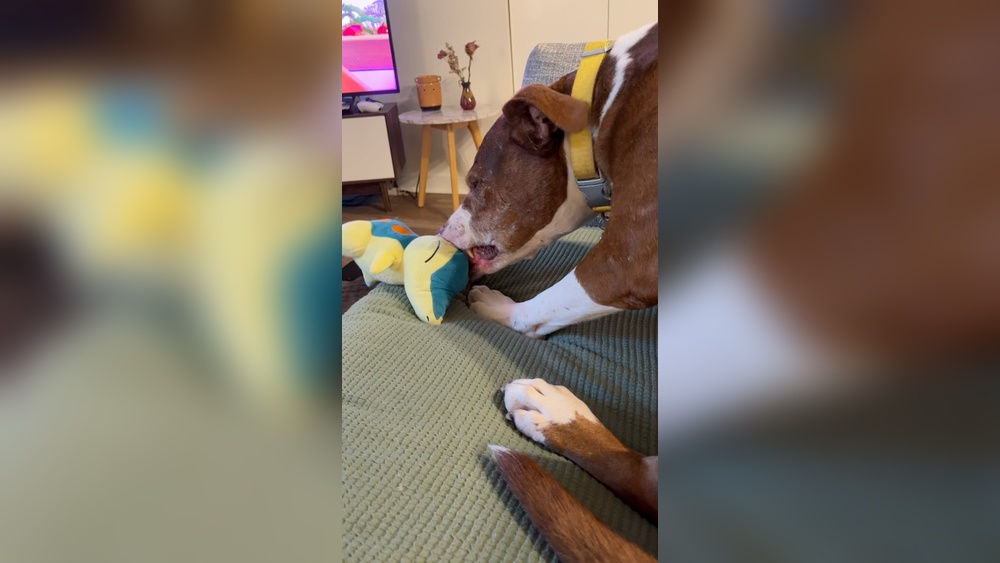
Have you ever wondered if your small dog can enjoy catnip toys just like a cat does? If you’re curious about whether these popular toys are safe and fun for your furry friend, you’re in the right place.
Understanding how your dog might react to catnip toys can help you make the best choice for their playtime. Keep reading to discover the surprising facts and expert tips that will keep your small dog happy and healthy while having fun.

Credit: talis-us.com
Catnip Toys And Small Dogs
Small dogs often show curiosity about catnip toys. These toys attract pets with scents and textures. Understanding how small dogs react helps pet owners choose safe toys. Catnip toys are made mainly for cats, but dogs may also enjoy them. Let’s explore the details.
What Are Catnip Toys
Catnip toys contain a plant called catnip. This plant has a strong smell that cats find exciting. The toys are usually soft and small. They come in shapes like mice or balls. Catnip inside these toys releases a scent that attracts pets.
Why Cats Love Catnip
Catnip has a chemical that excites cats. It makes them playful and happy. Cats may roll, sniff, or chew catnip toys. The reaction lasts a few minutes. Not all cats respond, but many love this scent. Catnip helps cats feel active and less stressed.
Dog Attraction To Catnip Toys
Dogs do not react to catnip like cats do. They do not have the same receptors. However, some dogs like the texture of catnip toys. They enjoy chewing or carrying them around. The smell might interest dogs, but it does not cause excitement. Owners should watch dogs to avoid chewing hazards.
Safety Concerns For Small Dogs
Small dogs are curious and playful. They may show interest in catnip toys designed for cats. Safety is important before letting small dogs play with these toys. Some risks need attention to keep pets safe and happy.
Toxicity Of Catnip To Dogs
Catnip is safe for cats but not for dogs. Dogs do not react the same way to catnip. Eating catnip can cause stomach upset or vomiting in dogs. Watch your dog closely if it chews on catnip toys. Remove the toy if your dog shows discomfort or unusual behavior.
Choking Hazards
Small dogs can easily choke on small parts of catnip toys. Loose stuffing, plastic pieces, or small bells may come off. These parts can block the throat or cause injury. Always check toys for small or loose parts. Choose toys that are sturdy and made for dogs.
Allergic Reactions
Dogs can have allergic reactions to materials in catnip toys. Signs include itching, redness, or swelling around the mouth or paws. Some dogs may sneeze or cough after contact. Stop using the toy if any allergic signs appear. Consult a vet if symptoms continue or worsen.
Behavioral Effects On Small Dogs
Small dogs may react differently to catnip toys. Their behavior can change in many ways. Understanding these effects helps owners decide if catnip toys suit their pets.
Watching how a small dog acts around catnip toys reveals clues. Some dogs calm down, while others get excited. Each dog’s reaction is unique.
Possible Calming Benefits
Catnip can have a soothing effect on some small dogs. It may help reduce anxiety and stress. This effect can make dogs feel more relaxed at home.
Calm dogs are easier to train and behave better. Catnip toys might help dogs who get nervous or scared.
Hyperactivity Risks
Some small dogs become very active after smelling catnip. They may run, jump, or bark more than usual. This hyperactivity can be hard to manage indoors.
Overstimulation may cause restlessness or unwanted behavior. Owners should watch for signs and limit playtime if needed.
Individual Dog Responses
Not all small dogs react the same to catnip toys. Some may ignore the scent completely. Others may have strong reactions, either calm or hyper.
Each dog’s response depends on its personality and genetics. Testing catnip toys in small amounts is the safest way to learn your dog’s preference.

Credit: dogs.shababy4us.com
Alternatives To Catnip Toys
Small dogs need fun and safe toys to keep them happy and active. Catnip toys may not be the best choice for dogs. Luckily, many alternatives exist that dogs enjoy just as much. These options can help keep your pet entertained without any risks.
Dog-safe Herbal Toys
Some herbs are safe and fun for dogs. Toys filled with herbs like lavender or chamomile can calm and relax dogs. These herbs have gentle scents that dogs like. They also help reduce anxiety in small dogs.
Herbal toys come in many shapes and sizes. They offer a natural way to keep dogs engaged. Always check if the herbs are safe for dogs before buying or making these toys.
Interactive Dog Toys
Interactive toys challenge dogs’ minds and bodies. Puzzle toys and treat dispensers keep dogs busy. They encourage problem-solving and reward your dog with treats.
These toys help reduce boredom and destructive behavior. Small dogs especially benefit from mental stimulation. Choose toys that match your dog’s size and skill level.
Homemade Toy Ideas
Making toys at home is easy and cost-effective. Use old socks or fabric to create chew toys. Fill them with dog-safe herbs or treats for extra fun.
Simple DIY toys encourage creativity and bonding. They also allow you to control the materials used. Always supervise your dog with homemade toys to ensure safety.
Tips For Introducing Catnip Toys
Introducing catnip toys to small dogs needs care and attention. Catnip affects dogs differently than cats. Some dogs may enjoy the scent, while others might not react. Start slow and watch your dog’s behavior closely. This ensures playtime stays safe and fun.
Supervised Playtime
Always watch your dog when they play with catnip toys. Small dogs can chew and swallow pieces. Supervision helps prevent choking or upset stomach. Stay nearby to stop any rough chewing early.
Monitoring Reactions
Check how your dog reacts to the catnip scent. Some dogs may get excited or playful. Others might ignore the toy completely. If your dog shows signs of stress or discomfort, remove the toy immediately.
Gradual Introduction
Give the catnip toy in small sessions at first. Let your dog sniff and explore it slowly. Increase playtime with the toy as your dog gets used to it. This helps avoid any strong reactions or overexcitement.

Credit: www.amazon.com
Frequently Asked Questions
Can Small Dogs Safely Play With Catnip Toys?
Small dogs can play with catnip toys, but they may not react to catnip. Catnip affects cats differently due to their unique receptors. Always supervise your dog to prevent chewing or swallowing parts of the toy that could cause choking or digestive issues.
Do Catnip Toys Benefit Small Dogs’ Playtime?
Catnip toys mainly stimulate cats, not dogs. However, small dogs may enjoy the texture and movement of the toy. For better engagement, choose toys designed specifically for dogs, as catnip does not provide the same benefits for canine play and mental stimulation.
Are Catnip Toys Harmful To Small Dogs?
Catnip itself is not toxic to dogs, but ingestion in large amounts may cause mild stomach upset. Small dogs should only be given catnip toys under supervision to avoid chewing and swallowing non-edible parts, which can lead to choking or intestinal blockages.
How Do Small Dogs React To Catnip Toys?
Most small dogs show little interest in catnip toys because catnip affects cats only. Dogs respond better to toys with scents like bacon or peanut butter. Providing dog-specific toys ensures your pet stays entertained and safe during playtime.
Conclusion
Small dogs can enjoy catnip toys, but with care and attention. Not all dogs react the same way to catnip. Watch your dog closely to see if they like it or not. Avoid giving catnip toys if your dog shows signs of discomfort.
Choose safe and durable toys made for small dogs. Let your pet have fun, but keep their health in mind. Catnip toys can add variety to playtime, but always prioritize safety. A happy and safe pet makes playtime better for everyone.