

Are you looking for a fun and easy way to keep your furry friend happy and entertained? Making your own dog toys is not only simple but also a great way to save money and show your pet some extra love.
Imagine the joy on your dog’s face when you give them a toy you created just for them. You’ll discover step-by-step tips and creative ideas to make safe, durable, and engaging toys at home. Keep reading, and you’ll become your dog’s favorite playmate in no time!

Credit: smart.dhgate.com
Benefits Of Diy Dog Toys
DIY dog toys offer many great benefits for both pets and owners. Making toys at home is fun and saves money. You can create toys that suit your dog’s size and play style perfectly.
Homemade toys often last longer because you choose strong materials. They also reduce waste by reusing old items. This helps the environment and keeps your dog safe from harmful chemicals.
Improves Bonding With Your Dog
Making toys together builds a stronger bond. Dogs feel loved and cared for when you make something special. Playtime becomes more exciting with toys you created yourself.
Saves Money
Store-bought toys can be expensive and break quickly. DIY toys use household items, cutting costs. You get more toys without spending much money.
Customizes To Your Dog’s Needs
Every dog is different in size and strength. Homemade toys can fit your dog’s unique needs. You control the size, shape, and texture for safe play.
Encourages Creativity And Fun
Making dog toys sparks creativity. You try new ideas and designs. It turns simple materials into fun, engaging toys for your dog.
Promotes Environmental Responsibility
DIY toys often use recycled or natural materials. This reduces waste and pollution. It supports a healthier planet for pets and people.
Safe Materials For Dog Toys
Choosing safe materials for dog toys is very important. Dogs chew and bite toys a lot. Unsafe materials can harm their teeth, mouth, or stomach. Using safe materials protects your dog’s health and keeps playtime fun.
Many materials look good but are not safe for dogs. Some plastics or fabrics may break easily or have toxic chemicals. Picking the right materials helps your dog enjoy toys without risk.
Natural Rubber
Natural rubber is soft but strong. It can handle chewing without breaking. Dogs like its texture. Natural rubber is non-toxic and safe for teeth. It is a good choice for chew toys.
Cotton Fabric
Cotton is soft and gentle on a dog’s mouth. It is natural and does not have harmful chemicals. Use thick cotton cloth for durability. Avoid materials with dyes or chemicals that can hurt your dog.
Rope Material
Rope toys are popular and safe when made from cotton or hemp. These materials are natural and strong. Rope toys help clean dog teeth. Do not use synthetic ropes that can fray and cause choking.
Food-grade Silicone
Silicone is flexible and safe for dogs. Food-grade silicone has no toxic parts. It is easy to clean and lasts long. This material works well for chew toys and treat holders.
Simple No-sew Toy Ideas
Creating dog toys at home can be easy and fun. Simple no-sew toy ideas use materials you already have. These toys keep your dog busy and happy. They also save money and reduce waste.
T-shirt Tug Toy
Old t-shirts make great tug toys. Cut the shirt into long strips. Braid the strips tightly. Tie knots at both ends. This toy is soft and safe for dogs.
Braided Fleece Rope
Fleece fabric works well for braided ropes. Cut fleece into three equal strips. Braid the strips and knot the ends. The fleece rope is strong and gentle on teeth. Perfect for playing tug or fetch.
Sock Ball
Use an old sock to make a ball toy. Fill the sock with soft fabric scraps or a tennis ball. Tie the open end tightly with a knot. This ball is lightweight and easy to throw. Dogs love to chase and carry it.

Credit: smart.dhgate.com
Diy Interactive Toys
DIY interactive toys keep dogs busy and happy. They challenge your pet’s mind and body. Making these toys at home saves money and uses simple materials. Each toy encourages your dog to think and play. Interactive toys also reduce boredom and bad behavior.
Treat Puzzle Bottle
Use an empty plastic bottle to make a treat puzzle. Cut small holes around the bottle. Fill it with dry dog treats or kibble. Your dog pushes and rolls the bottle to get treats. This toy improves problem-solving skills and keeps dogs active.
Snuffle Mat
A snuffle mat hides treats in fabric strips. Use a rubber mat with holes or a piece of fleece. Tie strips of fleece through the holes. Scatter treats inside the fabric folds. Dogs sniff and search for hidden food. This toy stimulates their natural hunting instincts.
Hide And Seek Toy
Hide a favorite toy under cups or towels. Let your dog find the hidden toy by smelling. Change the hiding spots to keep the game fun. This simple game sharpens your dog’s nose and focus. It also builds a strong bond between you and your dog.
Repurposed Household Items
Household items can become fun dog toys with a little creativity. Using things around the house saves money and reduces waste. These toys keep dogs busy and happy. They also provide mental and physical exercise. Here are some easy ideas to try.
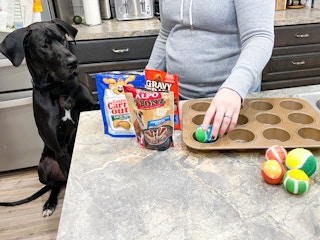
Tennis Ball Treat Holder
Take an old tennis ball and cut a small slit. Make sure the slit is big enough for treats to fit inside. Hide small dog treats or kibble pieces inside the ball. Your dog will push and chew to get the treats out. This toy encourages problem-solving and play.
Plastic Bottle Crunch Toy
Use a clean, empty plastic bottle for a crunchy toy. Remove the cap and label to keep it safe. Put the bottle inside an old sock and tie a knot at the end. The crunchy sound excites dogs and keeps them entertained. Supervise play to avoid bottle pieces breaking off.
Cardboard Maze
Grab some cardboard boxes and cut holes on the sides. Create tunnels and paths by connecting boxes together. Hide small treats or toys inside the maze. Your dog will explore and sniff to find the hidden rewards. This toy boosts mental skills and curiosity.
Tips For Toy Durability
Making dog toys is fun, but making them last longer is better. Durable toys save money and keep dogs safe. Strong toys stand up to chewing, biting, and rough play. Use these tips to build toys that last and keep dogs happy.
Choose Strong Materials
Pick fabrics like denim or canvas for toughness. Avoid thin or weak cloth that tears fast. Use heavy-duty thread for sewing parts together. Strong materials hold up against chewing and pulling.
Secure All Parts Firmly
Stitch or glue parts tightly to avoid loose pieces. Loose parts can break off and become choking hazards. Double-stitch seams for extra strength. Check knots and glue spots to keep them tight.
Use Reinforcements In Stress Areas
Add extra fabric layers where dogs bite most. Reinforce edges and corners with thick stitching. Use patches or extra padding for wear spots. Reinforcements help toys resist damage over time.
Test Toy Strength Before Use
Pull and twist the toy to check its durability. Fix weak spots before giving it to your dog. Keep testing toys regularly to ensure safety. Replace toys that start to break or fray.
Cleaning And Maintenance
Cleaning and maintenance keep dog toys safe and fun. Dirty toys can carry germs harmful to pets. Regular care helps toys last longer. It also keeps your dog healthy and happy.
Simple cleaning steps work well for most homemade dog toys. Check the materials first. Some need gentle washing, others can handle a scrub. Knowing how to clean each toy type protects its quality.
Cleaning Different Types Of Dog Toys
Soft fabric toys need gentle washing by hand or machine. Use mild soap and warm water. Avoid strong chemicals that can harm your dog. Rinse well to remove soap residue.
Hard rubber or plastic toys can be scrubbed with a brush. Use hot water and pet-safe soap. For tough dirt, soak the toy for a few minutes. Rinse thoroughly to keep it safe.
Drying And Storing Dog Toys
Dry toys completely before use. Damp toys can grow mold or bacteria. Air drying is best for fabric toys. Wipe hard toys with a clean cloth. Store toys in a clean, dry place away from dirt.
Inspecting Toys For Damage
Check toys regularly for tears or cracks. Broken parts can hurt your dog. Remove damaged toys immediately. Replace them or fix small problems safely. Regular checks prevent accidents and keep playtime safe.
Credit: thekrazycouponlady.com
Frequently Asked Questions
What Materials Are Best For Homemade Dog Toys?
Safe, durable materials like cotton, fleece, and rubber are ideal. Avoid toxic or small parts that dogs can swallow. Natural fibers are gentle on teeth and easy to clean.
How Can I Make A Diy Dog Tug Toy?
Use strong fabric strips like old t-shirts. Braid them tightly and knot the ends. This creates a durable, interactive tug toy that dogs love.
Are Homemade Dog Toys Safe For All Breeds?
Yes, if you choose appropriate sizes and materials. Always supervise playtime to prevent choking or ingestion of parts. Adjust toy size for your dog’s breed and chewing strength.
Can I Use Recycled Items To Make Dog Toys?
Yes, clean and safe recycled items like old socks or tennis balls work well. Ensure no harmful chemicals or loose parts are present before use.
Conclusion
Making dog toys at home is simple and fun. You can use old clothes or safe household items. Your dog will enjoy new, homemade toys more. These toys keep your pet happy and active. Crafting toys yourself saves money and adds a personal touch.
Try different ideas and see what your dog likes best. Remember to always check toys for safety. Happy crafting and joyful playtime with your furry friend!


