

Bringing a new puppy home is exciting, but crate training can feel overwhelming. You want your puppy to feel safe and comfortable while learning good habits.
What if there was a simple way to make this process smooth and stress-free for both of you? In this post, you’ll discover easy and effective tips to help your puppy love their crate. Keep reading to turn crate time into a happy, calm moment that strengthens your bond every day.
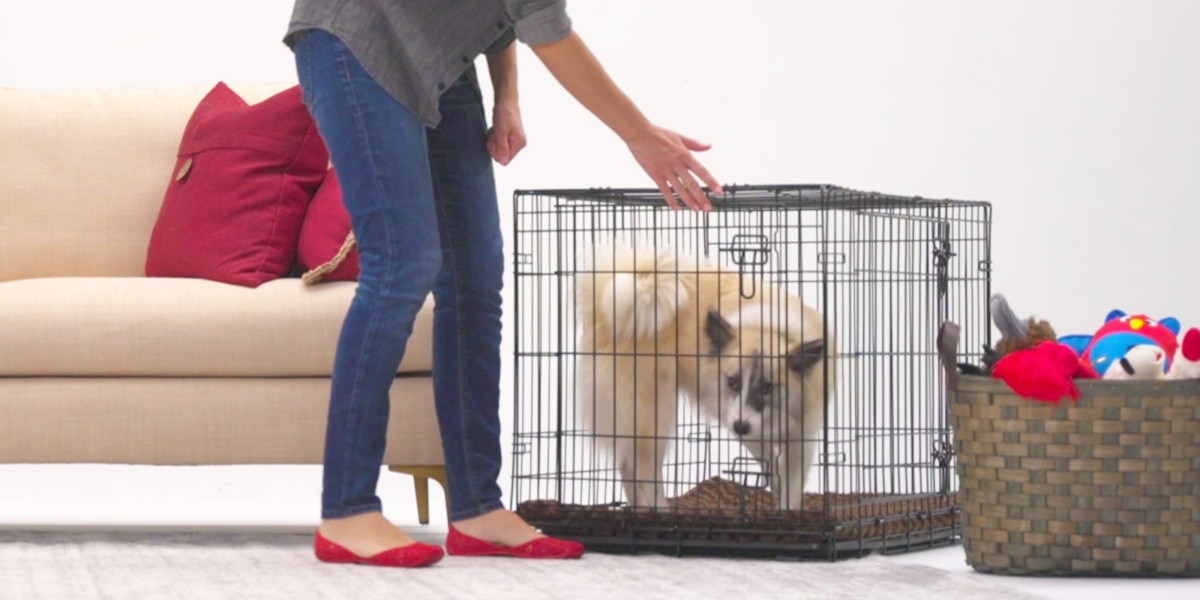
Credit: www.purina.com
Choosing The Right Crate
Choosing the right crate is key for successful puppy training. A good crate offers comfort and safety. It helps your puppy feel secure and calm. The right crate fits your puppy’s size and needs. This section guides you through important factors for picking the best crate.
Size Matters
Select a crate big enough for your puppy to stand, turn, and lie down. Too small feels cramped and stressful. Too large lets them use one corner as a bathroom. Choose a crate that fits your puppy’s current size. If your puppy will grow, pick a crate with adjustable dividers. This way, the crate grows with your puppy.
Material Options
Crates come in plastic, metal, and fabric. Plastic crates give your puppy a cozy, den-like space. Metal crates offer good ventilation and visibility. Fabric crates are lightweight and easy to carry. Think about where you will use the crate most. Pick the material that suits your puppy’s habits and your lifestyle best.
Safety Features
Check the crate for smooth edges to avoid injuries. Strong latches keep the puppy secure inside. Good airflow prevents overheating. Avoid crates with small parts your puppy can chew off. Choose a crate that is sturdy and well-made. Safety helps your puppy feel safe and comfortable.

Credit: zigzag.dog
Introducing The Crate
Introducing the crate to your puppy is the first step in crate training. It helps your puppy feel safe and secure. The crate becomes their special place. Start slow and make the crate inviting. This way, your puppy will enjoy spending time inside.
Creating A Positive Space
Make the crate cozy with a soft blanket or bed. Place it in a quiet, comfortable area. Avoid noisy spots or places with heavy foot traffic. Let your puppy explore the crate freely. Do not force them inside. The goal is to build trust and comfort.
Using Treats And Toys
Use treats to encourage your puppy to enter the crate. Toss a small treat inside and wait patiently. Add favorite toys to keep your puppy interested. Toys help reduce boredom and stress. Praise your puppy gently each time they go in. Positive rewards build good associations.
Gradual Exposure
Start with short crate sessions. Close the door for a few seconds at first. Gradually increase the time your puppy stays inside. Stay nearby and talk softly to reassure them. Avoid long periods alone at the start. This slow approach helps your puppy adjust without fear.
Establishing A Routine
Establishing a routine helps your puppy feel safe and secure. Dogs thrive on predictability. A clear schedule reduces stress and builds trust. Crate training works best with regular habits. Your puppy learns what to expect each day. This consistency supports good behavior and faster training.
Consistent Feeding Times
Feed your puppy at the same times daily. Set meals help regulate digestion and potty breaks. Avoid free feeding to keep the schedule clear. Predictable feeding times make crate training easier. Your puppy will learn when to eat and rest.
Scheduled Crate Breaks
Plan crate breaks throughout the day. Puppies need frequent chances to relieve themselves. Short breaks prevent accidents inside the crate. Regular breaks also reduce anxiety and boredom. Stick to the schedule to build good habits.
Bedtime Crate Use
Use the crate at night for comfort and security. A bedtime routine signals your puppy it’s time to sleep. Keep the crate in a quiet, cozy spot. Nighttime crate use helps your puppy settle down. This routine aids in peaceful, uninterrupted rest.
Handling Common Challenges
Handling common challenges is part of crate training a puppy. Many new dog owners face similar problems. Knowing how to respond helps your puppy feel safe and happy inside the crate.
Challenges like whining, chewing, and accidents often happen. Patience and consistency make these easier to solve. Each step helps your puppy learn good habits and trust the crate as a safe space.
Managing Whining And Barking
Whining and barking can be signs of discomfort or boredom. First, check if your puppy needs a bathroom break. Give gentle reassurance without opening the crate immediately. This teaches the puppy to wait calmly.
Use a calm voice to soothe your puppy. Avoid yelling or punishment. Create a quiet environment around the crate. Offer a favorite toy or blanket to comfort your puppy.
Preventing Chewing
Chewing is a normal puppy behavior but can damage the crate. Provide safe chew toys inside the crate. Rotate toys to keep your puppy interested. Avoid placing items that can harm your dog.
Discourage chewing on the crate bars by redirecting attention. Praise your puppy when it chews on toys. This builds positive behavior and protects the crate.
Dealing With Accidents
Accidents are common during crate training. Clean the crate thoroughly to remove smells. This prevents repeated accidents in the same spot. Never punish your puppy for accidents.
Take your puppy outside regularly before crate time. Watch for signs your puppy needs to go. Praise and reward your puppy for going outside. This helps build good bathroom habits.
Encouraging Independence
Encouraging independence is a key part of crate training a puppy. It helps your puppy feel safe and confident when alone. Teaching your puppy to enjoy time in the crate builds trust. It also reduces anxiety and bad habits later on.
Start with small steps. Let your puppy get used to the crate quietly. Keep the experience positive and stress-free. This way, your puppy learns the crate is a good place.
Short Periods Alone
Begin by leaving your puppy alone for short times. Just a few minutes at first. Then slowly increase the time. This helps your puppy get used to being alone. It stops fear or worry from growing.
Stay nearby at first. Let your puppy hear your voice. Then move out of sight. Always come back before your puppy gets upset. This builds confidence bit by bit.
Positive Reinforcement
Use treats and praise to reward calm behavior. Give a treat when your puppy enters the crate. Say “good dog” softly and kindly. This makes the crate a happy place.
Avoid scolding or forcing your puppy inside. Reward calm and quiet moments. This encourages your puppy to enjoy the crate on their own.
Avoiding Overuse
Do not keep your puppy in the crate too long. Long times can make your puppy unhappy or stressed. Puppies need time to play and exercise.
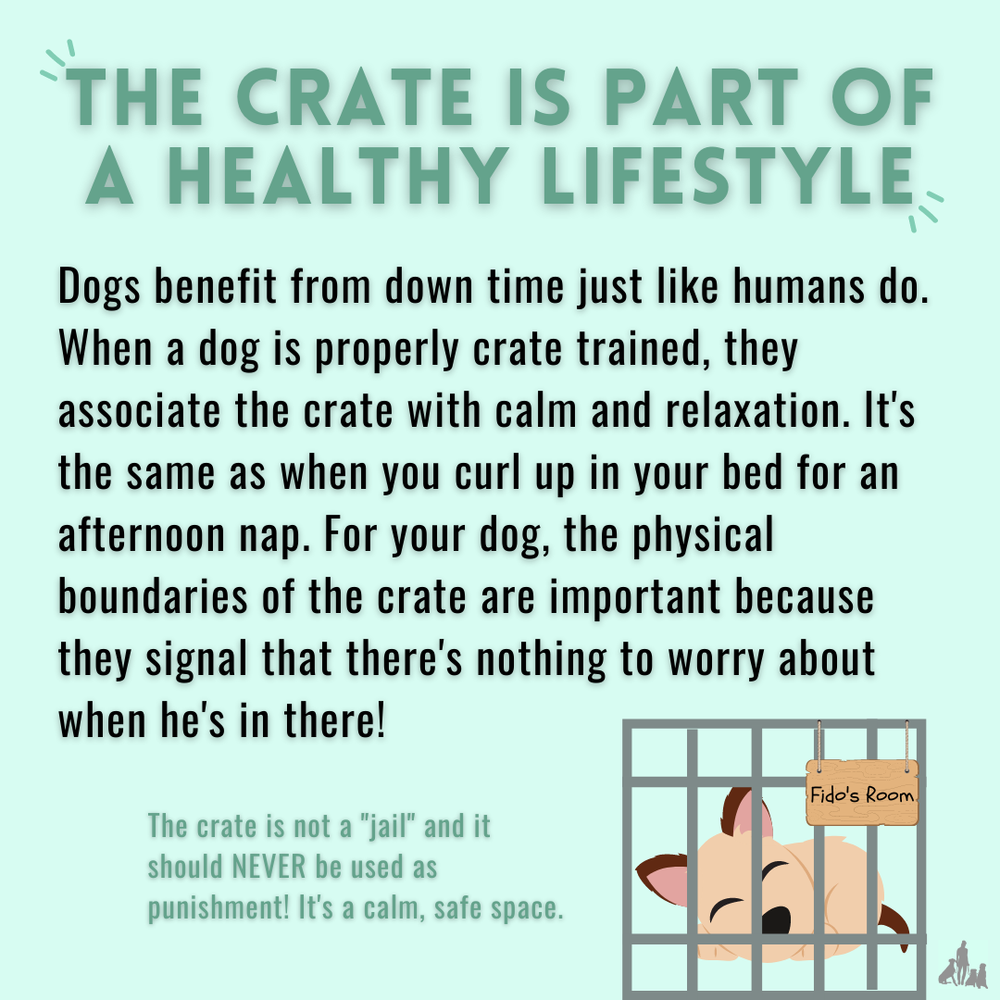
Use the crate for rest and safety. Not for punishment or long isolation. Balance crate time with fun and attention. This helps your puppy stay happy and healthy.
Credit: www.chaostocalmk9training.com
Monitoring Progress
Monitoring progress is essential in crate training a puppy. It helps you see how well your puppy adapts to the crate. Careful observation guides your training steps and helps avoid setbacks. Watch your puppy’s comfort and behavior closely. This way, you understand what works best and what needs change.
Tracking Behavior Changes
Note your puppy’s reactions daily. Look for signs of stress or comfort in the crate. Is your puppy calm or restless? Are accidents happening less often? Keep a simple journal to track these changes. This record shows progress and highlights issues early.
Adjusting Training Techniques
Use your notes to adjust training methods. If your puppy shows fear, try shorter crate times. Add treats and praise to create positive feelings. Change the crate location if needed. Small tweaks can make a big difference in training success.
When To Seek Help
If progress stalls or behavior worsens, ask for advice. A vet or dog trainer can provide useful tips. Early help prevents frustration for you and your puppy. Professional guidance ensures training stays on the right path.
Frequently Asked Questions
How Long Should I Crate Train My Puppy Daily?
Start with short sessions of 15-20 minutes. Gradually increase crate time as your puppy adjusts. Avoid exceeding 3-4 hours to prevent discomfort and accidents.
When Is The Best Age To Start Crate Training?
Begin crate training as early as 8 weeks old. Puppies adapt faster at a young age. Early training promotes positive crate association and good habits.
How Do I Make The Crate Comfortable For My Puppy?
Use soft bedding, favorite toys, and chew items inside. Keep the crate clean and cozy. A welcoming environment encourages your puppy to enter willingly.
Can Crate Training Help With Housebreaking?
Yes, crates teach bladder control by limiting space. Puppies avoid soiling their sleeping area. Crate training supports consistent potty schedules and faster housebreaking success.
Conclusion
Crate training helps your puppy feel safe and calm. Keep sessions short and positive. Give treats and praise often. Patience and consistency bring the best results. Puppies learn at their own pace. Avoid rushing or forcing them inside. A happy puppy makes training easier for you.
Trust the process and enjoy the journey together. Small steps lead to big progress. Your puppy will soon love their crate space.


