
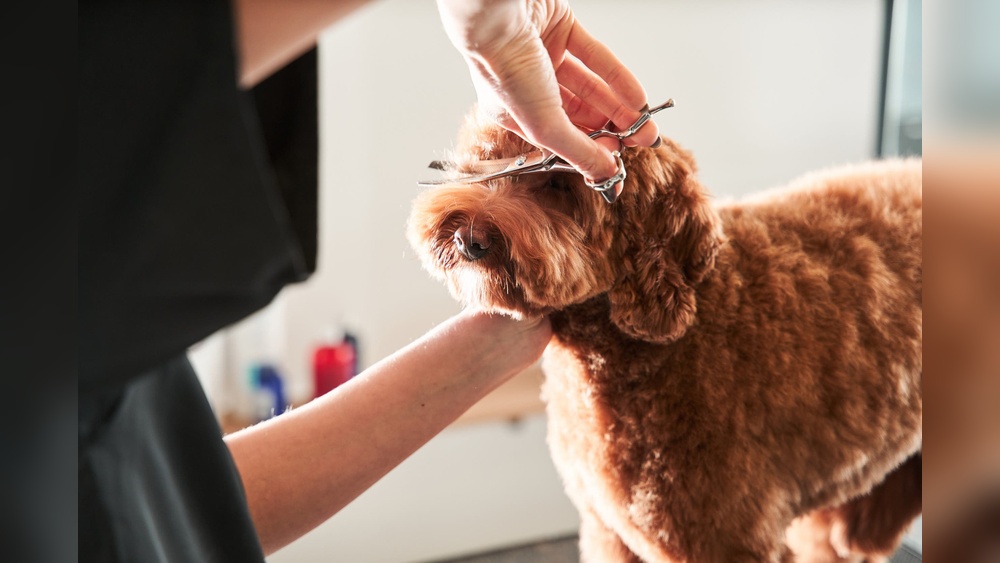
Grooming your dog isn’t just about keeping them looking good—it’s key to their health and happiness. You might think it’s a tough task, but with the right tips, it can be simple and even enjoyable for both of you.
Imagine how good it feels to see your furry friend clean, comfortable, and full of energy. This guide will show you exactly how to groom your dog step-by-step, so you can build a stronger bond and keep your pet feeling their best.
Ready to become your dog’s favorite groomer? Let’s dive in!
Credit: www.petassure.com
Choosing The Right Grooming Tools
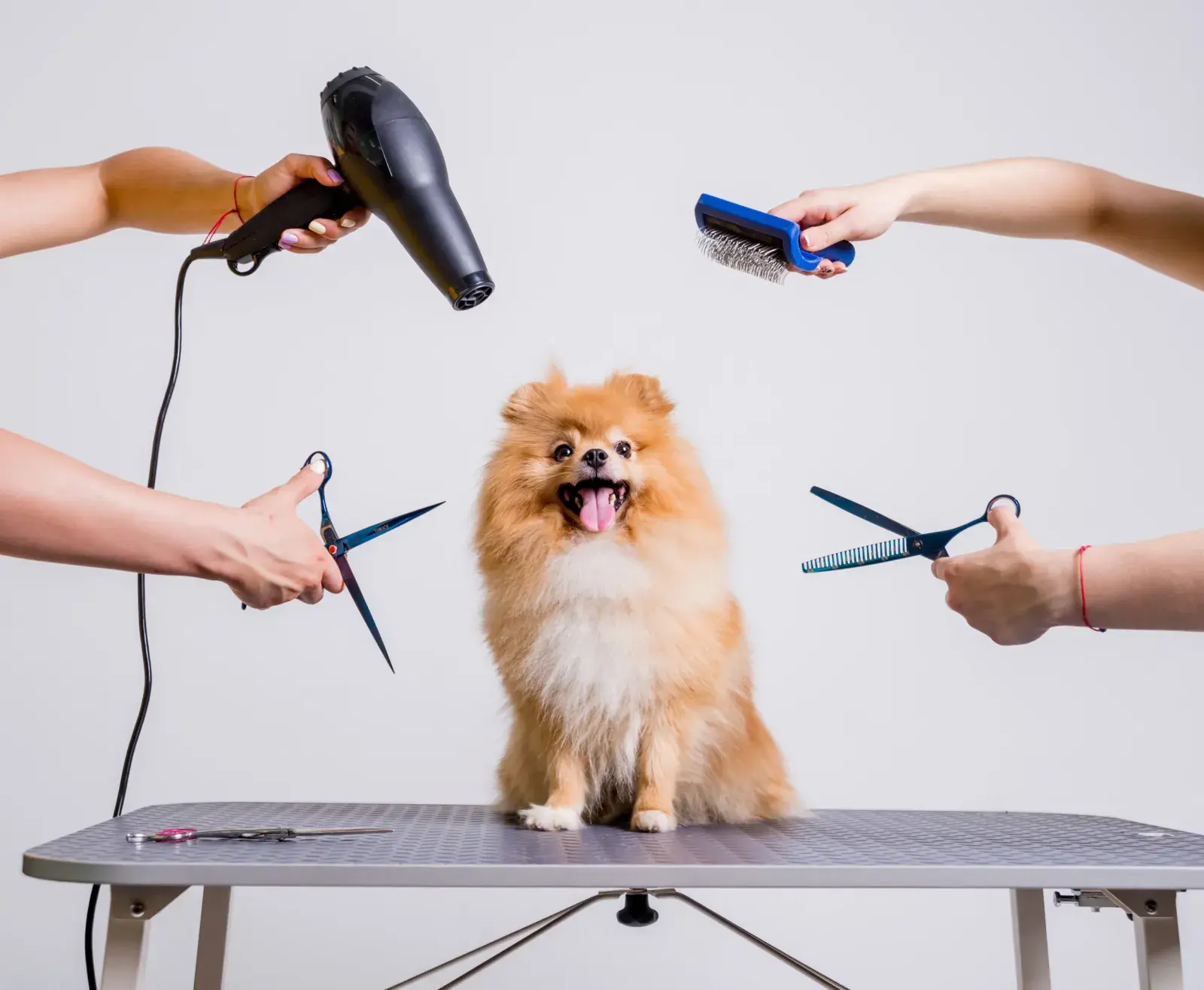
Choosing the right grooming tools is key to keeping your dog clean and healthy. The right tools make grooming easier and more comfortable. Different dogs need different brushes, clippers, and supplies. Understanding what suits your dog’s coat and size helps you pick the best tools. This ensures a safe and pleasant grooming experience for your pet.
Brushes And Combs For Different Coats
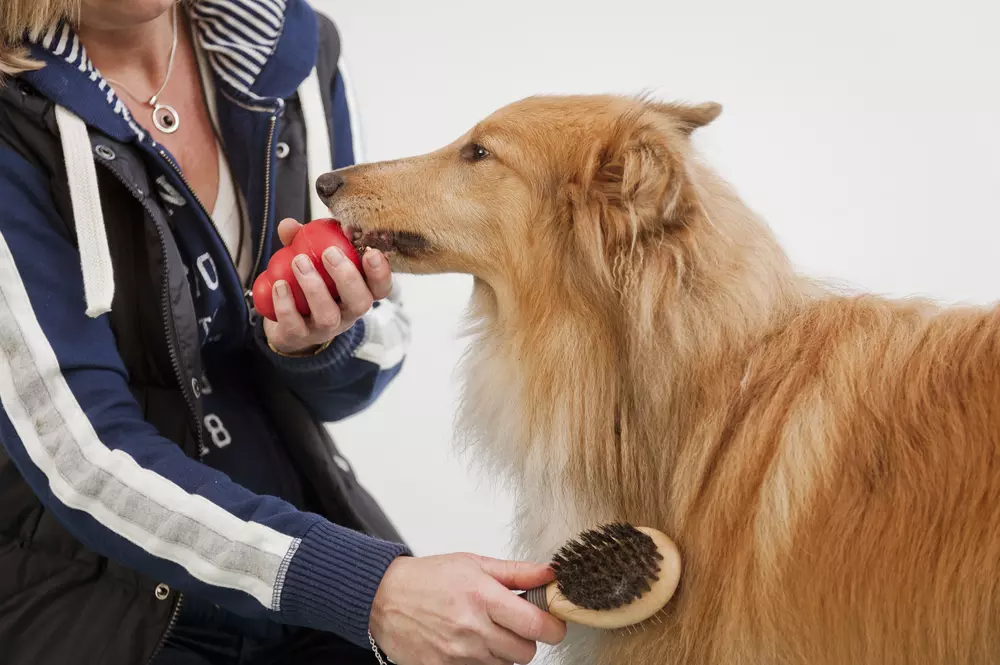
Dogs have various coat types. Some have short hair, others have long or curly coats. Use a slicker brush for long or tangled fur. It removes mats and loose hair gently. For short coats, a bristle brush works well. It cleans dirt and spreads natural oils. Combs help with finer grooming and removing small knots. Choose combs with wide or narrow teeth based on your dog’s fur thickness.
Selecting Suitable Clippers And Scissors
Clippers are useful for trimming thick or long coats. Pick clippers with different blade sizes to adjust hair length. Scissors are good for delicate areas like around ears and paws. Use curved scissors for safer trimming near sensitive spots. Always choose sharp blades to avoid pulling hair. Lightweight clippers and scissors reduce hand fatigue during grooming.
Essential Bathing Supplies
Bathing needs more than just shampoo. Use a dog-friendly shampoo to protect skin and coat. Have a conditioner for dogs with dry or long hair. A non-slip mat in the tub keeps your dog steady. Use towels or a pet dryer to dry your dog safely. Gentle washcloths help clean the face and ears carefully. Proper supplies make bath time calm and effective.
Credit: www.bluecross.org.uk
Preparing Your Dog For Grooming
Preparing your dog for grooming helps make the process easier and less stressful. It builds trust between you and your dog. Preparation also keeps your dog calm and safe during grooming sessions.
Creating A Calm Environment
Choose a quiet and comfortable space for grooming. Keep noise and distractions low. Use soft lighting to help your dog relax. Speak in a gentle voice. This helps your dog feel safe and less anxious.
Getting Your Dog Comfortable With Handling
Touch your dog’s paws, ears, and tail often. Do this slowly and gently. Reward your dog with treats and praise. Practice short handling sessions daily. This makes grooming tools less scary for your dog.
Scheduling Regular Grooming Sessions
Set a routine grooming schedule. Regular sessions help your dog get used to grooming. Short and frequent grooming is better than long, rare sessions. This keeps your dog clean and comfortable all the time.
Brushing Techniques For Healthy Fur
Brushing your dog’s fur keeps it clean and shiny. It also helps catch skin problems early. Proper brushing spreads natural oils, which keep the coat soft and healthy. Use the right tools and techniques to make brushing pleasant for your dog.
Removing Tangles And Mats
Start by gently separating small tangles with your fingers. Use a wide-tooth comb for bigger mats. Hold the fur close to the skin to avoid pulling. Work slowly and patiently to prevent hurting your dog. For tough mats, use a mat splitter or seek professional help.
Brushing Frequency For Various Breeds
Short-haired dogs need brushing once a week to remove loose fur. Medium-haired breeds benefit from brushing two to three times a week. Long-haired dogs require daily brushing to prevent mats and tangles. Adjust brushing based on your dog’s activity and shedding season.
Benefits Of Regular Brushing
Regular brushing reduces shedding and keeps the home cleaner. It improves blood flow to the skin, promoting healthy fur growth. Brushing also helps you spot fleas, ticks, or skin issues early. It builds trust and strengthens the bond with your dog.
Credit: www.newsweek.com
Bathing Your Dog Properly
Bathing your dog is an important part of grooming. It helps keep your dog clean and healthy. Proper bathing removes dirt, loose hair, and odors. It also helps prevent skin problems and infections. Bathing your dog the right way makes the experience safe and comfortable for your pet.
Choosing The Right Shampoo
Pick a shampoo made especially for dogs. Human shampoos can hurt your dog’s skin. Look for a gentle formula that fits your dog’s coat type. For sensitive skin, choose a shampoo with natural ingredients. Avoid shampoos with strong perfumes or harsh chemicals.
Bathing Steps And Tips
Brush your dog before the bath to remove tangles. Use warm water, not hot or cold. Wet your dog’s coat thoroughly. Apply shampoo and massage it gently into the fur. Clean all parts, including paws and underbelly. Rinse well to remove all shampoo. Leftover soap can cause itching or irritation.
Drying Methods To Avoid Skin Issues
Do not rub your dog’s coat roughly with a towel. Pat dry to soak up water carefully. Avoid using a human hairdryer on high heat. Use a pet dryer on low heat or let your dog air dry. Make sure your dog stays warm until fully dry. Wet fur can cause skin infections and bad odors.
Trimming And Clipping Safely
Trimming and clipping your dog’s fur and nails help keep them healthy and comfortable. Doing these tasks safely reduces stress and avoids injuries. You need the right tools and gentle handling. Patience is key for a smooth grooming session.
Nail Care And Prevention Of Overgrowth
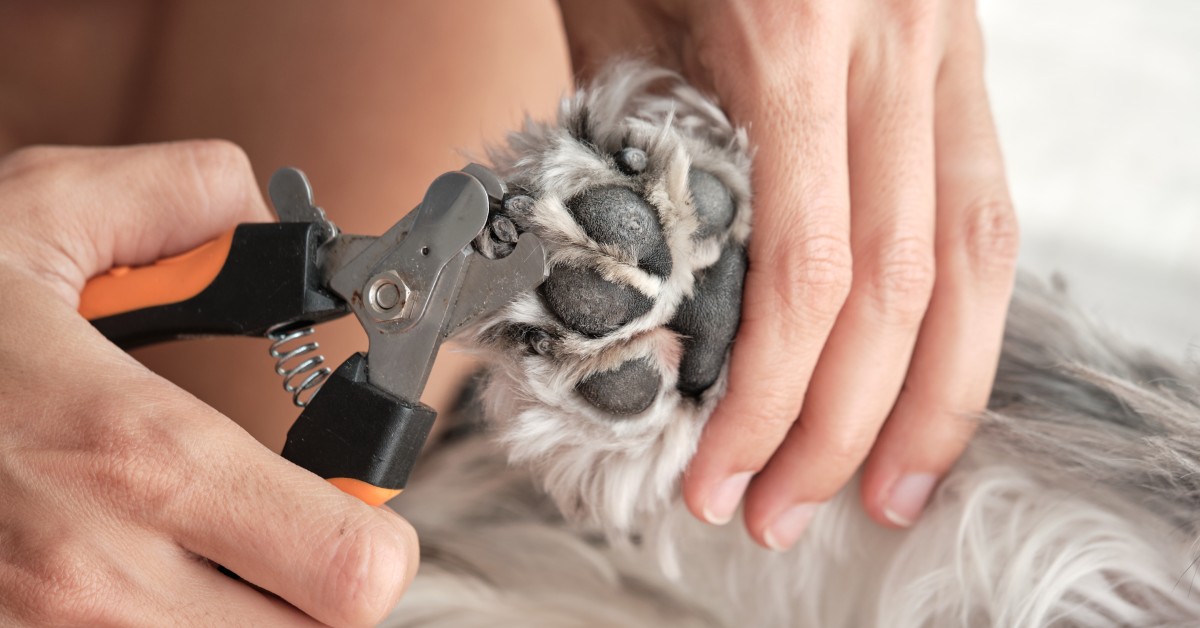
Trim your dog’s nails regularly to stop overgrowth. Long nails can cause pain and walking problems. Use a sharp nail clipper made for dogs. Cut small bits at a time to avoid cutting the quick. The quick is the pink part inside the nail with blood vessels. If nails are dark, trim little by little. After trimming, smooth edges with a nail file. Check nails often, especially if your dog walks less on hard surfaces.
Ear Cleaning And Hair Removal
Clean your dog’s ears gently to prevent infections. Use a soft cloth or cotton ball with a vet-approved cleaner. Avoid pushing deep inside the ear canal. Some breeds have hair in their ears that may need trimming. Use scissors with rounded tips or pluck carefully if recommended. Removing excess hair helps air flow and reduces ear problems. Check ears for redness, bad smell, or discharge during cleaning.
Coat Trimming Techniques
Choose the right clippers or scissors for your dog’s coat type. Use clippers with sharp blades to avoid pulling hair. Trim in the direction of hair growth for a neat look. Keep the skin tight to prevent cuts. Work in small sections to maintain control. Take breaks if your dog gets restless. For sensitive areas like paws and face, trim slowly and carefully. Regular trimming prevents mats and keeps your dog comfortable.
Dental Care For Your Dog
Dental care is a key part of grooming your dog. Healthy teeth keep your dog happy and active. Poor dental health can cause pain and illness. Regular care helps prevent problems and keeps breath fresh.
Start dental care early. Dogs get used to brushing and chewing dental toys. This makes dental care easier for both of you.
Brushing Teeth Effectively
Use a soft-bristled toothbrush made for dogs. Human toothpaste can harm your dog. Choose toothpaste with flavors dogs like, such as chicken or peanut butter.
Brush your dog’s teeth gently. Use small circles on each tooth. Focus on the outside surfaces, where plaque builds up most. Try to brush daily or at least three times a week.
Reward your dog with praise or a treat after brushing. This creates a positive habit and reduces stress.
Choosing Dental Chews And Toys
Dental chews help reduce plaque and tartar. Pick chews that are safe and fit your dog’s size. Avoid hard chews that can break teeth.
Dental toys also clean teeth while your dog plays. Look for toys with ridges or bumps. These help scrub the teeth and massage gums.
Use dental chews and toys as part of a daily routine. They support brushing and keep teeth cleaner longer.
Signs Of Dental Problems
Watch for bad breath that does not go away. This often signals dental issues. Check for red or swollen gums. These show irritation or infection.
Notice if your dog drops food or has trouble chewing. Pain can make eating hard. Look for excessive drooling or pawing at the mouth.
Visit a vet if you see any signs. Early treatment prevents serious dental disease and pain.
Spotting Skin And Coat Problems
Spotting skin and coat problems early helps keep dogs healthy and comfortable. Regular checks reveal signs of irritation, hair loss, or unusual bumps. Knowing what to watch for prevents serious issues.
Common Skin Conditions
Dogs often face skin problems like dryness, redness, or itchiness. Flea bites cause small red spots and scratching. Hot spots are wet, inflamed patches that grow quickly. Ringworm creates circular bald areas with scaly skin. Allergies may cause constant scratching and hair loss.
When To Consult A Veterinarian
Visit a vet if your dog shows persistent itching or hair loss. Swelling, oozing wounds, or bad smells need professional care. Sudden behavior changes or pain during grooming are warning signs. Early vet visits stop problems from worsening.
Preventive Measures For Healthy Skin
Brush your dog’s coat regularly to remove dirt and loose hair. Use shampoos made for dogs to avoid drying out the skin. Keep fleas and ticks away with vet-recommended treatments. Feed a balanced diet rich in omega fatty acids. Provide clean water and a stress-free environment.
Making Grooming Enjoyable
Grooming your dog should be a happy time for both of you. Enjoyable grooming helps your dog stay calm and relaxed. It also makes regular care easier and less stressful. Creating a positive experience builds trust and comfort. Here are ways to make grooming fun and pleasant.
Using Treats And Positive Reinforcement
Give your dog small treats during grooming. Praise your dog softly with kind words. Reward calm behavior to encourage patience. Positive reinforcement helps your dog enjoy grooming. Avoid punishment or loud voices. Treats and praise make your dog feel safe.
Keeping Sessions Short And Fun
Keep grooming sessions brief at first. Short sessions prevent your dog from getting tired. Take breaks if your dog shows signs of stress. Use toys or gentle strokes to keep attention. Gradually increase session time as your dog adapts. Fun sessions help your dog look forward to grooming.
Building A Strong Bond Through Grooming
Grooming is more than cleaning and brushing. It is a chance to connect with your dog. Talk softly and pet your dog gently. Notice your dog’s reactions and adjust your touch. This time strengthens your relationship. A calm and happy dog trusts you more.
Frequently Asked Questions
How Often Should I Groom My Dog?
Grooming frequency depends on your dog’s breed and coat type. Generally, dogs need grooming every 4 to 8 weeks. Regular brushing at home helps maintain coat health and reduces shedding. Frequent grooming prevents mats and keeps your dog comfortable and clean.
What Tools Are Essential For Dog Grooming?
Basic grooming tools include a slicker brush, comb, nail clippers, and dog shampoo. Specific breeds may require additional tools like de-shedding brushes or clippers. Using the right tools ensures effective grooming and keeps your dog’s coat healthy and shiny.
Can I Groom My Dog At Home Safely?
Yes, you can safely groom your dog at home with proper tools and patience. Start with gentle brushing and gradually introduce nail trimming and bathing. Always use dog-specific products and avoid sensitive areas to prevent stress or injury.
When Should I Consult A Professional Groomer?
Consult a professional if your dog has a thick coat, severe mats, or requires breed-specific cuts. Professionals handle complex grooming tasks and ensure your dog’s safety. Regular vet check-ups can also indicate when professional grooming is necessary.
Conclusion
Grooming your dog keeps them healthy and happy. Regular brushing removes dirt and loose hair. Trimming nails prevents pain and injury. Clean ears stop infections before they start. Bathing keeps your dog fresh and clean. Make grooming a calm and positive time.
Your dog will enjoy the care you give. A little effort brings big rewards in health. Start today, and see your dog shine. Simple steps lead to a happy, well-groomed pet.


