
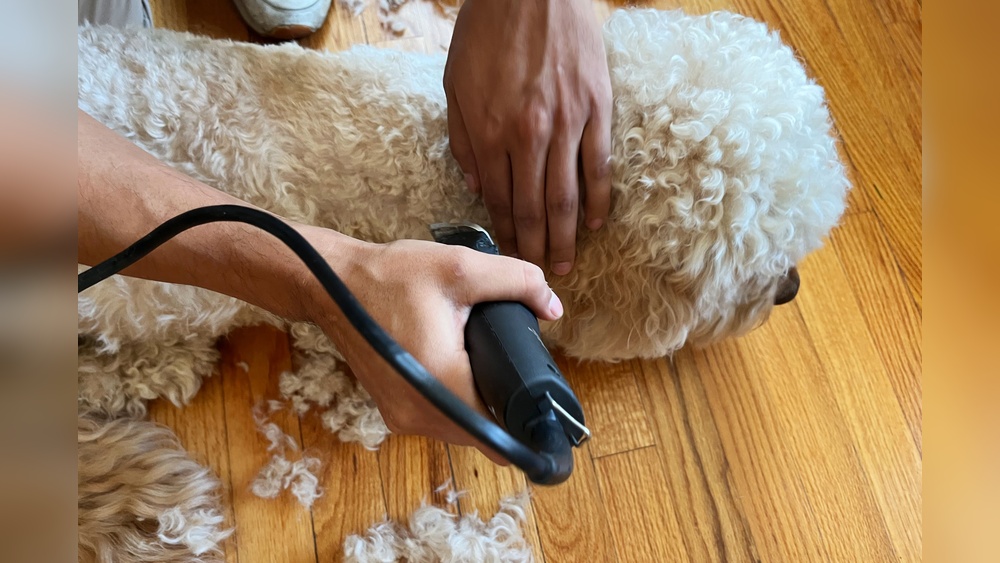
If your dog has thick hair, you know how hard it can be to keep their coat neat and comfortable. Choosing the right trimmer makes all the difference.
You want a tool that cuts smoothly, won’t pull or irritate your pet’s skin, and handles dense fur with ease. In this guide, you’ll discover the best dog trimmers designed specifically for thick hair. By the end, you’ll feel confident picking the perfect trimmer to keep your furry friend looking great and feeling happy.
Keep reading to find the ideal match for your dog’s grooming needs!
Credit: bigstateplumbing.com
Choosing Trimmers For Thick Hair
Choosing the right trimmers for thick dog hair needs careful thought. Thick hair is tough and can clog weak trimmers. The right tool makes grooming easier and keeps your dog comfortable. Focus on key features, blade types, and motor power. These factors affect trimming quality and speed.
Key Features To Look For
Look for sharp, durable blades that cut through thick hair smoothly. A trimmer with adjustable blade lengths helps style different coat types. Cordless models offer freedom to move around your dog. Lightweight trimmers reduce hand fatigue during long grooming sessions. Quiet motors keep your dog calm and stress-free.
Blade Types And Materials
Stainless steel blades resist rust and stay sharp longer. Ceramic blades stay cooler and reduce skin irritation. Some trimmers offer self-sharpening blades for long-lasting performance. Wide blades cover more area and speed up the trim. Choose blades designed for thick or coarse hair types.
Motor Power And Speed Settings
Strong motors cut through thick hair without snagging. High-speed settings help finish grooming faster. Multiple speed options allow gentle trimming on sensitive areas. Look for trimmers with powerful, quiet motors. This balance keeps your dog calm and the trim smooth.
Credit: www.dotdecimal.com
Top Trimmers For Thick Coats
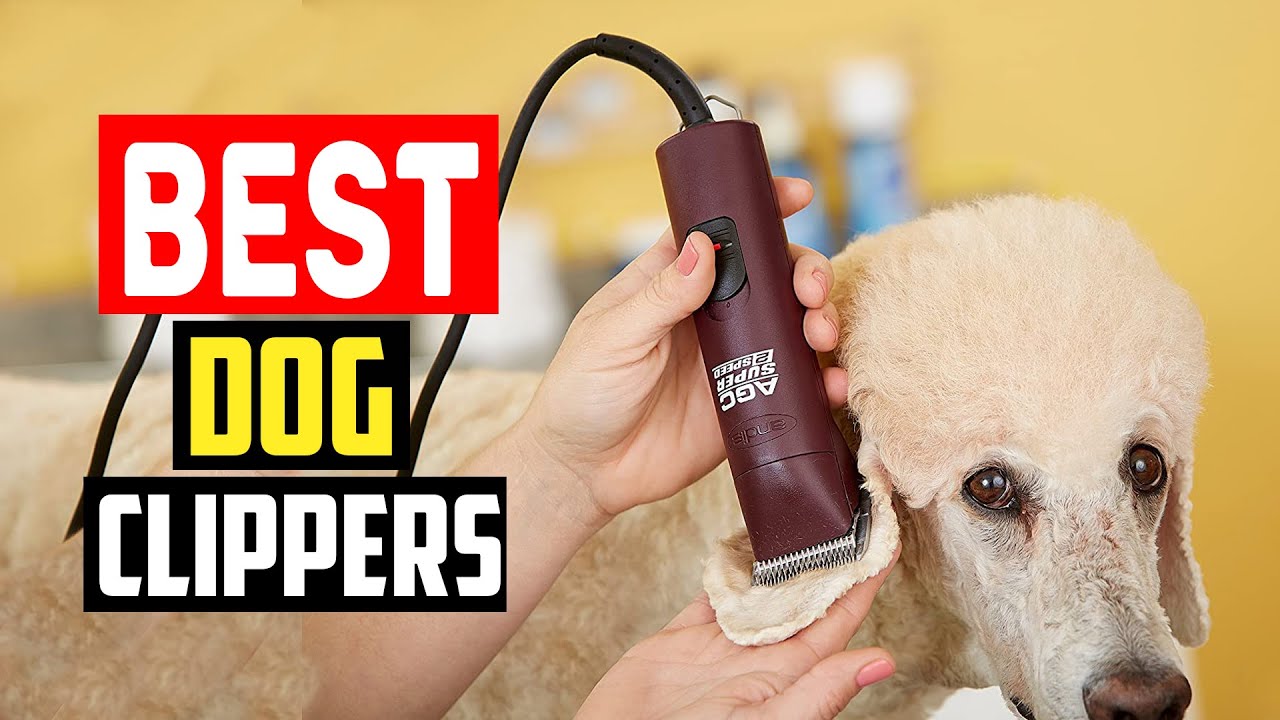
Trimming thick dog coats needs powerful and reliable tools. These trimmers cut through dense fur without pulling or hurting your pet. The right clipper makes grooming faster and smoother. It keeps your dog comfortable and looking great. Here are top trimmers that work best for thick coats.
Heavy-duty Corded Models
These trimmers offer steady power for thick hair. They plug into the wall, so no battery worries. Strong motors handle dense fur easily. They stay cool during long grooming sessions. Perfect for dogs with very thick coats. Many come with sharp, durable blades. These models give consistent performance without slowing down.
Versatile Cordless Options
Cordless trimmers give freedom to move around. No cords to get tangled or limit your reach. Good battery life lets you groom multiple dogs on one charge. They work well on thick hair with strong motors. Easy to handle and lightweight for better control. Ideal for quick touch-ups and grooming anywhere. Some come with adjustable speeds and blade sizes.
Quiet And Low-vibration Choices
These trimmers keep noise and vibration low. They help reduce your dog’s fear and stress. Soft motors run quietly but still cut thick fur well. Low vibration means less discomfort for sensitive dogs. Great for pets that get anxious during grooming. Some models include noise-dampening technology and ergonomic designs. They make grooming a calm experience for both of you.
Maintenance Tips For Longevity
Proper maintenance keeps your dog trimmer working well for a long time. Thick hair can make blades dull faster. Regular care helps the trimmer cut smoothly and last longer.
Simple steps like cleaning, lubricating, and storing the trimmer right make a big difference. You avoid problems like rust or motor damage. Follow these tips to keep your trimmer ready for every grooming session.
Cleaning And Lubrication
After every use, remove hair and dirt from the blades. Use a small brush to clean tight spaces. Wipe the blades with a soft cloth to remove oil and debris.
Apply a few drops of clipper oil to the blades before and after each use. This reduces friction and prevents overheating. Lubrication keeps blades sharp and protects the motor.
Blade Sharpening And Replacement
Dull blades pull hair and cause discomfort. Sharpen blades regularly to maintain a clean cut. Use a blade sharpener or take blades to a professional.
If blades are damaged or worn out, replace them. Using new blades improves performance and protects your dog’s skin. Keep spare blades handy for quick changes.
Storage Best Practices
Store your dog trimmer in a dry, cool place. Avoid leaving it in humid areas to prevent rust. Use a protective case or pouch to keep it safe from dust and damage.
Make sure the trimmer is unplugged and clean before storage. Proper storage extends the life of your trimmer and keeps it ready to use.

Credit: www.amazon.com
Grooming Techniques For Thick Hair
Grooming thick hair requires patience and the right techniques. Thick coats can tangle and mat easily. Proper care keeps your dog comfortable and looking great. Understanding how to prepare and trim thick hair helps avoid stress and skin problems.
Preparing Your Dog
Start by brushing your dog’s coat thoroughly. Use a wide-tooth comb to remove knots. Bathing your dog before trimming softens the hair. Dry the coat completely to prevent clumping. Calm your dog with gentle petting before grooming. Prepare all your tools for easy access.
Trimming Tips For Different Coat Types
Curly coats need scissors to avoid cutting too short. Straight thick hair trims best with sharp clippers. Use slow, steady strokes to prevent pulling. Trim in the direction of hair growth for smooth results. Regularly check the blade temperature to avoid burns. For double coats, trim only the top layer carefully.
Avoiding Common Grooming Mistakes
Don’t trim tangled hair without brushing first. Avoid cutting too close to the skin. Skip rushing; slow grooming prevents accidents. Clean your trimmer blades often during use. Avoid trimming wet hair to stop uneven cuts. Watch your dog’s behavior to prevent stress.
Safety And Comfort Considerations
Choosing the right dog trimmer is important for your pet’s safety and comfort. Thick hair needs special care during trimming. Sharp blades and high power can hurt your dog if you are not careful. Comfort helps your dog stay calm and relaxed. This section covers key points to keep your dog safe and comfortable.
Protecting Sensitive Skin
Dogs with thick hair often have sensitive skin underneath. Use trimmers with rounded blade edges. This design reduces the chance of cuts or scratches. Keep the blades clean and sharp to avoid pulling hair. Pulling hurts your dog and makes trimming difficult. Always check the skin for irritation before and after trimming.
Using Guards And Attachments
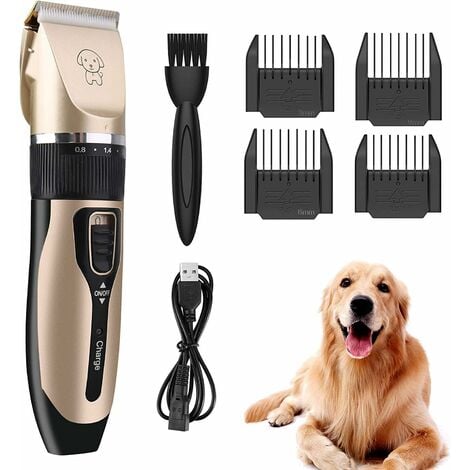
Guards help control the length of the hair cut. They stop the blades from getting too close to the skin. Using the right guard prevents accidental cuts. Choose guards made from safe, durable materials. Attachments also help trim hard-to-reach areas. Change guards often to keep the trim even and safe.
Handling Anxious Pets
Many dogs feel nervous during grooming. Speak softly and use calm movements. Take breaks if your dog seems stressed. Give treats to encourage good behavior. Start trimming in small sessions to build trust. Using quieter trimmers can reduce noise anxiety. Patience is key to a safe and calm grooming experience.
Frequently Asked Questions
What Features Make Dog Trimmers Ideal For Thick Hair?
Dog trimmers for thick hair have powerful motors and sharp, durable blades. These features ensure smooth, efficient cutting without pulling or snagging. Adjustable blade lengths and ergonomic designs add comfort and precision during grooming sessions, making them perfect for dense, coarse dog coats.
How Often Should I Trim My Dog’s Thick Hair?
Trimming frequency depends on the breed and coat type. Generally, dogs with thick hair need grooming every 4 to 8 weeks. Regular trims help prevent matting, reduce shedding, and keep your pet comfortable and clean.
Can I Use Regular Trimmers On Thick Dog Hair?
Regular trimmers may struggle with thick hair, causing pulling or uneven cuts. It’s best to use trimmers designed for dense coats. These have stronger motors and sharper blades to handle thick fur safely and effectively.
Are Cordless Dog Trimmers Good For Thick Hair?
Yes, cordless dog trimmers offer flexibility and ease of use. Ensure the model has sufficient battery life and power to cut thick hair smoothly. Cordless options also improve maneuverability during grooming.
Conclusion
Choosing the right dog trimmer makes grooming easier and faster. Thick hair needs strong blades that cut smoothly. A good trimmer keeps your dog comfortable and neat. Regular trimming helps avoid mats and tangles. Remember to pick a trimmer that fits your budget and needs.
Taking care of your dog’s coat shows love and care. Happy grooming!


