Has your dog just had an unexpected encounter with a skunk? You know that awful smell won’t go away on its own—and it can be tough to handle.
Finding the best skunk removal for dogs is crucial to get your furry friend back to their happy, fresh self quickly. You’ll discover simple, effective methods that work fast and protect your dog’s skin. Keep reading, because the right solution is closer than you think, and your dog deserves to feel comfortable again.

Credit: www.petscare.com
Why Skunk Odor Affects Dogs
Skunk odor is one of the most unpleasant smells for dogs and their owners. Dogs often get sprayed because they are curious or try to chase skunks. The strong smell sticks to their fur and skin, causing discomfort and stress. Understanding why skunk odor affects dogs helps pet owners handle the situation better and protect their pets.
Chemical Makeup Of Skunk Spray
Skunk spray contains chemicals called thiols. These sulfur-based compounds create the strong, bad smell. Thiols are oily and sticky, so they cling to fur and skin easily. The scent can last for days without proper cleaning. This chemical makeup makes the odor hard to remove from dogs.
How Dogs React To Skunk Spray
Dogs often shake their heads and scratch after being sprayed. They feel irritated and uncomfortable. Some dogs may hide or act scared. The strong smell can bother their nose and eyes. Dogs may also try to lick the smell off, which can spread the odor or cause irritation in their mouths.
Health Risks From Skunk Exposure
Skunk spray can cause eye irritation and redness. Dogs might have watery eyes or swollen eyelids. In some cases, it causes vomiting or drooling. The chemicals can irritate the skin and cause rashes. Serious problems are rare but possible. Immediate cleaning helps reduce these risks.
Credit: www.clrm.ca
Immediate Steps After Skunk Contact
Dealing with a skunk encounter can be stressful for both dogs and owners. Acting fast helps reduce the odor and calm your pet. The right steps protect your dog and your home from the smell. Follow these clear actions right after your dog meets a skunk.
Keeping Your Dog Calm
Dogs often panic after a skunk spray. Keep your dog still and quiet. Speak softly to soothe them. Avoid letting your dog run around. Movement can spread the smell even more. Use a leash to control your dog’s actions gently.
Preventing Spread Of Odor
Skunk oil sticks to fur and surfaces. Stop your dog from rubbing on furniture or carpets. Cover your dog with a towel or cloth. This limits the smell from spreading. Prepare a cleaning solution to wash your dog soon. Avoid water alone; it doesn’t remove the smell well.
Safety Precautions For Owners
Skunk spray can irritate eyes and skin. Wear gloves before touching your dog. Keep your face away from your dog’s head. Wash your hands and clothes after handling your dog. Open windows or go outside to air out the room. Protect yourself while helping your pet.
Top Home Remedies For Skunk Smell
Skunk smell on dogs is tough to remove. It sticks to fur and skin quickly. Many home remedies work well to reduce the odor. These remedies use simple ingredients found at home. They are safe for dogs and easy to apply. Here are some top home remedies to fight skunk smell.
Baking Soda And Hydrogen Peroxide Mix
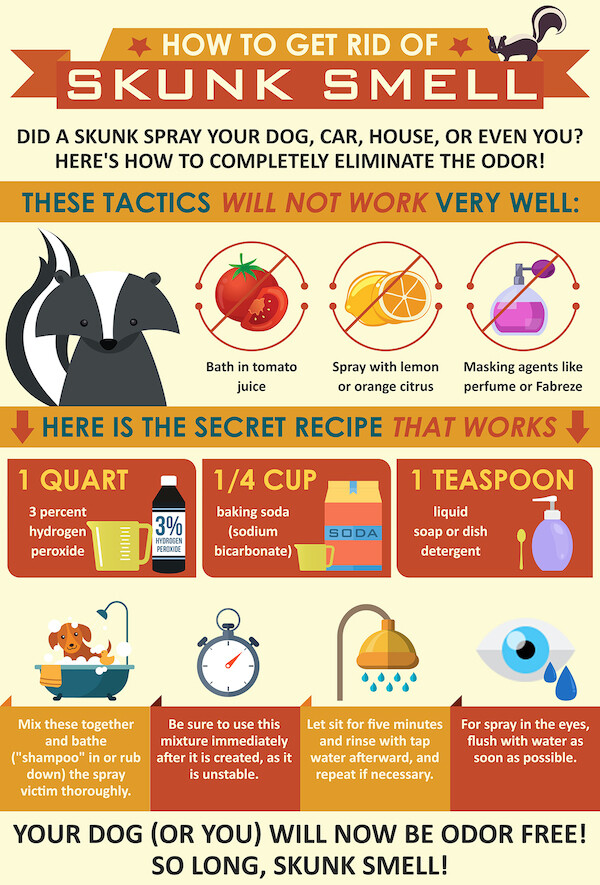
This mix is a popular choice to neutralize skunk odor. Combine 1 quart of hydrogen peroxide, 1/4 cup of baking soda, and 1 teaspoon of liquid soap. Apply the solution to your dog’s fur carefully. Avoid your dog’s eyes and mouth. Let it sit for five minutes. Rinse thoroughly with water. This mix breaks down the skunk oils effectively.
Vinegar And Dish Soap Solution
Use vinegar and dish soap to cut through the skunk smell. Mix 1 part white vinegar with 4 parts water. Add a few drops of dish soap. Wash your dog’s fur with this solution. It helps to lift the odor from the fur. Rinse well to remove the smell and solution. Vinegar also acts as a mild disinfectant.
Commercial Deodorizing Products
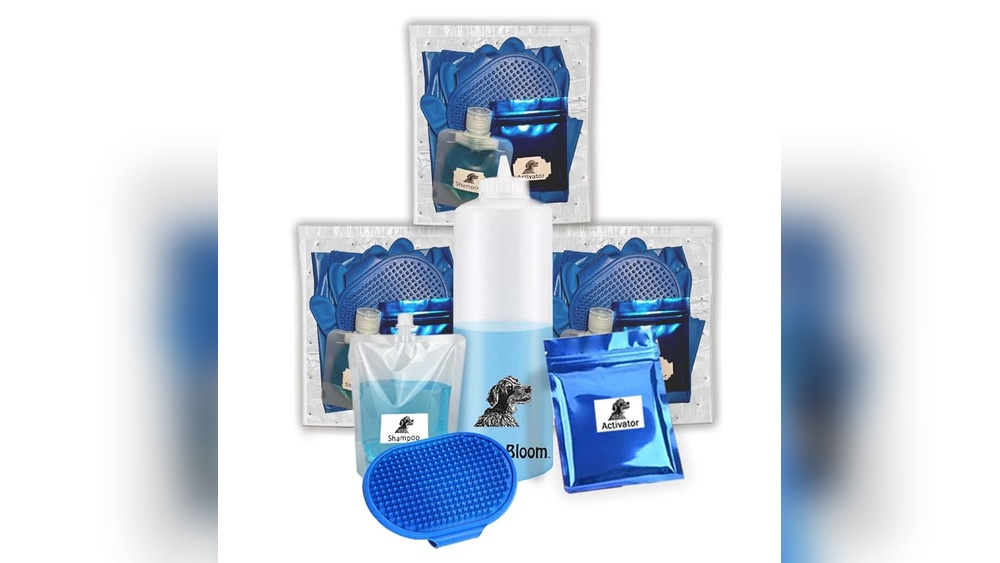
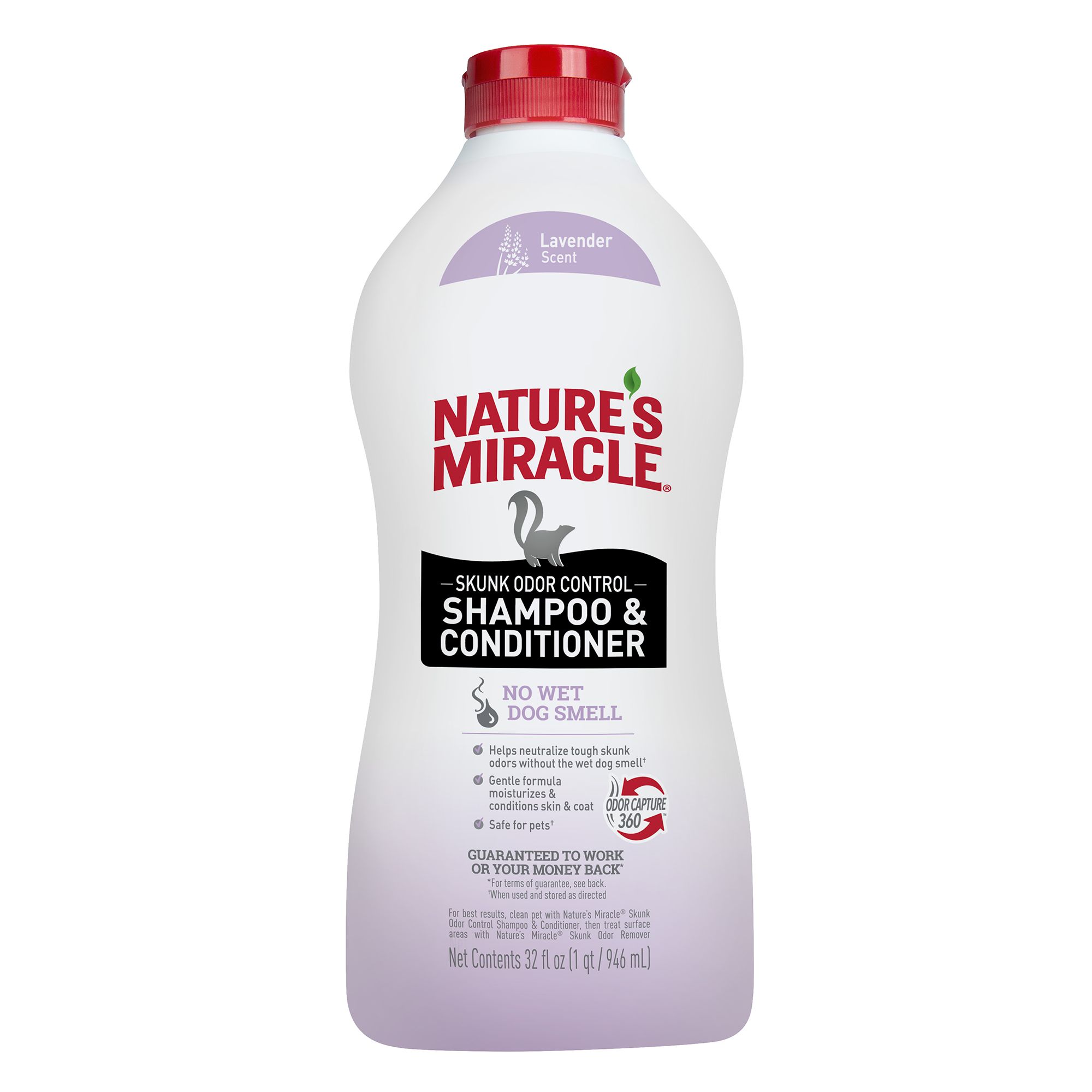
Several commercial products target skunk odor on dogs. These shampoos and sprays are made to remove tough smells. Choose products labeled safe for pets. Follow the instructions carefully. These products can be more convenient and faster. They often contain ingredients that neutralize the smell without harsh chemicals.
Effective Washing Techniques
Removing skunk smell from your dog needs careful washing. Using the right techniques helps clean your dog without causing harm. Effective washing stops the odor and keeps your dog safe and comfortable.
Proper Bathing Steps
Start by wearing gloves to protect your hands. Mix a cleaning solution with baking soda, hydrogen peroxide, and dish soap. Wet your dog’s fur with warm water before applying the mixture. Rub the solution gently into the fur, avoiding the eyes and mouth. Let it sit for five minutes to break down the smell. Rinse your dog well with warm water. Repeat if the smell remains strong.
Avoiding Eye And Skin Irritation
Keep the cleaning solution away from your dog’s eyes and nose. Use a damp cloth to clean the face instead of pouring water. If your dog has sensitive skin, rinse quickly and avoid harsh scrubbing. Use pet-safe shampoos after the skunk wash to soothe the skin. Watch for redness or itching after the bath. Contact a vet if irritation continues.
When To Repeat The Treatment
Strong skunk spray may need more than one wash. Wait at least 30 minutes before repeating the treatment. Reapply the cleaning solution only if the smell is still strong. Avoid washing too often to prevent dry skin. Keep your dog in a well-ventilated area to help remove odor faster.
Professional Skunk Removal Services
Professional skunk removal services offer safe and effective solutions for dogs sprayed by skunks. These experts handle the problem quickly, reducing stress for both pets and owners. They use special techniques to remove odors and prevent future encounters.
Choosing a professional ensures your dog gets the right care. It also protects your home and yard from skunk visits. Understanding when and how to use these services helps keep your dog safe and odor-free.
When To Seek Expert Help
Call professionals if your dog smells strongly of skunk. If home remedies fail to remove the odor, it’s time to act. Seek help immediately if your dog shows signs of eye irritation or breathing problems. Experts can also help if skunks are frequent in your area.
What To Expect From Professionals
Professionals inspect your dog and the area for skunk presence. They use safe cleaning products that neutralize the odor quickly. Many offer follow-up treatments to ensure the smell is gone. They also provide advice to avoid future skunk encounters. The process is fast and causes minimal stress to your dog.
Cost And Availability
Service costs vary based on location and severity of the problem. Many companies offer affordable packages for skunk odor removal. Some provide emergency services, especially during skunk season. Check local providers for availability and pricing. Investing in professionals saves time and effort in the long run.
Preventing Future Skunk Encounters
Skunk encounters can be unpleasant and stressful for dogs and their owners. Preventing these encounters helps keep your dog safe and your home smelling fresh. Taking proactive steps reduces the chances of your dog running into skunks in your yard or neighborhood.
Simple changes in your yard and daily habits can make a big difference. Teaching your dog to avoid skunks and checking them regularly also helps. These measures protect your pet and give you peace of mind.
Skunk Deterrents For Your Yard
Keep your yard clean by removing food scraps and trash. Skunks are attracted to easy food sources. Use motion-activated lights or sprinklers to scare skunks away. Planting strong-smelling plants like lavender or garlic can deter them. Block off holes or spaces under decks where skunks might hide. These steps make your yard less inviting to skunks.
Training Tips To Avoid Skunks
Teach your dog the “leave it” command to avoid skunks. Practice this command regularly in different places. Use treats to reward your dog for ignoring skunks or other wildlife. Keep your dog on a leash during walks in areas where skunks live. Early training helps your dog understand what to avoid. This reduces the risk of a skunk encounter.
Regular Grooming And Checks
Check your dog’s fur and paws after outdoor play. Look for dirt, grass, or signs of skunk spray. Regular grooming helps spot problems early. Bath your dog often to remove any dirt or smells. Use pet-safe shampoos designed for odor removal. Staying clean reduces the chance of spreading skunk smell inside your home.
Credit: www.petsmart.com
Frequently Asked Questions
How To Safely Remove Skunk Smell From Dogs?
Use a mixture of hydrogen peroxide, baking soda, and dish soap. Apply carefully, avoiding eyes and mouth. Rinse thoroughly. This neutralizes the odor effectively without harming your dog’s skin.
When Should I Call A Professional For Skunk Removal?
Call a professional if the smell persists after home treatments. Also, seek help if your dog shows irritation, swelling, or eye problems. Professionals have specialized products to handle severe skunk odor safely.
Can Skunk Spray Harm My Dog’s Health?
Skunk spray can cause eye irritation, swelling, and nausea. Most dogs recover quickly with proper care. However, severe reactions require veterinary attention to prevent infections or lasting damage.
How To Prevent Dogs From Getting Sprayed By Skunks?
Keep dogs on a leash during walks, especially at night. Remove attractants like food and trash from your yard. Secure your property to reduce skunk encounters and protect your dog from sprays.
Conclusion
Dealing with skunk spray on dogs can be tough. Quick action helps reduce the smell fast. Using safe removal methods protects your dog’s skin and fur. Keep calm and follow simple cleaning steps. Regular care prevents future skunk encounters. Protect your pet with easy, effective tips.
Clean dogs are happy dogs. Stay prepared and keep your furry friend fresh.