Choosing the best dog food for your German Shepherd puppy is one of the most important decisions you’ll make as a pet owner. You want to give your puppy the right nutrients to help them grow strong, stay healthy, and have plenty of energy for all those playful moments.
But with so many options out there, it can feel overwhelming. Don’t worry—this guide will help you understand exactly what your German Shepherd puppy needs and how to pick the perfect food. Keep reading, and you’ll discover how to give your puppy the best start in life.
Nutritional Needs Of German Shepherd Puppies
German Shepherd puppies need special nutrition to grow healthy and strong. Their food must support their fast growth and energy levels. Proper nutrition helps build strong bones, muscles, and a good immune system. Feeding the right nutrients is key to their development.
Choosing food with balanced nutrients ensures the puppy stays active and happy. Each nutrient plays a unique role in supporting growth and health. Understanding these needs helps select the best food for your puppy.
Essential Nutrients For Growth
German Shepherd puppies need a balance of proteins, fats, vitamins, and minerals. These nutrients help build muscles and bones. They also support brain development and energy. Without the right nutrients, puppies may grow slowly or get sick.
Protein Requirements
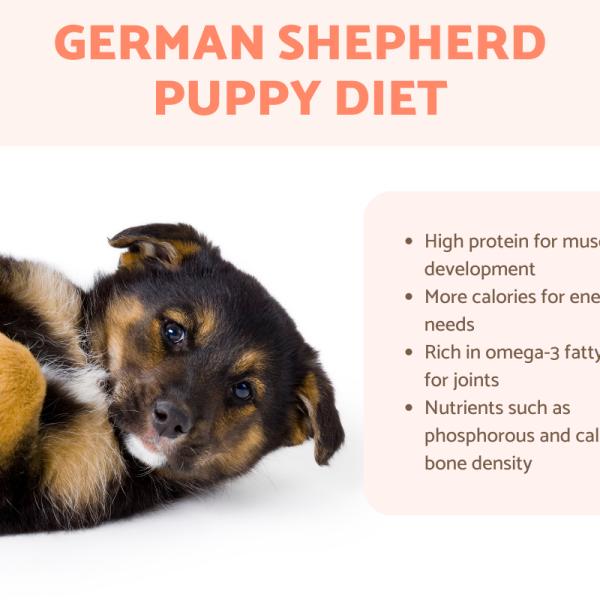
Protein is vital for muscle growth and repair. Puppies need more protein than adult dogs. High-quality protein sources include chicken, beef, and fish. Protein helps build strong muscles and supports healthy organs. Aim for food with at least 22% protein for puppies.
Fats And Fatty Acids
Fats provide energy and help absorb vitamins. Healthy fats keep the skin and coat shiny. Omega-3 and Omega-6 fatty acids support brain and eye development. Look for foods containing fish oil or flaxseed. Fat should make up about 8-12% of the diet.
Vitamins And Minerals
Vitamins and minerals are important for bone growth and immunity. Calcium and phosphorus help build strong teeth and bones. Vitamins A, D, and E protect cells and support health. A balanced mix of these nutrients keeps puppies healthy. Avoid foods with too much or too little of these minerals.

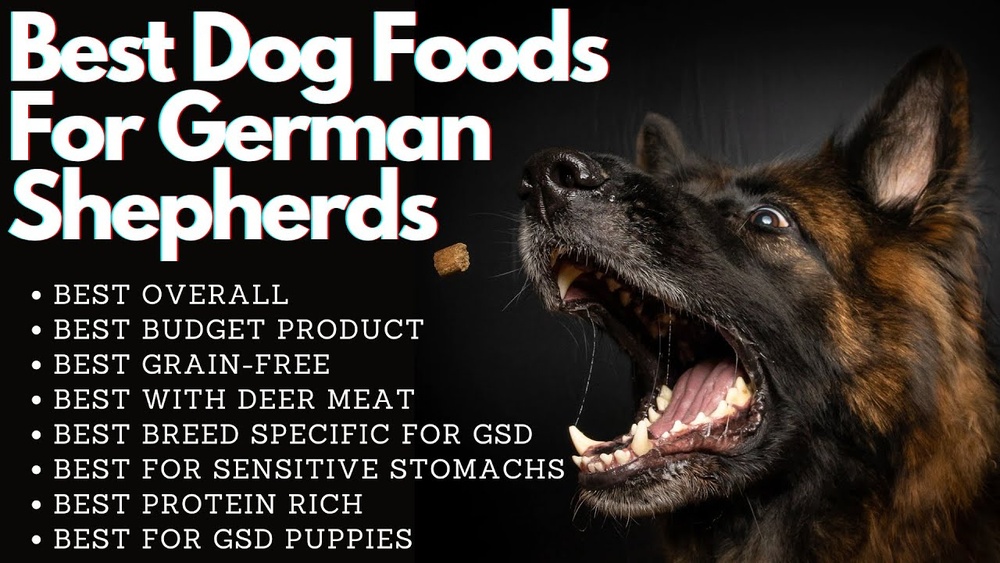
Credit: www.youtube.com
Key Ingredients To Look For
Choosing the best dog food for a German Shepherd puppy means checking the ingredients closely. The right ingredients help your puppy grow strong and healthy. Not all dog foods are the same. Some have better nutrition than others. Knowing what to look for makes a big difference.
High-quality Protein Sources
Protein builds muscles and supports growth. Look for real meat like chicken, beef, or fish as the first ingredient. Meat meal or named meat meals are good too. Avoid foods with vague protein sources like “meat by-products.” High-quality proteins provide essential amino acids your puppy needs.
Whole Grains Vs. Grain-free
Whole grains like brown rice and oats provide energy and fiber. Fiber helps digestion and keeps your puppy’s stomach healthy. Grain-free foods often use potatoes or peas as carb sources. Both whole grains and grain-free options work well, but check for balanced nutrition. Avoid too many fillers like corn or wheat.
Fruits And Vegetables Benefits
Fruits and vegetables offer vitamins, minerals, and antioxidants. Ingredients such as carrots, sweet potatoes, blueberries, and spinach support the immune system. They also help with digestion and overall health. Natural sources of nutrients are better than artificial supplements.
Avoiding Harmful Additives
Some dog foods contain artificial colors, flavors, and preservatives. These can harm your puppy’s health over time. Avoid foods with BHA, BHT, or ethoxyquin. Choose products with natural preservatives like vitamin E or rosemary extract. Clean, simple ingredients protect your puppy’s well-being.
Top Dog Food Brands For German Shepherd Puppies
Choosing the right food for a German Shepherd puppy is important. Their growth and health depend on good nutrition. Many dog food brands offer special formulas for large breed puppies like German Shepherds. These brands focus on balanced ingredients to support strong bones and muscles. Here are some top dog food options to consider.
Premium Dry Kibble Options
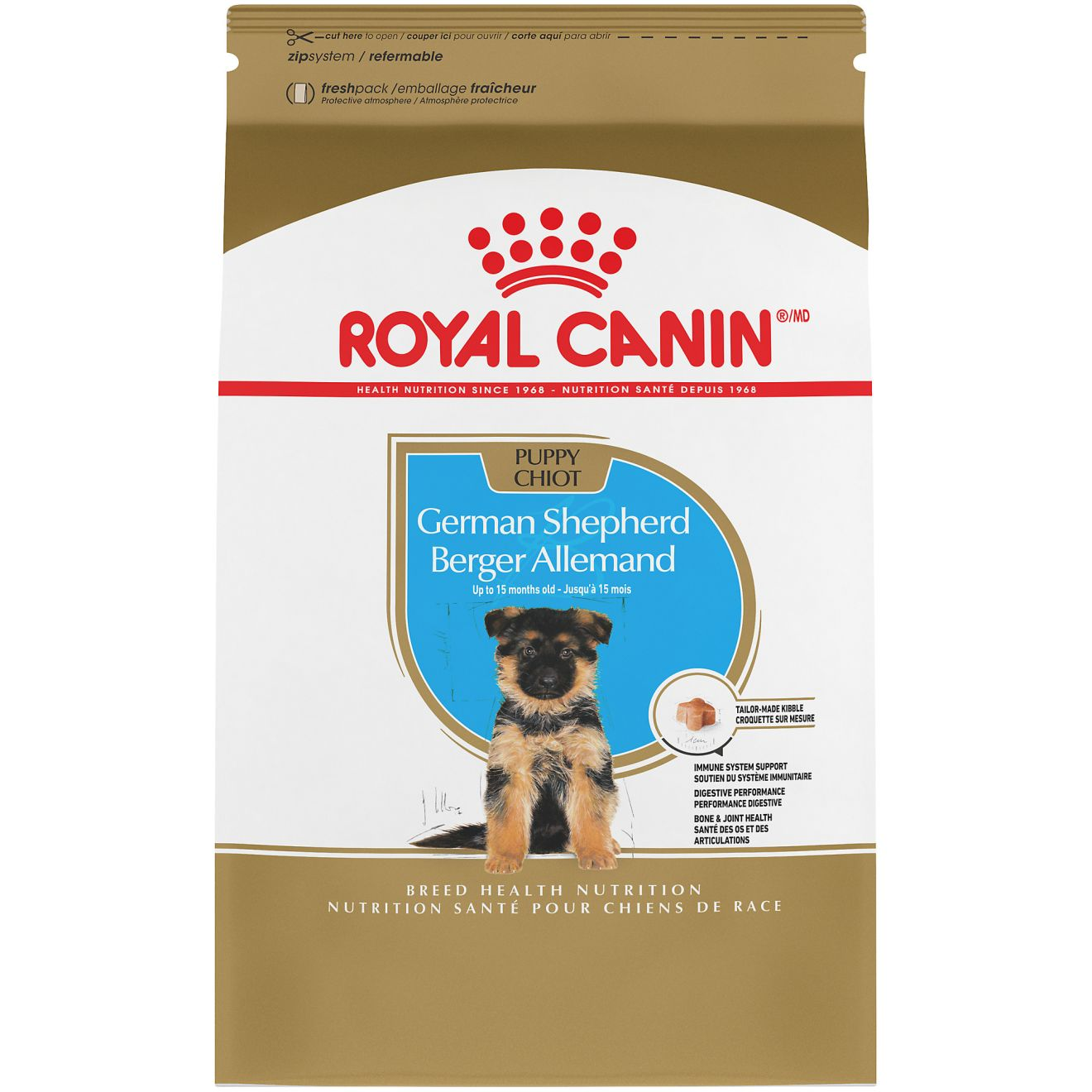
Dry kibble is easy to store and serve. Quality brands use high protein from real meat. They add vitamins and minerals for healthy growth. Look for kibble with glucosamine and chondroitin to support joints. Some well-known brands focus on large breed puppies. These help maintain healthy weight and strong bones. Dry food also helps keep teeth clean.
Wet Food Choices
Wet food has more moisture, which helps keep puppies hydrated. It is soft and easy to chew for young puppies. Good wet food brands use real meat and vegetables. They avoid fillers like corn or soy. Wet food can be mixed with dry kibble. This mix adds taste and texture to meals. Many wet foods include essential nutrients for German Shepherd puppies.
Raw And Homemade Diets
Raw and homemade diets offer fresh, natural ingredients. They include raw meat, bones, and vegetables. Some owners prefer this to control exactly what their puppy eats. Raw diets can support strong muscles and healthy skin. Homemade meals allow using fresh ingredients every day. Consult a vet before starting these diets. They need to be balanced for puppy growth and health.
Special Diets And Considerations
Caring for a German Shepherd puppy means more than just feeding regular dog food. Special diets and health needs matter a lot. These puppies grow fast and need the right nutrients to stay strong and healthy. Some have allergies or need help managing weight. Others need food that supports their joints. Choosing the right diet helps your puppy grow into a healthy adult dog.
Allergies And Sensitivities
Some German Shepherd puppies have allergies or food sensitivities. Common signs include itching, redness, or stomach upset. Grain-free or limited ingredient dog foods can help reduce allergic reactions. Look for foods with novel proteins like duck or salmon. Avoid common allergens like wheat, soy, or corn. Always watch your puppy’s reaction to new food and talk to your vet for advice.
Weight Management
Maintaining a healthy weight is important for German Shepherd puppies. Overweight pups can face health problems like joint pain. Choose foods with balanced calories and nutrients. Puppy formulas designed for growth control can help. Measure your puppy’s food portions and avoid too many treats. Regular exercise also supports proper weight and overall health.
Joint Health Support
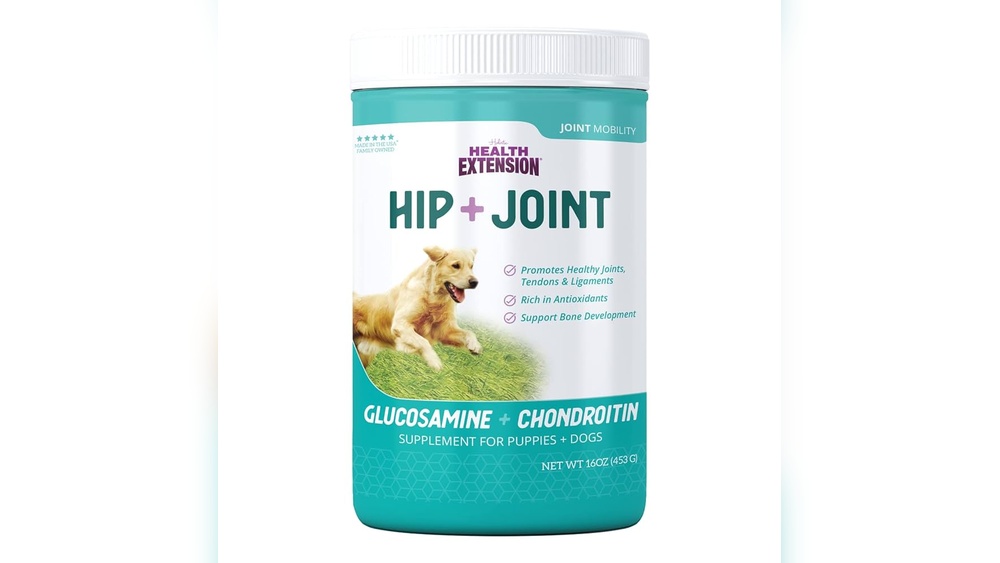
German Shepherds are prone to joint issues like hip dysplasia. Feeding food rich in glucosamine and chondroitin helps support joint health. Omega-3 fatty acids also reduce inflammation and improve mobility. Look for puppy foods with added supplements for bones and joints. Proper nutrition helps your puppy stay active and comfortable as it grows.
Feeding Tips For German Shepherd Puppies
Feeding a German Shepherd puppy properly supports healthy growth and strong bones. Puppies need specific nutrients to develop muscles and a strong immune system. Feeding tips help ensure your puppy gets the right food in the right amount at the right time.
Portion Sizes And Frequency
German Shepherd puppies require several small meals each day. Start with three to four meals daily. Divide the daily food portion evenly. Adjust portions as your puppy grows. Avoid overfeeding to prevent obesity. Follow the puppy food package recommendations. Watch your puppy’s weight and energy levels closely.
Transitioning Between Foods
Change your puppy’s food slowly over 7-10 days. Mix new food with the old food. Increase the new food amount daily. This helps avoid stomach upset and diarrhea. Sudden changes can cause digestive problems. Choose high-quality puppy food made for large breeds. Monitor your puppy during the transition for any issues.
Monitoring Growth And Health
Track your puppy’s weight weekly. Healthy puppies grow steadily but not too fast. Check for shiny coat and clear eyes. Monitor energy and playfulness. Visit the vet regularly for growth checks. Discuss diet and any concerns with your vet. Early detection of problems helps keep your puppy healthy.
Credit: www.visco-foam.com
Credit: www.royalcanin.com
Frequently Asked Questions
What Is The Best Dog Food For German Shepherd Puppies?
The best dog food for German Shepherd puppies is high in protein and fat. It should contain quality animal ingredients, DHA for brain development, and essential vitamins. Avoid fillers and artificial additives to support healthy growth and strong immunity.
How Often Should I Feed My German Shepherd Puppy?
Feed your German Shepherd puppy three to four times daily. Regular meals help maintain energy and proper digestion. Adjust portions based on age, weight, and activity level to ensure steady growth and avoid overeating or nutritional deficiencies.
Can German Shepherd Puppies Eat Grain-free Dog Food?
Yes, German Shepherd puppies can eat grain-free dog food if they have allergies or sensitivities. Grain-free diets focus on protein and vegetables instead of grains. Consult your vet before switching to ensure balanced nutrition and avoid potential health risks.
When Should I Switch My German Shepherd Puppy To Adult Food?
Switch your German Shepherd puppy to adult food around 12 to 18 months. This timeline supports their slowed growth rate. Gradually transition over 7-10 days to prevent digestive upset and provide nutrients suitable for adult dogs’ maintenance needs.
Conclusion
Choosing the right food helps your German Shepherd puppy grow strong. Healthy meals support their energy and overall well-being. Always check ingredients for quality protein and nutrients. Feeding your puppy well leads to a happy, active dog. Remember, good nutrition builds a solid foundation for life.
Keep your puppy’s diet balanced and fresh every day. This care shows love and keeps them healthy. Simple steps make a big difference in your puppy’s life.