Are you tired of your dog’s smelly farts filling up your home? You’re not alone.
Many dog owners struggle with this embarrassing and uncomfortable problem. The good news is, the right dog food can make a huge difference. You’ll discover the best dog food options that help reduce those unpleasant odors. Imagine enjoying time with your furry friend without worrying about the smell.
Keep reading, because your dog’s comfort—and your nose—deserve it.
Causes Of Smelly Dog Farts
Smelly dog farts can be unpleasant for pet owners. Understanding the causes helps manage and reduce the odor. Several factors affect the smell of your dog’s gas. These include diet, allergies, and gut health. Knowing these can improve your dog’s comfort and your home’s air quality.
Diet And Digestion
What your dog eats affects the smell of their farts. Poor-quality food often contains fillers and hard-to-digest ingredients. These can ferment in the gut, causing bad odors. Sudden changes in diet can also upset digestion. A balanced diet with high-quality protein and fiber supports better digestion and less smelly gas.
Food Allergies And Sensitivities
Some dogs have allergies or sensitivities to certain foods. Common allergens include beef, dairy, and wheat. These can cause inflammation and poor digestion. This results in foul-smelling gas. Identifying and avoiding trigger foods can reduce the problem. An elimination diet helps find the culprit ingredients.
Gut Health Imbalances
The balance of bacteria in your dog’s gut affects gas odor. Harmful bacteria produce more smelly gases than good bacteria. Factors like stress, illness, or antibiotics can disrupt this balance. Probiotics and prebiotics support healthy gut flora. A healthy gut means less smelly and fewer farts overall.
Ingredients To Avoid
Choosing the right dog food helps reduce smelly farts. Some ingredients cause gas and stomach problems. Avoiding these can keep your dog’s digestion calm and healthy. Below are key ingredients to watch out for.
Low-quality Fillers
Fillers add bulk but offer little nutrition. Examples are corn, wheat, and soy. These fillers can cause gas and bloating. They also slow digestion and upset the stomach. Choose foods with real meat and few fillers.
Artificial Additives
Artificial colors, flavors, and preservatives can irritate your dog’s gut. These additives may increase gas and discomfort. Natural ingredients support better digestion. Avoid foods with long lists of chemical additives.
Excessive Grains
Too many grains like rice and barley can cause gas. Dogs digest grains slowly, leading to fermentation in the gut. This produces smelly gas and bloating. Foods with moderate or low grain content are better.
Key Ingredients For Reducing Odor
Bad dog farts come from what they eat and how they digest it. Certain ingredients help lower this odor. Choosing the right dog food with these key ingredients can make a big difference. These ingredients work inside your dog’s body to reduce smelly gas.
High-quality Proteins
Proteins are important for your dog’s health. High-quality proteins break down easier in the stomach. This means less gas and less bad smell. Foods with real meat, fish, or eggs are good choices. Avoid protein sources that are hard to digest, like fillers or by-products.
Probiotics And Prebiotics
Probiotics are good bacteria that help digestion. They keep your dog’s gut healthy and balanced. Prebiotics feed these good bacteria. Together, they reduce gas and odor by improving digestion. Look for dog foods that list probiotics and prebiotics in their ingredients.
Digestive Enzymes
Digestive enzymes help break down food faster. They reduce the chance of food sitting in the gut and causing gas. Enzymes like amylase, protease, and lipase help digest starch, protein, and fat. Dog food with added enzymes supports smoother digestion and less smelly farts.

Credit: www.poochandmutt.co.uk
Top Dog Food Brands For Odor Control
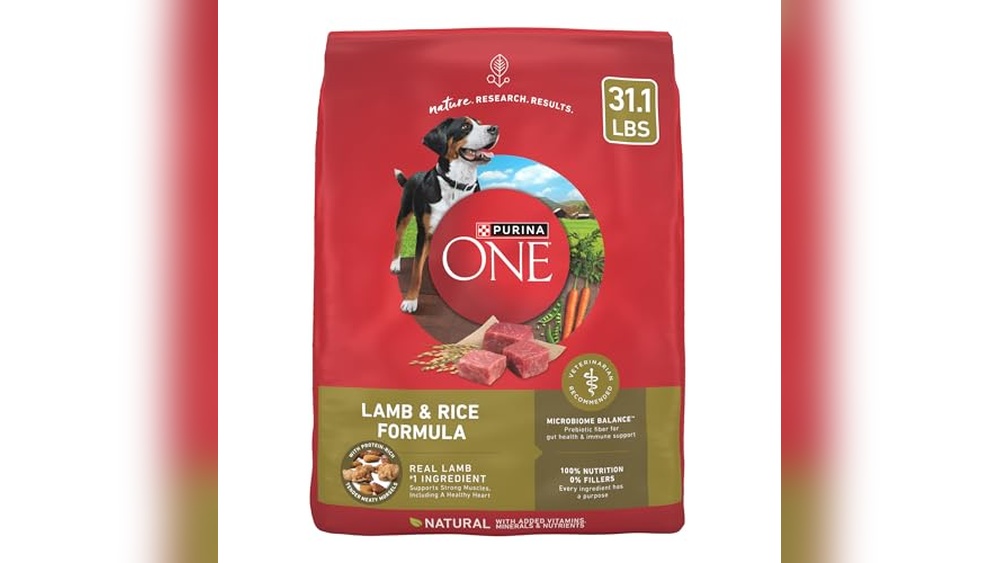
Choosing the right dog food helps reduce smelly farts. Some brands focus on odor control by using special ingredients. These brands can improve your dog’s digestion and make their gas less smelly. Here are top dog food brands that support odor control with various options.
Grain-free Options
Grain-free dog foods remove common grains like wheat and corn. These grains can cause gas in some dogs. Brands with grain-free recipes use alternative carbs like sweet potatoes or peas. These ingredients are easier to digest and cause less gas. Many dogs with sensitive stomachs do well on grain-free diets.
Limited Ingredient Diets
Limited ingredient diets use fewer ingredients to reduce allergies and gas. Fewer ingredients mean less chance of digestive upset. These diets often contain one protein and one carb source. Brands offering limited ingredient dog food help identify foods that cause gas. This approach supports better digestion and less smelly farts.
Prescription Diets
Prescription diets are designed for dogs with special health needs. Vets recommend these diets for dogs with severe digestive problems. They contain carefully balanced nutrients to improve gut health. Prescription dog foods often reduce gas and odor significantly. Always consult a vet before starting a prescription diet.
Homemade Dog Food And Treats
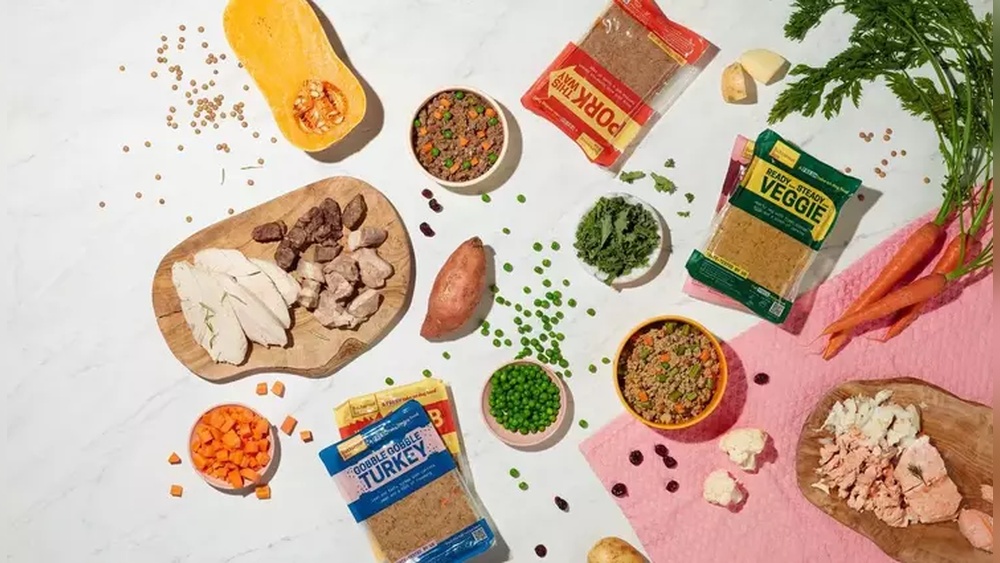
Making homemade dog food and treats helps control what your dog eats. You can choose fresh, healthy ingredients that are easy to digest. This can reduce smelly farts and improve your dog’s overall health.
Homemade meals let you avoid fillers and artificial additives. You know exactly what goes into your dog’s bowl. Treats made at home can also be gentler on your dog’s stomach.
Recipes To Reduce Gas
Boil lean chicken with pumpkin and rice. Pumpkin is high in fiber and helps digestion. Rice is gentle and less likely to cause gas. You can also mix cooked sweet potatoes with plain yogurt. Yogurt adds good bacteria to the gut. Try small portions first to see how your dog reacts.
Safe Ingredients To Use
Choose lean meats like chicken or turkey. Use vegetables such as carrots, green beans, and pumpkin. Avoid onions, garlic, and beans, as they cause gas. Plain yogurt and cooked eggs are good protein sources. Always cook ingredients well to help digestion and kill bacteria.
Tips For Balanced Nutrition
Include protein, vegetables, and a small amount of carbs. Add a vitamin supplement designed for dogs. Avoid too much fat or sugar in treats. Watch your dog’s weight and energy level. Consult your vet to ensure your homemade food is balanced and safe.
Feeding Tips To Minimize Smelly Farts
Feeding your dog the right way can reduce smelly farts. Small changes in how you feed your dog help improve digestion. Better digestion means less gas and odor. Focus on portion size, timing, and eating speed to keep your dog comfortable.
Portion Control
Give your dog the correct amount of food. Too much food can cause gas and stomach upset. Follow the feeding guide on the dog food package. Adjust portions based on your dog’s size and activity level. Smaller, balanced meals help reduce smelly farts.
Feeding Schedule
Feed your dog at the same times each day. Regular feeding times help the digestive system work well. Avoid letting your dog eat large meals late at night. Split the daily food into two or three smaller meals. This keeps digestion smooth and reduces gas buildup.
Slow Feeding Techniques
Dogs that eat too fast swallow air, causing gas. Use slow feeder bowls or puzzle feeders. These tools make your dog eat slower and chew more. Chewing breaks down food better for easier digestion. Slow feeding cuts down on smelly farts and improves gut health.
When To See A Vet
Smelly farts in dogs can be normal sometimes. But strong, frequent gas might mean a health problem. Knowing when to see a vet helps keep your dog healthy. Watch your dog closely. Notice any changes in behavior or digestion. These signs can tell you when to get help from a professional.
Signs Of Digestive Disorders
Look for vomiting or diarrhea. Your dog might lose appetite or act tired. Belly pain or bloating can also show trouble. If your dog shows these signs, visit a vet soon. Digestive disorders can cause bad gas and need treatment.
Persistent Gas Issues
Gas that lasts more than a week is not normal. Strong smells that do not improve need vet advice. Persistent farting can mean food intolerance or infection. A vet can find the cause and suggest better food or medicine.
Other Health Concerns
Weight loss without cause is a warning sign. Changes in drinking or urinating habits matter too. Skin problems or bad breath might relate to internal issues. These problems can link to digestive health. Getting a vet check can catch hidden problems early.

Credit: www.hladnovrockchoir.com

Credit: www.reddit.com
Frequently Asked Questions
What Causes Smelly Farts In Dogs?
Smelly farts in dogs often result from poor digestion or food intolerance. Ingredients like soy, corn, or fillers can cause gas. Sudden diet changes or eating spoiled food also contribute. Identifying the cause helps choose the best dog food to reduce odor and improve digestion.
Which Ingredients Reduce Dog Fart Odor Effectively?
Ingredients like pumpkin, sweet potatoes, and probiotics improve digestion and reduce gas. High-quality protein sources such as chicken or fish are easier to digest. Avoiding grains, fillers, and artificial additives also helps minimize smelly farts in dogs. Balanced nutrition supports overall gut health.
How To Choose The Best Dog Food For Smelly Farts?
Select dog food with limited ingredients and easily digestible proteins. Look for added fiber and probiotics to support gut health. Avoid foods with artificial preservatives, fillers, and common allergens. Consult your vet for personalized recommendations based on your dog’s needs and sensitivities.
Can Dietary Changes Eliminate Dog Fart Odor Completely?
Dietary changes can significantly reduce fart odor but may not eliminate it completely. Consistent feeding of high-quality, digestible food lowers gas production. Adding probiotics and fiber aids digestion. Monitor your dog’s response and adjust diet accordingly for best results.
Conclusion
Choosing the right dog food helps reduce smelly farts effectively. Foods with quality ingredients support healthy digestion and gut balance. Avoiding fillers and artificial additives lowers gas problems. Watch your dog’s response to new foods carefully. Consistency and patience are key for best results.
A happy dog means fewer odors in your home. Better food choices lead to a healthier, more comfortable pet. Small changes can make a big difference every day. Keep your dog’s diet simple and nutritious for lasting benefits.