
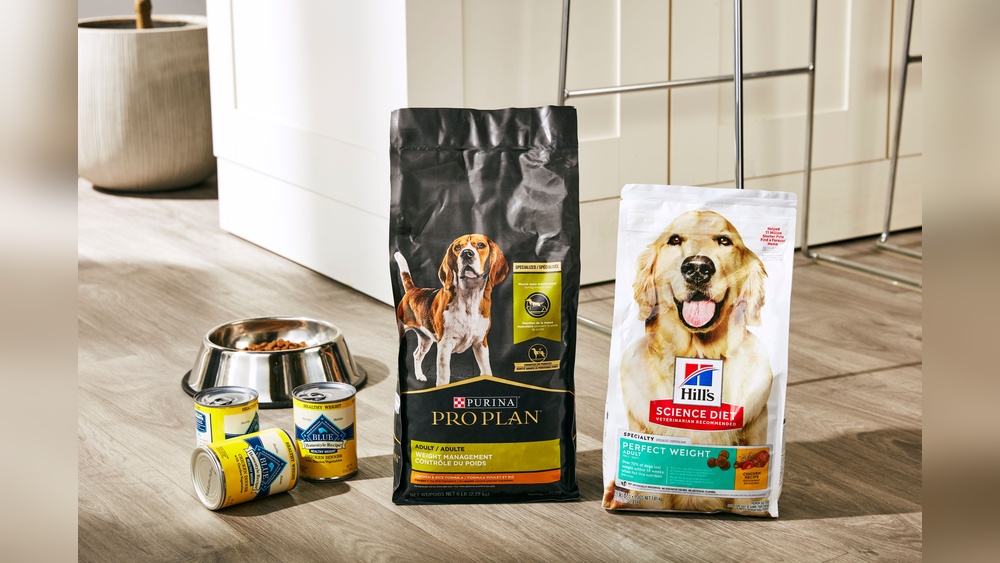
Is your dog struggling to shed those extra pounds? Finding the best dog food for dogs to lose weight can make all the difference in helping your furry friend get healthier and happier.
You want a diet that not only supports weight loss but also keeps your dog full and energized. You’ll discover the top choices that can help your dog slim down safely and enjoy mealtime. Keep reading to learn how you can take the first step toward a healthier life for your dog.

Credit: www.houndsy.com
Why Weight Management Matters
Weight management is important for every dog’s health. Keeping your dog at a good weight improves life quality. Overweight dogs face many health problems. Helping your dog lose weight is a kind act. It can make your dog feel better and live longer.
Health Risks Of Obesity
Obesity causes many health problems in dogs. Extra weight stresses joints and bones. It can lead to arthritis and pain. Overweight dogs have trouble breathing. The heart works harder, raising risk of heart disease. Diabetes is also common in obese dogs. They may get tired quickly and avoid play. Obesity lowers a dog’s ability to fight illness. It shortens life span and reduces happiness.
Benefits Of A Healthy Weight
A healthy weight helps dogs move easily. Dogs with good weight have stronger joints. They breathe better and have more energy. Healthy weight lowers risk of diseases. Dogs stay active and playful longer. Their fur looks shinier and skin healthier. Managing weight improves overall mood and comfort. Your dog will enjoy daily walks and playtime more. It supports a longer, happier life.
:strip_icc()/sps-tier-3-product-hills-science-diet-perfect-weight-adult-dog-food-ahuang-086-2297c2254e834607925497383a3dc8b6.jpeg)
Credit: www.thesprucepets.com
Key Nutritional Needs For Weight Loss
Choosing the right dog food for weight loss means meeting specific nutritional needs. These needs help dogs lose weight safely and stay healthy. Proper nutrition supports energy, muscle, and overall well-being during weight loss. The key is balancing calories, protein, fiber, and carbs.
Low-calorie Ingredients
Low-calorie ingredients reduce overall energy intake. This helps create a calorie deficit needed for weight loss. Ingredients like lean meats and vegetables keep calories low. Avoid foods high in fat and sugars. Low-calorie dog food supports steady and safe weight loss.
High Protein Content
Protein builds and maintains muscle during weight loss. High protein helps dogs feel full longer. It also supports energy and repair of body tissues. Good sources include chicken, turkey, and fish. Protein keeps dogs strong and active while losing weight.
Fiber For Fullness
Fiber adds bulk to food without extra calories. It helps dogs feel full and satisfied. Fiber slows digestion and controls hunger. Sources include pumpkin, sweet potatoes, and peas. Fiber supports healthy digestion and reduces overeating.
Limited Carbohydrates
Carbohydrates provide energy but can add extra calories. Limiting carbs helps control weight gain. Choose complex carbs like brown rice or oats. Avoid too many simple sugars or starches. Balanced carbs give energy without excess calories.
Types Of Weight Loss Dog Food
Choosing the right type of weight loss dog food helps your pet shed pounds safely. Different foods fit different dogs and lifestyles. Knowing the options helps you pick the best fit for your dog’s needs.
Each food type offers unique benefits. Some focus on low calories, others on high protein or special ingredients. Understanding these types helps improve your dog’s health.
Dry Kibble Options
Dry kibble is popular for weight loss diets. It is easy to measure and store. Many brands make low-calorie kibble with added fiber. Fiber helps your dog feel full longer. Look for kibble with lean protein and fewer fats. This supports muscle while losing fat.
Wet Food Choices
Wet food is tasty and often more appealing to dogs. It contains more moisture, which helps with hydration. Many wet weight loss foods have controlled calories. They can be mixed with dry food for variety. Wet food may be easier for older dogs to eat.
Grain-free Alternatives
Grain-free dog food removes wheat, corn, and soy. Some dogs have trouble digesting grains. Grain-free options use vegetables and potatoes instead. These foods can reduce allergies and improve digestion. Check the ingredient list for healthy substitutes and protein sources.
Prescription Diets
Prescription diets are made for dogs with specific health issues. Veterinarians often recommend these for weight loss. They contain exact nutrients and calorie amounts. Prescription foods help control weight and improve health. Always use under a vet’s guidance.
Top Dog Foods For Weight Loss
Choosing the right food helps dogs lose weight safely and effectively. Quality dog food supports healthy metabolism and controls calorie intake. This section lists the best dog foods designed for weight loss. Options include premium, budget-friendly, and natural choices. Each type meets different needs and budgets.
Premium Commercial Brands
Premium brands offer balanced nutrition with fewer calories. They use high-quality ingredients for weight management. These foods often include added fiber to keep dogs full longer. They also contain essential vitamins and minerals. Examples include Hill’s Science Diet and Royal Canin. These brands have formulas made for weight control and health.
Budget-friendly Picks
Budget-friendly dog foods provide good nutrition at lower prices. They focus on calorie control and essential nutrients. Brands like Nutro and Blue Buffalo offer affordable weight loss options. These foods help maintain muscle while reducing fat. They are suitable for owners on a tight budget. Feeding your dog well does not have to cost a lot.
Natural And Organic Options
Natural and organic dog foods use fewer artificial ingredients. They often contain whole foods and natural fibers. These foods help dogs lose weight with gentle, wholesome nutrition. Brands like Wellness and Canidae offer organic weight management formulas. These choices support digestion and healthy weight loss. Many dog owners prefer natural foods for their pets’ wellbeing.
Homemade Weight Loss Recipes
Homemade weight loss recipes offer a healthy way to help dogs shed extra pounds. These meals allow control over ingredients and portion sizes. You can make tasty food that supports your dog’s health and weight goals. Cooking at home ensures fresh, wholesome ingredients without fillers or additives.
Balanced Meal Components
A balanced meal has protein, vegetables, and healthy fats. Protein helps build muscle and keeps your dog full longer. Vegetables add fiber and nutrients with few calories. Healthy fats support skin, coat, and brain health. Avoid high-calorie ingredients like cheese or fatty meats. Use lean meats, pumpkin, green beans, and brown rice for balance.
Portion Control Tips
Measure your dog’s food with a kitchen scale or measuring cup. Feed smaller, more frequent meals instead of one large meal. Follow your vet’s advice for daily calorie needs. Reduce treats or replace them with low-calorie options. Monitor your dog’s weight weekly to adjust portions carefully. Avoid free feeding to prevent overeating.
Safe Ingredients For Dogs
Use dog-safe ingredients only. Avoid onions, garlic, grapes, and chocolate. These can cause serious health problems. Choose lean chicken, turkey, or fish for protein. Sweet potatoes, carrots, and peas add fiber and vitamins. Brown rice and oats provide energy and digest slowly. Always introduce new foods gradually to prevent upset stomach.

Credit: www.businessinsider.com
Feeding Tips For Weight Control
Feeding your dog properly plays a big role in weight control. Good feeding habits help your dog lose weight safely. It also keeps your dog healthy and active. Follow these simple tips to manage your dog’s weight with food and care.
Meal Frequency And Size
Feed your dog at regular times each day. Divide the daily food amount into two or three meals. Small, frequent meals can help control hunger and prevent overeating. Measure food portions carefully to avoid giving too much. Consistent meal times support a healthy metabolism.
Avoiding Overfeeding
Many dogs gain weight from too many treats or snacks. Offer healthy treats in moderation. Use treats only for training or rewards, not as extra meals. Avoid free-feeding where food is always available. Stick to the recommended food amount on the dog food package.
Incorporating Exercise
Exercise is important for weight loss and good health. Take your dog for daily walks or play active games. Exercise helps burn calories and builds muscle. Start with short sessions and increase time gradually. Combine exercise with proper feeding for the best results.
Monitoring Progress And Adjustments
Monitoring your dog’s weight loss progress is very important. It helps ensure your dog loses weight safely and stays healthy. Regular checks allow you to see what works and what needs change. This process keeps your dog on track and avoids health risks.
Tracking Weight Changes
Weigh your dog regularly, about once a week. Use the same scale and time for accurate results. Keep a simple log of the weight. Note any changes and how fast they happen. This helps spot problems early and measure success clearly.
When To Consult A Vet
Visit the vet if weight loss is too fast or too slow. Also, check if your dog shows unusual signs like weakness or loss of appetite. The vet can adjust the plan or check for health issues. Regular vet visits keep your dog safe during weight loss.
Adjusting Diet As Needed
Adjust your dog’s food amount or type based on progress. If weight loss stops, reduce calories slightly or change food quality. Add more exercise if allowed by the vet. Small changes keep the plan effective and your dog happy.
Frequently Asked Questions
What Ingredients Help Dogs Lose Weight Effectively?
High protein and low fat ingredients help dogs lose weight. Fiber-rich components promote fullness and aid digestion. Avoid fillers like corn and wheat. Look for natural, wholesome ingredients to support healthy weight loss and overall wellness.
How To Choose The Best Dog Food For Weight Loss?
Select dog food with controlled calories, high protein, and fiber. Check labels for low fat content and no artificial additives. Consult your vet to match the formula with your dog’s health needs. Balanced nutrition is key for safe, effective weight loss.
Can Weight Loss Dog Food Improve My Dog’s Health?
Yes, weight loss dog food supports joint health and energy levels. It reduces obesity-related risks like diabetes and heart disease. Proper nutrition boosts metabolism and muscle maintenance. Overall, it enhances your dog’s quality of life during weight management.
How Long Does It Take For Dogs To Lose Weight?
Weight loss varies by dog size, age, and metabolism. Safe weight loss is about 1-2% of body weight per week. Consistent diet and exercise are crucial. Always monitor your dog’s progress and consult your vet for adjustments.
Conclusion
Choosing the right dog food helps your pet lose weight safely. Healthy ingredients support energy and keep dogs full longer. Feeding the right portions matters just as much as the food. Regular exercise combined with good nutrition gives the best results.
Watch your dog’s progress and adjust the diet if needed. Weight loss improves your dog’s health and happiness. Start with small changes and be patient. Every dog is unique, so find what works best. A balanced diet keeps tails wagging and bodies strong.


