

Finding the best diet dog food for your small dog can feel overwhelming. You want to give your furry friend meals that keep them healthy, energetic, and happy.
But with so many options out there, how do you know which one is truly right for your pup? This guide will help you cut through the noise and discover the perfect food that meets your dog’s unique needs. Keep reading, and you’ll learn exactly what to look for to support your small dog’s health every day.
Why Small Dogs Need Special Diets
Small dogs need special diets to stay healthy and active. Their bodies work differently than larger dogs. They burn energy faster and have unique needs. Feeding them the right food helps avoid health problems and keeps them strong.
Unique Nutritional Needs
Small dogs need more calories per pound than big dogs. Their fast metabolism requires more energy. They also need nutrients in smaller, more digestible amounts. Protein is very important to keep their muscles healthy. Vitamins and minerals help their tiny bodies function well.
Common Health Issues
Small dogs often face problems like dental issues and obesity. Their teeth can get crowded and need special care. Obesity can happen easily due to their small size. Joint problems and heart disease are also common. A good diet can help reduce these risks.
Portion Control Importance
Small dogs need careful portion control to avoid overeating. Too much food can cause weight gain quickly. Feeding the right amount keeps their weight steady. Small meals throughout the day help maintain energy. Measuring food ensures they get the right nutrients.
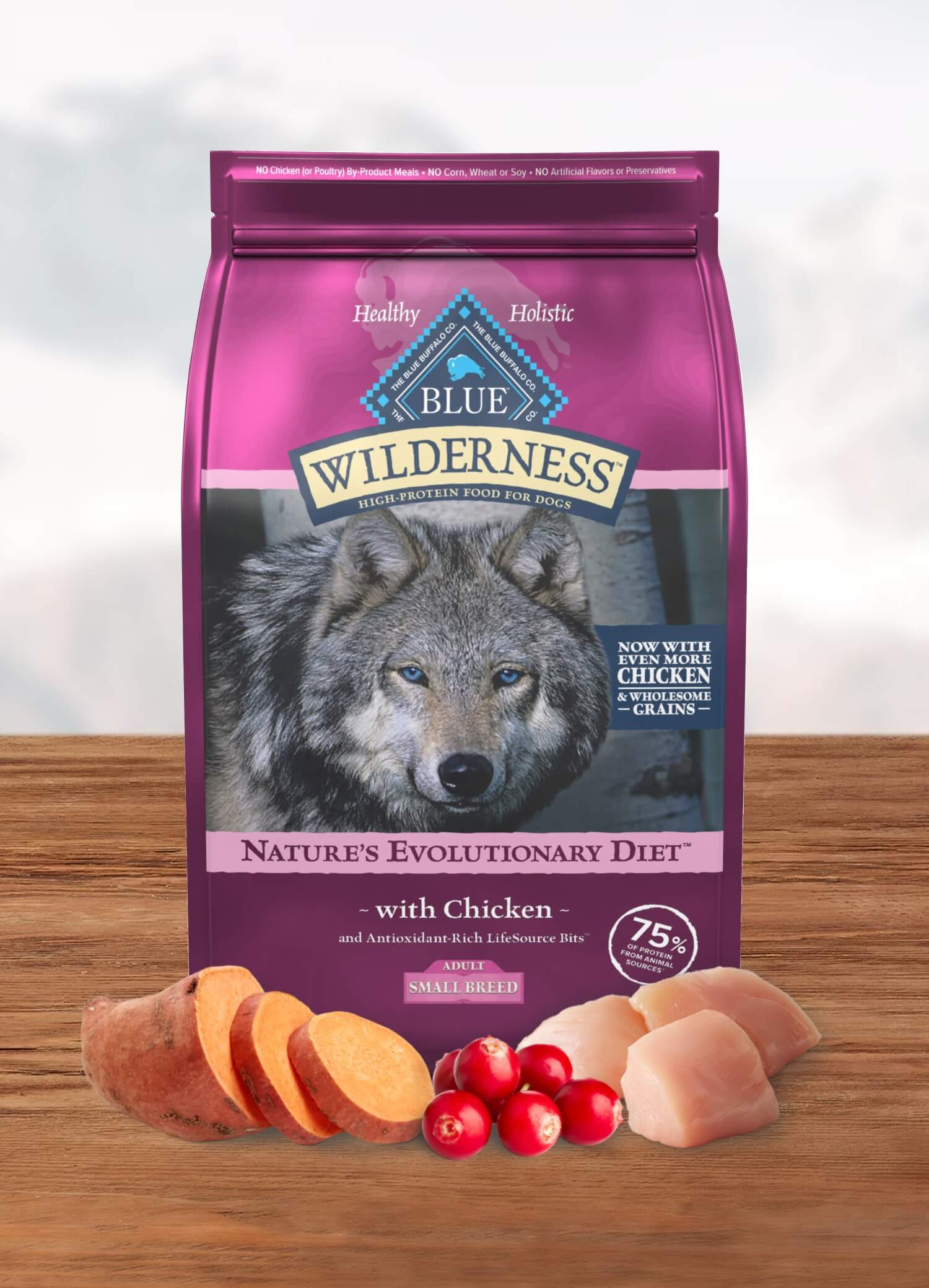
Credit: www.bluebuffalo.com
Key Ingredients For Small Dog Diets
Choosing the right diet for small dogs needs careful thought. Small dogs have unique needs. Their food must support their fast metabolism and small size. Key ingredients help keep them healthy and active. These ingredients provide energy, build strong muscles, and support vital functions. Understanding these key ingredients helps pick the best food.
High-quality Proteins
Proteins are the building blocks of muscles. Small dogs need proteins to stay strong and active. Meat like chicken, turkey, and fish offers high-quality proteins. These proteins are easy to digest and rich in amino acids. Amino acids help repair tissues and maintain energy. Protein sources should be the main ingredient in small dog food.
Essential Fatty Acids
Fatty acids support skin and coat health. Omega-3 and Omega-6 are vital for small dogs. They reduce inflammation and improve brain function. Fish oil and flaxseed are good sources of these fats. Healthy fats also provide energy. Small dogs benefit from balanced fatty acid levels in their diet.
Vitamins And Minerals
Vitamins and minerals keep small dogs’ bodies working well. Vitamin A helps vision. Vitamin E supports the immune system. Calcium strengthens bones and teeth. Minerals like zinc and iron help with metabolism and oxygen transport. A complete diet includes all essential vitamins and minerals.
Avoiding Fillers And Additives
Fillers add no nutrition to dog food. Ingredients like corn, wheat, and soy can cause allergies. Artificial colors and preservatives may harm small dogs’ health. Quality dog food avoids unnecessary fillers and additives. Clean, simple ingredients support better digestion and overall health.
Top Diet Dog Foods For Small Dogs In 2025
Choosing the right diet dog food helps small dogs stay healthy and active. Small breeds have unique needs, such as higher energy and smaller kibble sizes. The best diet dog foods provide balanced nutrition without extra calories or fillers. Here are top picks for small dogs in 2025.
Best Grain-free Options
Grain-free dog foods reduce allergies and digestive issues. These formulas use ingredients like sweet potatoes and peas. They keep dogs full and energized without grains. Many small dogs benefit from grain-free diets for clearer skin and better digestion.
Best Weight Management Formulas
Weight management foods help small dogs stay fit and avoid obesity. These diets contain fewer calories but keep essential nutrients. They often include added fiber to promote fullness. Ideal for less active dogs or those prone to weight gain.
Best Limited Ingredient Diets
Limited ingredient diets contain fewer components to reduce allergies. They focus on one protein and one carbohydrate source. These diets are gentle on sensitive stomachs. Perfect for small dogs with food sensitivities or allergies.
Best Budget-friendly Picks
Affordable diet dog foods offer good nutrition without high costs. These brands balance quality and price well. They use simple ingredients that support small dog health. Great options for owners seeking value and nutrition.
:strip_icc()/hills-science-diet-dry-dog-food-adult-small-mini-breeds-74ff39dc8a074daa95910568de2f22c3.jpg)
Credit: www.thesprucepets.com
How To Choose The Right Food
Choosing the right diet dog food for small dogs is important for their health. Small dogs have different needs than larger dogs. Their food should support their energy, growth, and overall well-being. Understanding what to look for makes feeding easier and more effective.
Reading Dog Food Labels
Check the ingredient list carefully. Look for real meat as the first ingredient. Avoid foods with too many fillers like corn or wheat. Protein and fat percentages are important. Small dogs need balanced nutrients for energy and healthy skin. Also, check for vitamins and minerals. These support your dog’s immune system and bones.
Considering Your Dog’s Age And Activity
Puppies need food rich in protein and fat for growth. Adult small dogs require balanced diets to maintain weight. Senior dogs benefit from diets low in calories but high in nutrients. Active dogs burn more energy and may need more calories. Less active dogs need fewer calories to avoid weight gain. Choose food that matches your dog’s lifestyle and age.
Consulting Your Veterinarian
Your veterinarian knows your dog’s health best. Talk to them before changing diets. They can recommend food for allergies or health issues. They help choose food that fits your dog’s needs. Regular check-ups keep your dog healthy and happy. Trust their advice to find the best diet food.
Tips For Transitioning To A New Diet
Changing your small dog’s diet needs care and patience. Sudden food changes can upset their stomach. Follow simple steps for a smooth switch. Watch your dog closely during this time. Adjust food amounts carefully to avoid health issues.
Gradual Food Changes
Mix the new food with the old one. Start with 25% new food and 75% old food. Increase the new food amount slowly over 7 to 10 days. This helps your dog’s digestive system adjust well. Avoid switching all at once to prevent diarrhea or vomiting.
Monitoring Your Dog’s Reaction
Observe your dog’s behavior and health daily. Look for signs like vomiting, diarrhea, or loss of appetite. Check for changes in energy or mood. If problems occur, slow down the transition. Consult a vet if issues last more than a few days.
Adjusting Portions Safely
Feed the right portion based on your dog’s size and activity. Avoid overfeeding to prevent weight gain. Use the food label as a guide, but adjust as needed. Split meals into two or three servings per day. Keep fresh water available at all times.
Homemade Diet Options For Small Dogs
Preparing homemade food for small dogs lets you control what they eat. It helps meet their unique dietary needs. Small dogs often need nutrient-rich meals in small portions. Homemade diets can be fresh, tasty, and healthy.
Choosing the right ingredients is key. Meals must be balanced to keep your dog active and healthy. Homemade food also avoids fillers and additives found in some commercial dog foods.
Balanced Meal Ideas
A good meal for small dogs mixes protein, carbs, and fats. Cooked chicken or turkey works well as protein. Brown rice or sweet potatoes make great carbs. Add vegetables like carrots or peas for vitamins. Use a little olive oil for healthy fat. This mix supports energy and strong muscles.
Safe Human Foods
Many human foods are safe for dogs in small amounts. Plain cooked eggs are a great protein source. Blueberries and apples offer antioxidants and fiber. Avoid onions, garlic, grapes, and chocolate—they are toxic. Always serve foods plain, without seasoning or salt.
When To Use Supplements
Supplements help fill nutrition gaps in homemade diets. Fish oil adds omega-3 fatty acids for skin and coat health. Calcium supports strong bones, especially if no bones are in the meal. Consult a vet before adding supplements to avoid overdosing. Balance is crucial for a healthy diet.
Common Mistakes To Avoid
Choosing the right diet dog food for small dogs is important. Many dog owners make mistakes that affect their pet’s health. Avoiding these errors helps keep your small dog happy and healthy. Understanding common mistakes can guide you to better food choices.
Overfeeding Small Dogs
Small dogs need less food than bigger dogs. Giving too much food can cause weight gain. Overfeeding leads to obesity and health problems. Measure your dog’s food carefully. Follow the feeding guidelines on the dog food package. Stick to regular meal times instead of free feeding.
Ignoring Allergies
Small dogs can have food allergies. Allergies cause itching, stomach upset, and ear infections. Watch for signs like scratching or vomiting. Avoid foods with common allergens like wheat or soy. Choose hypoallergenic or limited ingredient diets if allergies appear. Consult a vet to identify allergies correctly.
Choosing Based On Price Alone
Cheap dog food may lack important nutrients. Quality ingredients matter for your dog’s health. Look for balanced nutrition, not just the lowest price. Read ingredient lists to ensure real meat or fish is present. Investing in better food saves money on vet bills later.

Credit: www.amazon.com
Frequently Asked Questions
What Ingredients Are Best In Diet Dog Food For Small Dogs?
High-quality protein, fiber, and low-fat ingredients are ideal. Look for real meat, vegetables, and whole grains. Avoid fillers, artificial additives, and excessive carbohydrates to maintain weight and support digestion.
How To Choose The Right Diet Food For Small Dogs?
Consider your dog’s age, weight, activity, and health. Choose food with balanced nutrients, appropriate calories, and portion sizes. Consult your vet for personalized recommendations to meet your dog’s dietary needs.
Can Diet Dog Food Help With Small Dog Weight Loss?
Yes, specially formulated diet dog food controls calorie intake. It promotes fat loss while preserving muscle mass. Combined with exercise, it supports a healthy and steady weight reduction.
Is Grain-free Diet Food Better For Small Dogs?
Not necessarily. Grain-free diets suit dogs with allergies or sensitivities. Otherwise, whole grains provide essential nutrients and fiber. Always check ingredient quality and consult your vet before switching.
Conclusion
Choosing the best diet dog food helps small dogs stay healthy. Small dogs need food with the right nutrients and calories. Feeding them well supports their energy and growth. Always check ingredients for quality and safety. Regular feeding times keep dogs happy and active.
Consult your vet to match food with health needs. Healthy food means a happy, lively small dog. Careful choices make a big difference in their life. Keep your small dog strong with good diet food. Simple steps lead to better health and joy.


