If you have a wiener dog, you know how special they are. Their long bodies and lively personalities make them one of a kind.
But did you know that choosing the right food can make a big difference in their health and happiness? You want your furry friend to stay energetic, strong, and full of life. That’s why finding the best dog food for wiener dogs is so important.
You’ll discover simple tips and top choices that will help your dachshund thrive every day. Keep reading to learn how to give your beloved pet the nutrition they truly deserve.
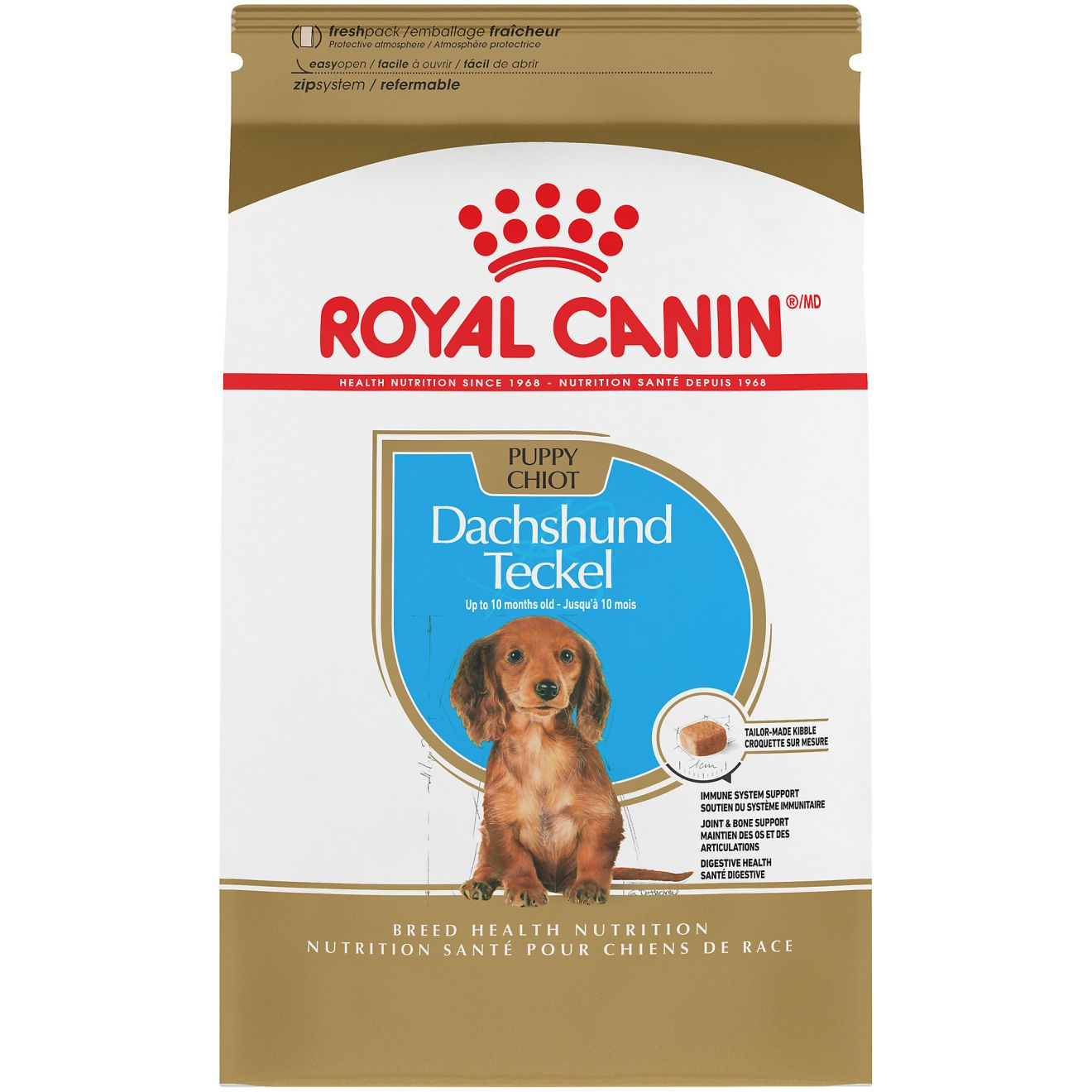
Credit: www.royalcanin.com
Nutritional Needs Of Wiener Dogs
Wiener dogs have unique nutritional needs due to their small size and long bodies. Their diet must support strong bones, healthy muscles, and good energy levels. Proper nutrition helps them avoid common health issues like obesity and joint problems. Understanding these needs helps in choosing the best dog food for wiener dogs.
Key Nutrients For Health
Protein is important for muscle strength and repair. Look for dog food with high-quality animal protein like chicken or fish. Healthy fats provide energy and keep the coat shiny. Omega-3 and Omega-6 fatty acids reduce inflammation and support skin health. Carbohydrates supply energy but must come from easy-to-digest sources like rice or sweet potatoes. Vitamins and minerals strengthen the immune system and support overall health.
Portion Sizes And Feeding Frequency
Small dogs need smaller portions to avoid weight gain. Feed wiener dogs two to three small meals daily. This helps keep their blood sugar stable and controls hunger. Use the feeding guide on the dog food package as a starting point. Adjust portions depending on the dog’s age, activity, and health condition. Always provide fresh water alongside meals.
Common Dietary Concerns
Wiener dogs often face obesity due to low activity and overeating. Avoid foods with too many fillers or artificial additives. Some dogs may have food allergies or sensitivities. Common triggers include grains, chicken, or dairy. Watch for signs like itching, stomach upset, or ear infections. Consult a vet to find the best diet for sensitive dogs.

Credit: www.bonza.dog
Types Of Dog Food For Wiener Dogs
Choosing the right food is key for your Wiener dog’s health and happiness. Wiener dogs have unique needs because of their small size and long bodies. Different types of dog food offer different benefits. Understanding these options helps you pick the best diet for your pet.
Food must support their energy and protect their joints. Some foods help keep teeth clean, while others provide extra moisture. Let’s explore the main types of dog food for Wiener dogs.
Dry Kibble Benefits
Dry kibble is easy to store and serve. It helps keep your dog’s teeth clean by reducing plaque. Kibble has a long shelf life and does not spoil quickly. It comes in many formulas to meet specific health needs. Many Wiener dogs enjoy the crunch and taste of dry kibble.
Wet Food Advantages
Wet food contains more moisture, which helps with hydration. It usually smells and tastes stronger, appealing to picky eaters. Wet food is soft and easy to chew, great for older Wiener dogs. It can provide extra nutrients and calories in a small serving. This type helps keep your dog excited about mealtime.
Raw And Homemade Options
Raw and homemade meals give full control over ingredients. They allow fresh meat, vegetables, and grains to be included. This option can be tailored to avoid allergies or sensitivities. Preparing food at home means no fillers or artificial additives. Raw diets may improve coat shine and energy levels.
Top Dog Food Brands In 2025
Choosing the right dog food brand is key for Wiener dogs. Their unique body shape and activity level need special nutrition. In 2025, many brands offer quality options. Some focus on premium ingredients. Others balance cost and nutrition well. Some brands provide formulas for specific health needs. This guide covers top dog food brands to consider.
Premium Choices
Premium dog foods use high-quality meat and natural ingredients. They have no fillers or artificial additives. Brands like Blue Buffalo and Orijen fit here. These foods support healthy skin and shiny coats. They also help maintain energy levels. These brands often include essential vitamins and minerals.
Budget-friendly Picks
Affordable dog foods can still offer good nutrition. Brands such as Pedigree and Purina provide balanced meals. These options suit owners on a budget. They include protein, fiber, and vitamins needed for Wiener dogs. Some budget brands also add probiotics for digestion support. Watch for formulas that avoid too many fillers.
Specialty Formulas
Specialty dog foods target specific health concerns. Brands like Hill’s Science Diet and Royal Canin offer these. They have formulas for weight control, allergies, and sensitive stomachs. Wiener dogs benefit from these tailored options. These foods help manage health while providing balanced nutrition. Always consult a vet before changing diets.
Ingredients To Look For
Choosing the right ingredients in dog food is key for your wiener dog’s health. Good ingredients support energy, digestion, and a shiny coat. Focus on nutrient-rich components that meet your pet’s needs.
High-quality Proteins
Proteins build strong muscles and keep your dog active. Look for named meat sources like chicken, beef, or fish. Avoid foods with vague terms like “meat meal” or “by-products.”
Protein helps repair tissues and supports immune health. Wiener dogs need enough protein for their playful nature.
Healthy Fats And Carbohydrates
Fats provide energy and keep skin healthy. Choose sources like fish oil or flaxseed for omega fatty acids. These fats help maintain a shiny, soft coat.
Carbohydrates give steady energy. Whole grains and vegetables like brown rice and sweet potatoes work best. They also help with digestion.
Essential Vitamins And Minerals
Vitamins support overall health and keep the body working well. Look for foods with vitamins A, D, E, and B-complex. Minerals like calcium and phosphorus build strong bones and teeth.
These nutrients also boost your dog’s immune system. Balanced vitamins and minerals keep your wiener dog happy and healthy.
Ingredients To Avoid
Choosing the right food for your Wiener dog is important. Some ingredients can harm their health or cause stomach problems. Knowing which ingredients to avoid helps keep your pet happy and healthy.
Artificial Additives
Artificial colors, flavors, and preservatives can irritate your dog’s stomach. These chemicals offer no real nutrition. They may cause allergies or long-term health issues. Avoid foods with artificial additives for better wellness.
Fillers And By-products
Fillers like corn, wheat, and soy add little nutrition. They may cause weight gain or digestion problems. By-products are low-quality parts of animals. These include feathers or beaks. Choose dog food with real meat instead.
Common Allergens
Some Wiener dogs react to certain proteins or grains. Common allergens include beef, dairy, and chicken. Gluten and soy can also cause problems. Watch for signs like itching or upset stomach. Pick foods that avoid these allergens to keep your dog comfortable.
Tailoring Food To Life Stages
Wiener dogs have different nutritional needs at each stage of life. Feeding the right food helps them stay healthy and active. Their bodies grow and change, so their diet must change too. Tailoring food to life stages supports their energy, growth, and overall well-being.
Puppy Nutrition
Puppy wiener dogs need food rich in protein and fat. These nutrients help build strong muscles and support brain growth. Small, frequent meals fit their tiny stomachs well. Look for puppy food with DHA and calcium for bone development. Avoid fillers that offer little nutrition.
Adult Maintenance
Adult wiener dogs need balanced nutrition to maintain weight. Protein supports muscle health while moderate fat provides energy. Fiber aids digestion and keeps their coat shiny. Portion control is key to prevent obesity. Choose food with vitamins and minerals to support daily activity.
Senior Dog Needs
Older wiener dogs require food that is gentle on joints and kidneys. Lower calories help avoid weight gain. Added glucosamine supports joint health. Antioxidants boost the immune system. Soft kibble or wet food can ease chewing problems. Senior formulas help prolong quality life.
Tips For Transitioning Dog Food
Changing your wiener dog’s food needs care. Sudden changes can upset their stomach. Follow these tips for a smooth switch. This helps your dog accept new food without problems.
Gradual Introduction
Start by mixing a small amount of new food with the old. Slowly increase the new food over 7 to 10 days. Watch your dog eat and enjoy the new taste. This slow change helps avoid stomach issues.
Monitoring Reactions
Check for signs like vomiting, diarrhea, or less appetite. If your dog acts tired or irritable, note these changes. Keep an eye on their poop for any differences. Early detection helps prevent bigger problems.
When To Consult A Vet
Contact a vet if your dog shows illness after the food change. Persistent vomiting or diarrhea needs professional advice. Also seek help if your dog loses weight or stops eating. A vet can suggest the best food and care.
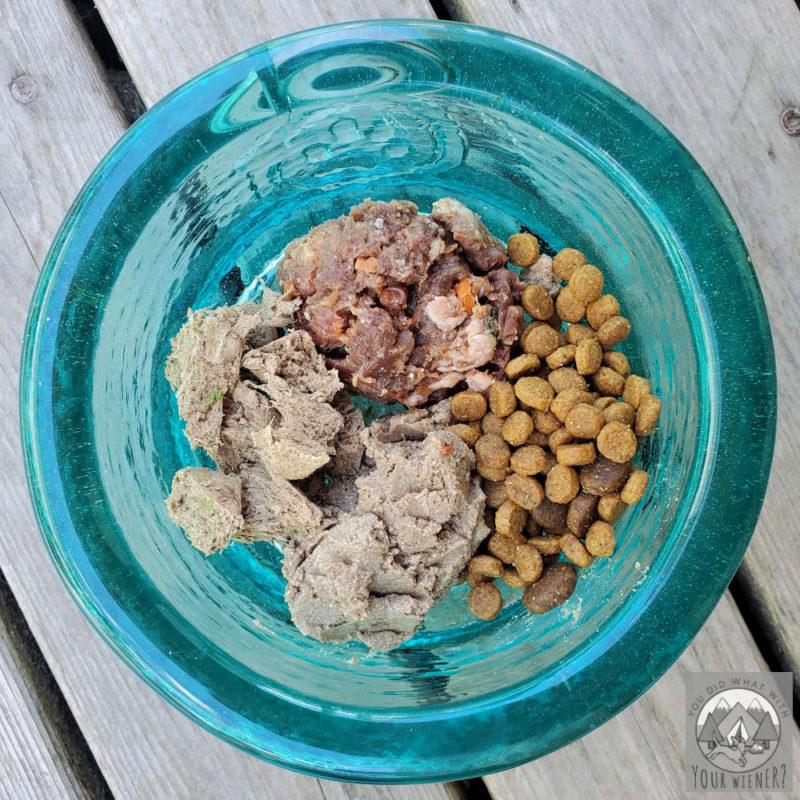
Credit: youdidwhatwithyourweiner.com
Homemade Dog Food Recipes
Homemade dog food recipes offer a fresh and healthy way to feed Wiener dogs. Preparing meals at home lets you control ingredients and ensure quality. It also helps avoid fillers and artificial additives found in some commercial foods.
Making food at home can be simple and fun. You can create tasty dishes that meet your dog’s nutritional needs. Let’s explore some balanced meal ideas, safe ingredients, and tips for storage and preparation.
Balanced Meal Ideas
Start with a good protein source like chicken, turkey, or lean beef. Add cooked vegetables like carrots, peas, or green beans for vitamins. Include a small portion of grains like brown rice or oats for energy. Mix in healthy fats such as fish oil or flaxseed oil. These meals support your dog’s muscle and coat health.
Safe Ingredients
Use fresh, whole foods without spices or seasoning. Avoid onions, garlic, chocolate, and grapes—they are toxic to dogs. Choose organic or pesticide-free vegetables. Cook all meats thoroughly to kill bacteria. Keep salt and sugar out of your recipes to protect your pet’s health.
Storage And Preparation Tips
Prepare meals in batches to save time. Store food in airtight containers in the fridge for up to three days. Freeze extra portions for longer storage. Always thaw frozen meals in the fridge, never at room temperature. Wash your hands and cooking tools well before and after preparing food.
Supplements For Wiener Dogs
Supplements can help keep Wiener Dogs healthy and happy. These small dogs need special care due to their unique body shape. Supplements support their joints, skin, coat, and digestion. Choosing the right supplements helps your dog enjoy a better life.
Joint Health
Wiener Dogs have long backs, which can stress their joints. Supplements with glucosamine and chondroitin help protect their cartilage. These ingredients reduce pain and improve joint movement. Omega-3 fatty acids also reduce inflammation and support joint health. Healthy joints keep Wiener Dogs active and playful.
Skin And Coat Support
Wiener Dogs need a shiny coat and healthy skin. Supplements with omega-3 and omega-6 fatty acids improve coat softness. Vitamin E and zinc help reduce itching and dryness. A healthy coat means less shedding and fewer skin problems. These nutrients keep your dog looking and feeling good.
Digestive Aids
Digestive health is important for Wiener Dogs. Probiotics help balance good bacteria in the gut. This improves digestion and nutrient absorption. Fiber supplements can prevent constipation and promote regular bowel movements. Good digestion means better energy and less stomach upset.
Frequently Asked Questions
What Is The Best Dog Food For Wiener Dogs?
The best dog food for Wiener dogs is high-quality, protein-rich, and balanced. Look for formulas with real meat, moderate fat, and added vitamins. Avoid fillers like corn or soy. Tailored nutrition supports their unique body shape and energy needs.
How Much Food Should A Wiener Dog Eat Daily?
Wiener dogs typically need ½ to 1 cup of food daily. Portion size depends on age, weight, and activity level. Feeding twice a day helps maintain healthy weight and energy. Always follow package guidelines and consult your vet for precise amounts.
Are Grain-free Diets Good For Wiener Dogs?
Grain-free diets can benefit Wiener dogs with allergies or sensitivities. However, they are not necessary for all dogs. Choose grain-free food only if your dog shows intolerance. Consult your vet to ensure balanced nutrition and avoid potential health issues.
Can Wiener Dogs Eat Homemade Dog Food?
Yes, Wiener dogs can eat homemade dog food if it’s balanced. Include lean protein, vegetables, and healthy fats. Avoid toxic ingredients like onions, garlic, and chocolate. Consult a vet or nutritionist to ensure all nutrient needs are met.
Conclusion
Choosing the right food keeps your Wiener dog happy and healthy. Good nutrition supports their energy and long life. Focus on quality ingredients and balanced nutrients. Watch your dog’s weight and adjust food as needed. Treat your pet with care and love every day.
Feeding them well is a simple way to show you care. Small changes can make a big difference in their health. Keep learning about their needs as they grow. Your Wiener dog deserves the best food you can give.