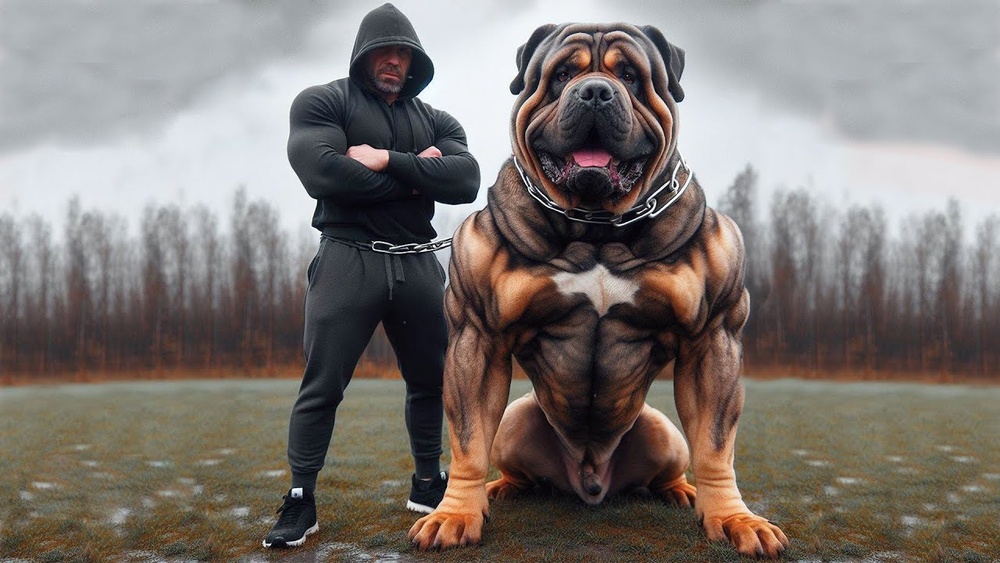
Are you looking for the best guard dog in the world to protect your home and family? Choosing the right guard dog can make all the difference in your sense of safety and peace of mind.
You want a dog that is loyal, strong, and alert—one that will stand by your side when it matters most. You’ll discover top guard dog breeds known for their bravery and intelligence. By the end, you’ll know exactly which dog fits your needs and lifestyle.
Keep reading to find your perfect protector.
Credit: mcconsultcreche.fr
Traits Of Top Guard Dogs
Top guard dogs share key traits that make them excellent protectors. These dogs have qualities that help them guard homes, families, and properties effectively. Understanding these traits helps in choosing the right guard dog for any need.
Loyalty And Protectiveness
Loyalty is the heart of every great guard dog. These dogs stick by their owners through thick and thin. Their protectiveness keeps strangers and threats at bay. A loyal dog senses danger and reacts fast. This bond builds trust between dog and owner.
Intelligence And Trainability
Smart dogs learn commands quickly and follow them well. They understand their role in protection clearly. Trainable dogs respond to instructions even under pressure. Intelligence helps them judge true threats from normal situations. This makes training easier and more effective.
Physical Strength And Agility
Strong muscles and quick movements are vital in guard dogs. They must move fast to catch intruders or defend territory. Agility lets them navigate different environments easily. Physical power supports their role in protection without hesitation.
Alertness And Courage
Alert dogs notice unusual sounds and movements immediately. Their sharp senses act as early warning systems. Courage drives them to face danger without fear. A brave guard dog stands firm against threats. Alertness combined with courage ensures safety.
Credit: www.mesimvriawines.gr
Top Fierce Guard Dog Breeds
Guard dogs protect homes and families. Some breeds stand out for their fierce nature and loyalty. These dogs are brave and ready to defend at any sign of danger. Their strong build and sharp instincts make them the best protectors.
Here is a list of top fierce guard dog breeds known worldwide for their strength and courage. Each breed has unique traits that make them excellent guard dogs.
German Shepherd
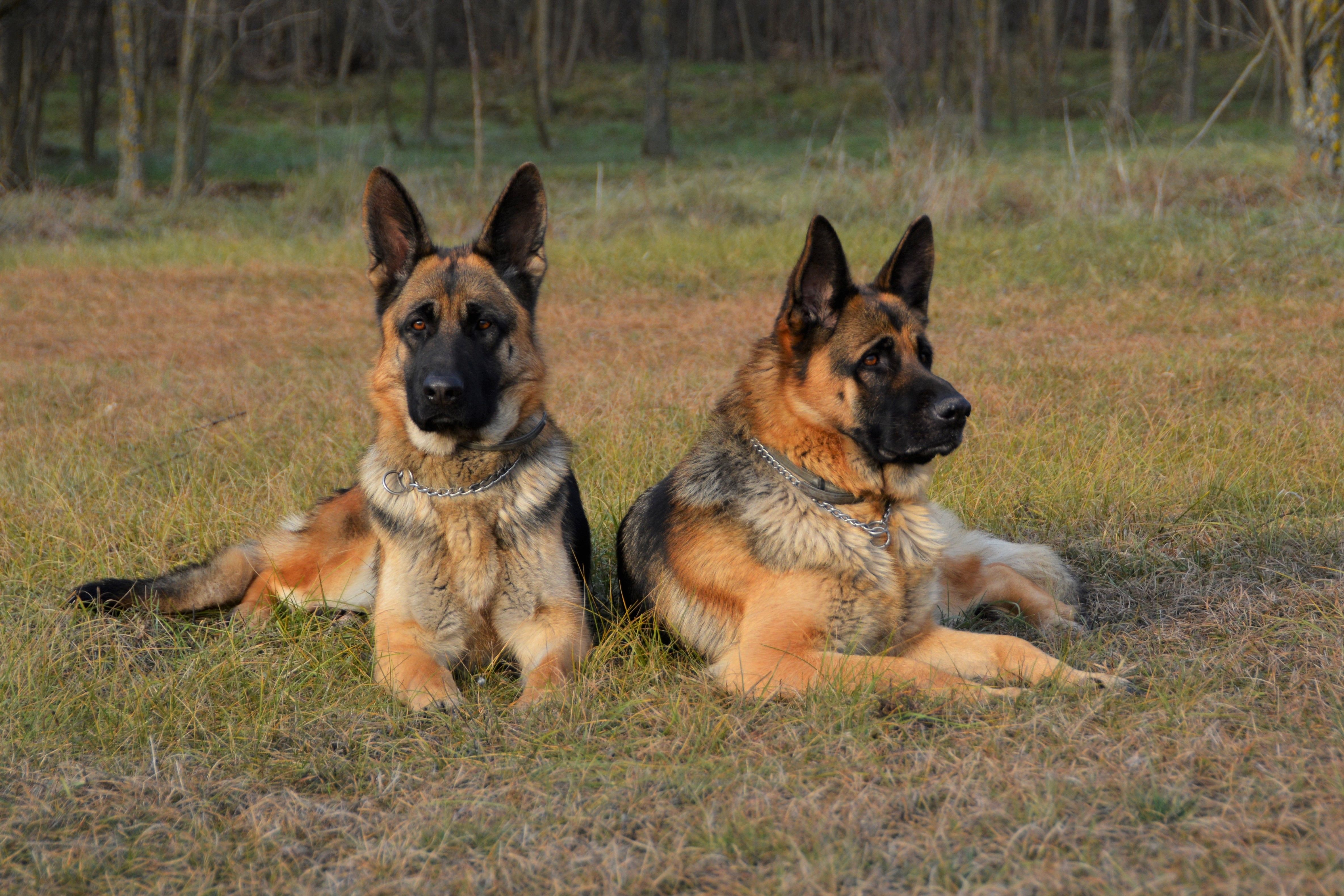
German Shepherds are smart and very loyal. They learn commands quickly and obey well. Their strong body and alertness make them great protectors. Police and military often use this breed for security work.
Rottweiler
Rottweilers have a powerful build and a calm nature. They are fearless and will protect their family at all costs. These dogs need proper training to manage their strength and energy well.
Doberman Pinscher
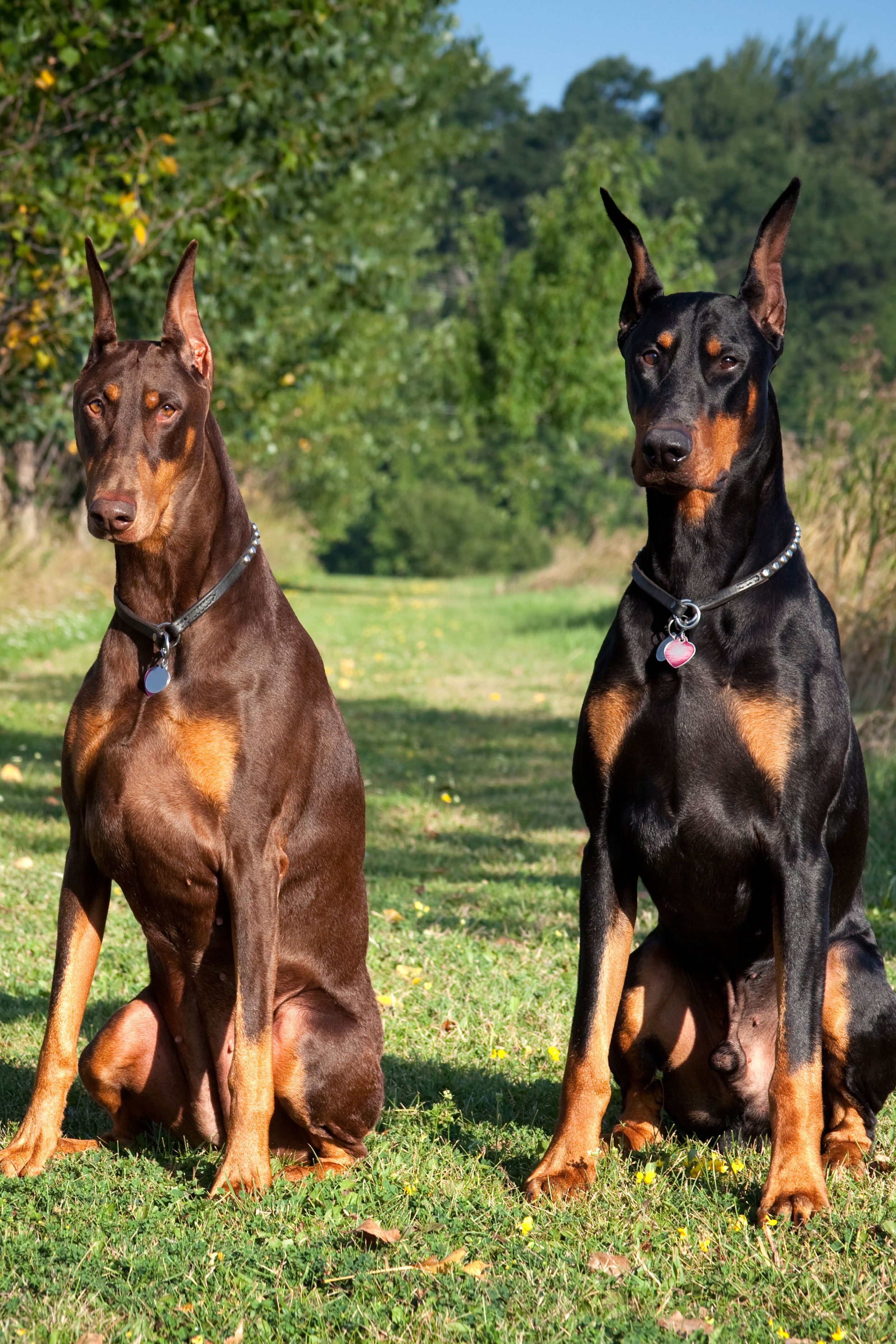
Dobermans are fast and agile guard dogs. They are alert and can sense danger early. Their sleek, strong body helps them move quickly to protect their home.
Belgian Malinois
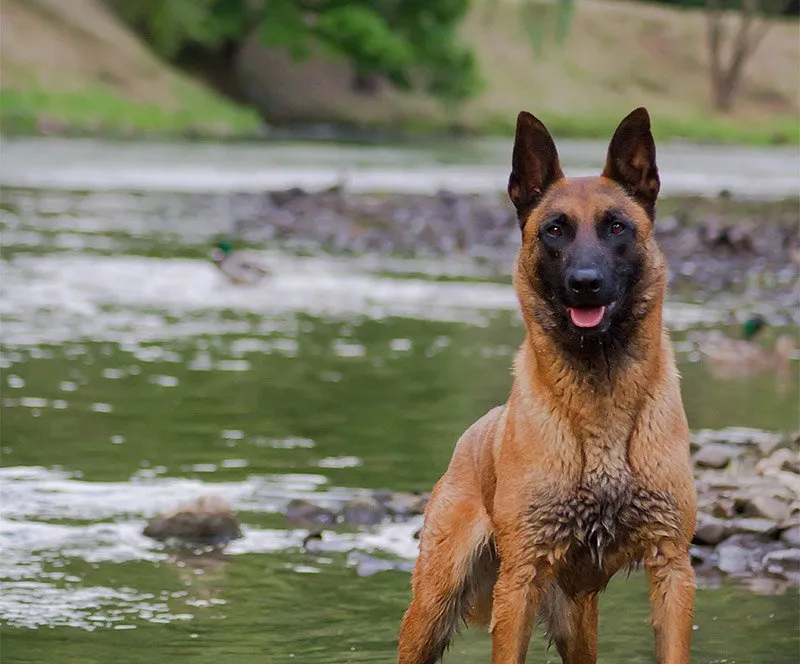
Belgian Malinois are energetic and very intelligent. They work well with police and military teams. Their sharp senses and speed make them excellent for protection work.
Bullmastiff
Bullmastiffs are large and strong with a calm nature. They are fearless and protective of their families. Their size alone can be a strong deterrent to intruders.
Cane Corso
Cane Corsos are powerful and confident guard dogs. They bond closely with their owners and protect them fiercely. Their muscular build and alertness help keep threats away.
Boxer
Boxers are strong, alert, and friendly guard dogs. They have high energy and are very protective of family. Their playful nature makes them great with kids while guarding well.
Choosing The Right Guard Dog
Choosing the right guard dog is a big decision. It affects your safety and daily life. Not every dog suits every person or place. Careful thought helps find the best fit for protection and peace of mind.
Think about your needs, home, and family. The right dog protects and fits well with your lifestyle. This guide covers key points to help pick a guard dog that works for you.
Assessing Your Security Needs
Start by knowing what type of protection you want. Do you need a dog to scare off strangers or to physically defend? Consider the size of your property. Think about the level of threat in your area. Some dogs alert with barks, others act quickly if danger comes. Match the dog’s skills with your security needs.
Living Environment Considerations
Your home and space matter a lot. Large breeds need room to move and exercise. Apartment living suits smaller, less active guard dogs. Check if you have a yard or close neighbors. Noise levels and local laws can affect your choice. Choose a dog that fits your environment well.
Temperament And Family Compatibility
Guard dogs must be calm with family but alert to threats. Some breeds are gentle with children and strangers. Others may be too aggressive or shy. A good guard dog protects without causing harm at home. Think about your family’s age and lifestyle. The dog should blend well into your daily life.
Training And Socialization
Training is key for any guard dog. The dog learns commands and how to behave around people. Socialization helps the dog stay calm with visitors and other pets. Regular training keeps the dog sharp and reliable. Start early and be consistent for best results.
Credit: www.fullcontactk9.com
Training Tips For Guard Dogs
Training a guard dog is key to its success and safety. Proper training shapes a dog’s behavior and skills. It builds trust and respect between the dog and owner. Good training helps the dog protect without causing harm. Focus on clear commands, social skills, and mental sharpness. Each part plays a role in effective guarding.
Basic Obedience Commands
Start with simple commands like sit, stay, and come. These commands control the dog in any situation. Use short, clear words and a firm voice. Practice daily in different places to build reliability. Reward good behavior with treats or praise. Avoid harsh punishments; they cause fear and confusion. Basic obedience creates a strong foundation for guard training.
Socialization Strategies
Expose your dog to many people, animals, and environments. This reduces fear and aggression toward strangers. Social dogs can tell friend from foe better. Arrange safe meetings with friendly dogs and strangers. Introduce new sounds and places gradually. Proper socialization prevents unwanted attacks and promotes calmness. A well-socialized guard dog stays alert but controlled.
Protection Training Techniques
Teach your dog to guard only on command. Use controlled drills with a trained helper. Focus on alertness, barking, and controlled biting. Safety is critical during protection training. Avoid encouraging aggression without control. Train your dog to obey “stop” or “release” commands quickly. Regular practice keeps skills sharp and behavior safe. Protection training prepares your dog to defend effectively.
Regular Exercise And Mental Stimulation
Guard dogs need daily physical activity to stay healthy. Walks, runs, and playtime burn energy and reduce stress. Mental games like puzzle toys keep the dog’s mind sharp. Training sessions also provide mental challenges. A tired dog is less likely to be anxious or aggressive. Consistent exercise and mental work support good behavior. Healthy and focused dogs perform better as guards.
Legal And Ethical Responsibilities
Owning the best guard dog in the world comes with serious legal and ethical duties. These responsibilities protect both the dog and the people around it. Understanding these duties helps keep everyone safe and happy. A guard dog is not just a pet; it is a working animal with special needs and rules.
Understanding Local Laws
Every place has different rules about owning guard dogs. Some breeds may be restricted or banned. Owners must know these laws to avoid fines or legal trouble. Laws cover where dogs can be kept and how they must be controlled. Following these rules protects the owner and the public.
Safe Handling Practices
Handling a guard dog requires skill and care. Training is essential to ensure the dog listens and behaves properly. Use positive methods to teach commands and control. Never use fear or pain, as it harms the dog’s trust. Always keep the dog on a leash or in a secure area.
Ensuring Welfare And Care
Guard dogs need good food, exercise, and medical care. Proper shelter protects them from weather and danger. Regular vet visits keep them healthy and strong. Mental health matters too; dogs need time to relax and play. Caring well for your guard dog shows respect and love.
Frequently Asked Questions
What Is The Best Guard Dog Breed In The World?
The German Shepherd is widely considered the best guard dog breed. They are intelligent, loyal, and highly trainable. Their protective instincts make them excellent for security.
How Do Guard Dogs Protect Homes Effectively?
Guard dogs protect homes by alerting owners to danger with barking. They deter intruders through their presence and can physically defend if necessary.
Which Guard Dog Breeds Are Best For Families?
Rottweilers and Doberman Pinschers are great guard dogs that are also good with families. They are protective yet gentle with loved ones.
How Should I Train My Guard Dog For Security?
Train your guard dog with obedience commands and socialization early. Consistent training ensures they respond well to threats and avoid unnecessary aggression.
Conclusion
Choosing the best guard dog depends on your needs and lifestyle. Each breed offers unique traits for protection and loyalty. Training and care shape a dog’s behavior greatly. A well-trained guard dog can keep your home safe. Remember, kindness and consistency build trust with your dog.
Protect your family with the right companion by your side. Trust and safety go hand in hand with a good guard dog. The right dog can bring peace and security to your life.