If your dog is scratching more than usual or has red, irritated skin, it could be a fungal infection. Finding the best medicine for dog fungal infection is crucial to helping your furry friend feel better fast.
You want a treatment that works quickly, is safe, and easy to use at home. You’ll discover the top options that vets recommend and learn how to choose the right one for your dog’s specific needs. Keep reading to give your pet the relief they deserve.
Credit: vetic.in
Common Dog Fungal Infections
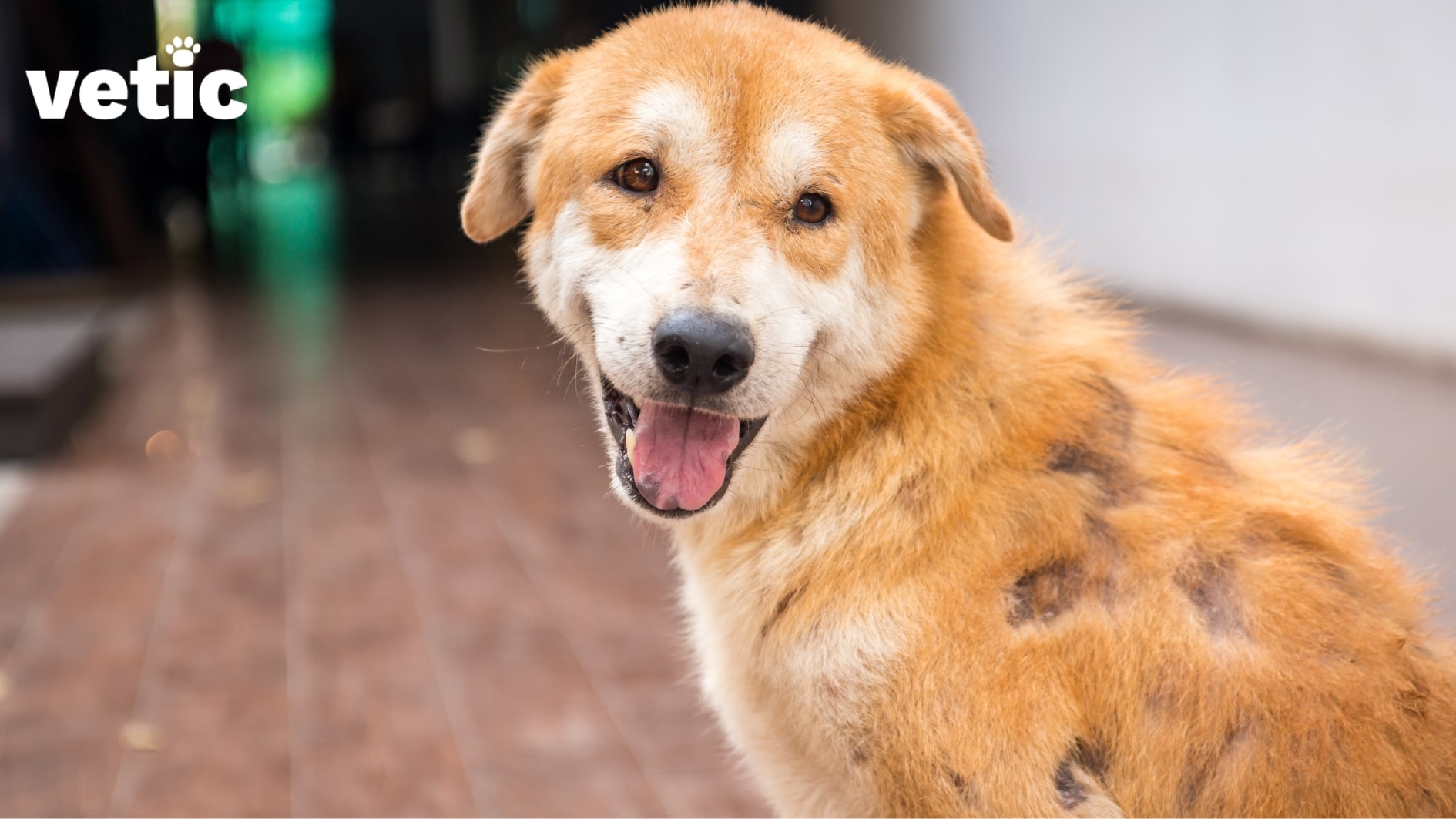
Fungal infections are common in dogs and affect their skin, ears, and sometimes their internal organs. These infections can cause discomfort and health problems if not treated. Understanding the types of fungal infections and their symptoms helps in early detection and care. Dogs with weak immune systems or those living in humid areas are more likely to get fungal infections.
Types Of Fungal Infections
Several fungal infections can affect dogs. Ringworm is a common skin infection that causes round, itchy patches. Malassezia dermatitis results from yeast overgrowth and often affects the ears and paws. Aspergillosis is a fungal infection of the nose or lungs, which is more serious. Blastomycosis and histoplasmosis are fungal infections that affect internal organs but are less common.
Symptoms To Watch For
Watch for red, itchy skin spots or hair loss in dogs. Scaly or crusty skin can also indicate fungal infection. Dogs may scratch or bite affected areas often. Smelly ears or discharge can signal yeast infections in the ears. Coughing, nasal discharge, or difficulty breathing might mean a deeper fungal infection. Early signs help in getting the right medicine quickly.
Top Antifungal Medications
Fungal infections in dogs need effective treatment to heal quickly. Choosing the right antifungal medication helps stop the infection fast. Some medicines work from inside the body, while others act directly on the skin. Understanding these options allows better care for your dog’s health.
Oral Treatments
Oral antifungal drugs enter the bloodstream to fight infection. These medicines reach deep infections under the skin or in the ears. Common options include itraconazole and fluconazole. They usually require a vet’s prescription and regular doses. Oral treatments can last several weeks depending on the infection’s severity. These drugs help clear infections that topical creams cannot reach.
Topical Solutions
Topical antifungals apply directly to the infected skin. They work well for mild or surface infections. Common products include antifungal shampoos, sprays, and creams. Ingredients like miconazole and clotrimazole kill fungus on contact. Topical solutions soothe itching and reduce redness. Regular application speeds healing and prevents spread. These treatments often complement oral medicines for faster recovery.
Natural Remedies That Help
Natural remedies can support your dog’s recovery from fungal infections. They help soothe the skin and reduce irritation. These remedies often use gentle, natural ingredients that are safe for dogs. They can work alongside prescribed medicines or be used for mild cases.
Herbal Options
Some herbs have antifungal properties that help fight infections. Tea tree oil is popular but must be used very diluted. Aloe vera gel soothes itching and speeds healing. Calendula helps reduce inflammation and supports skin repair. Coconut oil contains natural antifungal agents and moisturizes dry skin. Always test a small amount first to avoid reactions.
Home Care Tips
Keep your dog’s skin clean and dry to stop fungal growth. Use mild, dog-friendly shampoos to wash affected areas. Dry the skin well after baths or swims. Regularly clean your dog’s bedding and toys. Avoid tight collars or clothing that trap moisture. Maintain good nutrition to boost your dog’s immune system. Monitor the skin closely for any changes or worsening.

Credit: www.amazon.com
Choosing The Right Treatment
Choosing the right treatment for a dog’s fungal infection is important for quick recovery. Different infections need different medicines. Some treatments work better for certain types of fungi. The dog’s health and size also affect the choice of medicine.
Picking the right medicine helps avoid side effects and stops the infection faster. Understanding the infection type and severity guides the treatment choice. Safe and effective treatment keeps your dog comfortable and healthy.
Factors To Consider
Check the type of fungal infection your dog has. Some infections need topical creams, others need oral medicine. Severity matters. Mild infections may clear with simple treatments. Serious cases need stronger medicines or longer treatment.
Your dog’s age and health affect medicine choice. Puppies and older dogs may need gentler options. Allergies or other health issues also matter. Follow instructions carefully to avoid problems.
When To See A Vet
See a vet if the infection does not improve in a few days. If your dog scratches, bites, or seems in pain, get help. Spreading redness or swelling needs urgent care. A vet can diagnose the infection type and recommend the best treatment.
Do not guess or delay treatment. Early care stops the infection and keeps your dog safe. A vet’s advice ensures the right medicine and dose for your pet.
Preventing Future Infections
Stopping dog fungal infections from coming back is very important. Keeping your dog healthy needs care every day. Small changes in how you care for your dog can protect them from infections.
Hygiene Practices
Clean your dog’s fur regularly. Use a gentle shampoo made for dogs. Dry your dog well after baths or swims. Fungi grow fast in wet areas. Check your dog’s ears and paws often. Clean these spots carefully to avoid infections. Wash your dog’s bedding and toys often. This removes germs and keeps the area fresh.
Diet And Environment
Feed your dog a balanced diet. Good food helps your dog’s skin stay strong. Strong skin fights infections better. Keep your dog’s living area dry and clean. Avoid damp places where fungi can grow. Give your dog fresh air and sunlight. Sunlight can help stop fungal growth. Change your dog’s environment if it stays wet or dirty. This helps keep fungal infections away.
:strip_icc()/dog-yeast-infection-home-remedy-5089075-c4a877225d354e1d852c881db71a43a2.jpg)
Credit: www.thesprucepets.com
Frequently Asked Questions
What Is The Best Medicine For Dog Fungal Infection?
The best medicine for dog fungal infection is typically antifungal creams or oral medications like ketoconazole or itraconazole. These medicines target and eliminate fungal growth, promoting quick recovery. Always consult a vet for proper diagnosis and treatment options tailored to your dog’s condition.
How Long Does Fungal Infection Treatment Take In Dogs?
Treatment for dog fungal infections usually lasts 2 to 6 weeks. Duration depends on infection severity and medication type. Consistent application and vet follow-up are essential to ensure full recovery and prevent recurrence. Early diagnosis speeds up healing and reduces treatment time.
Can Natural Remedies Treat Dog Fungal Infections Effectively?
Natural remedies may help soothe symptoms but are not always effective alone. Antifungal medications remain the most reliable treatment. Consult your vet before trying natural options to ensure they complement prescribed therapies and do not harm your dog’s health.
Are Fungal Infections In Dogs Contagious To Humans?
Some dog fungal infections can be contagious to humans, especially ringworm. Proper hygiene and prompt treatment reduce transmission risk. Always wash hands after handling infected dogs and clean their environment thoroughly to protect your family.
Conclusion
Choosing the right medicine helps your dog heal faster. Treat fungal infections early to avoid serious problems. Always follow the vet’s advice for best results. Keep your dog clean and dry to stop fungi from growing. Regular check-ups catch infections before they spread.
Healthy skin means a happier, active dog. Remember, care and attention make all the difference. Your dog deserves the best treatment to feel well again. Simple steps can protect your dog’s health every day.