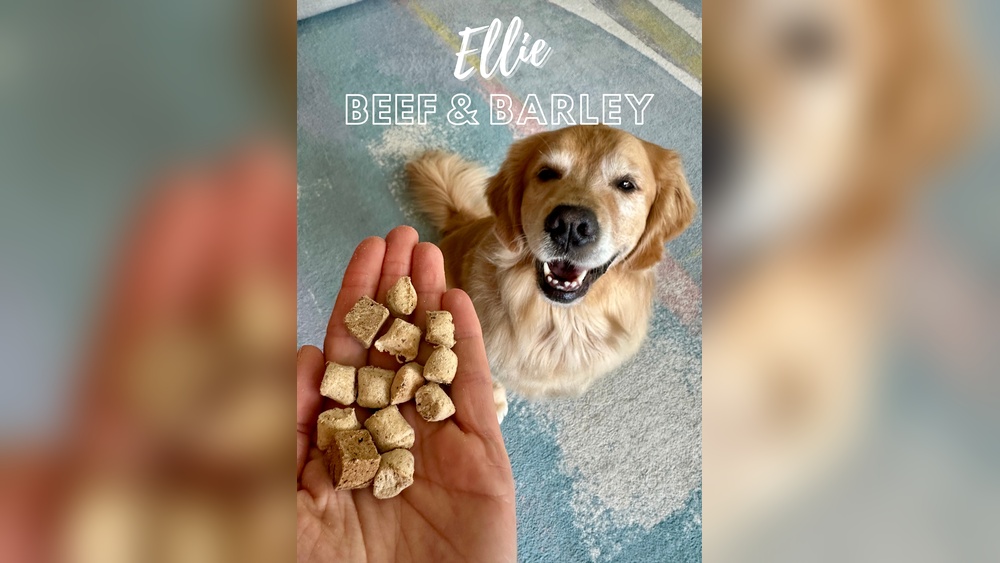
If you have a Lab or a Golden Retriever, you know how important it is to keep them healthy and happy. One of the biggest ways to do that is by feeding them the right food.
But with so many options out there, finding the best dog food for Labs and Golden Retrievers can feel overwhelming. What if you could easily discover the perfect meals that support their energy, coat, and overall well-being? You’ll get simple, clear advice to help you choose the best nutrition for your furry friend.
Keep reading to make sure your dog gets the food they truly deserve.
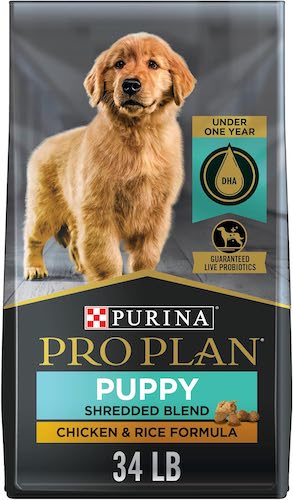
Credit: www.rover.com
Nutritional Needs Of Labs And Goldens
Labradors and Golden Retrievers are active, friendly dogs. Their food must support strong muscles and healthy bodies. Good nutrition helps them stay energetic and happy. Labs and Goldens need balanced diets to maintain their health.
Protein Requirements
Protein builds muscles and repairs tissues. Labs and Goldens need high-quality protein sources. Chicken, beef, and fish provide essential amino acids. Protein also supports a shiny coat and strong immune system. Choose dog food with at least 20% protein for adults.
Essential Vitamins And Minerals
Vitamins help with energy and body functions. Minerals strengthen bones and teeth. Labs and Goldens need vitamins A, D, and E. Calcium and phosphorus are important for bone health. A balanced diet with fruits and vegetables provides these nutrients.
Fat Content And Energy Levels
Fat is a key energy source for active dogs. Labs and Goldens need moderate fat levels in food. Around 8% to 15% fat keeps their energy steady. Healthy fats like omega-3 support brain and skin health. Avoid foods with too much fat to prevent weight gain.
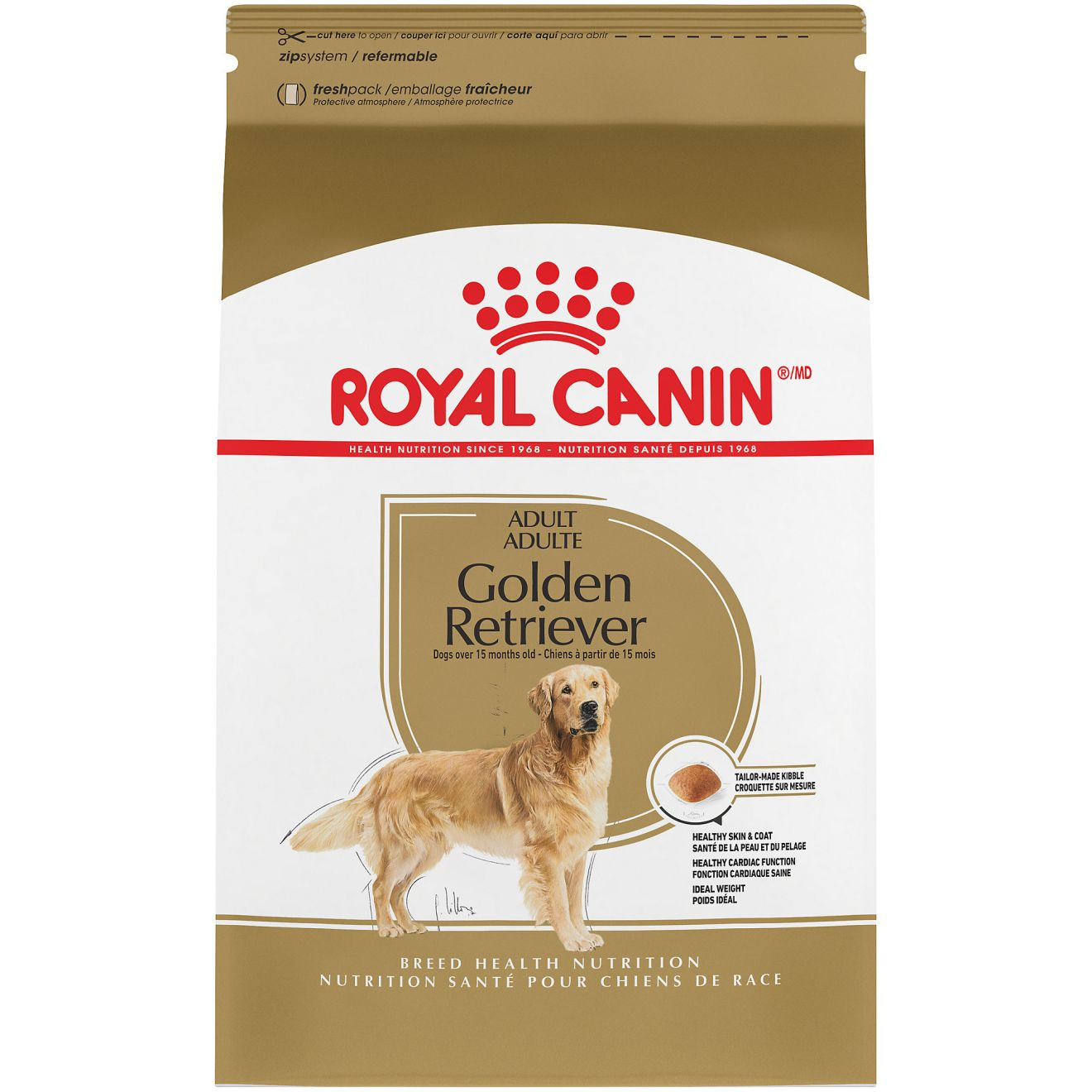
Credit: www.royalcanin.com
Key Ingredients To Look For
Choosing the right dog food for Labs and Golden Retrievers means focusing on the right ingredients. These breeds need food that supports their energy and health. The best foods have nutrients that help keep their muscles strong and their coats shiny. Understanding key ingredients helps you pick the best meal for your dog’s needs.
High-quality Protein Sources
Protein is essential for muscle growth and repair. Look for foods with real meat like chicken, beef, or fish listed first. These proteins provide important amino acids. Avoid dog food with too many fillers or by-products. High-quality protein supports energy and keeps your dog active.
Healthy Fats And Oils
Fats give dogs energy and help absorb vitamins. Good fats like fish oil and flaxseed keep skin healthy and coat shiny. Omega-3 and Omega-6 fatty acids reduce inflammation and support the brain. Healthy fats also help maintain a healthy weight for active dogs.
Grain-free Vs. Grain-inclusive Options
Grain-free foods avoid wheat, corn, and soy, which some dogs may not digest well. Grain-inclusive foods use rice, oats, or barley as energy sources. Both types can be healthy if they use quality ingredients. Choose based on your dog’s digestion and any allergies they may have.
Top Dog Food Brands For Labs And Goldens
Choosing the right dog food brand is key for Labs and Golden Retrievers. These breeds need food that supports their energy and joint health. Quality ingredients help keep their coat shiny and their bodies strong. Trusted brands offer balanced nutrition for all life stages. This guide highlights top dog food brands that meet these needs.
Premium Dry Kibble Choices
Dry kibble is popular for its convenience and dental benefits. Brands like Blue Buffalo and Wellness offer formulas rich in protein and healthy fats. These kibbles include real meat and whole grains for steady energy. They contain added vitamins and minerals to support immune health. Labs and Goldens thrive on these nutrient-packed dry foods.
Wet Food Options
Wet food provides extra moisture, which helps keep dogs hydrated. Brands such as Merrick and Natural Balance make tasty wet foods with high-quality ingredients. These options often have fewer fillers and more real meat. Wet food can be easier to chew, especially for older dogs. It adds variety to your dog’s diet and boosts flavor.
Specialty Diets And Limited Ingredient Foods
Some Labs and Goldens need special diets due to allergies or sensitivities. Brands like Canidae and Blue Buffalo offer limited ingredient recipes. These foods use fewer ingredients to reduce the chance of reactions. Grain-free and hypoallergenic options support digestive health. Specialty diets help dogs feel better and avoid common allergens.
Homemade Vs. Commercial Dog Food
Choosing the best food for Labs and Golden Retrievers can be tricky. Owners often debate between homemade and commercial dog food. Each choice has unique benefits and drawbacks. Understanding these can help make the right decision for your dog’s health.
Pros And Cons Of Homemade Meals
Homemade meals let you control every ingredient. You know exactly what your dog eats. This can help avoid allergens and fillers found in some commercial foods. Fresh ingredients also taste better to many dogs.
Making food at home takes time and effort. It can be hard to get the right balance of nutrients. Dogs need specific vitamins and minerals for good health. Without proper knowledge, homemade meals may lack these essentials.
Cost can be higher with homemade food. Quality ingredients often mean spending more money. Storage and preparation can also be challenging for busy owners.
Balanced Nutrients In Commercial Foods
Commercial dog foods are made to meet nutritional standards. They contain vitamins, minerals, and proteins in balanced amounts. This helps support healthy growth and energy levels in Labs and Golden Retrievers.
These foods are convenient and easy to store. They save time for owners with busy schedules. Many brands offer formulas tailored to breed, age, and size.
Some commercial foods use fillers or artificial additives. Not all products have high-quality ingredients. Reading labels carefully is important to choose the best option.
Feeding Tips For Optimal Health
Feeding your Labrador or Golden Retriever the right way helps keep them healthy and happy. Good feeding habits support strong bones, shiny coats, and steady energy. Pay attention to how much and what you feed. Small changes can make a big difference in their health.
Portion Control And Meal Frequency
Give your dog measured portions each meal. Overfeeding can cause weight gain and health problems. Divide daily food into two or three meals. This helps avoid hunger and keeps energy levels steady. Use a kitchen scale or measuring cup for accuracy.
Adjusting Diet Based On Age And Activity
Puppies need more calories and nutrients for growth. Adult dogs require balanced meals to maintain weight. Older dogs benefit from fewer calories and more fiber. Active dogs burn more energy and need extra food. Less active dogs need smaller portions to prevent weight gain.
Avoiding Common Food Allergens
Some Labs and Goldens develop allergies to certain foods. Common allergens include wheat, corn, soy, and chicken. Watch for itching, redness, or digestive upset. Choose dog foods with limited ingredients or hypoallergenic formulas. Consult your vet to identify and avoid allergens.

Credit: www.goldenretrieverlife.com
Common Health Concerns And Diet
Labs and Golden Retrievers share some common health issues. Their diet plays a key role in managing these problems. Good food helps keep them healthy and active. Choosing the right dog food can prevent many health concerns. It supports their body and maintains their energy.
Weight Management
Both Labs and Goldens are prone to weight gain. Extra weight strains their heart and joints. Feeding them balanced meals helps control their weight. Look for dog food with fewer calories but rich in nutrients. Portion control and regular exercise work well with good diet.
Joint Health Support
Joint problems are common in these breeds. Hip dysplasia and arthritis may appear as they age. Dog food with glucosamine and chondroitin supports joint health. Omega-3 fatty acids reduce inflammation and ease joint pain. Healthy joints keep your dog moving happily and pain-free.
Skin And Coat Nutrition
Labs and Goldens have thick coats that need proper care. Poor diet can cause dry skin and dull fur. Foods rich in omega fatty acids improve skin health and shine. Vitamins like A and E help maintain a soft, glossy coat. Good nutrition means your dog looks healthy and feels great.
Frequently Asked Questions
What Is The Best Dog Food For Labs And Golden Retrievers?
The best dog food for Labs and Golden Retrievers is high in protein and balanced in nutrients. Look for formulas with real meat, whole grains, and essential vitamins. Avoid fillers and artificial additives to support their energy, joint health, and coat condition.
How Much Food Should Labs And Goldens Eat Daily?
Labs and Golden Retrievers typically need 2 to 3 cups of quality dog food daily. Adjust portions based on age, weight, activity level, and metabolism. Puppies and active dogs may require more calories, while less active or older dogs need fewer to maintain a healthy weight.
Are Grain-free Diets Better For Labs And Goldens?
Grain-free diets are not always better for Labs and Golden Retrievers. Some dogs may benefit from grain-free options due to allergies. However, whole grains provide essential nutrients and energy. Consult your vet before switching to grain-free to ensure balanced nutrition and avoid health risks.
What Ingredients Support Joint Health In Labs And Goldens?
Ingredients like glucosamine, chondroitin, and omega-3 fatty acids support joint health in Labs and Golden Retrievers. These nutrients help reduce inflammation and maintain cartilage. Choose dog foods or supplements that include these to promote mobility and comfort, especially in older or active dogs.
Conclusion
Choosing the right food helps Labs and Golden Retrievers stay healthy. Good nutrition supports their energy and strong muscles. Always check ingredients for quality and balance. Pay attention to your dog’s age and activity level. Feeding the best food shows your love and care.
Healthy dogs are happy dogs. Keep learning about their needs and adjust meals as they grow. Simple choices make a big difference in your dog’s life.