If your dog struggles with allergies and yeast infections, you know how tough it can be to find the right food that truly helps. Feeding your furry friend the wrong diet can make itching, redness, and discomfort worse.
But what if you could give your dog a meal that not only soothes these issues but also supports their overall health? You’ll discover the best dog food options designed specifically for dogs with allergies and yeast problems. By the end, you’ll feel confident choosing the perfect food that brings relief and happiness to your loyal companion.
Keep reading to learn how to make mealtime a healing moment for your dog.
Common Allergies In Dogs
Allergies in dogs cause discomfort and health problems. Dogs with allergies often show signs of irritation and itching. These allergic reactions can affect their skin, ears, and digestion. Knowing common allergies helps in choosing the best dog food. It also helps in managing symptoms and improving your dog’s quality of life.
Symptoms To Watch For
Itching and scratching are the most common signs. Red, inflamed skin may appear, especially on paws and face. Dogs might lick or chew their paws a lot. Hair loss can occur in affected areas. Ear infections and frequent shaking of the head are common too. Some dogs show digestive issues like vomiting or diarrhea. Watch for changes in behavior or energy levels as well.
Types Of Allergens
Food allergens include beef, chicken, dairy, and grains. Environmental allergens come from pollen, mold, dust mites, and grass. Flea saliva is a common cause of allergic reactions. Some dogs react to cleaning products or shampoos. Identifying the allergen is key to reducing exposure. A vet can help test and diagnose the specific cause.
Credit: iwaki-hasedera.or.jp
How Yeast Affects Dogs
Yeast can cause problems for dogs, especially those with allergies. It is a fungus that lives naturally on the skin and inside the ears. Normally, yeast does not cause harm. But when it grows too much, it can lead to infections. These infections cause discomfort and health issues for your dog.
Understanding how yeast affects dogs helps in choosing the best dog food. Certain foods can reduce yeast growth and improve your dog’s health.
Causes Of Yeast Overgrowth
Yeast overgrows when the skin’s balance is disturbed. Allergies often trigger this imbalance. Poor diet can also encourage yeast growth. Warm and moist environments make yeast grow faster. Dogs with weak immune systems are more at risk. Antibiotics can kill good bacteria, allowing yeast to grow. Stress and poor hygiene add to the problem.
Signs Of Yeast Infections
Yeast infections cause redness and itching on the skin. Dogs may scratch or lick their paws and ears often. A strong, musty odor may come from the infected area. Hair loss and scaly patches can appear. The ears might have a dark, crusty discharge. Infections can make your dog restless and uncomfortable. Early detection helps in quick treatment and relief.
Key Ingredients For Allergy-friendly Dog Food
Choosing the right ingredients is important for dogs with allergies and yeast issues. The food should support their health without causing reactions. Ingredients in allergy-friendly dog food help reduce itching, redness, and discomfort. They also help balance yeast growth in the skin and ears.
Understanding these key ingredients helps you pick the best dog food. It keeps your dog comfortable and healthy every day.
Hypoallergenic Proteins
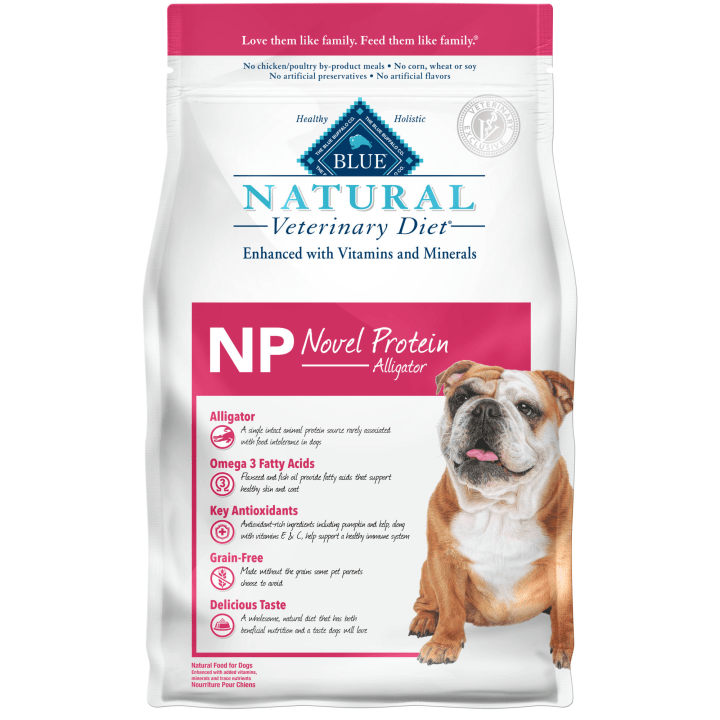
Hypoallergenic proteins come from sources less likely to cause allergies. These include duck, rabbit, or venison. They avoid common allergens like beef or chicken. Such proteins reduce the chance of skin problems and itching. They also support muscle growth and energy.
Grain-free Options
Grain-free dog food removes wheat, corn, and soy. These grains often cause allergic reactions in dogs. Grain-free meals use sweet potatoes or peas instead. These ingredients are easier to digest and less likely to cause yeast overgrowth. They help keep your dog’s skin clear and coat shiny.
Limited Ingredient Diets
Limited ingredient diets contain fewer ingredients to lower allergy risks. They focus on simple recipes with one protein and one carbohydrate. This makes it easier to spot and avoid allergens. Limited diets reduce the chance of yeast infections by controlling sugar sources. They are gentle on sensitive stomachs and skin.
Top Dog Food Brands For Allergies And Yeast
Choosing the right dog food helps manage allergies and yeast infections. Many dog owners find relief by selecting foods that avoid common allergens and support skin health. Some brands focus on natural ingredients and limited formulas. Others offer vet-approved recipes with beneficial nutrients. Here are top dog food brands known for helping dogs with allergies and yeast issues.
Premium Choices
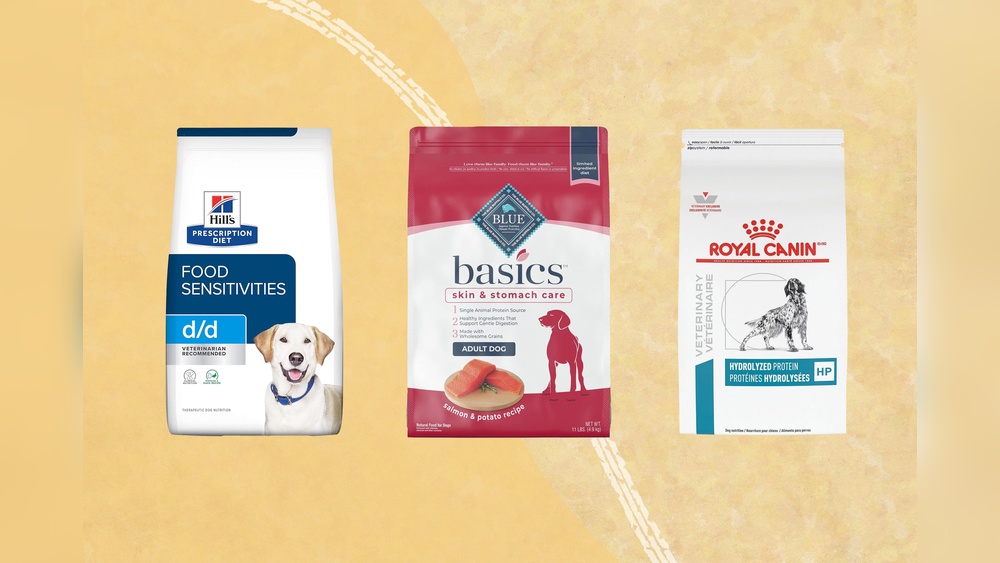
Brands in this category use high-quality ingredients. They offer limited ingredient diets to reduce allergy risks. Many include novel proteins like duck or venison. These foods avoid grains and fillers that may trigger reactions. They often contain omega fatty acids to support skin health. Examples include Blue Buffalo Basics and Wellness Simple. These products aim to soothe sensitive dogs gently.
Budget-friendly Options
Affordable dog foods can still address allergies and yeast. These brands focus on essential nutrition without extra cost. They often use simple recipes with common proteins like chicken or lamb. Look for products labeled “grain-free” or “limited ingredient.” Brands such as Natural Balance and Taste of the Wild fit this group. They balance cost and quality for budget-conscious pet owners.
Veterinarian Recommended
Some dog foods come recommended by vets for allergy management. These formulas often include special nutrients to fight yeast growth. Prescription diets like Hill’s Prescription Diet and Royal Canin offer targeted solutions. They contain controlled ingredients to reduce allergic reactions. Many vets suggest these foods for dogs with severe allergies. Always consult your vet before changing your dog’s diet.
Homemade Diets For Sensitive Dogs
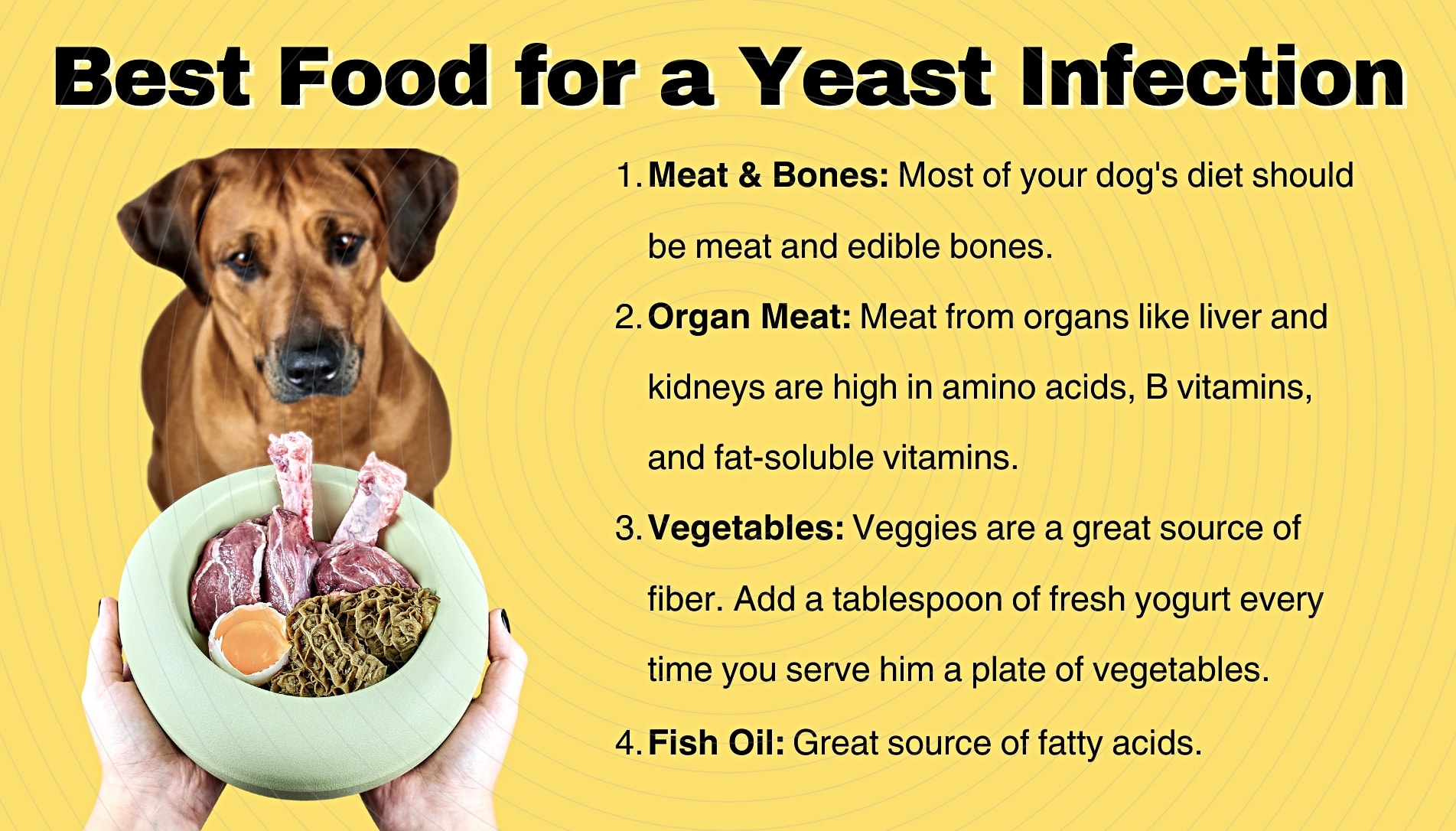
Homemade diets offer a clear advantage for dogs with allergies and yeast issues. Preparing meals at home lets you control every ingredient. This control helps avoid allergens and yeast-promoting foods. Homemade food can be fresher and simpler than commercial options. It supports sensitive dogs by reducing digestive stress and skin problems. Careful planning ensures your dog gets all needed nutrients from natural sources.
Safe Ingredient Choices
Select ingredients that rarely cause allergies. Good protein options include turkey, rabbit, or duck. These meats are less likely to trigger reactions. Use vegetables like sweet potatoes, carrots, and green beans. Avoid grains such as wheat, corn, and soy that may cause allergies. Coconut oil and fish oil add healthy fats and support skin health. Always introduce new foods slowly to watch for any reactions.
Balanced Nutritional Tips
A balanced diet meets your dog’s energy and health needs. Include proteins, fats, and carbohydrates in proper amounts. Add calcium sources like ground eggshells or bone meal for strong bones. Use a mix of fresh veggies for vitamins and minerals. Consider supplements like omega-3 fatty acids to reduce inflammation. Consult a vet or pet nutritionist to tailor the diet. Keeping meals balanced helps your dog stay healthy and active.
:strip_icc()/oneplus_sensitive-c831eb0f80914383989f1ccf8b2bd528.jpeg)
Credit: www.thesprucepets.com
Supplements To Support Allergies And Yeast
Supplements can help dogs with allergies and yeast issues feel better. They support the immune system and improve skin health. Choosing the right supplements can reduce itching and inflammation. These nutrients also balance the bacteria in the gut. A healthy gut helps control yeast growth. Below are two key supplements that aid dogs with these problems.
Probiotics And Prebiotics
Probiotics are good bacteria that live in the dog’s gut. They keep harmful bacteria and yeast under control. Prebiotics feed these good bacteria and help them grow. Together, they improve digestion and immune response. Probiotics reduce allergy symptoms by calming inflammation. They also support skin healing and reduce itching. Adding probiotics and prebiotics to your dog’s diet can ease allergy and yeast troubles.
Omega Fatty Acids
Omega fatty acids come from fish oil and flaxseed. These fats lower inflammation and improve skin health. Dogs with allergies often have dry, itchy skin. Omega fatty acids help the skin stay moist and strong. They reduce redness and swelling caused by allergies. These fats also support the immune system. Regular omega fatty acid supplements can ease discomfort and support healing.
Feeding Tips To Reduce Allergic Reactions
Feeding dogs with allergies and yeast problems requires careful attention. Choosing the right food is just the start. Proper feeding habits help reduce allergic reactions and improve your dog’s health. This section explains important feeding tips to keep your dog comfortable and healthy.
Transitioning Foods Safely
Switch your dog’s food slowly over 7 to 10 days. Mix a small amount of new food with the old. Gradually increase the new food portion daily. This prevents stomach upset and allergic flare-ups. Sudden changes can cause diarrhea or vomiting. Patience makes the change easier for your dog.
Monitoring Your Dog’s Response
Watch for signs of allergies after changing food. Look for itching, redness, or swelling on the skin. Check for digestive issues like vomiting or diarrhea. Keep a daily journal of your dog’s behavior and symptoms. Early detection helps manage allergies better. Consult your vet if symptoms worsen or last long.
Credit: pethelpful.com
Frequently Asked Questions
What Ingredients Should I Avoid In Dog Food For Allergies?
Avoid common allergens like wheat, soy, corn, and dairy. Also, stay clear of artificial additives and preservatives. Opt for limited ingredient diets to reduce allergic reactions and support skin health.
How Does Yeast Affect Dogs With Allergies?
Yeast overgrowth can worsen allergic symptoms and cause itching. Dogs with allergies are prone to yeast infections, which require special diets to control yeast growth and improve comfort.
Which Protein Sources Are Best For Allergic Dogs?
Novel proteins like duck, venison, or salmon are ideal. They reduce the risk of allergic reactions and support healthy skin and coat. Rotate proteins to prevent developing new allergies.
Can Grain-free Dog Food Help Allergic Dogs With Yeast?
Yes, grain-free diets can reduce yeast flare-ups. Grains may feed yeast, so avoiding them limits yeast growth. Choose grain-free recipes rich in antioxidants for better immune support.
Conclusion
Choosing the right dog food helps ease allergies and yeast problems. It supports your dog’s health and comfort daily. Foods with limited ingredients reduce risks of reactions. Natural, gentle ingredients keep your pet happy. Always check labels for allergens and yeast triggers.
Consistency in feeding routines also aids recovery. Consult your vet for personalized advice. Your dog’s well-being improves with careful food choices. Small changes make a big difference in health. Keep your furry friend active and comfortable.