
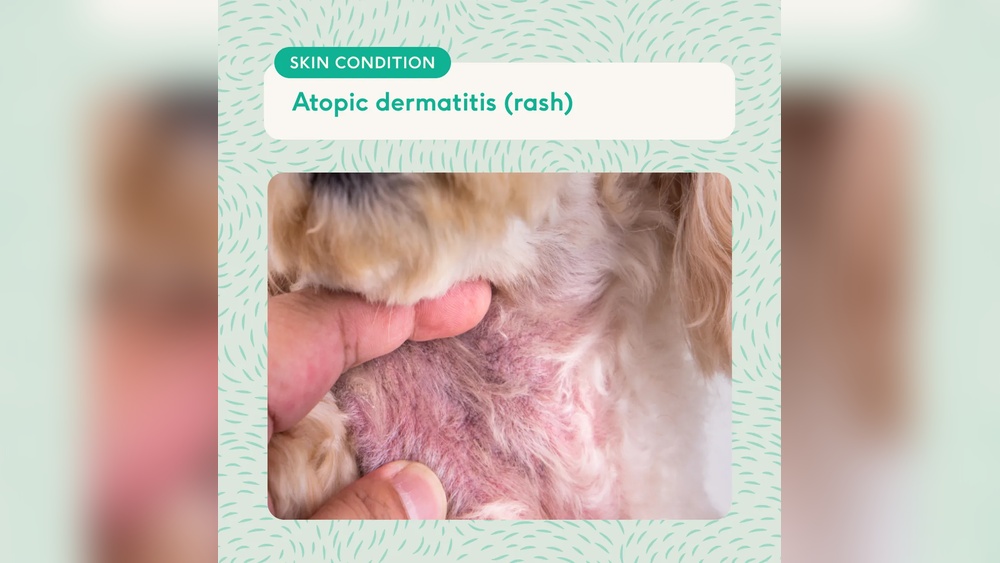
Is your dog scratching more than usual or losing patches of fur? It can be painful to watch your furry friend struggle with skin allergies and hair loss.
You want to help, but finding the right dog food feels overwhelming. What if the right diet could ease your dog’s discomfort and restore their shiny coat? You’ll discover the best dog food options designed specifically to fight skin allergies and hair loss.
Keep reading to learn how you can improve your dog’s health and bring back their happy, vibrant self.

Credit: simplynakedpetfood.com
Causes Of Skin Allergies And Hair Loss In Dogs
Skin allergies and hair loss in dogs can cause discomfort and distress. These issues often result from several causes that affect your dog’s health and happiness. Understanding these causes helps manage and prevent further problems. The skin is a sensitive organ that reacts to many factors.
Common Allergens Affecting Dogs
Dogs can react to many allergens found in their environment. Pollen, dust mites, and mold are typical triggers. Certain foods, like beef, chicken, or dairy, may also cause allergies. Flea bites often lead to severe skin irritation. These allergens cause itching, redness, and hair loss.
Role Of Nutrition In Skin Health
Nutrition plays a vital role in maintaining healthy skin and coat. Poor diet can weaken the skin’s barrier, leading to dryness and irritation. Essential fatty acids, vitamins, and minerals support skin repair and hair growth. Feeding your dog balanced food improves skin condition and reduces hair loss. Avoid foods with artificial additives that may worsen allergies.
Genetic And Environmental Factors
Some dogs inherit a tendency for skin allergies and hair loss. Certain breeds are more prone to these problems. Environmental factors like humidity, temperature, and pollution also affect skin health. Stress and poor grooming habits can worsen symptoms. Understanding these factors helps in choosing the best care and food for your dog’s skin.
Key Nutrients For Healing Skin And Fur
Healthy skin and fur need the right nutrients. Dogs with skin allergies and hair loss need special care. Their diet plays a big role in healing and regrowth. Certain nutrients help reduce itching, inflammation, and hair thinning. Feeding the best dog food with these nutrients supports skin repair and hair strength.
Focus on key nutrients that nourish the skin and fur deeply. These include fatty acids, vitamins, minerals, and quality proteins. Each nutrient works to soothe skin, fight damage, and boost new hair growth. Understanding these helps pick the best food for your dog’s needs.
Omega Fatty Acids Benefits
Omega-3 and omega-6 fatty acids keep skin soft and hydrated. They reduce inflammation that causes redness and itching. These fats support the skin’s barrier against allergens. Omega fatty acids also promote shiny, strong fur. Fish oil and flaxseed oil are rich sources of these healthy fats.
Vitamins And Minerals For Skin Repair
Vitamin E protects skin cells from damage and helps healing. Vitamin A promotes new skin growth and repair. Zinc supports immune health and reduces skin infections. Biotin strengthens hair and improves its texture. Including these vitamins and minerals in dog food aids quick recovery.
Protein Sources That Promote Hair Growth
Proteins provide amino acids needed for fur growth. High-quality proteins like chicken, lamb, and fish support healthy hair follicles. They help replace lost hair and build strong fur strands. Avoid low-quality fillers that lack essential amino acids. Good protein fuels skin and hair healing.
Top Dog Food Ingredients To Look For
Choosing the right ingredients in dog food plays a big role in managing skin allergies and hair loss. The right food supports skin health and strengthens fur. Some ingredients help reduce irritation and improve coat shine. Knowing which ingredients to pick is key for your dog’s comfort and health.
Hypoallergenic Protein Options
Proteins can trigger allergies in some dogs. Hypoallergenic proteins cause fewer reactions. Common options include duck, venison, and rabbit. These proteins are less common in dog food. They help dogs with sensitive skin avoid flare-ups. Hydrolyzed proteins break down into tiny pieces. This makes them less likely to cause allergies. Choose dog food with one of these proteins for sensitive dogs.
Grain-free Vs. Limited Ingredient Diets
Grains can irritate some dogs’ skin. Grain-free diets remove wheat, corn, and soy. This helps reduce allergic reactions. Limited ingredient diets have fewer ingredients overall. They focus on simple recipes to avoid allergens. Both types aim to reduce skin problems. Pick a diet that fits your dog’s needs. Watch for balanced nutrition in either choice.
Natural Additives And Supplements
Natural additives can improve skin and coat health. Omega-3 and omega-6 fatty acids reduce inflammation. These come from fish oil or flaxseed. Vitamins E and A support skin repair. Probiotics help balance gut health, boosting immunity. Antioxidants protect cells from damage. Look for dog food with these natural supplements. They help soothe allergies and encourage healthy hair growth.

Credit: healthyandhappydog.com
Best Dog Food Brands For Skin Allergies
Choosing the right food helps dogs with skin allergies feel better. Good dog food soothes irritated skin and reduces hair loss. Some brands focus on special ingredients to ease allergic reactions. Here are top dog food brands that support skin health and hair growth.
Premium Prescription Diets
Prescription diets are made by vets for dogs with allergies. These foods use limited ingredients to avoid triggers. They include hydrolyzed proteins that are easy to digest. Brands like Hill’s Prescription Diet and Royal Canin offer these options. These diets often need a vet’s approval before use.
Popular Over-the-counter Choices
Many over-the-counter brands help with skin allergies. They use natural ingredients like fish oil and oatmeal. These ingredients calm inflammation and boost skin health. Brands such as Blue Buffalo and Wellness have formulas for sensitive skin. These foods are easy to find at stores or online.
Budget-friendly Options With Quality Ingredients
Affordable dog foods can still support skin and coat health. Look for products with real meat and added omega fatty acids. Kirkland Signature and Nutro offer good quality at lower prices. These options help dogs with allergies without high costs. Always check ingredient lists for allergens.
Homemade Diets And Recipes For Sensitive Skin
Homemade diets offer a gentle way to support dogs with skin allergies and hair loss. They allow control over every ingredient, reducing risks of reactions. Preparing food at home can improve your dog’s skin and coat health naturally.
Choosing the right foods and balancing nutrients is key. Simple recipes with safe, wholesome ingredients can soothe sensitive skin and promote hair regrowth. Careful preparation helps keep meals fresh and nutritious for your furry friend.
Safe Ingredients For Allergic Dogs
Select ingredients that rarely cause allergies. Options like cooked sweet potatoes, pumpkin, and green beans work well. Lean meats such as turkey, rabbit, or salmon provide protein without common allergens. Avoid grains like wheat and corn, which often trigger reactions. Use coconut oil or fish oil to add healthy fats that support skin health.
Balancing Nutrients At Home
A balanced diet includes protein, fats, and carbohydrates in the right amounts. Add vitamins and minerals through vegetables and supplements. Calcium is important for bone health, often added as crushed eggshells or a supplement. Consult your vet for advice on safe supplements and portion sizes. Avoid overfeeding to prevent weight gain, which can worsen skin problems.
Tips For Preparing Skin-soothing Meals
Cook ingredients thoroughly to ease digestion. Avoid spices and artificial additives. Prepare fresh meals daily or freeze portions to keep food fresh. Introduce new foods slowly to monitor reactions. Use gentle cooking methods like steaming or boiling. Keep your kitchen clean to prevent contamination. Regularly check your dog’s skin and coat for changes.
)
Credit: lyka.com.au
Tips For Managing Skin Allergies Alongside Diet
Managing skin allergies in dogs involves more than just the right diet. Proper care and attention to other factors can ease discomfort and improve skin health. Combining diet with simple habits helps protect your dog’s skin and fur.
Regular Grooming Practices
Brush your dog’s coat often to remove dirt and dead hair. Bathing with gentle, allergy-friendly shampoos soothes irritated skin. Avoid harsh soaps that can dry out the skin. Check for any signs of redness or bumps during grooming. Keep nails trimmed to prevent scratching injuries. Clean ears regularly to avoid infections that worsen allergies.
Environmental Controls
Keep your home free of dust and pollen that trigger allergies. Wash your dog’s bedding weekly in hot water. Use air purifiers to reduce airborne allergens. Avoid walking your dog in tall grass or dusty areas. Change clothes after outdoor walks to prevent spreading allergens inside. Regular vacuuming helps remove pet dander and dust mites.
When To Consult A Veterinarian
Contact a vet if allergies cause severe itching or hair loss. Persistent skin infections need professional treatment. Your vet can recommend allergy tests to find triggers. Prescription medications may be necessary to control symptoms. Follow the vet’s advice on diet and care for best results. Early treatment prevents worsening of skin problems.
Frequently Asked Questions
What Ingredients Help With Dog Skin Allergies?
Ingredients like omega-3 fatty acids, salmon, and sweet potatoes reduce inflammation. They improve skin health and reduce allergic reactions. Avoid common allergens like wheat, soy, and corn for better results.
How Does Dog Food Affect Hair Loss?
Nutrient-rich dog food supports healthy skin and hair growth. Deficiencies in protein, vitamins, or fatty acids can cause hair loss. Feeding balanced food with essential nutrients helps reduce shedding and promotes a shiny coat.
Can Hypoallergenic Dog Food Prevent Skin Allergies?
Yes, hypoallergenic dog food contains limited ingredients to minimize allergic reactions. It avoids common allergens and uses novel proteins. This type of food is ideal for sensitive dogs prone to skin issues.
How Long To See Results From Allergy Dog Food?
Visible improvements usually appear within 4 to 6 weeks. Consistent feeding of allergy-friendly food reduces itching, redness, and hair loss. Patience is key as skin healing takes time.
Conclusion
Choosing the right dog food helps ease skin allergies and hair loss. Foods rich in omega-3, vitamins, and proteins support healthy skin and fur. Avoid ingredients that trigger allergies. Consistent feeding of suitable food improves your dog’s comfort and appearance.
Watch your pet’s reaction to new diets closely. Good nutrition makes a big difference in your dog’s life. Healthy skin and shiny fur show your care and attention. Keep your dog happy with the best food for their needs.


