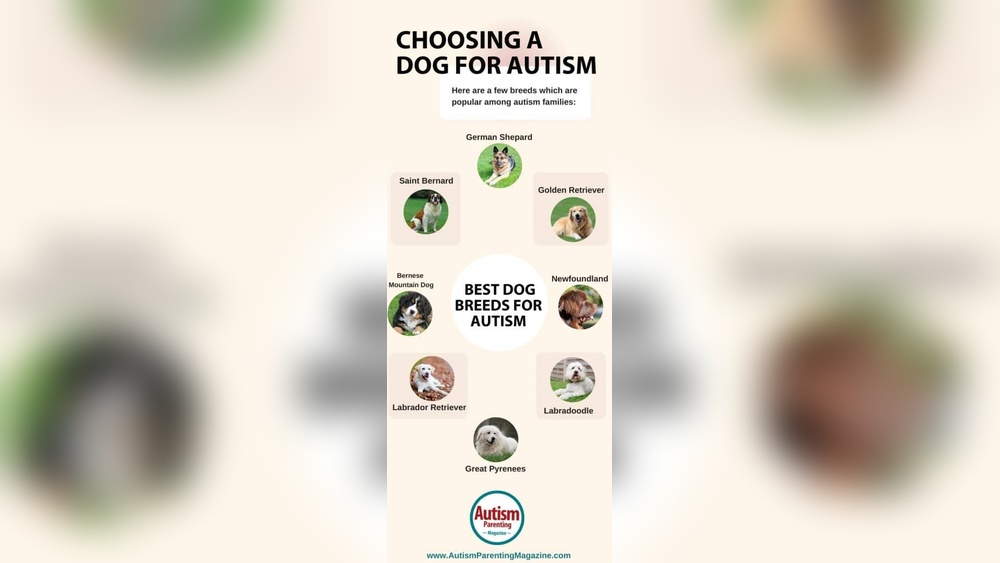
If you have a child with autism, you know how important it is to find ways to support their happiness and comfort. Choosing the right dog breed can make a big difference in your child’s daily life.
The best dogs can offer companionship, calmness, and even help improve social skills. But with so many breeds out there, how do you know which one fits your family’s unique needs? Keep reading to discover the top dog breeds that are gentle, patient, and perfect for kids with autism.
Your next furry friend could be just what your family needs.
Benefits Of Dogs For Kids With Autism
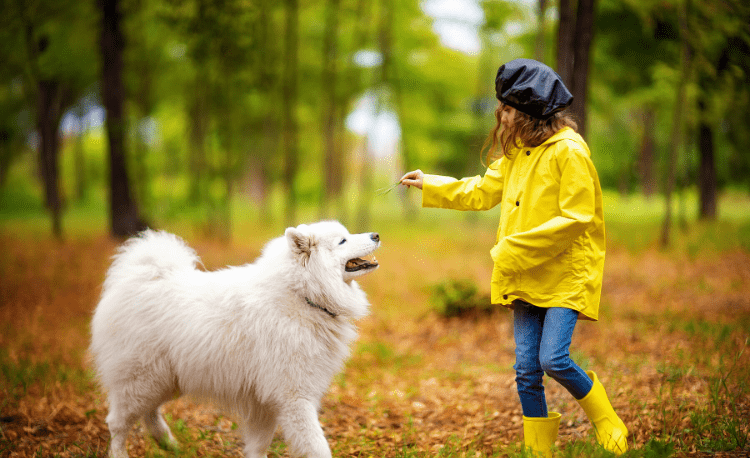
Dogs offer many benefits for kids with autism. They provide comfort, help build social skills, and encourage daily routines. These positive effects improve a child’s life in simple, meaningful ways. Dogs become loyal friends who understand and support children with special needs.
Emotional Support And Comfort
Dogs give constant emotional support. Their presence helps reduce stress and anxiety. Kids feel calmer when a dog is nearby. Soft petting and gentle play can soothe strong emotions. Dogs show unconditional love, which helps children feel safe and accepted.
Improving Social Skills
Dogs help kids practice talking and interacting. Children learn to communicate by giving commands and expressing feelings. Dogs encourage eye contact and listening skills. Playing with a dog can make social situations easier. This interaction builds confidence and trust with others.
Encouraging Routine And Responsibility
Dogs need daily care like feeding and walking. This creates a clear routine for children to follow. Kids learn responsibility by helping with pet care tasks. A steady schedule can reduce anxiety and improve focus. Caring for a dog teaches valuable life skills early.
Credit: www.angelsense.com
Traits To Look For In A Dog
Choosing the right dog for a child with autism involves more than just picking a cute pet. Certain traits in a dog help create a safe and loving bond. These traits support the child’s needs and make daily life easier. Understanding these qualities guides you to the best companion for your family.
Temperament And Patience
A calm and gentle temperament is key for dogs around kids with autism. They must stay relaxed during loud noises or sudden movements. Patience helps dogs handle repetitive behaviors without stress. Friendly dogs that enjoy quiet moments build strong, trusting bonds.
Size And Energy Levels
The dog’s size affects safety and comfort. Small to medium dogs often work best for kids. Energy levels should match the child’s lifestyle. Low to moderate energy dogs avoid overwhelming the child. Balanced energy helps with playtime and calm moments alike.
Trainability And Intelligence
Smart dogs learn commands and routines quickly. This skill supports consistent care and safety. Easy-to-train dogs adapt well to the child’s needs. Intelligence helps dogs respond to signals and provide comfort. Reliable training builds a positive and secure relationship.
Top Dog Breeds For Kids With Autism
Choosing the right dog breed can make a big difference for kids with autism. The right dog offers comfort, companionship, and helps build social skills. Some breeds have traits that suit children with special needs better. These dogs are gentle, patient, and easy to train.
Here are some of the best dog breeds for kids with autism. Each breed has unique qualities that support emotional growth and calmness.
Golden Retriever
Golden Retrievers are friendly and patient. They love attention and enjoy being around kids. Their calm nature helps reduce anxiety. They are easy to train and very loyal.
Labrador Retriever
Labradors are gentle and protective. They have a strong bond with children. Labs are playful but well-mannered. They respond well to training and are very social.
Cavalier King Charles Spaniel
This small dog is affectionate and gentle. They are great lap dogs and enjoy cuddling. Their calm behavior helps children feel safe and relaxed.
Poodle
Poodles are smart and hypoallergenic. They adapt easily to new environments. Their intelligence makes training simple. Poodles are also very friendly and loving.
Beagle
Beagles are curious and energetic. They enjoy playtime and outdoor activities. Their friendly nature helps children feel more confident. Beagles are also good at sensing emotions.
Collie
Collies are gentle and protective. They have a strong desire to please. Collies are easy to train and very loyal. Their calm presence comforts children.
Boxer
Boxers are playful and energetic. They are very patient with children. Their strong bond creates a sense of security. Boxers are loving and protective pets.

Credit: www.countryliving.com
Training Tips For Autism-friendly Dogs
Training dogs to support children with autism needs special care. Dogs must learn to stay calm and gentle. They also need to understand simple commands well. Training makes sure dogs can help and protect kids safely.
These tips help train dogs that are friendly and patient with children on the autism spectrum. The goal is to build trust between the dog and the child. Training also helps the dog stay relaxed in busy or loud places.
Positive Reinforcement Methods
Use treats and praise to reward good behavior. This helps dogs learn faster and feel happy. Avoid punishment, as it can make dogs scared or confused. Rewarding small steps encourages dogs to keep trying. Positive reinforcement builds a strong bond with the dog.
Consistency And Routine
Train dogs at the same time every day. Use the same words for commands to avoid confusion. Routine helps dogs feel safe and know what to expect. Consistent training speeds up learning and builds confidence. Keep training sessions short but regular.
Socialization Techniques
Introduce dogs to different people and places slowly. This helps dogs stay calm around new sounds and sights. Controlled socialization teaches dogs to be friendly and relaxed. Practice meeting children gently and calmly. Socialized dogs are better at handling busy environments.
Creating A Safe Environment
Creating a safe environment is essential for children with autism and their dogs. A calm and secure space helps build trust and comfort. It reduces stress for both the child and the dog. Safety also means preventing accidents and misunderstandings. This section covers key points to create a safe home with the right dog breed.
Managing Sensory Sensitivities
Children with autism often have strong sensory reactions. Loud noises, bright lights, or sudden movements may cause distress. Choose a dog breed known for a gentle and calm nature. Soft fur and quiet behavior help avoid overwhelming the child’s senses. Introduce the dog slowly and watch for any signs of discomfort. Use calm voices and gentle touches to ease interactions.
Safe Spaces For Both Child And Dog
Both child and dog need their own safe spots. Create a quiet corner for the child to relax without interruptions. Provide a cozy bed or crate where the dog can rest peacefully. These spaces help them feel secure and reduce stress. Respect these areas and teach the child to do the same. A peaceful environment supports a healthy bond between them.
Supervision And Boundaries
Always supervise interactions between the child and dog. Set clear rules about how to touch and play with the dog. Teach the child to understand the dog’s signals and body language. Boundaries protect both from accidental harm or fear. Consistent supervision helps prevent unwanted behavior and builds trust. Safety comes first in every interaction.
Alternatives To Traditional Pets
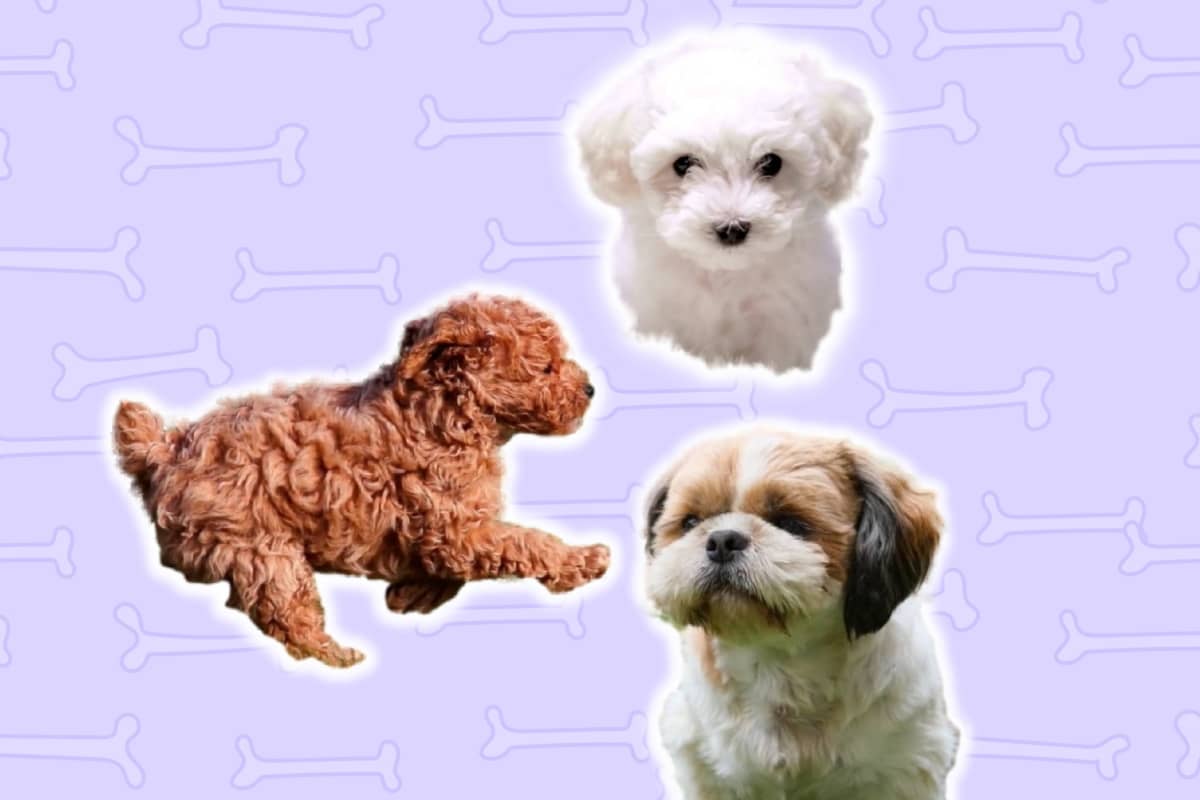
Not all families can have traditional pets like dogs or cats. Some homes have space or allergy limits. Others need animals that offer special help or comfort. Alternatives to traditional pets can still bring joy and support to children with autism. These options often fit better with a family’s lifestyle and needs.
Therapy And Service Dogs
Therapy and service dogs are trained to help children with autism. They offer calm and steady companionship. These dogs can reduce anxiety and improve social skills. Many therapy dogs visit schools and clinics to support kids. Service dogs assist with specific tasks like guiding or sensing stress. They provide safety and emotional support every day.
Small Companion Animals
Small pets like guinea pigs, rabbits, or fish can be great friends. They need less space and care than big pets. These animals offer comfort through gentle touch and quiet presence. Kids can learn responsibility by feeding and caring for them. Small companions help improve focus and reduce loneliness in children.
Community Support Programs
Community programs offer access to animals without owning one. Many centers have pet therapy sessions for children with autism. These programs create safe spaces to interact with different animals. They teach social skills and build confidence. Families can enjoy animal benefits without full-time care duties.
Credit: www.scala-santa.com
Frequently Asked Questions
What Dog Breeds Are Best For Kids With Autism?
Labradors, Golden Retrievers, and Poodles are top picks. They are gentle, patient, and easy to train. These breeds provide emotional support and comfort to children with autism.
How Do Dogs Help Kids With Autism?
Dogs improve social skills, reduce anxiety, and offer companionship. Their presence encourages communication and builds trust. Therapy dogs can also support sensory needs and emotional regulation.
Are Small Or Large Dogs Better For Autistic Children?
Both can work, but temperament matters more than size. Calm, friendly, and patient dogs suit autistic kids best. Families should consider the child’s preferences and lifestyle before choosing.
Can Therapy Dogs Benefit Autistic Children?
Yes, therapy dogs provide emotional support and improve social interaction. They help reduce stress and increase focus. Many autistic children respond well to trained therapy dogs.
Conclusion
Choosing the right dog breed can bring joy and comfort to kids with autism. Gentle and patient dogs often help children feel calm and loved. Dogs also encourage social skills and daily routines. Families find that these pets create a strong bond and support system.
Remember, every child and dog is unique. Take time to find a match that fits well. A loving dog can become a true friend and helper. This connection makes life happier for both kids and parents.