
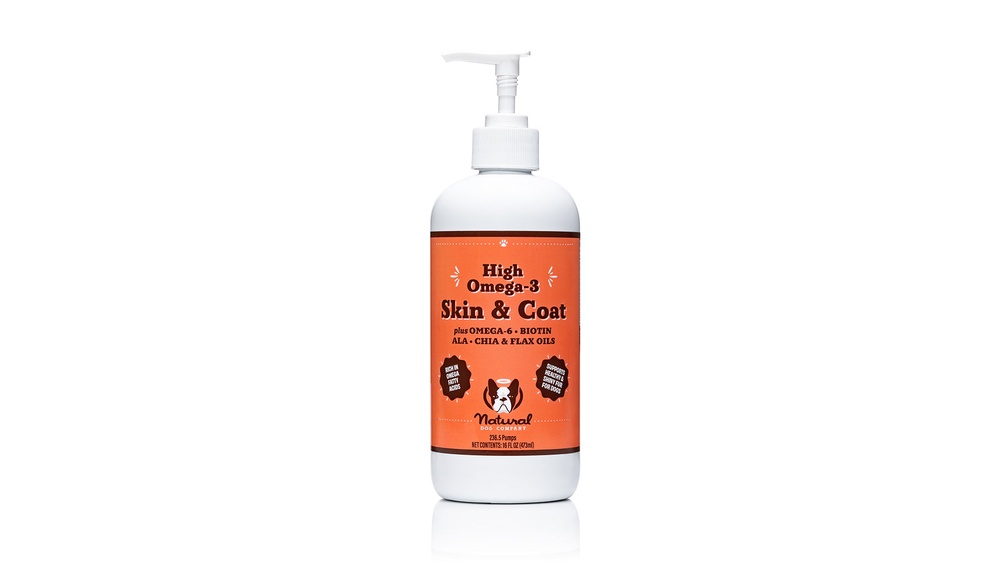
If you want your dog to have a shiny, healthy coat and soft, itch-free skin, choosing the right oil can make all the difference. You might have tried many products, but the best oil for your dog’s skin and coat is one that truly nourishes from the inside out.
Imagine your furry friend feeling comfortable, looking vibrant, and getting compliments everywhere you go. You’ll discover which oils work wonders, how to use them safely, and why they are essential for your dog’s well-being. Keep reading to find out how you can give your dog the care they deserve.

Credit: lolahemp.com
Benefits Of Oils For Dogs’ Skin And Coat
Oils offer many benefits for dogs’ skin and coat. They provide essential nutrients that keep the skin healthy and the coat shiny. Regular use of oils can improve a dog’s overall appearance and comfort. Oils help maintain moisture and protect against dryness.
Enhancing Shine And Softness
Oils add a natural shine to your dog’s coat. They smooth the hair, making it soft to touch. A shiny coat looks healthy and well cared for. Oils help prevent dullness and roughness in fur.
Reducing Itchiness And Irritation
Oils soothe dry, itchy skin quickly. They calm irritation caused by allergies or dryness. Regular use reduces scratching and discomfort. Oils create a protective barrier against irritants.
Supporting Skin Health
Oils nourish the skin deeply with vitamins and fatty acids. They support skin repair and prevent cracking or flaking. Healthy skin means less chance of infections. Oils keep the skin balanced and hydrated.

Credit: www.amazon.com
Top Natural Oils For Dogs
Natural oils offer great benefits for dogs’ skin and coat. They nourish and hydrate, reducing dryness and itchiness. These oils also add shine and softness, making your dog’s fur look healthy and vibrant.
Choosing the right oil depends on your dog’s needs and preferences. Here are some of the top natural oils known for their skin and coat benefits.
Coconut Oil
Coconut oil is rich in fatty acids that fight bacteria and fungi. It soothes dry, itchy skin and helps heal minor wounds. Adding coconut oil to your dog’s diet or applying it topically can improve coat softness and shine.
Fish Oil
Fish oil contains omega-3 fatty acids essential for healthy skin. It reduces inflammation and prevents flaky skin. Regular use supports a glossy coat and strengthens the immune system.
Olive Oil
Olive oil is a gentle moisturizer packed with antioxidants. It helps protect skin cells and keeps the coat smooth. Using small amounts of olive oil can enhance your dog’s fur texture and shine.
Flaxseed Oil
Flaxseed oil is a good plant-based source of omega-3. It supports skin hydration and reduces redness or irritation. This oil helps maintain a soft, shiny coat and promotes overall skin health.
Hemp Seed Oil
Hemp seed oil contains balanced omega-3 and omega-6 fatty acids. It calms inflammation and supports skin repair. This oil improves coat luster and keeps your dog’s skin supple.
How To Use Oils Safely
Using oils on your dog’s skin and coat can bring many benefits. Oils help moisturize dry skin and add shine to the coat. Using oils safely is important to keep your dog healthy and comfortable. Follow clear steps to avoid problems. Know the right amount to use and watch for any signs of irritation.
Proper Dosage Guidelines
Start with a small amount of oil. Usually, a few drops are enough for small dogs. Larger dogs may need a bit more. Avoid using too much oil at once. Overuse can cause greasy fur or skin irritation. Use oils recommended for pets only. Human oils may contain harmful ingredients. Always check the product label for dosage instructions. Consult your vet if unsure about the amount.
Application Methods
Apply oils directly to your dog’s skin or coat. Use your hands or a soft cloth. Gently massage the oil into the skin. Focus on dry or rough areas. Avoid sensitive spots like eyes, nose, and mouth. You can also add oils to your dog’s food. This helps improve coat health from inside. Mix the oil well with food for even distribution.
Potential Side Effects
Watch your dog carefully after using oils. Some dogs may develop redness or itching. Stop use immediately if irritation occurs. Oils may cause allergic reactions in some pets. Symptoms include swelling or hives. If your dog licks too much oil, it could cause stomach upset. Use oils in small amounts to reduce risks. Contact your vet if side effects persist or worsen.

Credit: www.amazon.com
Signs Of Healthy Skin And Coat
Healthy skin and coat are key signs of a happy dog. These signs show your dog is well-nourished and cared for. Watching for these can help catch problems early. Healthy skin and coat also mean your dog feels comfortable and strong.
Shiny And Smooth Fur
A shiny and smooth coat shows good health. It means the fur is well-moisturized and clean. Dull or rough fur may signal a lack of nutrients or skin issues. Regular oil supplements can help maintain this shine and softness.
Reduced Flaking And Redness
Less flaking means less dry skin. Redness often shows irritation or infection. Healthy skin should be clear and free from sores. Oils rich in omega fatty acids can soothe and calm the skin.
Improved Coat Thickness
Thicker fur protects your dog from weather and insects. Thin or patchy fur suggests health problems or stress. A strong coat grows evenly and feels full. Proper oils support hair growth and strengthen follicles.
Homemade Oil Remedies For Dogs
Homemade oil remedies can help improve your dog’s skin and coat naturally. Many oils provide essential nutrients that soothe dry skin and add shine to fur. Using homemade blends lets you control the ingredients and avoid unwanted chemicals.
Simple oils like coconut, olive, and fish oil are safe and effective. Applying these oils carefully supports healthy skin and reduces itching. Mixing oils with your dog’s diet can boost benefits from inside out.
Diy Oil Blends
Create your own oil blends using natural ingredients. Combine equal parts of coconut oil and olive oil for a moisturizing mix. Add a few drops of fish oil for extra omega-3 fatty acids. Stir well and apply a small amount to your dog’s coat. Massage gently to help absorption. Test on a small area first to check for allergies.
Combining Oils With Diet
Oils can be added to your dog’s meals for better skin health. Use a teaspoon of fish oil or flaxseed oil mixed into their food. These oils provide fatty acids that reduce inflammation and support coat shine. Keep the amount small to avoid stomach upset. Consistent use promotes long-term skin improvements.
Storage Tips
Store homemade oil blends in a cool, dark place. Use airtight containers to keep oils fresh longer. Avoid heat and sunlight, as they can spoil the oils. Refrigerate fish oil to prevent it from going rancid. Label containers with the date made to track freshness. Proper storage ensures maximum benefits for your dog.
When To Consult A Veterinarian
Knowing when to consult a veterinarian is crucial for your dog’s skin and coat health. Some issues need professional care to avoid serious problems. Quick action can keep your dog comfortable and healthy.
Persistent Skin Issues
Skin problems that last more than two weeks need a vet’s attention. Continuous itching, redness, or hair loss can signal infections or other conditions. Treating these early prevents worsening symptoms and discomfort.
Allergic Reactions
Signs like swelling, hives, or sudden itching might be allergies. Allergies can come from food, environment, or new oils used. A vet can identify the cause and suggest safe treatments to ease symptoms.
Underlying Health Concerns
Sometimes skin problems show hidden health issues. Hormone imbalances, infections, or autoimmune diseases affect skin and coat quality. A vet can diagnose these conditions and provide proper care to improve your dog’s health.
Frequently Asked Questions
What Is The Best Oil For Dogs’ Skin And Coat?
The best oil for dogs’ skin and coat is fish oil. It is rich in omega-3 fatty acids that reduce inflammation and improve fur shine. Coconut oil is also beneficial for moisturizing dry skin and promoting a healthy coat.
How Does Fish Oil Benefit A Dog’s Skin?
Fish oil provides omega-3 fatty acids that reduce itching and inflammation. It enhances skin hydration and promotes a shiny, healthy coat. Regular supplementation supports overall skin health and can help manage allergies in dogs.
Can Coconut Oil Improve My Dog’s Coat Quality?
Yes, coconut oil moisturizes dry skin and adds shine to the coat. It contains lauric acid, which has antibacterial properties. Applying or feeding small amounts can improve coat softness and reduce skin irritation.
How Much Oil Should I Give My Dog Daily?
The recommended amount varies by dog size. Generally, 1 teaspoon per 10 pounds of body weight is safe. Start with small doses to avoid digestive upset and consult your vet for personalized advice.
Conclusion
Choosing the right oil helps keep your dog’s skin soft and healthy. Natural oils like fish oil, coconut oil, and olive oil provide essential nutrients. These oils support a shiny coat and reduce dryness or itching. Regular use improves your dog’s comfort and appearance.
Always start with small amounts and watch for any reactions. A healthy coat means a happy pet. Simple care makes a big difference. Give your dog the best with the right oil.


