

Have you ever noticed your dog drooling more than usual when you’re driving? It can be puzzling and a little worrying.
You might wonder if something is wrong or if it’s just a normal reaction. Understanding why your dog drools in the car can help you keep them calm and comfortable on every trip. You’ll discover the surprising reasons behind this common behavior and simple tips to make car rides easier for your furry friend.
Keep reading—you and your dog deserve stress-free travels!
Common Reasons For Drooling In Cars
Dogs drool in cars for many reasons. Understanding these causes helps keep your pet comfortable. Drooling is a natural response to different feelings and conditions during car rides. Some dogs drool more than others. Knowing why can reduce stress for both of you.
Motion Sickness
Motion sickness is a common cause of drooling in dogs. The movement of the car can upset their stomach. This discomfort often leads to excess saliva. Puppies and older dogs may feel it more strongly. Watching for signs can help you act early.
Anxiety And Stress
Car rides can cause anxiety in some dogs. New places and sounds can be scary. Stress triggers the body to produce more saliva. Shaking, panting, and drooling often go together. Comforting your dog helps reduce these symptoms.
Heat And Overheating
Cars can get hot quickly, even with windows open. Dogs cool down by drooling and panting. Overheating is dangerous and increases saliva production. Always check the temperature inside the car. Keep your dog cool and safe on every trip.
Excitement And Anticipation
Some dogs drool because they feel happy or excited. They may associate car rides with fun places. This positive feeling causes more saliva to form. Wagging tails and bright eyes often accompany drooling. Excitement is a good reason, but still watch your dog’s comfort.
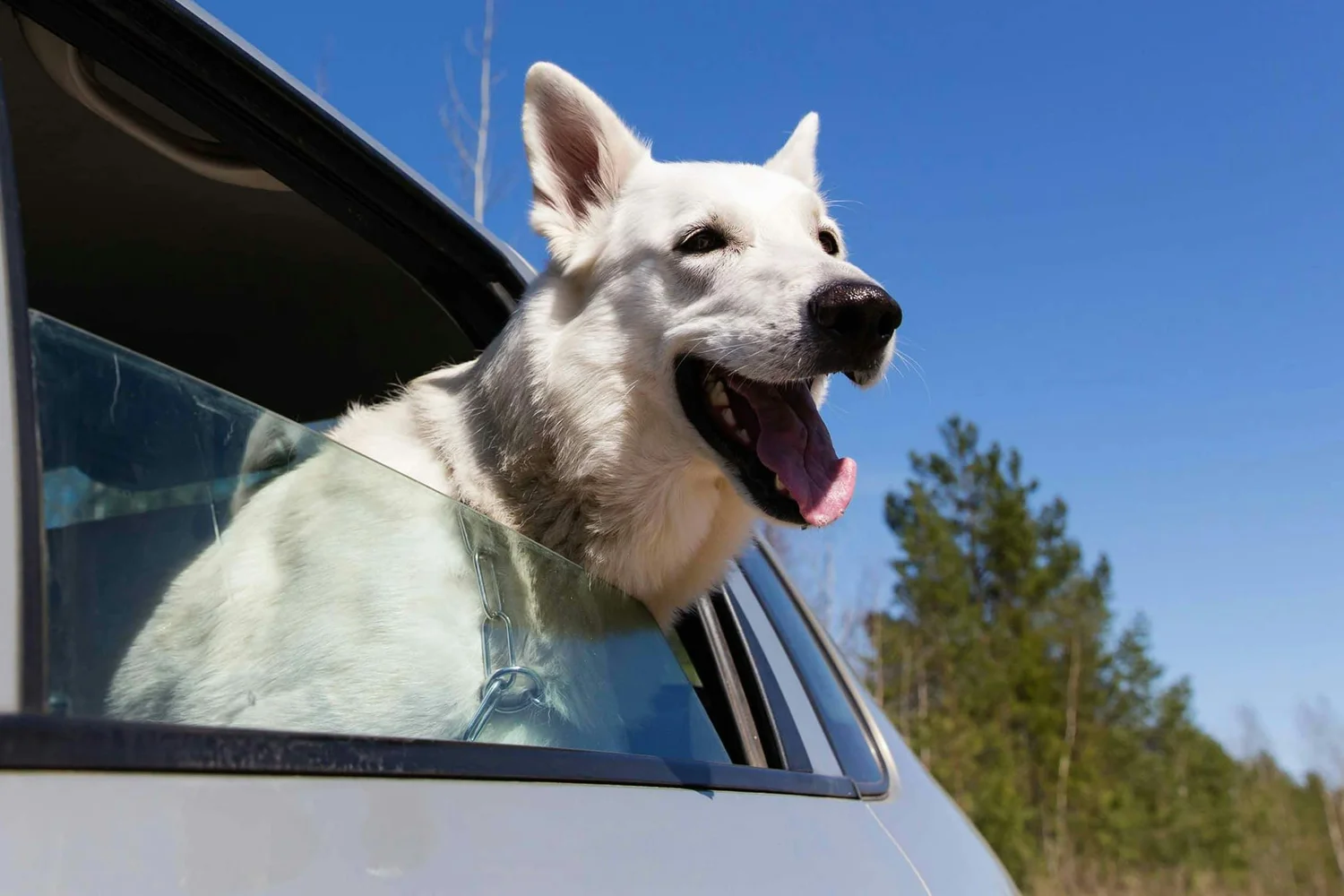
Credit: www.fresh-layer.com
Health Issues Linked To Drooling
Drooling in the car may signal health problems in your dog. It is important to recognize these signs early. Excessive drooling can mean more than just excitement or heat. Some health issues cause saliva to increase or trouble swallowing. Understanding these causes helps keep your dog safe and healthy.
Dental Problems
Tooth pain often leads to drooling. Infections or gum disease cause discomfort. Dogs may produce extra saliva to soothe their mouth. Broken or loose teeth can also trigger drooling. Check your dog’s mouth for redness or swelling. Dental care is important to prevent these issues.
Nausea And Digestive Issues
Car rides can upset your dog’s stomach. Nausea causes excessive drooling as a common sign. Motion sickness is a frequent reason for this. Digestive problems may also cause drooling outside the car. Watch for vomiting or loss of appetite along with drooling.
Poisoning Or Toxic Exposure
Drooling can be a sign of poisoning. Dogs may lick harmful plants or chemicals in the car. Some toxins increase saliva production quickly. Difficulty breathing or trembling can accompany drooling in these cases. Immediate veterinary care is crucial for safety.
Respiratory Conditions
Respiratory infections or blockages can cause drooling. Trouble breathing may lead to excess saliva build-up. Infections like kennel cough often cause this symptom. Allergies or foreign objects in the throat can also trigger drooling. Seek veterinary advice if breathing problems appear.
How To Reduce Car Drooling
Car drooling can stress both you and your dog. Reducing drooling helps make trips calm and pleasant. Simple changes to the car and travel habits can cut down on drooling. These tips focus on comfort, breaks, calming, and hydration.
Comfortable Car Setup
Make your car cozy for your dog. Use a soft blanket or dog bed on the seat. Keep the car cool with air conditioning or open windows slightly. Avoid strong smells that may upset your dog. Secure your dog safely with a harness or crate. A calm space helps reduce anxiety and drooling.
Regular Breaks And Fresh Air
Stop often to let your dog stretch and breathe fresh air. Short breaks every hour help lower stress. Walk your dog a little during breaks. Fresh air refreshes your dog’s mind and body. Regular pauses prevent nausea and reduce drooling.
Using Calming Techniques
Try simple calming methods during the trip. Speak softly to your dog to soothe nerves. Offer a favorite toy to distract and relax your dog. Play soft music to create a peaceful mood. Stay calm yourself; your dog senses your feelings. Calm dogs drool less.
Hydration And Feeding Tips
Keep your dog hydrated but avoid too much water before travel. Offer small sips of water during stops. Feed your dog a light meal a few hours before the trip. Heavy meals can cause nausea and drooling. Proper hydration and feeding reduce car sickness symptoms.

Credit: www.reddit.com
When To Consult A Veterinarian
Drooling during car rides can be normal for some dogs. It may show excitement or motion sickness. Yet, certain signs need attention from a vet. Knowing when to seek help keeps your dog safe and healthy.
Persistent Drooling
If your dog drools heavily beyond the car ride, watch closely. Constant drooling might show a health issue. This is not usual and needs a vet check. Do not ignore long-lasting drooling after travel.
Other Concerning Symptoms
Look for signs like vomiting, shaking, or weakness. These symptoms with drooling can mean illness. Your dog might feel pain or discomfort. A vet visit helps find the problem fast.
Emergency Situations
Seek immediate help if your dog has trouble breathing. Sudden collapse or seizures are serious. Severe swelling in the mouth or face needs quick care. These signs mean urgent veterinary attention.

Credit: www.reddit.com
Frequently Asked Questions
Why Does My Dog Drool More In The Car?
Dogs often drool more in the car due to motion sickness. The movement causes nausea, leading to excessive saliva production. Stress and anxiety during car rides can also trigger drooling. Ensuring fresh air and comfort can help reduce this behavior.
Is Car Drooling A Sign Of Dog Anxiety?
Yes, drooling can indicate anxiety in dogs during car rides. New environments and sounds can stress them. Anxious dogs may pant, whine, or pace, alongside drooling. Comforting your dog and using calming aids may ease their anxiety.
Can Motion Sickness Cause My Dog To Drool?
Motion sickness is a common cause of drooling in dogs during travel. The inner ear’s balance disruption causes nausea and excessive salivation. Signs include vomiting, restlessness, and drooling. Consult a vet for motion sickness remedies if symptoms persist.
How Can I Stop My Dog From Drooling In The Car?
To reduce drooling, ensure proper ventilation and take frequent breaks. Use calming techniques like gentle petting or soothing music. Feeding light meals before travel helps prevent nausea. Consult a vet for medications or strategies if drooling continues.
Conclusion
Dogs often drool in the car because of motion sickness or stress. This is common and usually not serious. Try taking short trips to help your dog adjust. Keep the car cool and calm to reduce anxiety. Offer water and breaks during longer rides.
Watch for signs of illness or pain. If drooling is heavy or lasts long, talk to your vet. Understanding your dog’s needs makes travel easier and safer. Safe, happy trips start with small steps and care.


