
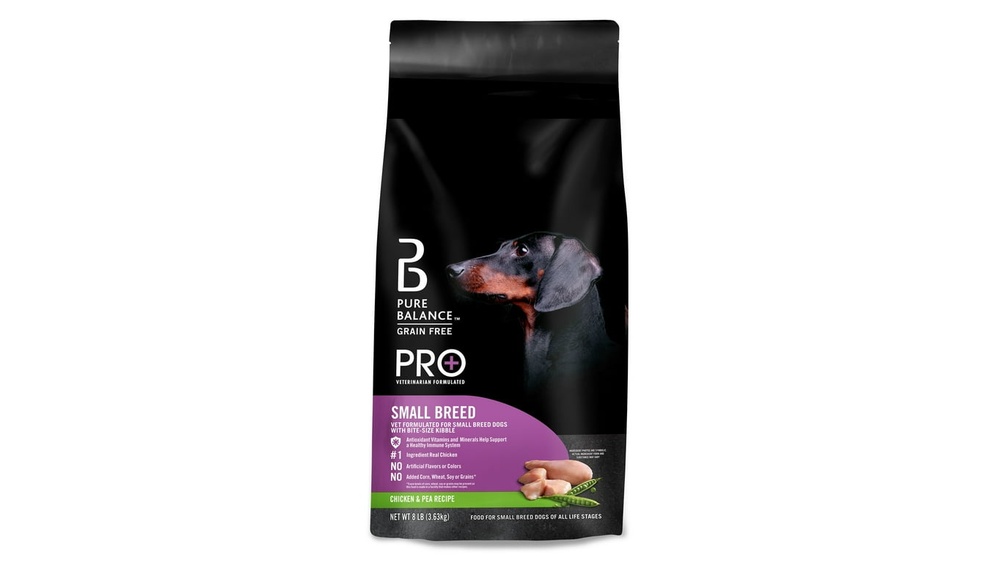
If you have a small dog, you know how important it is to feed them right. Choosing the best grain-free dog food for small breeds can make a big difference in your pup’s health and happiness.
You want something that supports their energy, digestion, and shiny coat without fillers or ingredients that might cause allergies. You’ll discover top options designed just for small dogs, plus tips to help you pick the perfect food. Keep reading to find the best way to keep your furry friend healthy and full of life.
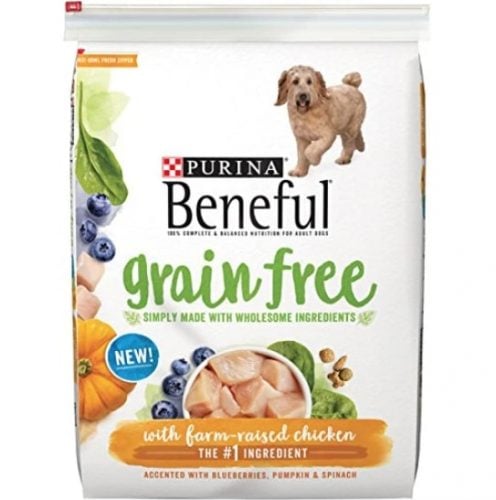
Credit: help.sc.ug
Benefits Of Grain-free Dog Food
Grain-free dog food offers many benefits, especially for small breed dogs. These foods exclude grains like wheat, corn, and rice. They focus on proteins and vegetables instead. Small breeds often have sensitive digestion. Grain-free options can help keep their tummies calm and healthy.
Choosing grain-free food can also reduce allergies. Some dogs react badly to grains. Removing grains from their diet can lower skin problems and itching. This makes your dog more comfortable and happy.
Energy is important for small dogs. Grain-free foods often include higher protein levels. This can give your dog more energy to play and stay active. Healthy energy means a better quality of life for your pet.
Improved Digestion
Grains can be hard for some dogs to digest. Grain-free food uses ingredients that are easier on the stomach. This helps reduce gas, bloating, and diarrhea. Small breeds can feel better with smoother digestion.
Reduced Allergies
Many dogs develop allergies to grains. Symptoms include itching, redness, and hair loss. Grain-free diets can lower these allergic reactions. Your dog’s skin and coat may look healthier and shinier.
Better Energy Levels
Grain-free dog food has more protein and fat. These nutrients are great energy sources. Small dogs get the fuel they need for daily activities. This leads to a more lively and playful pet.
Why Small Breeds Need Special Diets
Small dog breeds need diets made just for them. Their size and body work differently from bigger dogs. This means their food should match their special needs. Feeding small dogs the right food helps them stay healthy and happy.
Grain-free dog food is often a good choice. It avoids common fillers and focuses on real nutrients. This suits many small breeds well. Understanding why small breeds need special diets helps you pick the best food for them.
Unique Nutritional Needs
Small dogs require more nutrients in less food. Their bodies need high-quality protein and fat. These give energy and support muscles. Vitamins and minerals must also be balanced. This keeps their bones and skin strong.
Portion Control
Small dogs eat smaller amounts at each meal. Overfeeding can cause weight gain and health problems. Grain-free dog food often comes in smaller kibbles. This makes portion control easier and reduces waste.
Higher Metabolism
Small breeds burn calories faster than large dogs. They need food rich in energy to stay active. Grain-free diets with healthy fats help fuel their fast metabolism. This keeps them lively throughout the day.
Key Ingredients To Look For
Choosing the best grain-free dog food for small breeds means knowing what ingredients matter most. Small dogs need food that supports their energy, health, and size. Focus on ingredients that give good nutrition without grains. These key components help keep your dog strong and happy.
High-quality Proteins
Proteins build muscles and repair tissues. Look for meats like chicken, turkey, or fish listed first. These provide essential amino acids for your dog’s health. Avoid foods with low-quality protein or too many fillers. Real meat keeps small dogs active and fit.
Healthy Fats
Fats give energy and keep skin soft. Sources like fish oil, flaxseed, and chicken fat are best. They contain omega-3 and omega-6 fatty acids. These fats support brain function and a shiny coat. Healthy fats help small breeds stay lively and warm.
Essential Vitamins And Minerals
Vitamins and minerals support growth and immune health. Ingredients like sweet potatoes, carrots, and spinach add natural nutrients. Look for added vitamins like A, D, and E. Minerals like calcium and zinc keep bones strong. These elements keep your small dog healthy every day.
Top Grain-free Dog Food Brands
Choosing the right grain-free dog food helps small breeds stay healthy and active. The best brands focus on quality ingredients and balanced nutrition. They avoid fillers and grains, which some dogs find hard to digest.
These top grain-free dog foods support small dogs’ energy and overall well-being. Each brand offers unique benefits tailored to small breed needs.
Brand A: Features And Benefits
Brand A uses real meat as the first ingredient. It contains no artificial colors or flavors. The formula is rich in protein, supporting muscle health. Small kibble size makes eating easy for tiny mouths. Added vitamins and minerals boost immune health. Grain-free recipes reduce the risk of allergies.
Brand B: Features And Benefits
Brand B focuses on natural ingredients with no fillers. It includes fruits and vegetables for antioxidants. This brand promotes healthy skin with omega fatty acids. The food is easy to digest, ideal for sensitive stomachs. Small breed formulas provide balanced calories for energy. It avoids grains and gluten to prevent irritation.
Brand C: Features And Benefits
Brand C offers limited ingredient recipes for simple nutrition. It uses single protein sources to reduce allergies. The kibble is small and crunchy for dental health. This brand supports joint health with added glucosamine. Grain-free and free from by-products or soy. Suitable for small dogs with food sensitivities.
How To Choose The Right Food
Choosing the right grain-free dog food for small breeds is important. Small dogs have different needs than larger breeds. Their food must support their energy and health. This guide helps you pick the best option for your dog.
Checking Ingredient Lists
Look closely at the ingredient list on the dog food bag. Choose foods with real meat listed first. Avoid foods with fillers like corn or wheat. Grain-free means no grains, but watch for other fillers. Ingredients like sweet potatoes and peas are good alternatives. Always check for artificial colors or preservatives. These can harm your dog’s health.
Considering Your Dog’s Preferences
Each dog has unique tastes. Some prefer wet food, others dry. Texture and flavor matter. Watch your dog’s reaction to new food. If your dog refuses to eat, try a different brand or flavor. Small breeds often prefer smaller kibble pieces. This makes eating easier and safer.
Consulting Your Veterinarian
Your vet knows your dog’s health best. Talk about diet changes before switching foods. Your vet can recommend foods based on allergies or sensitivities. They can also suggest supplements if needed. Regular check-ups help track your dog’s health with new food. Trust professional advice to keep your dog healthy.
Common Myths About Grain-free Diets
Many dog owners hear about grain-free diets and feel confused. Some ideas about grain-free dog food are not true. These myths can make choosing food harder. Understanding facts helps you pick the best diet for your small dog.
Grains Are Always Harmful
Not all grains cause problems for dogs. Many dogs digest grains without any issues. Grains like rice and oats provide energy and nutrients. Only dogs with allergies or sensitivities need to avoid certain grains.
Grain-free Means Low Carb
Grain-free foods do not always have fewer carbs. Some grain-free recipes use potatoes or peas. These ingredients can add carbs similar to grains. Check the food label to know the carb content clearly.
All Dogs Need Grain-free Food
Not every dog benefits from grain-free diets. Most dogs do well on food with grains. Grain-free diets suit dogs with allergies or special needs. Consult a vet before changing your dog’s diet.
Transitioning To Grain-free Food
Switching your small dog to grain-free food needs care and patience. Sudden changes can upset their stomach. A smooth transition helps your dog adjust well. It supports their digestion and keeps them happy.
Gradual Switching Tips
Start by mixing a small amount of grain-free food with your dog’s current food. Slowly increase the grain-free portion over 7 to 10 days. Watch for any signs of discomfort or refusal to eat. Keep the feeding times consistent to build a routine. This method eases the change without stressing your dog.
Monitoring Your Dog’s Health
Observe your dog’s energy and mood daily. Check their stool for changes in texture or color. Look for any itching or skin issues. If you notice problems, slow down the transition or consult a vet. Keeping a close eye ensures your dog stays healthy during the switch.
Adjusting Portions
Grain-free foods may have different calorie amounts. Measure your dog’s portions carefully at first. Adjust serving sizes based on their weight and activity level. Avoid overfeeding to prevent weight gain. Proper portions keep your dog fit and satisfied.
:strip_icc()/Spruce-best-dog-food-for-allergies-4173781-024027f06d344cd8acf7267d38694fa3.jpg)
Credit: www.thesprucepets.com
Homemade Grain-free Meal Ideas
Making homemade grain-free meals for small dogs is a great way to control their diet. You know exactly what goes into their food. It helps avoid fillers and allergens. Plus, homemade meals can be fresher and tastier for your pet.
Small breeds need food that supports their energy and health. Grain-free meals often focus on protein and vegetables. These ingredients give them the nutrients they need without grains. Here are some simple ideas to try at home.
Protein-rich Recipes
Protein is key for small dogs’ muscles and energy. Use lean meats like chicken, turkey, or fish. Cook the meat well and chop into small pieces. You can mix in eggs or cottage cheese for extra protein. Avoid seasoning or spices that may upset your dog’s stomach.
Balanced Vegetable Options
Vegetables add vitamins and fiber to your dog’s meal. Good choices are carrots, green beans, and pumpkin. Steam or boil vegetables to make them soft and easier to digest. Mix vegetables with protein for a balanced plate. Avoid onions, garlic, and other harmful veggies.
Treats And Snacks
Homemade treats can be healthy and grain-free. Use ingredients like sweet potatoes or peanut butter. Cut sweet potatoes into thin slices and bake until crispy. Peanut butter treats can be made by mixing with oat flour and baking. Always check ingredients to avoid toxic foods.
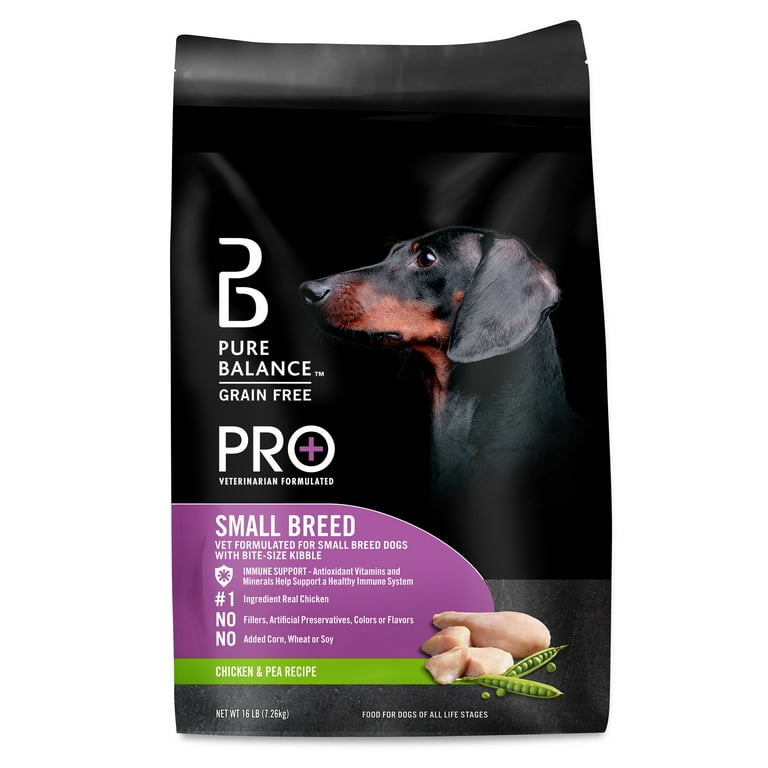
Credit: www.walmart.com
Frequently Asked Questions
What Is Grain-free Dog Food For Small Breeds?
Grain-free dog food excludes wheat, corn, and rice. It suits small breeds with grain allergies or sensitivities. These formulas use alternative carbs like sweet potatoes to support digestion and energy.
Why Choose Grain-free Food For Small Dogs?
Grain-free food helps reduce allergies and digestive issues in small dogs. It provides higher protein content for their active metabolism. This diet often improves coat health and overall vitality.
Are Grain-free Diets Safe For Small Breed Dogs?
Yes, grain-free diets are safe when balanced properly. Consult your vet to ensure nutritional needs are met. Quality grain-free brands use wholesome ingredients and essential nutrients for small breeds.
How To Select The Best Grain-free Dog Food?
Look for high protein from real meat sources. Check for added vitamins and minerals. Avoid artificial additives and fillers. Choose brands with positive reviews specific to small breed dogs.
Conclusion
Choosing the best grain-free dog food helps keep small breeds healthy. These foods support digestion and reduce allergy risks. Always check ingredients for quality and nutrition. Feeding your dog right improves energy and happiness. Small dogs have unique needs, so choose food carefully.
A good diet means a longer, happier life. Trust your instincts and watch your dog thrive. Simple steps bring great benefits to your pet’s health.


