If your dog has been diagnosed with Cushing’s disease, you’re probably wondering how to help them feel better every day. What your dog eats plays a huge role in managing this condition and boosting their quality of life.
Choosing the best diet for dogs with Cushing’s disease isn’t just about food—it’s about giving your furry friend the support they need to stay strong and happy. Keep reading to discover simple, effective diet tips that can make a real difference for your dog’s health.
Symptoms Of Cushing’s Disease In Dogs
Cushing’s disease in dogs is a condition caused by too much cortisol in the body. Cortisol is a hormone that helps dogs respond to stress and maintain balance. This illness can develop slowly, so symptoms may not seem clear at first. Recognizing the signs early can help your dog get the right care and improve its quality of life.
Common Signs To Watch
One common sign is increased thirst and urination. Your dog may drink and pee more than usual. Another sign is a bigger belly, even if your dog is not eating more. Hair loss or thinning coat is also typical. Some dogs develop thin skin that bruises easily. You might notice your dog panting more, even when not hot. Weakness and tiredness can appear, making your dog less active. Frequent infections, especially on the skin, may also show up.
Impact On Dog’s Health
Cushing’s disease affects many body parts. High cortisol levels weaken the immune system. This makes your dog catch infections more often. The disease can cause muscle loss, making movement harder. The liver and kidneys may also suffer damage over time. Some dogs develop high blood pressure. This condition can lead to heart problems if not managed. Overall, Cushing’s disease lowers your dog’s ability to stay healthy and active.

Credit: pettao.com
Dietary Needs For Dogs With Cushing’s
Dogs with Cushing’s disease need special diets to support their health. This condition affects hormone levels, which can change how their bodies use food. Feeding the right diet helps manage symptoms and improves their quality of life.
A balanced diet can reduce stress on organs and control weight. Choosing the right foods supports the immune system and helps maintain muscle strength.
Key Nutritional Requirements
Protein is important to keep muscles strong. Choose high-quality, easily digestible proteins like chicken or fish. Avoid too much fat, as overweight dogs face more health risks.
Fiber helps digestion and controls blood sugar. Include vegetables like green beans or pumpkin. Low sodium is best to protect the heart and kidneys.
Complex carbohydrates provide steady energy. Brown rice and sweet potatoes are good options. Vitamins and minerals support overall health and healing.
Foods To Avoid
Avoid high-fat foods such as fatty meats and dairy. These can cause weight gain and worsen symptoms. Sugary treats and snacks can spike blood sugar levels.
Steer clear of salty foods that can raise blood pressure. Avoid processed foods with additives and preservatives. Chocolate, grapes, and onions are toxic and must never be given.
Top Healing Foods For Cushing’s Dogs
Caring for a dog with Cushing’s disease means choosing foods that support health and ease symptoms. The right diet can help reduce inflammation and manage weight. Certain foods can also balance blood sugar and improve energy. This section highlights top healing foods that benefit dogs with Cushing’s disease.
Lean Proteins
Lean proteins help maintain muscle without adding extra fat. Chicken, turkey, and fish provide essential amino acids. These proteins support muscle repair and overall strength. Avoid fatty meats that can increase weight and strain organs.
Anti-inflammatory Ingredients
Inflammation worsens Cushing’s symptoms. Ingredients like turmeric, ginger, and omega-3 fatty acids fight inflammation naturally. Fish oil and flaxseed oil are great omega-3 sources. These help reduce joint pain and improve skin health.
Low Glycemic Carbohydrates
Low glycemic carbs keep blood sugar steady. Brown rice, sweet potatoes, and barley release energy slowly. This helps control insulin levels and prevents energy spikes. Avoid high sugar foods that can cause weight gain and worsen symptoms.

Credit: chidog.com
Supplements And Natural Additions
Supplements and natural additions can support dogs with Cushing’s disease. They help improve health and ease symptoms. These additions work well with a balanced diet and vet care. Choosing the right supplements is important for your dog’s well-being.
Beneficial Vitamins And Minerals
Vitamins and minerals support your dog’s immune system. Vitamin E helps protect cells from damage. Vitamin C can reduce inflammation and boost healing. Zinc and selenium are important for skin and coat health. These nutrients help your dog feel better and stay strong.
Herbal Remedies And Oils
Herbs like milk thistle support liver health. This is vital for dogs with Cushing’s disease. Omega-3 oils from fish help reduce inflammation. They also promote healthy skin and fur. Natural oils like coconut oil can improve digestion. Always check with your vet before adding herbs or oils.
Sample Meal Plans
Sample meal plans help pet owners feed dogs with Cushing’s disease properly. Choosing the right foods supports health and comfort. Balanced meals can reduce symptoms and improve energy.
These plans include homemade recipes and commercial diet options. Each plan focuses on nutrition that suits dogs with Cushing’s disease. Variety and balance are key to good health.
Homemade Recipes
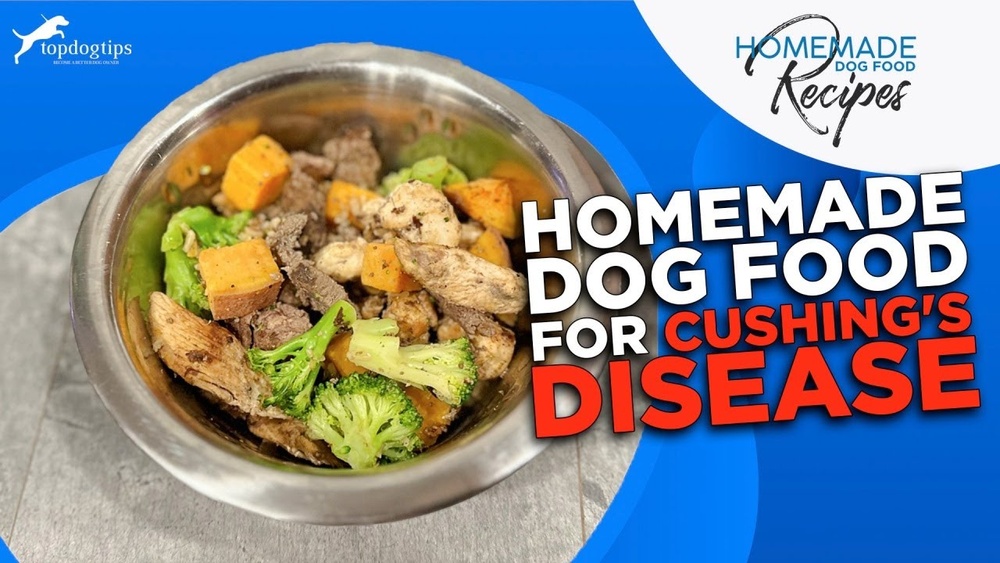
Homemade meals let you control every ingredient. Use lean proteins like chicken or turkey. Cooked vegetables such as green beans and carrots add fiber. Avoid foods high in fat or sugar. Small portions of brown rice provide energy without weight gain. Mix a small amount of fish oil for healthy skin and coat. Keep meals fresh and avoid processed foods. Consult your vet to balance vitamins and minerals.
Commercial Diet Options
Commercial diets are convenient and formulated for health needs. Choose brands with veterinary approval for Cushing’s disease. Look for low-fat and high-fiber formulas. Ingredients like chicken, lamb, or fish work well. Avoid products with fillers and artificial additives. Check labels for balanced nutrients and quality proteins. Many brands offer prescription diets tailored for hormonal disorders. Always introduce new food gradually to avoid stomach upset.
Tips For Managing Weight And Appetite
Managing weight and appetite is crucial for dogs with Cushing’s disease. This condition often causes increased hunger and weight gain. Careful feeding helps maintain a healthy weight and supports overall health. Small changes in feeding routines can make a big difference.
Portion Control Strategies
Measure your dog’s food with a kitchen scale or cup. Avoid free-feeding; set specific meal times. Divide daily food into two or three small meals. This helps prevent overeating and controls hunger. Follow your vet’s advice on calorie needs for your dog. Track your dog’s weight weekly to adjust portions as needed.
Encouraging Healthy Eating Habits
Offer low-calorie, high-fiber foods to keep your dog full longer. Use slow feeder bowls to reduce eating speed. Avoid giving table scraps or high-fat treats. Choose healthy snacks like small pieces of carrot or apple. Praise your dog for eating well and staying calm during meals. Consistency helps your dog learn good eating habits.
Consulting Your Veterinarian
Consulting your veterinarian is the first step in managing your dog’s diet with Cushing’s disease. Every dog has unique health needs that require professional guidance. Your vet can provide advice based on your dog’s condition and overall health.
Diet plays a crucial role in helping dogs with Cushing’s disease feel better. A vet’s advice ensures the diet supports your dog’s treatment plan safely. Avoid making changes without expert input to prevent complications.
Tailoring Diet To Individual Needs
Each dog with Cushing’s disease needs a diet designed for its specific symptoms. Your vet considers factors like weight, activity level, and other health issues. They may suggest foods low in fat and high in fiber to aid digestion. Protein quality is important to maintain muscle mass. Custom diets improve your dog’s energy and comfort.
Monitoring Progress And Adjustments
Regular check-ups with your vet track how the diet affects your dog. Blood tests and weight checks reveal if changes are needed. Your vet can adjust food types or portion sizes for better results. Monitoring helps catch problems early and keeps your dog stable. Stay in touch with your vet to ensure ongoing care.

Credit: iruntheglobe.com
Frequently Asked Questions
What Is The Best Diet For Dogs With Cushing’s Disease?
A balanced diet low in fat and high in protein supports dogs with Cushing’s disease. Include whole grains, vegetables, and lean meats. Avoid excessive salt and sugar to reduce symptoms and improve overall health.
Can Cushing’s Disease Affect My Dog’s Appetite?
Yes, Cushing’s disease often increases a dog’s appetite. Monitor food intake carefully to prevent obesity. Provide nutrient-rich meals to support their health while managing weight.
Should I Avoid Certain Foods For Dogs With Cushing’s?
Avoid fatty, sugary, and salty foods. These can worsen symptoms and cause weight gain. Stick to vet-recommended diets rich in fiber, lean protein, and complex carbohydrates.
How Often Should I Feed A Dog With Cushing’s Disease?
Feed small, frequent meals throughout the day. This helps manage hunger and stabilizes blood sugar levels. Consult your vet for a personalized feeding schedule.
Conclusion
Choosing the right diet helps dogs manage Cushing’s disease better. Foods low in fat and high in fiber support their health. Avoiding too many calories keeps weight under control. Fresh water and balanced nutrients are important every day. Talk with your vet to find the best food plan.
Small changes can make a big difference for your dog. Keep watching your dog’s health and adjust as needed. A good diet helps your dog feel happier and stronger.