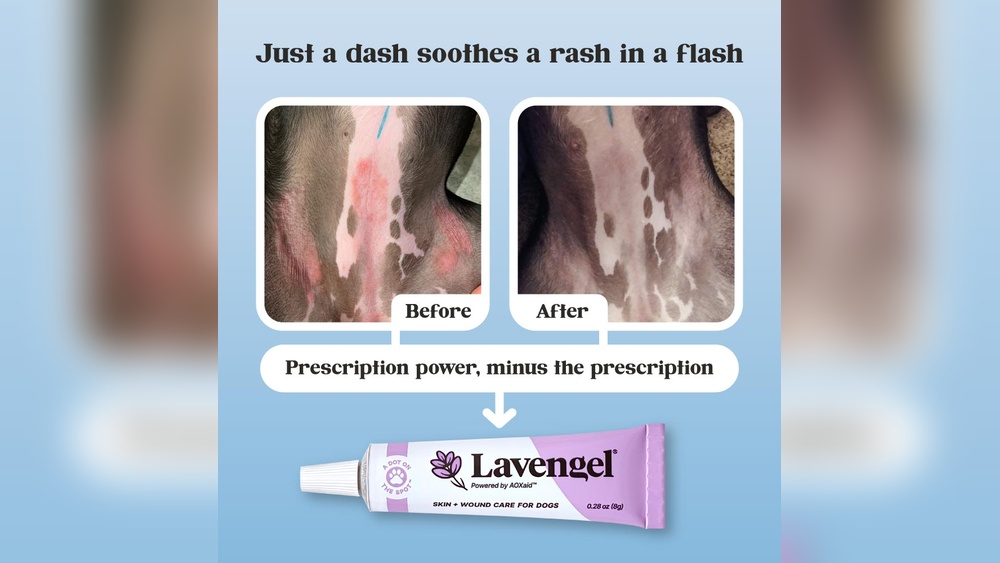
If your dog is scratching nonstop or has red, irritated skin, you know how uncomfortable and worrying a rash can be. You want to help your furry friend feel better fast, but with so many ointments out there, it’s hard to know which one really works.
This guide will show you the best ointment for dog rash, so you can soothe your pet’s skin quickly and safely. Keep reading to find the right solution that brings relief and keeps your dog happy and healthy.
Common Causes Of Dog Rashes
Dog rashes are common and can make your pet uncomfortable. Understanding what causes these rashes helps in choosing the right treatment. Many factors can lead to skin problems in dogs.
Allergies And Irritants
Allergies are a top cause of dog rashes. Dogs can react to food, pollen, or dust. Chemicals in shampoos or cleaning products can also irritate their skin. These allergies cause redness, itching, and swelling.
Insect Bites And Parasites
Bites from fleas, ticks, or mosquitoes cause rashes. Parasites live on the dog’s skin and feed on its blood. These bites can lead to itching and sores. Parasites may also spread infections.
Infections And Hot Spots
Bacterial and fungal infections cause painful rashes. Hot spots are areas where the skin becomes moist and infected. They often appear from constant licking or scratching. These spots grow quickly and need prompt care.
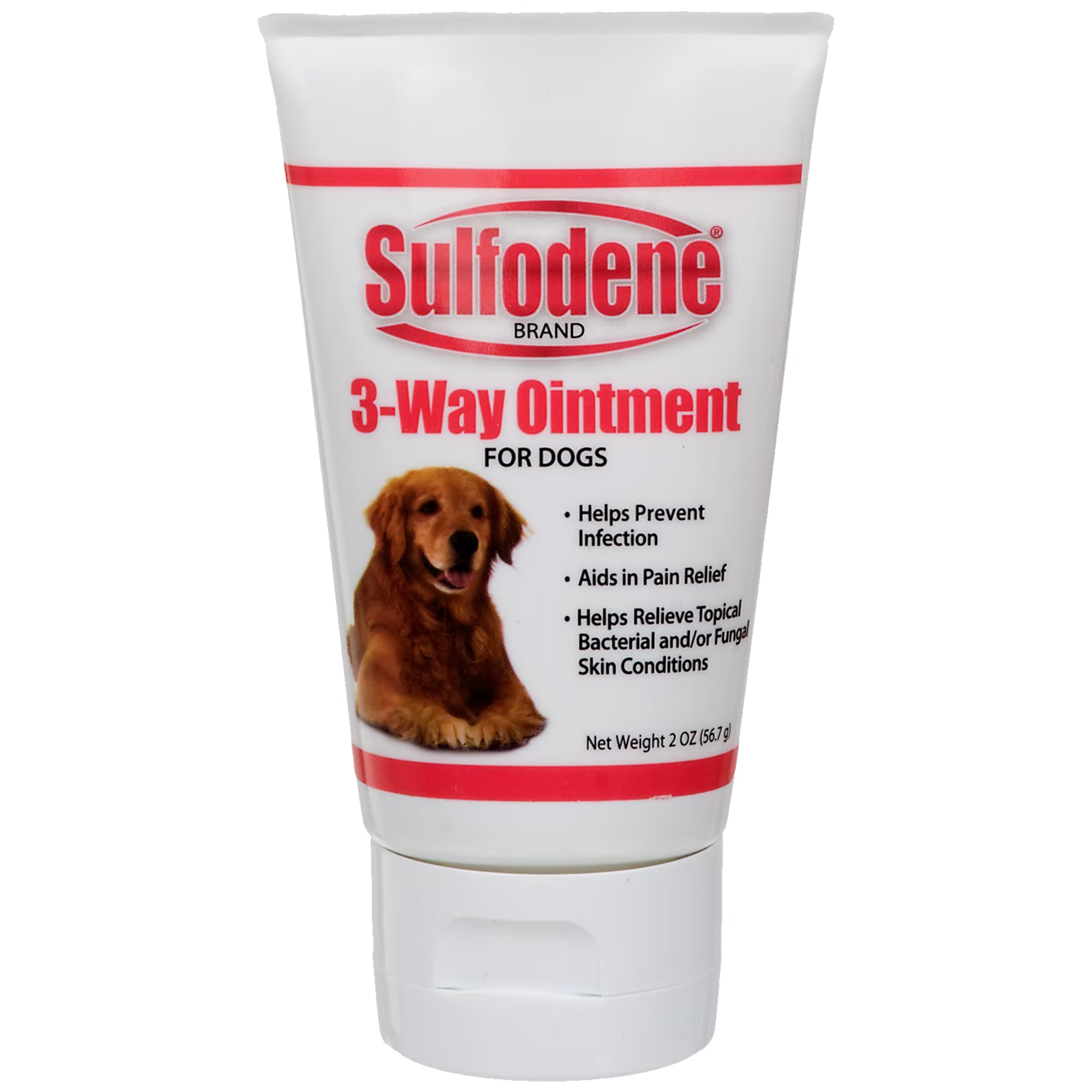
Credit: www.petco.com
Signs Your Dog Has A Rash
Dogs cannot tell us when their skin feels uncomfortable. You must watch for signs of a rash. Early detection helps your dog get relief fast. Watch your dog’s skin carefully.
Redness And Swelling
Red spots show irritation on the skin. Swelling means the area is inflamed. These signs often appear in patches. The skin may look shiny or wet. Pay attention to these changes on your dog’s body.
Itching And Scratching
Your dog may scratch or bite the rash. They might rub against furniture or the floor. Constant itching can cause more damage. Notice if your dog is restless or uncomfortable. Itching is a clear sign of skin trouble.
Hair Loss And Scabs
Bald patches may develop where the rash is. Scabs or crusts can form on the skin. These are signs of ongoing irritation or infection. Hair loss combined with scabs needs prompt care. Check your dog’s coat for these symptoms often.
Top Ointments For Dog Rashes
Dog rashes can cause discomfort and worry for pet owners. Choosing the right ointment helps soothe your dog’s skin quickly. Different rashes need different treatments. Some rashes come from infections, others from allergies or fungi. This guide covers top ointments to treat common dog rashes. Each option targets specific causes and symptoms.
Antibiotic Ointments
Antibiotic ointments fight bacterial infections that cause rashes. They stop bacteria from growing and spreading. These ointments often contain ingredients like neomycin or bacitracin. Use them on small wounds or infected spots. Avoid use on large areas without vet advice. They help heal cuts and prevent infection from worsening.
Anti-inflammatory Creams
Anti-inflammatory creams reduce swelling and redness. These creams often contain corticosteroids. They calm irritated skin and relieve itching. Use them to ease allergic reactions or hot spots. Do not use these creams for long periods. Always follow your vet’s instructions to avoid side effects.
Antifungal Treatments
Antifungal treatments target rashes caused by fungal infections. Common fungi include ringworm or yeast. These ointments contain ingredients like miconazole or clotrimazole. They stop fungal growth and clear the rash. Apply as directed until the rash is gone. Cleaning the affected area helps improve results.
Natural And Herbal Options
Natural ointments use plant extracts to soothe dog rashes. Ingredients like aloe vera, calendula, and coconut oil calm the skin. These options have fewer chemicals and mild effects. They suit dogs with sensitive skin or mild rashes. Always test on a small area first. Natural treatments can support healing and reduce irritation.
How To Apply Ointment Safely
Applying ointment on your dog’s rash requires care and attention. Proper application helps the medicine work better. It also keeps your dog safe and comfortable. Follow these simple steps to apply ointment safely and effectively.
Preparing The Rash Area
Start by cleaning the rash area gently. Use lukewarm water and a soft cloth. Pat the skin dry with a clean towel. Avoid rubbing, as it can irritate the rash. Make sure the area is free from dirt and debris before applying ointment.
Proper Dosage And Frequency
Use the amount of ointment recommended by your vet. A small pea-sized amount is often enough. Apply the ointment evenly over the rash. Follow the schedule given for applying the ointment. Do not apply more or less than advised. Stick to the timing to help the rash heal faster.
Preventing Licking And Biting
Dogs may lick or bite the ointment off. This can slow healing and cause more irritation. Use an Elizabethan collar or a protective cover if needed. Distract your dog with toys or treats during healing. Keep an eye on your pet until the ointment dries. Preventing licking helps the ointment stay in place longer.
When To See A Veterinarian
Knowing when to see a veterinarian is very important for your dog’s health. Rashes can sometimes be mild and heal on their own. Other times, they need professional care. Watch your dog closely. Notice any changes in the rash or your dog’s behavior. Quick action can prevent serious problems.
Persistent Or Worsening Symptoms
If the rash does not improve in a few days, see a vet. A rash that gets bigger or more red needs attention. Scratching or biting at the rash more than usual is a bad sign. Your dog may be in pain or discomfort. Do not wait too long to get help.
Signs Of Infection
Infections can cause serious issues for your dog. Look for pus, swelling, or a bad smell around the rash. Your dog may also have a fever or act tired. These signs show the rash may be infected. A veterinarian can provide the right treatment to stop the infection.
Allergic Reactions
Allergic reactions can be dangerous for dogs. Watch for swelling of the face, lips, or eyes. Difficulty breathing or fast breathing is a warning sign. Your dog may also vomit or have diarrhea. Allergies need quick care from a vet to keep your dog safe.
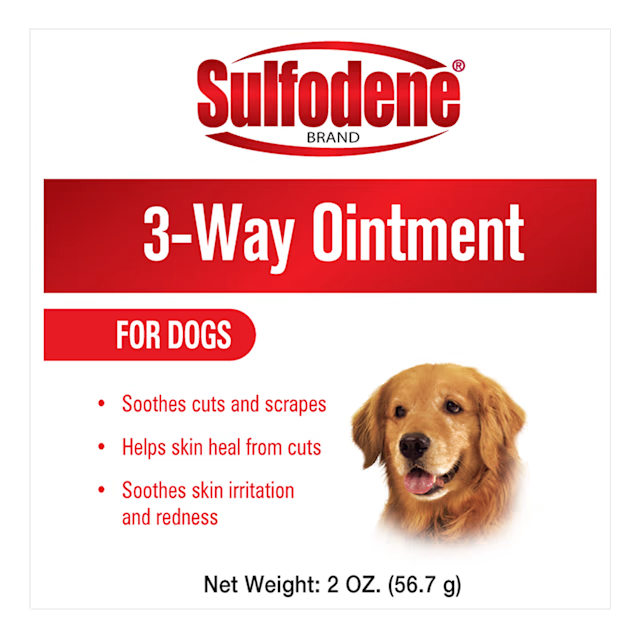
Credit: www.petco.com
Preventing Future Rashes
Preventing future rashes on your dog helps keep them happy and healthy. Rashes cause discomfort and can lead to serious skin problems. Taking steps to prevent rashes lowers the risk of irritation and infection. Focus on good grooming, diet care, and controlling your dog’s environment. These habits protect your dog’s skin and improve overall wellness.
Regular Grooming Tips
Brush your dog’s coat often to remove dirt and loose hair. Bath your dog with mild shampoo designed for pets. Keep the skin clean and dry to avoid irritation. Check for ticks, fleas, and signs of skin problems during grooming. Trim hair around sensitive areas to reduce moisture buildup. Regular grooming helps spot issues early before rashes develop.
Diet And Allergy Management
Feed your dog high-quality food free from common allergens. Watch for signs of food allergies like itching or redness. Consult your vet to identify and remove triggers from the diet. Add supplements such as omega-3 fatty acids to improve skin health. Balanced nutrition supports the immune system and skin barrier. Managing allergies reduces the chance of skin rashes.
Environmental Controls
Keep your dog’s living area clean and dry. Wash bedding regularly to remove dust and allergens. Avoid exposure to harsh chemicals, pollen, or rough plants. Use air purifiers to reduce airborne irritants inside your home. Provide shade and avoid hot surfaces during warm weather. Controlling the environment minimizes triggers that cause skin rashes.

Credit: lavengel.com
Frequently Asked Questions
What Is The Best Ointment For Dog Rash Relief?
The best ointment for dog rash is one with soothing ingredients like aloe vera or hydrocortisone. These help reduce itching and inflammation effectively.
How To Choose An Ointment For Dog Skin Rash?
Choose ointments that are vet-approved, hypoallergenic, and free from harsh chemicals. Look for natural ingredients to avoid irritation.
Can I Use Human Ointment On My Dog’s Rash?
Some human ointments are safe, but many contain harmful ingredients. Always consult a vet before applying any human products to dogs.
How Often Should I Apply Ointment On My Dog’s Rash?
Apply the ointment as directed, usually 2-3 times daily. Consistency helps speed healing and prevents further irritation.
Conclusion
Choosing the right ointment helps your dog heal faster. It soothes irritation and stops itching quickly. Always check ingredients for safety and effectiveness. Apply the ointment gently as directed. Watch your dog’s skin for changes or reactions. Consult your vet if the rash worsens or lasts long.
Good care brings comfort and health back to your pet. Simple steps make a big difference in healing. Keep your dog happy and rash-free with proper treatment.