If your dog is struggling with a collapsed trachea, you know how important it is to provide comfort and support. Finding the best dog bed for a collapsed trachea isn’t just about giving your pet a place to rest—it’s about easing their breathing and improving their quality of life.
You want a bed that cushions their neck gently, reduces pressure, and helps them relax fully. You’ll discover top choices designed with your dog’s special needs in mind. Keep reading to learn how the right bed can make a real difference for your furry friend’s health and happiness.

Credit: www.thehouseofanimals.com
Causes And Symptoms
Collapsed trachea is a common health issue in dogs. Understanding its causes and symptoms helps pet owners act quickly. Early detection can improve your dog’s comfort and health.
What Collapsed Trachea Means
The trachea is the windpipe that carries air to the lungs. In a collapsed trachea, the cartilage rings become weak. This weakness causes the airway to narrow or collapse. Breathing becomes difficult for the dog.
Signs To Watch For
Dogs with collapsed trachea often cough a lot. The cough sounds dry and harsh. Some dogs make a honking noise while breathing. Difficulty breathing, especially during exercise, is common. You may notice your dog struggling or wheezing.
How It Affects Dogs
Collapsed trachea limits air flow to the lungs. Dogs may feel tired and weak from lack of oxygen. The condition can cause anxiety and stress in pets. Rest becomes important to reduce breathing effort. Choosing the right dog bed supports better rest and comfort.
Importance Of A Good Dog Bed
A good dog bed is very important for dogs with collapsed trachea. This condition makes breathing hard. A proper bed helps ease breathing and supports overall health. Dogs with this problem need extra care and comfort. The right bed can make a big difference in their daily life.
Choosing a bed with the right features improves comfort. It also helps reduce stress on the dog’s airway. A well-designed bed supports rest and healing. It provides a safe place for dogs to relax without pain or discomfort.
Supportive Features
A good dog bed offers firm but gentle support. It keeps the neck and chest in a natural position. Raised sides can help dogs rest their heads easily. Orthopedic foam helps reduce pressure on joints and bones. These features prevent extra strain on the trachea.
Comfort Benefits
Comfort is key for dogs with breathing issues. Soft materials cushion the body and calm the dog. A warm, cozy bed helps muscles relax. This lowers stress and improves sleep quality. Comfortable dogs have better moods and energy levels.
Reducing Respiratory Stress
The right bed can reduce breathing difficulties. It helps keep airways open and clear. Good support lowers coughing and choking risks. Elevated beds can improve airflow around the dog. This creates a healthier resting place for dogs with collapsed trachea.
Best Materials For Dog Beds
Choosing the right material for a dog bed is key for pets with a collapsed trachea. The right bed supports their neck and body without causing extra pressure. Soft but firm materials help reduce coughing and breathing issues. The bed must be cozy, easy to clean, and durable for daily use.
Memory Foam Advantages
Memory foam molds to your dog’s body shape. It gives excellent support to the neck and chest. This reduces strain on the trachea and eases breathing. Memory foam also absorbs shocks from movement. It helps dogs rest calmly without pain or discomfort.
Orthopedic Options
Orthopedic beds provide extra support for joints and bones. They help dogs with weak cartilage or arthritis. These beds keep the spine aligned to avoid extra pressure. Orthopedic foam is firm but gentle. It improves comfort and prevents further injury.
Breathable Fabrics
Breathable fabrics keep your dog cool and dry. They allow air to flow around the body. This lowers the chance of overheating or skin irritation. Materials like cotton or mesh work well. These fabrics also dry quickly if wet, keeping the bed fresh.
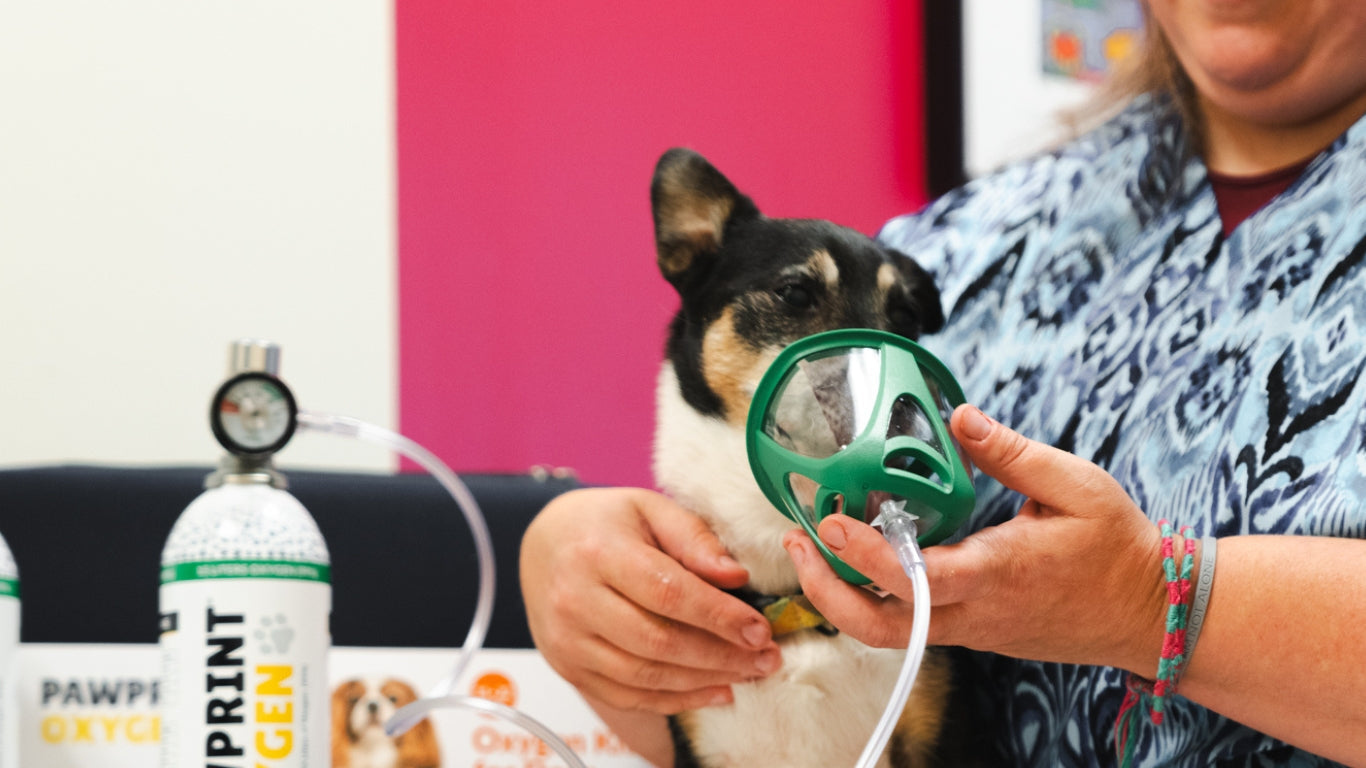
Credit: pawprintoxygen.com
Top Dog Bed Styles
Choosing the right dog bed helps pets with collapsed trachea rest well. Proper support reduces pressure on the neck and throat. Soft, comfortable beds ease breathing and improve sleep quality. Different bed styles offer unique benefits for your dog’s health and comfort.
Bolster Beds
Bolster beds have raised edges around the sides. Dogs can rest their heads on these soft cushions. This feature supports the neck gently and keeps the dog cozy. The walls also help dogs feel safe and secure. Bolster beds suit dogs that like to curl up.
Orthopedic Mattresses
Orthopedic mattresses use memory foam or special padding. They relieve pressure on joints and the throat area. This support helps dogs with collapsed trachea breathe easier. These beds also reduce pain and stiffness. Orthopedic mattresses work well for older or sick dogs.
Elevated Beds
Elevated beds lift dogs off the ground with a sturdy frame. This design improves air circulation around the body. Better airflow cools the dog and reduces swelling. Elevated beds keep dogs away from cold or hard floors. They are great for dogs that overheat or have breathing trouble.
Size And Fit Considerations
Choosing the right size and fit for your dog’s bed is very important. A bed that fits well supports your dog’s body and breathing. This is especially true for dogs with a collapsed trachea. A good fit keeps your dog comfortable and safe.
Measuring Your Dog
Start by measuring your dog from nose to tail. Include the length of the legs if your dog likes to stretch out. Measure your dog while lying down, too. This helps find a bed that matches your dog’s resting position. Use a soft tape measure for accuracy. Write down the numbers for reference.
Choosing The Right Bed Size
Pick a bed slightly bigger than your dog’s measurements. This gives extra room to move and stretch. Avoid beds that are too large, as they may not support the dog well. The bed should support the neck and chest gently. A snug but not tight fit helps keep the trachea relaxed. Consider beds with raised sides for extra comfort.
Additional Features To Look For
Choosing the best dog bed for a collapsed trachea means more than just comfort. Certain extra features can improve your dog’s safety and ease of use. These features help maintain the bed’s cleanliness, prevent slips, and ensure it lasts long. Here are some key features to consider.
Washable Covers
Washable covers keep the bed fresh and clean. Dogs with health issues may have accidents or drool more. A removable cover lets you wash away dirt and odors quickly. Look for covers that are machine washable and easy to remove. This saves time and keeps your dog’s space hygienic.
Non-slip Bottoms
Non-slip bottoms stop the bed from moving around. Dogs with a collapsed trachea need stable surfaces to rest safely. Slipping can cause stress or injury. Beds with rubber or silicone grips hold firm on floors. This small feature makes a big difference in comfort and safety.
Durability And Warranty
Durability matters for long-term use. A sturdy bed withstands daily wear and tear. Strong seams and quality materials prevent quick damage. Check if the bed has a warranty. A good warranty shows the brand’s confidence in their product. It also offers peace of mind to pet owners.
Tips For Helping Dogs With Trachea Issues
Dogs with collapsed trachea need special care to live comfortably. Small changes help them breathe easier and feel calm. Simple steps at home make a big difference.
These tips focus on better sleep, a peaceful space, and health checks. Each helps protect your dog’s airway and improve life quality.
Proper Sleeping Positions
Choose a dog bed that supports your pet’s neck and chest well. Place the bed in a quiet spot. Encourage your dog to lie on its side or stomach. This position helps open the airway. Avoid letting your dog sleep on its back. It can put pressure on the windpipe.
Maintaining A Calm Environment
Keep noise and excitement low around your dog. Loud sounds and stress make breathing harder. Create a calm space with soft lighting and little activity. This helps your dog relax and breathe smoothly. Avoid smoking or strong scents near your dog. These can irritate the throat.
Regular Vet Checkups
Visit the vet often to monitor your dog’s condition. The vet checks breathing and may adjust treatment. Early detection of problems prevents serious issues. Follow the vet’s advice on medicines and exercise limits. This keeps your dog safe and comfortable.

Credit: www.reddit.com
Frequently Asked Questions
What Type Of Dog Bed Is Best For Collapsed Trachea?
Orthopedic beds with memory foam provide excellent support and comfort. They reduce pressure on the neck and chest, aiding breathing. Elevated beds also help by keeping the dog off hard floors, improving airflow and easing trachea strain.
How Does An Orthopedic Bed Help Dogs With Trachea Issues?
Orthopedic beds evenly distribute the dog’s weight, reducing joint and neck stress. This support minimizes coughing and discomfort caused by collapsed trachea. Memory foam cushions absorb pressure, helping dogs rest better and recover faster.
Are Elevated Dog Beds Better For Collapsed Trachea?
Yes, elevated beds improve air circulation and reduce pressure on the neck. They keep dogs off cold or hard surfaces, which can worsen trachea irritation. This makes breathing easier and reduces coughing episodes.
What Materials Should I Avoid In A Dog Bed?
Avoid beds with hard, thin padding or rough fabrics. These can irritate the dog’s sensitive neck and chest area. Also, steer clear of beds without proper support, as they worsen trachea collapse symptoms.
Conclusion
Choosing the right dog bed helps your pet rest and heal well. Soft and supportive beds ease pressure on the trachea. Comfort matters most for dogs with breathing issues. A good bed can improve sleep and reduce coughing. Always watch how your dog uses the bed.
Comfort and safety go hand in hand here. Your dog deserves a peaceful and cozy place. This small change can make a big difference.