
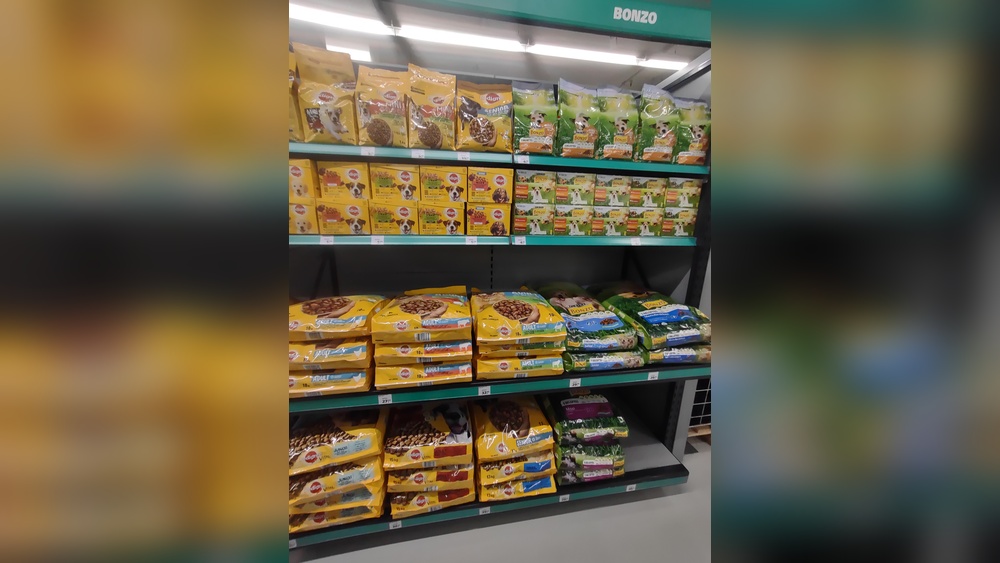
Finding the best dog food at your local grocery store can feel overwhelming. With so many options on the shelves, how do you know which one truly gives your furry friend the nutrition they need?
You want to make the right choice without spending hours researching or breaking the bank. This guide will help you spot quality dog food quickly and easily, so your pet stays healthy and happy. Keep reading to discover simple tips and trusted brands that you can find right around the corner.
Your dog deserves the best, and you’re about to learn how to give it to them.
Criteria For Choosing Dog Food
Choosing the right dog food from a grocery store can feel overwhelming. Many options line the shelves, but not all meet your dog’s needs. Knowing the key criteria helps pick the best food. Focus on nutrition, ingredient quality, your dog’s life stage, and avoiding harmful additives. These points guide you to a healthier choice for your pet.
Nutritional Requirements
Your dog’s food must provide balanced nutrition. Look for proteins, fats, carbohydrates, vitamins, and minerals. Proteins support muscle growth and energy. Fats help with brain function and coat health. Carbohydrates give energy and aid digestion. Vitamins and minerals keep bones and the immune system strong. Check labels to ensure these nutrients meet your dog’s daily needs.
Ingredient Quality
High-quality ingredients improve your dog’s health. Choose foods with real meat or fish as the main ingredient. Avoid foods that list by-products or fillers like corn and wheat first. Whole grains, vegetables, and fruits add fiber and nutrients. Fresh, natural ingredients support digestion and overall wellness. Always read the ingredient list carefully.
Life Stage And Breed Considerations
Dogs have different needs based on their age and breed. Puppies need more calories and nutrients for growth. Adult dogs require balanced food for maintenance. Senior dogs benefit from food that supports joint health and digestion. Large breeds may need special formulas to protect bones and joints. Small breeds often need smaller kibble and more energy-dense food.
Avoiding Harmful Additives
Steer clear of artificial colors, flavors, and preservatives. These can cause allergies or health problems. Look for foods free from BHA, BHT, and ethoxyquin. Avoid foods with excessive salt or sugar. Natural preservatives like vitamin E or C are safer choices. Cleaner ingredients mean better health for your dog.
Credit: ipr.iitr.ac.in
Top Dry Dog Foods Available
Choosing the right dry dog food at the grocery store can be simple. Many options offer good nutrition and taste. Dry dog food is easy to store and feed. It also helps keep your dog’s teeth clean. Here are some top dry dog foods available to consider for your pet’s health.
Popular Brands With Balanced Nutrition
Many well-known brands provide balanced meals for dogs. These foods contain proteins, fats, and essential vitamins. They support energy, growth, and a healthy coat. Brands like Hill’s Science Diet, Blue Buffalo, and Nutro are trusted by pet owners. Their recipes meet nutritional standards set by experts. Your dog gets quality ingredients without extra fillers.
Budget-friendly Options
Affordable dry dog foods still offer good nutrition. Brands such as Pedigree and Purina Dog Chow provide value without sacrificing quality. These options include necessary nutrients to keep dogs active. They work well for pet owners on a budget. Feeding your dog well does not always require high prices.
Grain-free Varieties
Grain-free dry dog foods suit dogs with allergies or sensitivities. These products replace grains with vegetables and other carbs. Brands like Taste of the Wild and Wellness Core offer grain-free recipes. These meals help reduce digestive issues in sensitive dogs. Choose grain-free foods to support your dog’s unique needs.
Best Wet Dog Food Choices
Wet dog food is a popular choice for many pet owners. It offers a soft texture that dogs enjoy. Wet food often contains more moisture than dry food. This helps keep dogs hydrated. It also tends to have strong smells and flavors. These features can appeal to dogs with small appetites.
Selecting the right wet food can support your dog’s health. It also provides variety in your dog’s diet. The best wet dog food choices combine nutrition and taste. This ensures your dog stays happy and healthy.
High-moisture Benefits
Wet dog food contains a lot of water. This helps dogs drink less from their bowls. High moisture supports urinary health. It also aids digestion and prevents dehydration. Dogs that eat mostly dry food may need extra water. Wet food naturally provides this extra hydration. This is especially good for older dogs or those with kidney issues.
Flavor Options For Picky Eaters
Wet dog food comes in many flavors. Chicken, beef, lamb, and fish are common choices. Some brands add vegetables or grains for variety. These flavors can excite even the fussiest eaters. The strong smell and soft texture attract dogs. Changing flavors often can keep mealtime interesting. This helps dogs eat enough food every day.
Combining Wet And Dry Food
Mixing wet and dry food offers the best of both worlds. Dry food helps clean teeth and is easy to store. Wet food adds moisture and flavor. Combining them can improve your dog’s diet balance. Start with small amounts of wet food mixed into dry food. This can encourage dogs to eat more. It also prevents boredom from eating the same food every day.
:strip_icc()/best-dog-food-for-older-dogs-4579808-39040096ef9640df95cb3fcd1ba6aff6.jpg)
Credit: medsourcellc.com
Specialty Dog Foods In Grocery Stores
Specialty dog foods in grocery stores cater to unique dietary needs. These foods help keep dogs healthy and happy. They include options for sensitive stomachs, allergies, and specific health goals. You can find many choices right at your local store.
Limited Ingredient Diets
Limited ingredient diets use fewer ingredients to reduce allergies. They often have one protein and one carbohydrate source. This makes it easier to identify food sensitivities. These diets help dogs with stomach problems or food allergies. Many grocery stores stock limited ingredient dog foods.
Organic And Natural Options
Organic and natural dog foods use ingredients without chemicals or additives. They focus on whole foods like real meat and vegetables. These options support overall health and digestion. Many pet owners choose organic for cleaner, safer nutrition. Grocery stores offer a range of natural dog food brands.
Foods For Allergies And Sensitivities
Foods for allergies avoid common allergens like wheat, soy, and corn. They may include novel proteins such as duck or venison. These formulas soothe irritated skin and digestive issues. You can find hypoallergenic dog foods in most grocery stores. These options help dogs with food reactions live better lives.
Tips For Transitioning Dog Food
Changing your dog’s food needs care and patience. Sudden switches can upset their stomach. The right steps make the change smooth and safe. Follow these tips to help your dog adjust comfortably.
Gradual Introduction
Start by mixing a small amount of new food with the old. Increase the new food portion slowly over 7 to 10 days. This helps your dog’s digestive system adapt. Watch your dog enjoy each new bite without stress.
Monitoring For Reactions
Look for any changes in your dog’s behavior or digestion. Signs like vomiting, diarrhea, or loss of appetite need attention. Keep track of how your dog feels each day. Quick action keeps your dog safe and healthy.
Consulting Your Veterinarian
Talk to your vet before switching to a new food. They can recommend the best options for your dog’s health. Your vet can also guide you on the right transition plan. Professional advice ensures your dog’s well-being.
Storage And Handling Of Dog Food
Storing and handling dog food correctly keeps your pet healthy and happy. Poor storage can spoil the food or attract pests. Fresh, well-kept food supports your dog’s nutrition and taste. Learn the best ways to store and handle dog food at home.
Proper Storage Techniques
Keep dry dog food in a cool, dry place. Use airtight containers to block air and moisture. Avoid storing food in bags alone; transfer it to containers. Wet dog food should stay sealed and refrigerated after opening. Always wash your hands before handling dog food.
Shelf Life And Expiration
Check the expiration date on every package before buying. Use older food first to avoid waste. Dry dog food can last up to six months if stored well. Wet dog food lasts only a few days after opening. Never feed your dog expired food.
Maintaining Freshness
Seal bags tightly after each use to keep food fresh. Store food away from heat and sunlight. Keep containers clean to stop mold and bacteria growth. Scoop only the amount your dog needs at mealtime. Fresh food tastes better and supports good digestion.
Credit: www.walkervillevet.com.au
Frequently Asked Questions
What Is The Best Dog Food Available At Grocery Stores?
The best dog food at grocery stores balances nutrition and affordability. Look for brands with real meat, no fillers, and added vitamins. Popular options include Blue Buffalo, Hill’s Science Diet, and Wellness. Always check ingredient quality and your dog’s specific dietary needs.
How To Choose Healthy Dog Food From Grocery Stores?
Choose dog food with high protein and low fillers. Avoid artificial colors, flavors, and preservatives. Check for whole ingredients like meat, vegetables, and grains. Also, consider your dog’s age, size, and health when selecting food at grocery stores.
Are Grocery Store Dog Foods Safe For All Dog Breeds?
Most grocery store dog foods are safe for common breeds. However, some dogs with allergies or sensitivities may require special diets. Always consult your vet before switching foods. Quality varies, so choose brands with transparent ingredient lists and good reviews.
Can Grocery Store Dog Food Meet All Nutritional Needs?
Yes, many grocery store dog foods meet AAFCO nutritional standards. Look for the AAFCO label on packaging to ensure balanced nutrition. However, some dogs might need supplements or prescription diets based on health conditions or life stage.
Conclusion
Choosing the best dog food at the grocery store can feel tricky. Focus on quality ingredients and your dog’s needs. Check labels for real meat, grains, and no fillers. Fresh, balanced meals keep dogs healthy and happy. Always watch how your dog reacts to new food.
Changing food slowly helps avoid stomach upset. Simple steps make feeding your dog easier and better. Your furry friend deserves good nutrition every day.


